
























Sony α6700 Complete Review: Why Everyone’s Searching for This Camera
Nov 4, 2025
Darlene Lleno
Darlene Lleno brings a unique perspective to DIY Photography as someone who grew up surrounded by camera gear but chose words over lenses. With five years of writing experience, she specializes in photography content that’s both technically informed and genuinely passionate. Growing up with a photographer twin brother meant camera talk was everyday conversation in her household. While he mastered capturing moments, Darlene discovered she preferred being the subject and the storyteller behind the scenes. As a travel enthusiast and mother of two, she understands the importance of preserving life’s precious moments. When not exploring new destinations or writing for DIY Photography, you’ll find her reading or tending to her garden. Her approach to photography writing is refreshingly authentic, she may not be behind the camera, but she knows exactly what it takes to help others capture the shots that matter most.
Share:

The Sony α6700 review shows why this APS-C mirrorless camera has photographers buzzing since its 2023 release. It brings pro-level features to a compact body. This camera changes what you can expect from APS-C gear.
What Makes the Sony α6700 Stand Out
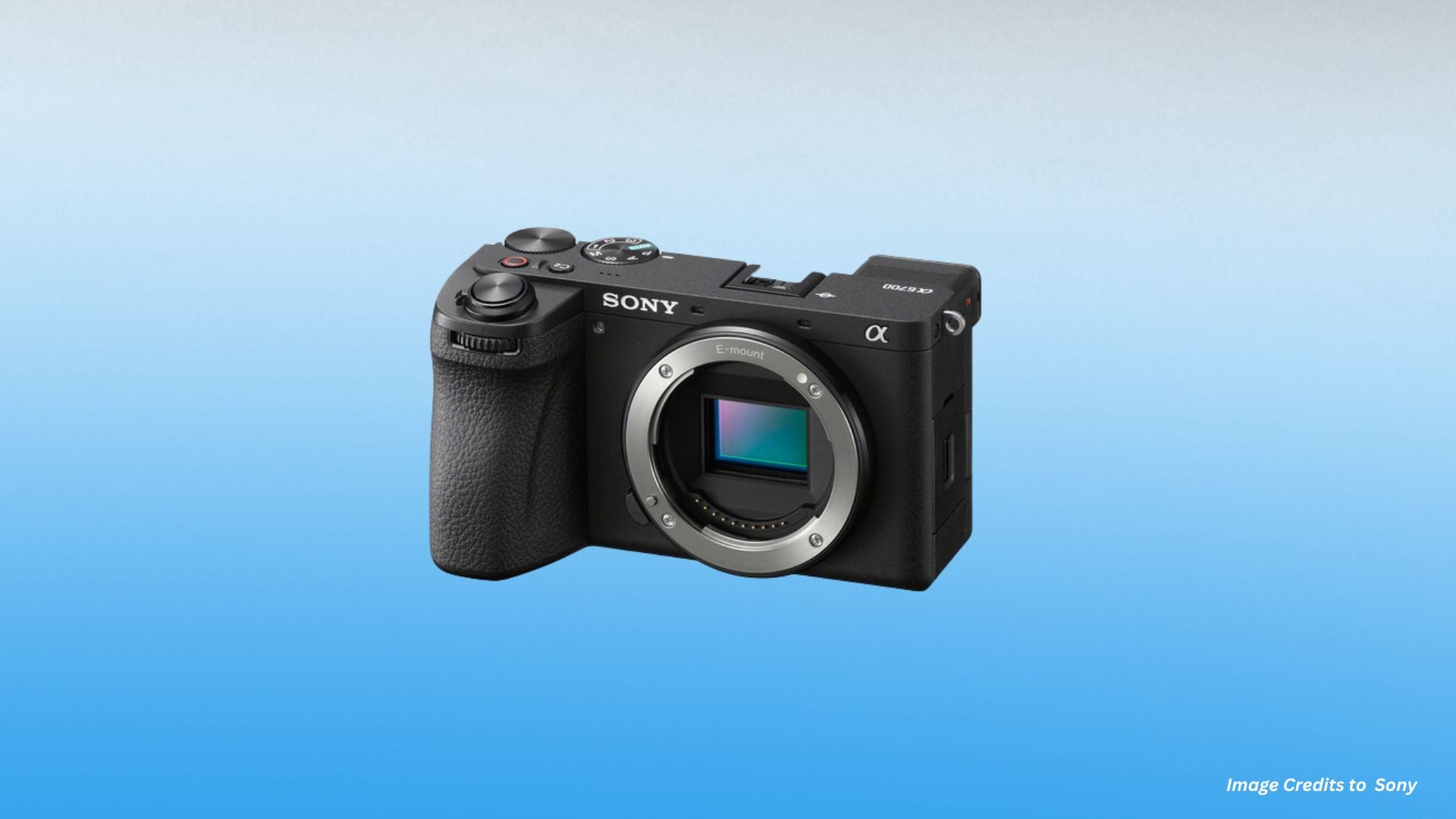
The Sony a6700 camera packs a 26-megapixel BSI CMOS sensor into a body weighing just 1.07 pounds. You get weather-sealing, in-body stabilization, and Sony’s BIONZ XR processor. A dedicated AI chip handles subject tracking and recognition.
The magnesium alloy body feels solid without adding extra weight. Every button gives firm feedback when you press it. The textured grip makes long shooting sessions comfortable. Weather-sealing keeps dust and moisture out during outdoor shoots.
Battery life impresses right out of the box. The NP-FZ100 battery delivers roughly 570 shots per charge using the LCD. Real-world use often beats these numbers significantly. USB-C charging means you can top up your camera anywhere.

Sony α6700 Specs
Sony packed significant upgrades into this model compared to its predecessors. The hardware improvements show up in real-world shooting, particularly for video work and fast-moving subjects.
Core Performance Numbers
The 26-megapixel resolution balances detail with manageable file sizes. You get 11 fps shooting with mechanical or electronic shutters. The autofocus system covers 93% of the frame with 759 phase-detection points for stills.
ISO range spans 100 to 32,000 natively, expandable to 50-102,400. Images stay clean through ISO 6,400 with acceptable noise at ISO 12,800. The dynamic range captures approximately 10.4 stops at base ISO.
Video Recording Capabilities
Video specs separate this camera from older Sony APS-C models. The Sony a6700 camera records 4K at 60fps from 6K oversampling. Push further and you get 4K at 120fps with a 1.58x crop. Internal 10-bit 4:2:2 recording gives you room for color grading.
The single UHS-II SD card slot handles data rates well. You need V90-rated cards for top bitrate video modes reaching 600 Mbps. The buffer clears fast after filling up.
Better Ergonomics Than Previous Models
Sony finally added a front command dial to the α6700. This marks the first time an a6000-series camera has dual command dials. You can now control aperture and shutter with finger and thumb simultaneously.
The grip grew larger and deeper than the α6600. Your hand wraps around it naturally with a solid indentation. The texture helps maintain grip in wet conditions. Hands of all sizes find comfortable purchase here.
Button placement shows real thought went into the design. The video record button moved to a more accessible spot. The dedicated AF-On button supports back-button focusing. Custom buttons let you set up your workflow preferences.
The fully articulating screen replaces the old tilting design. It flips out to the side and rotates fully for selfies and vlogging. The 3.0-inch touchscreen has 1.04 million dots resolution. Touch controls work throughout the whole interface for focusing, triggering the shutter, or navigating menus.
Sony a6700 Autofocus Performance
The autofocus system ranks among the camera’s best features. Real-time tracking with AI-powered subject recognition handles various subjects well. The system locks onto humans, animals, birds, insects, and vehicles reliably.
Subject Detection Modes
Face and eye detection beats most competitors at this price point. The camera tracks eyes even when subjects turn away. When eyes hide, it intelligently follows the head or body using human pose estimation. This transforms portrait photography workflows completely.
Animal detection deserves special mention here. Whether shooting pets or wildlife, tracking sticks to subjects firmly. Bird photographers will love how it handles fast-moving subjects against busy backgrounds.
Testing showed near-perfect results with approaching subjects at 11 fps. The camera maintained sharp focus with a 100% hit rate using a center point. Even with erratic movement in tracking tests, success stayed above 90%.
You cycle through detection modes with a dedicated button. Options include Human, Animal/Bird, Animal, Bird, Insect, Car/Train, and Airplane. Each mode tunes tracking algorithms for that subject type.
The missing joystick feels like a missed opportunity. Sony added a touchpad feature instead. You drag your finger on the screen while looking through the viewfinder. This works adequately but lacks the precision of a dedicated joystick.

Image Quality Analysis
The 26-megapixel sensor delivers excellent image quality across shooting situations. Files show plenty of detail with natural color reproduction. Sony’s JPEG processing produces attractive results straight from the camera with well-saturated blues and pinks.
RAW files give you substantial latitude for editing. Shadow detail stays clean when lifting exposure in darker areas. Highlight recovery works well within reasonable limits. The sensor’s dynamic range handles tricky lighting situations effectively.
Sharpness across the frame impresses when paired with quality glass. The Sony E 16-55mm f/2.8 G produces crisp results corner to corner. You can crop images heavily while maintaining acceptable quality.
The camera supports 10-bit HDR HLG still images in HEIF format. This gives you more color information for HDR displays. Color science stays accurate with slightly conservative rendering compared to competitors.
Noise stays controlled through mid-range ISOs. Base ISO images show minimal noise with smooth gradations. ISO 3,200 introduces visible noise but preserves good detail. High ISO from 12,800 up requires thoughtful consideration as noise reduction softens fine details.
Video Capabilities Deep Dive
Video specs separate this camera from older Sony APS-C models. The a6700 brings professional-level recording options that match what you’d find in cameras costing significantly more.
Recording Quality and Formats
Video performance pushes the Sony a6700 camera beyond typical enthusiast models. The 4K 60fps mode oversamples from the full 6K sensor width. This approach reduces aliasing and moire while maximizing detail.
Rolling shutter measures approximately 15.8ms in 4K modes at 24p, 30p, and 60p. This represents a massive improvement over the α6600’s roughly 40ms readout time. The 4K 120fps mode opens creative possibilities for dramatic slow motion with just a 1.58x crop.

Advanced Video Features
The camera records in XAVC format with multiple codec options including XAVC S (H.264), XAVC HS (H.265), and XAVC S-I for All-Intra recording. Internal 10-bit 4:2:2 recording delivers pro-grade footage without external recorders.
S-Log3 gamma curves capture a wide dynamic range for grading flexibility. The camera also supports HLG for HDR displays and multiple picture profiles including S-Cinetone. You can upload up to 16 custom LUTs in .cube format.
Auto Framing borrowed from the Sony ZV-E1 crops in and tracks your movement automatically. Solo creators will find this incredibly useful for talking-head content. You adjust crop level and tracking speed to fit your needs.
Active stabilization combines in-body image stabilization with digital correction. The 1.13x crop stays modest while delivering noticeably smoother handheld footage.
Autofocus during video recording performs flawlessly. Tracking maintains focus on moving subjects without hunting or pulsing. You can customize AF transition speed and sensitivity to match your shooting style.
The camera can overheat during prolonged recording sessions. Testing showed the first overheat warning appeared after about one hour of continuous 4K recording. For typical shooting with breaks between clips, overheating rarely becomes an issue.
Competition Comparison
The Sony α6700 review positions it against strong 2023-2024 rivals. The Canon EOS R7 offers higher 33-megapixel resolution and faster 15 fps mechanical shooting. However, the R7’s 4K 60fps mode either crops significantly or uses line-skipping that reduces quality.
Fujifilm’s X-S20 brings comparable features with attractive film simulation modes. The X-T5 steps up with 40 megapixels and faster burst rates. Sony’s autofocus tracking consistently outperforms Fujifilm’s system for fast-moving subjects though.
Comparing to Sony’s own full-frame a7C reveals interesting trade-offs. The a7C provides full-frame image quality with better low-light performance. The α6700 offers superior video specs, faster shooting, and a more advanced autofocus system.
Against the previous generation α6600, improvements clearly justify upgrading. The new processor, enhanced autofocus with AI subject detection, vastly improved video capabilities, and better ergonomics create a substantially more capable camera.

Menu System and Customization
Sony’s latest menu system represents a massive improvement. Color-coded categories help you locate settings quickly. The Main Menu acts as a home screen displaying frequently used settings for both photo and video modes.
My Menu lets you create a custom page with shortcuts to any settings you choose. The Fn menu provides another layer of customization. Between these options, you rarely need to dig through full menus.
Touch controls extend to menu navigation, making scrolling through options faster. The flexibility accommodates different working styles. Plan to spend time customizing the camera to your preferences for intuitive operation.
Real-World Performance Testing
Field testing across various scenarios demonstrates versatility. Street photography benefits from compact size and excellent autofocus tracking. The camera disappears in your hands while delivering professional results.
Wildlife shooting showcases the autofocus tracking capabilities perfectly. Birds in flight remain in focus consistently, even against cluttered backgrounds. The 11 fps burst rate captures action sequences effectively with a buffer allowing around 36 lossless compressed RAW shots.
Portrait sessions reveal strengths in controlled environments. Face and eye detection works flawlessly, letting you concentrate on composition. Shallow depth of field from fast primes separates subjects beautifully from backgrounds.
Event coverage proves the camera handles professional demands. Battery life supports all-day shooting without spare batteries. Image quality remains consistent across varying lighting conditions.
Lens Ecosystem Options
The Sony E-mount offers extensive lens choices. First-party Sony glass includes excellent options across all focal lengths. Third-party manufacturers like Sigma, Tamron, and Viltrox provide affordable alternatives.
Native APS-C lenses keep the system compact. The Sony E 16-55mm f/2.8 G provides excellent optical quality for everyday shooting. The E 70-350mm f/4.5-6.3 G OSS gives wildlife photographers serious reach affordably.
Full-frame E-mount lenses also work perfectly on the α6700. The 1.5x crop factor effectively increases focal length, which benefits telephoto applications significantly.
Prime lenses shine on this camera body. The Sigma 16mm f/1.4, 30mm f/1.4, and 56mm f/1.4 Contemporary series deliver exceptional image quality at reasonable prices.
Storage and Connectivity
The single SD card slot limitation concerns professionals shooting critical paid work. Card failure results in complete data loss. UHS-II support enables fast write speeds with the buffer emptying in about 3 seconds.
The relocated card slot on the side panel improves accessibility. Swapping cards remains possible even with the camera mounted on a tripod.
Wi-Fi connectivity supports both 2.4 GHz and 5 GHz bands. Sony’s Creators’ App handles file transfers to smartphones and remote control functions.
USB-C enables tethered shooting, charging, and power delivery. The camera also functions as a UVC/UAC webcam via USB-C without requiring additional software, supporting up to 4K at 30fps.

Who Should Buy the Sony α6700
Enthusiast photographers stepping up from entry-level cameras will find everything they need. The feature set supports growth without outgrowing the camera quickly.
Content creators benefit enormously from video capabilities. The combination of 4K 120fps, excellent autofocus tracking, and Auto Framing makes solo production entirely feasible.
Professional photographers seeking a compact backup or travel camera gain serious capability. Pairing it with compact prime lenses creates a powerful yet portable kit.
Videographers working in documentary, corporate, or event video find a capable tool here. Internal 10-bit recording and S-Log3 support provide professional options without external recorders.
Hybrid shooters splitting time between stills and video get the best of both worlds. The camera handles both disciplines with equal competence.
Should You Buy the Sony α6700?
The Sony α6700 specs combine to create one of the most capable APS-C cameras available in 2025. Sony addressed nearly every weakness from previous a6000-series models. The front command dial alone transforms the shooting experience.
Image quality meets expectations for the APS-C sensor size. The autofocus system with AI-powered subject detection sets the standard. Video capabilities rival cameras costing significantly more with true 4K 120fps recording.
The single card slot remains the most significant limitation for professional work. The small 2.36 million dot viewfinder doesn’t match the comfort of larger cameras.
According to DPReview’s comprehensive testing, the α6700 earned a gold award rating of 88%. Their analysis confirms that features, performance, and image quality justify the price point.
Price positioning at $1,399 body-only places it competitively against rivals like the Canon EOS R7 and Fujifilm X-T5. This camera brings technology typically reserved for more expensive full-frame models.
The Sony α6700 camera represents the culmination of Sony’s decade-long APS-C development. Whether upgrading from an older a6000-series model or entering the Sony ecosystem fresh, this camera delivers exceptional value for both stills and video work.
See more from DIYPhotography.net on Google
Add DIYPhotography.net as a trusted source. This makes
our stories more likely to appear in your Google Search results.
 Add as a preferred source on Google

Darlene Lleno
Darlene Lleno brings a unique perspective to DIY Photography as someone who grew up surrounded by camera gear but chose words over lenses. With five years of writing experience, she specializes in photography content that’s both technically informed and genuinely passionate. Growing up with a photographer twin brother meant camera talk was everyday conversation in her household. While he mastered capturing moments, Darlene discovered she preferred being the subject and the storyteller behind the scenes. As a travel enthusiast and mother of two, she understands the importance of preserving life’s precious moments. When not exploring new destinations or writing for DIY Photography, you’ll find her reading or tending to her garden. Her approach to photography writing is refreshingly authentic, she may not be behind the camera, but she knows exactly what it takes to help others capture the shots that matter most.




Join the Discussion
DIYP Comment Policy
Be nice, be on-topic, no personal information or flames.