





















How Wearing Strong Prescription Glasses Changed How I Photograph
Jan 15, 2026
Alysa Gavilan
Alysa Gavilan has spent years exploring photography through photojournalism and street scenes. She enjoys working with both film and mirrorless cameras, and her fascination with the craft has grown over the decades. Inspired by Vivian Maier, she is drawn to capturing everyday moments that often go unnoticed.
Share:
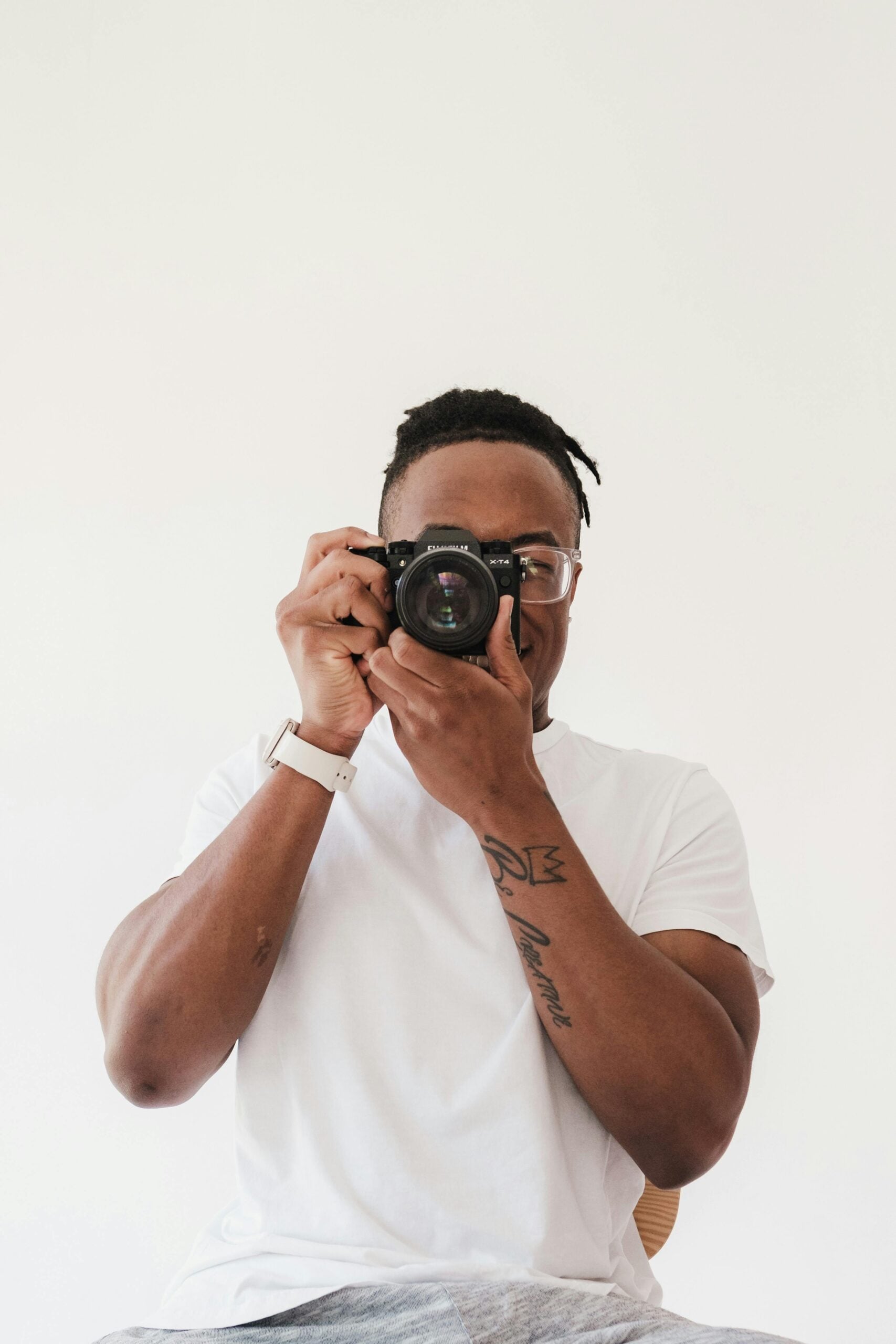
Learning how to photograph while wearing strong prescription glasses was not something I expected to shape my creative process, but it quietly did.
I remember the first time I pressed my camera to my face during a shoot and realized I could not see the entire frame at once. The edges were cut off by my lenses, the viewfinder data looked soft, and I kept pulling the camera away to double-check what I had just photographed.
When you rely heavily on corrective glasses, seeing through a camera stops being a purely technical step and becomes a physical experience. It affects how you frame, how you focus, and how confident you feel pressing the shutter.
At first, the frustration was constant. Over time, those limitations forced me to slow down, adapt, and become more aware of how I actually see. That process, unexpectedly, made me a more thoughtful photographer.

The Initial Struggle Behind the Viewfinder
The first challenge was physical comfort. Viewfinders are not designed with thick glasses in mind. Pressing your frames against a rubber eyecup can feel awkward, and achieving a full view of the frame is often difficult. Corners appear clipped, information displays blur, and small adjustments feel harder than they should.
There was also a sense of uncertainty. You wonder if what you see through the viewfinder matches what the camera records. That doubt can slow you down and make you second guess decisions. For a while, I compensated by shooting more frames than necessary, hoping one would match what I intended.
Learning to Use Diopter Adjustment Properly
One of the most important lessons came from understanding the diopter adjustment on the camera. Many photographers overlook this small control, but it matters greatly if you wear glasses. Adjusting it correctly can sharpen viewfinder information and reduce eye strain.
I learned to fine tune the diopter while wearing my glasses and then experiment without them. This process helped me understand how my vision interacts with the viewfinder. For some situations, shooting without glasses became possible. For others, keeping them on was still necessary.
This step alone made shooting more comfortable and improved confidence in what I was seeing.
Switching Between Viewfinder and Screen
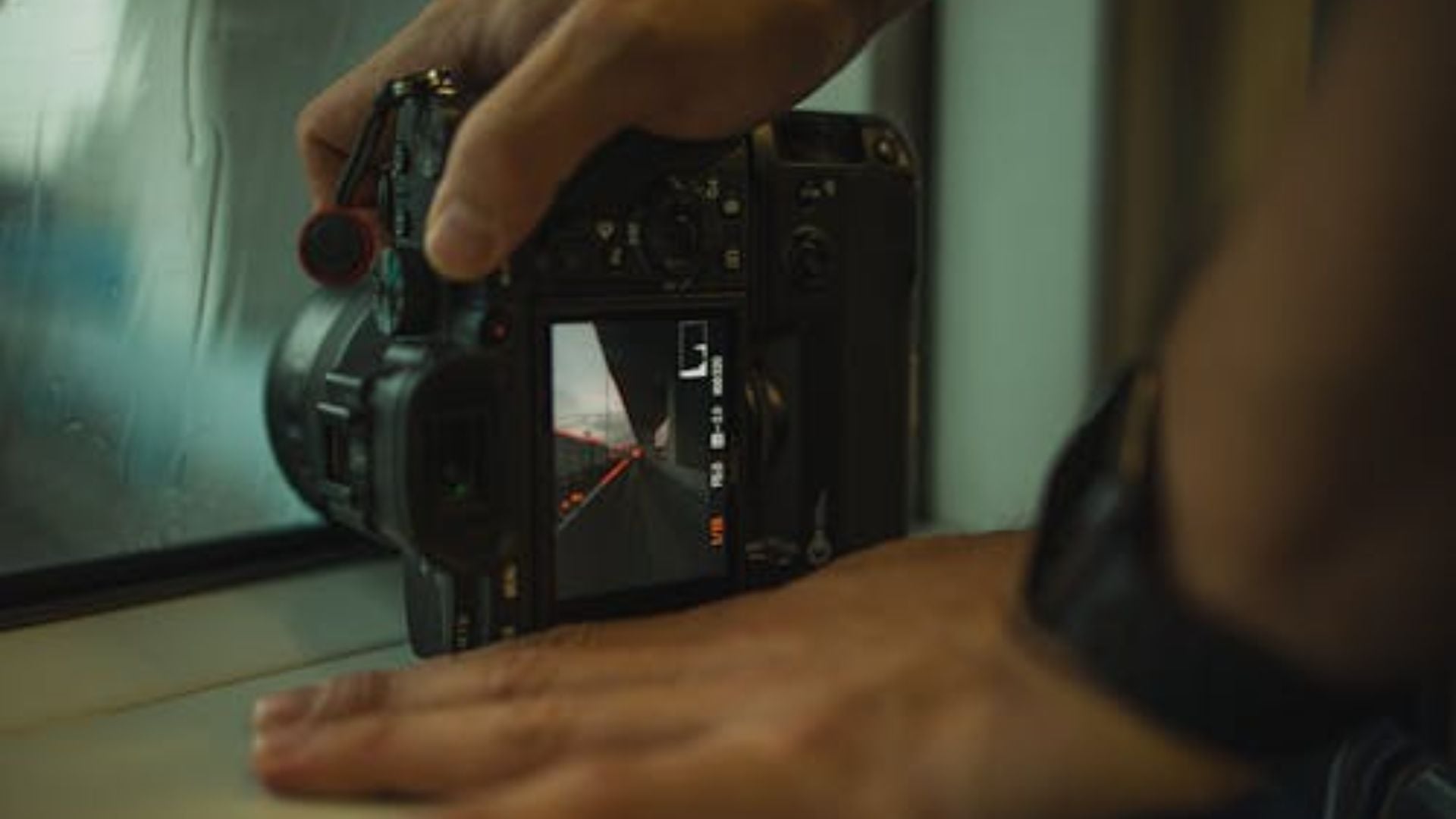
Relying only on the optical or electronic viewfinder was limiting. Using the rear screen became an important alternative. Live view allows you to see the entire frame clearly without pressing your glasses against the camera.
For careful composition or tripod work, the screen offered a more relaxed experience. It also helped confirm focus and exposure when the viewfinder felt unreliable. Over time, I learned to switch fluidly between both methods, choosing the one that suited the situation.
This flexibility reduced frustration and made shooting feel less physically demanding.
Managing Focus and Depth Perception
Strong prescription glasses can affect depth perception, especially at close distances. Manual focus was particularly challenging at first. What looked sharp to my eyes did not always translate to the sensor.
To adapt, I relied more on focus confirmation tools. Focus peaking, magnification, and autofocus point feedback became essential. Instead of trusting my eyesight alone, I learned to trust the camera’s tools.
This approach improved consistency. It also made me more attentive to focus decisions, rather than assuming sharpness.

Composing Without Pressing Too Hard
One subtle issue was pressure. Pressing the camera too firmly against my glasses introduced discomfort and sometimes minor framing shifts. Learning to hold the camera more gently made a difference.
I adjusted my stance and grip so the camera rested steadily without strain. Small ergonomic changes reduced fatigue during long shoots and helped maintain concentration.
Comfort matters more than many photographers realize. When physical discomfort fades, mental focus improves.
Embracing Slower, More Deliberate Shooting
Wearing strong glasses naturally slowed my pace. I could not rush through compositions or quickly check focus without thought. Initially, this felt like a disadvantage. Over time, it became a strength.
I began to slow down and consider each frame more carefully. Composition choices became intentional. Light and timing mattered more. This deliberate approach improved image quality and reduced wasted shots.
You may find that physical limitations encourage better habits rather than holding you back.
Gear Choices That Made a Difference
Some gear choices helped simplify the experience. Larger viewfinders were easier to work with. Cameras with clear electronic displays reduced eye strain. Lenses with reliable autofocus systems became more practical for everyday use.
I also paid attention to eyecups and viewfinder accessories. Small adjustments improved comfort and visibility without major investment.
Choosing tools that support your needs is part of working smarter.
Building Confidence Through Practice
Confidence did not come instantly. It grew through repetition and familiarity. The more I shot, the more predictable my results became. I learned what to trust and when to double check.
Reviewing images carefully helped bridge the gap between what I saw and what the camera captured. Over time, that gap narrowed. This taught me that photography is really more about understanding how you see and working within those limits.
Learning to photograph while wearing strong prescription glasses taught me more than technical adjustments. It reinforced the importance of patience, adaptability, and self awareness. Instead of fighting limitations, I learned to work with them.
If you face similar challenges, know that they do not define your potential. With the right tools, thoughtful habits, and willingness to adapt, your vision can become an asset rather than an obstacle. Photography has room for many ways of seeing, and yours is valid.
See more from DIYPhotography.net on Google
Add DIYPhotography.net as a trusted source. This makes
our stories more likely to appear in your Google Search results.
 Add as a preferred source on Google

Alysa Gavilan
Alysa Gavilan has spent years exploring photography through photojournalism and street scenes. She enjoys working with both film and mirrorless cameras, and her fascination with the craft has grown over the decades. Inspired by Vivian Maier, she is drawn to capturing everyday moments that often go unnoticed.
Related Posts
 How street photography changed my lifestreet photography changed my lifeHow street photography changed my life
 How to avoid glare when shooting portraits of people wearing glasses
 Wearing Smart Glasses in Uniform? The US Air Force Says Think Again
 How to create a strong focal point and manage attention inside your photographs
Join the Discussion
DIYP Comment Policy
Be nice, be on-topic, no personal information or flames.