

















These are the Best and Worst U.S. States for Astrophotography in January
Jan 2, 2026
Dunja Đuđić Kalinin
Dunja Djudjic is a multi-talented artist based in Novi Sad, Serbia. With 15 years of experience as a photographer, she specializes in capturing the beauty of nature, travel, concerts, and fine art. In addition to her photography, Dunja also expresses her creativity through writing, embroidery, and jewelry making.
Share:
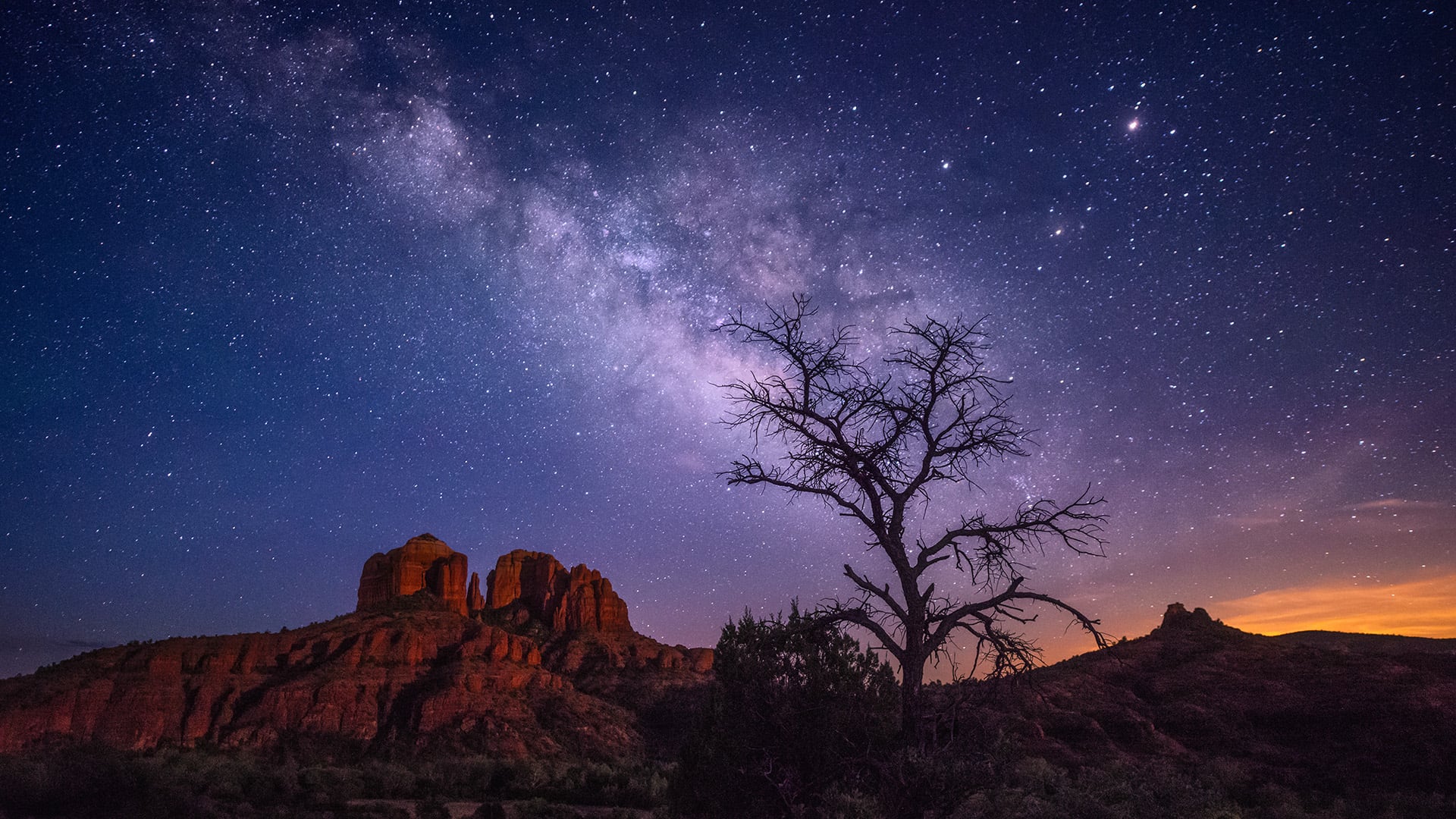
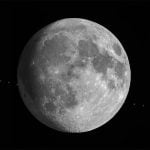
With the Wolf Moon rising on January 3 and the Quadrantid meteor shower peaking just a day later, astrophotographers are in for a treat. But not everyone will get the same view. A new study from The Action Network ranks all 50 U.S. states on how likely they are to offer clear skies in January. The results show it’s not just about the weather, you have to count in the light pollution and other factors, too.
The study analyzed 10 different factors, from cloud cover and air quality to elevation and light pollution. Some states offer nearly perfect conditions. Others? Not so much.
Why January?
“January is one of the best months of the year for night-sky watching,” said a spokesperson from The Action Network, “but conditions vary widely depending on where you are.”
“In our study, we evaluated all 50 states using 10 metrics that capture what truly affects visibility, from darkness and weather to air clarity and real-world observations.
The results show clear regional patterns, with northern and high-elevation states offering significantly better odds of seeing January’s major celestial events than lower-elevation, more humid, and heavily light-polluted regions.
So Where Should You (Not) Go?
According to the study, “northern and high-elevation states offer significantly better odds of seeing January’s major celestial events than lower-elevation, more humid, and heavily light-polluted regions.” This puts Alaska in the first place, and Florida is dead last.
Alaska gets the victory because it offers “the nation’s darkest skies” with 99.22% estimated dark-sky coverage and “the longest stretches of true nighttime” with 11.96 hours per night, the study reads. There’s also “almost no artificial glow competing with stars,” aka the light pollution is very low. Alaska is followed by Colorado, Wyoming, Montana, and New Mexico.
On the opposite side of the spectrum, Florida offers low elevation, high humidity, and frequent cloud cover, which makes January skywatching quite challenging. Delaware, New Jersey, Indiana, and Ohio are not far behind either.


Dunja Đuđić Kalinin
Dunja Djudjic is a multi-talented artist based in Novi Sad, Serbia. With 15 years of experience as a photographer, she specializes in capturing the beauty of nature, travel, concerts, and fine art. In addition to her photography, Dunja also expresses her creativity through writing, embroidery, and jewelry making.
Join the Discussion
DIYP Comment Policy
Be nice, be on-topic, no personal information or flames.