

















Is Color Science Really Important if You Shoot RAW?
May 24, 2026
Dunja Đuđić Kalinin
Dunja Djudjic is a multi-talented artist based in Novi Sad, Serbia. With 15 years of experience as a photographer, she specializes in capturing the beauty of nature, travel, concerts, and fine art. In addition to her photography, Dunja also expresses her creativity through writing, embroidery, and jewelry making.
Share:
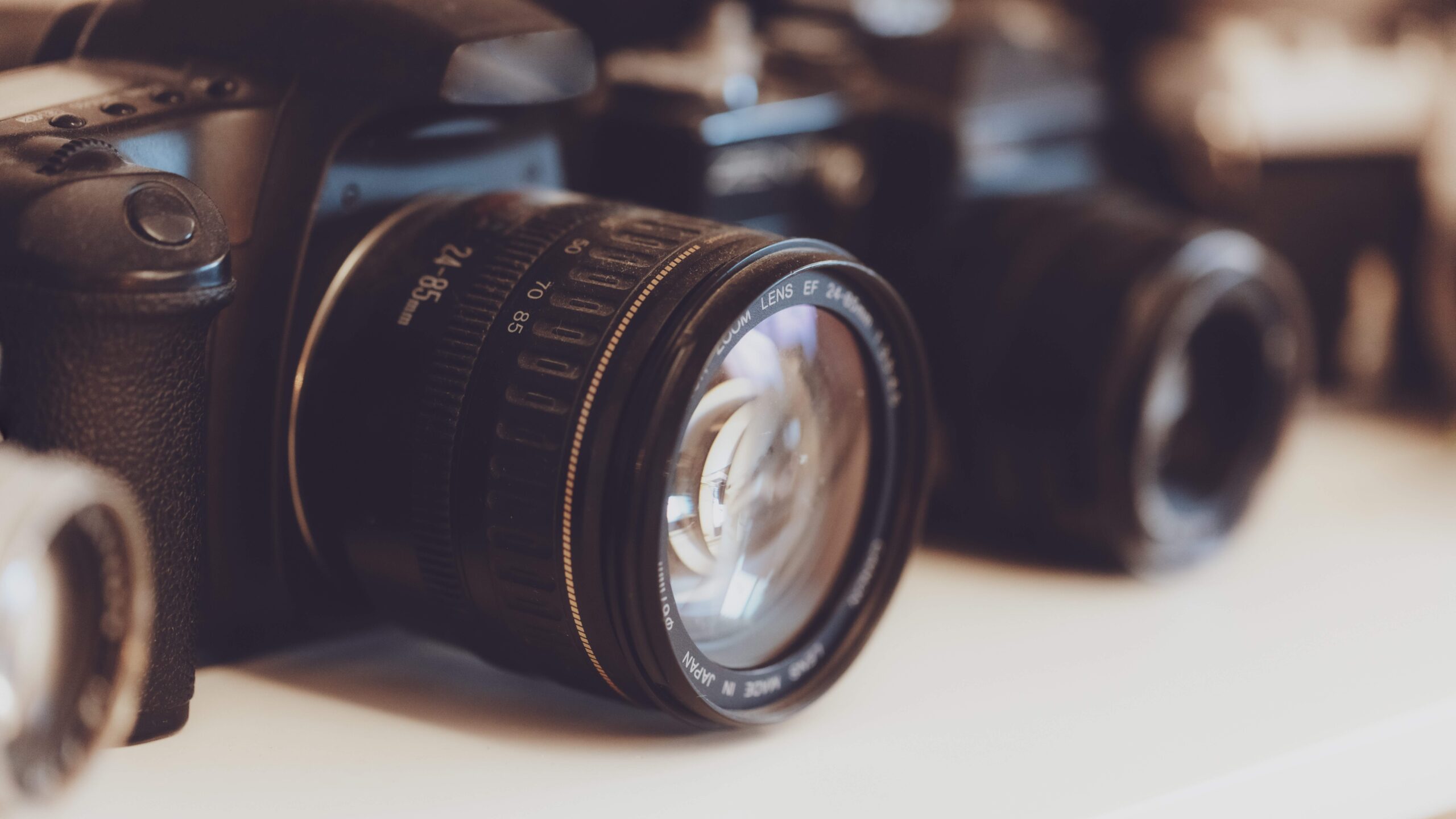
Spend enough time among photographers, and you’ll inevitably stumble into heated debates about which camera brand has the best colors. I’ve always heard that about Canon, and Fujifilm and Leica fans insist there’s something almost magical about their cameras’ color science. In a recent video from James Popsys, he puts this idea to the test in a pretty direct way. He sets out to show that when shooting RAW, no camera brand is doing anything particularly special.
And here’s what makes his take interesting: James currently shoots with both a Fuji and a Leica. So, he’s not dismissing these cameras, but loves them both. He just doesn’t think their color science is the reason to buy them.
The Myth of the Secret Color Palette
James’s core argument is straightforward. Camera brands don’t have access to some exclusive, proprietary color magic that their competitors can’t replicate. And there’s a simple reason for that: they’re all operating within very tight constraints. Every brand’s output has to land within a relatively narrow, realistic range.
To put this to the test, James shoots the same scenes with a Sony, a Leica, and a Fuji, then sits down in Lightroom to see how closely he can match the files to one another. The comparisons aren’t perfectly scientific. The shots were taken a minute or two apart, the framing varies slightly, and the exposure and white balance are often off. But that’s actually part of the point. Even with all that variability, the color differences between the cameras turn out to be far less dramatic than the debates would suggest.
Your North Star in Post
The most revealing moment comes when James steps back from the technical process and talks about how he actually approaches editing. He mentions that when he sits down to work on his photos, he has what he calls a north star. In other words, he knows how he wants his images to look, and he’ll keep editing until he gets there, regardless of which camera produced the file.
And that’s what’s most important here, especially if you shoot exclusively RAW. It gives you plenty of room room for playing with editing, and your preferences and style stay with you from camera to camera. The RAW file is just the starting point.
So Why Buy a Particular Camera?
James is clear that he thinks there are genuinely good reasons to invest in a specific camera. Color science just isn’t one of them. For him, and I tend to agree, it all comes down to ergonomics and how a camera makes you feel when you pick it up. I’d also add your own needs and preferences, or even brand loyalty (I’m switching from Nikon DSLR to Nikon mirrorless, I’m a lost cause).
For James, a real test for a camera is whether it nudges him out the door on days when he’s on the fence about shooting. A camera you enjoy holding, one that excites you a little, is one you’ll actually use. And the photos you get on those days might have skipped definitely have nothing to do with color science.
[The Colour Science Myth… (If you shoot RAW) | James Popsys]
See more from DIYPhotography.net on Google
Add DIYPhotography.net as a trusted source. This makes
our stories more likely to appear in your Google Search results.
 Add as a preferred source on Google

Dunja Đuđić Kalinin
Dunja Djudjic is a multi-talented artist based in Novi Sad, Serbia. With 15 years of experience as a photographer, she specializes in capturing the beauty of nature, travel, concerts, and fine art. In addition to her photography, Dunja also expresses her creativity through writing, embroidery, and jewelry making.
Related Posts
 Quasar Science launches their new “Advanced Color Science” Rainbow Series RGBX tube LED lights
 This eclipse photo shows why dynamic range and shooting RAW are important
 Use Color Burn and Color Dodge to quickly add color and contrast to your photos
 Learn the Color of Color: Mastering the Art of Color Photography
Join the Discussion
DIYP Comment Policy
Be nice, be on-topic, no personal information or flames.