
















DSLR film scanning on a budget: Stunning results with a cheap enlarger lens
Nov 14, 2024
Markus Hofstätter

John Aldred is a photographer with over 25 years of experience in the portrait and commercial worlds. He is based in Scotland and has been an early adopter – and occasional beta tester – of almost every digital imaging technology in that time. As well as his creative visual work, John uses 3D printing, electronics and programming to create his own photography and filmmaking tools and consults for a number of brands across the industry.
Share:
You can fall into a huge rabbit hole if you read about scanning negatives with your mirrorless or DSLR camera. Lots of people recommend different lenses. You can easily spend €1000+ for a macro lens that will disappoint you when scan your negatives.
In my last DSLR (or mirrorless) Scanning video/article, I got some hints to use an enlarger lens, or even one of the more expensive Macro lenses that look like enlarger lenses. So I looked in my cabinet and found a Rodenstock Rodagon 80mm F 4.0 from my Durst enlarger.

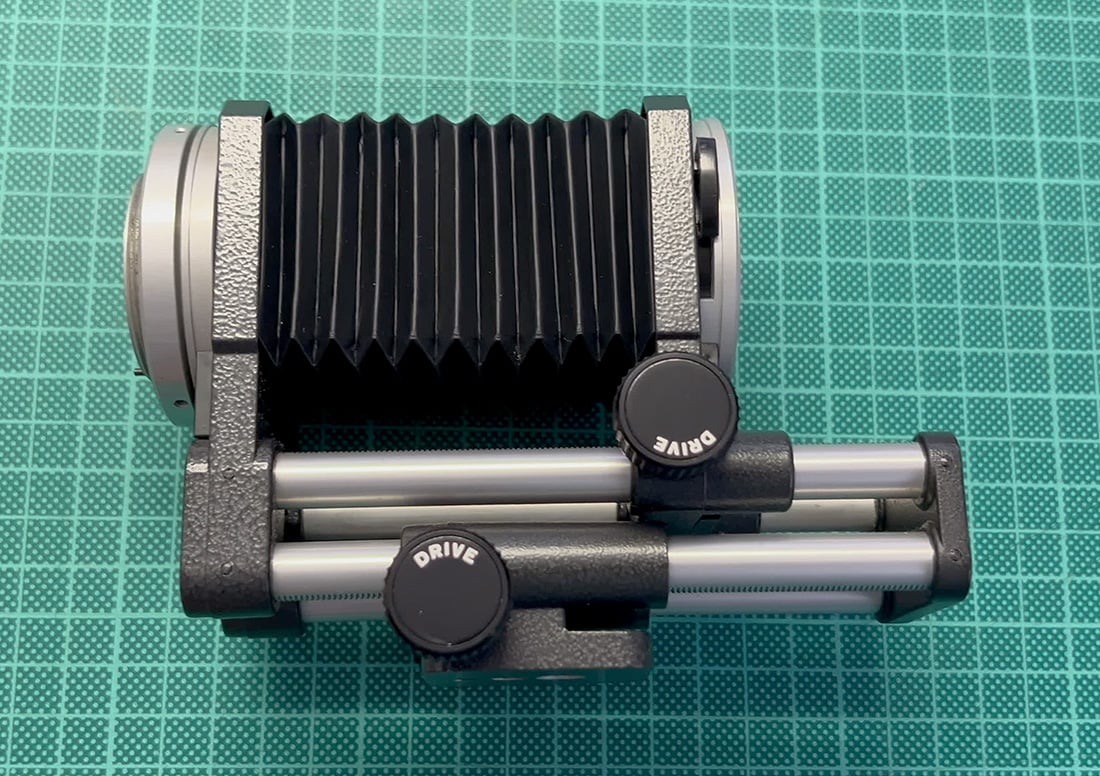
To use this lens on my Leica M11, I needed a bellows. I bought myself an old used Novoflex Bellow for about €45. It’s very precise and easy to use
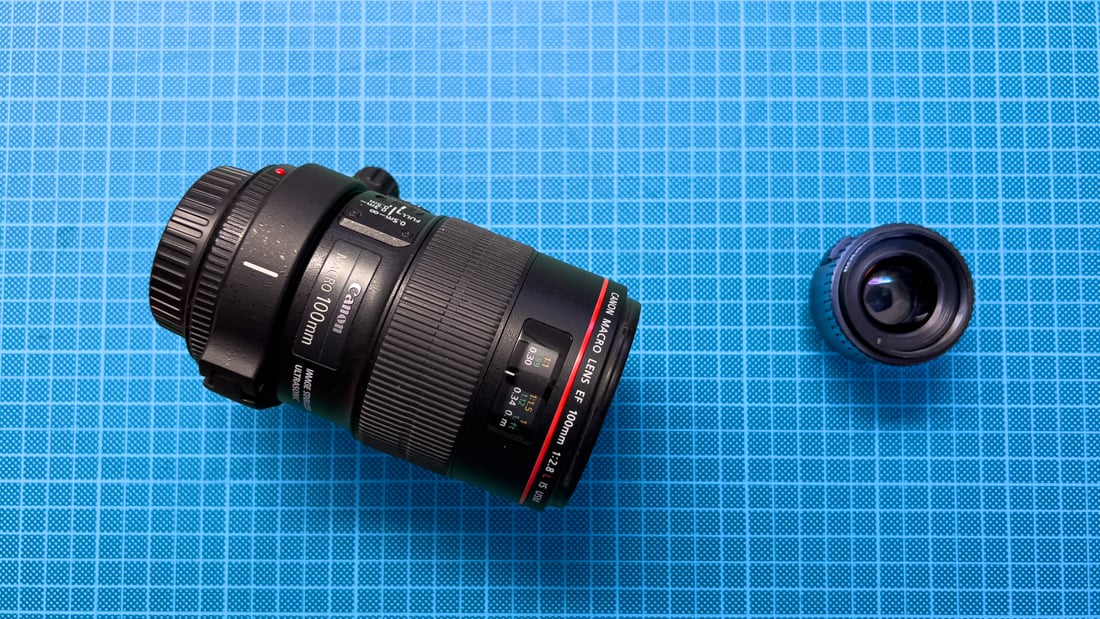
The lens I used to scan my negatives before was the Canon EF 100mm F/2.8L Macro IS USM ($1,099). This is a very sharp and great lens, I love it even for portraits on my Canon 5D MK IV ($1,799). But it has its downsides for scanning negatives. The corners are always soft.
The Rodenstock lens is made to project images on flat surfaces. That’s why it performs that well with negative scanning.
Film-wise, I waited to develop a roll that I used for reportage images that will be part of my inspired series book. With that project, I portray people with the wet collodion process who are inspiring. You can watch my video about it here.
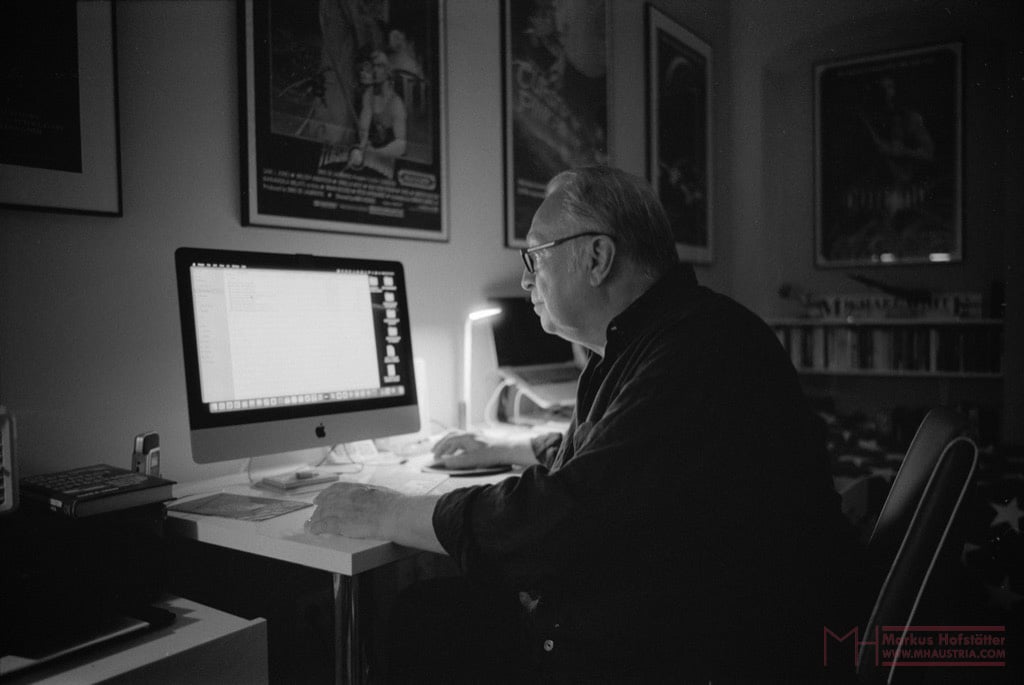
First, I tested different stops to see what will be the best one for scanning negatives with my Leica M11 ($8,995). It’s kind of a Leica inception, because I scan my Leica M2 negatives with my M11.
Now let me show you why I chose F8 for that lens.
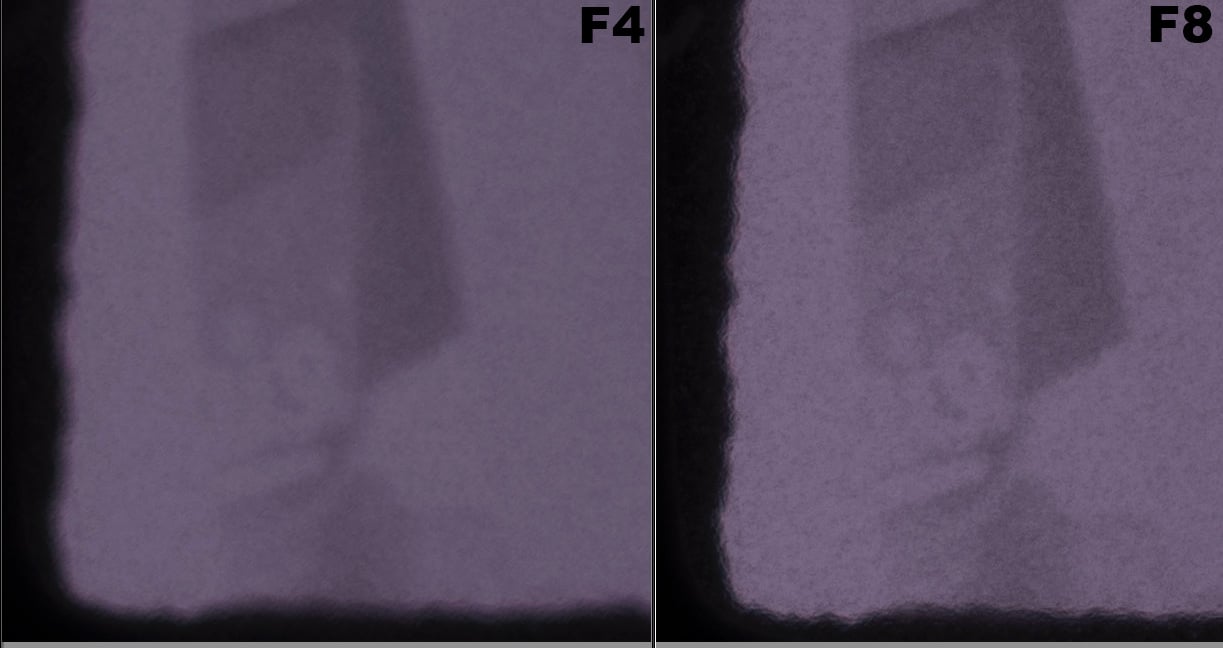
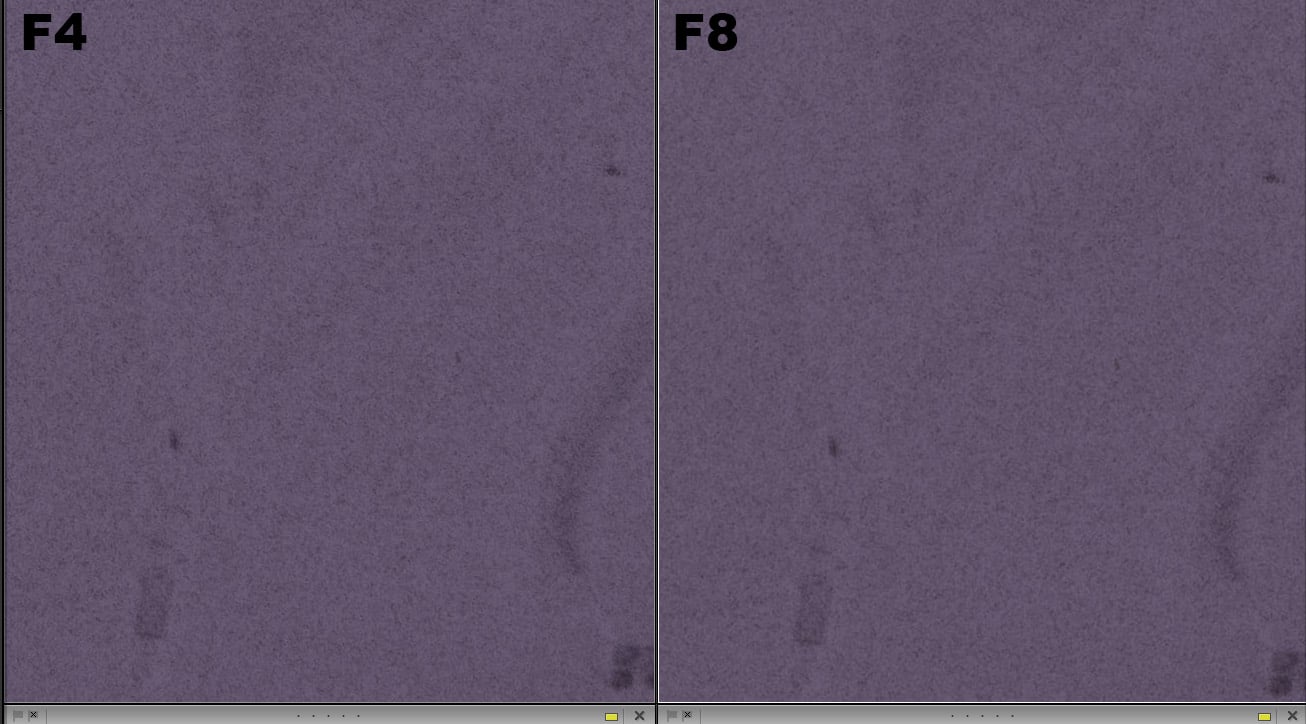
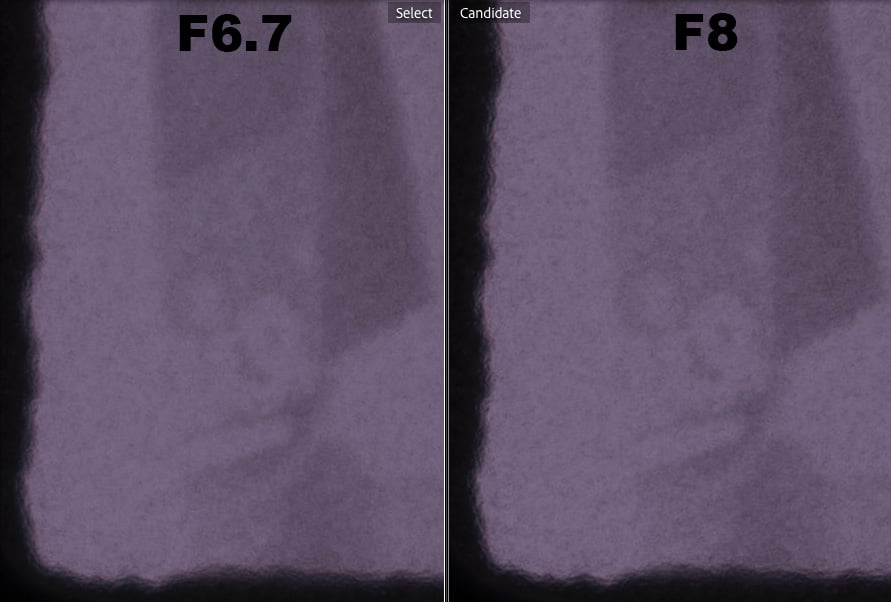
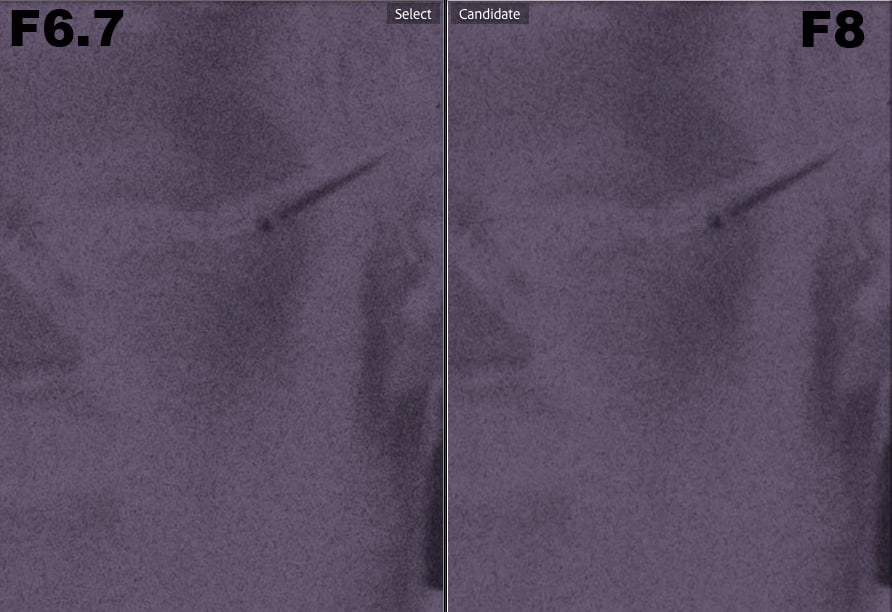
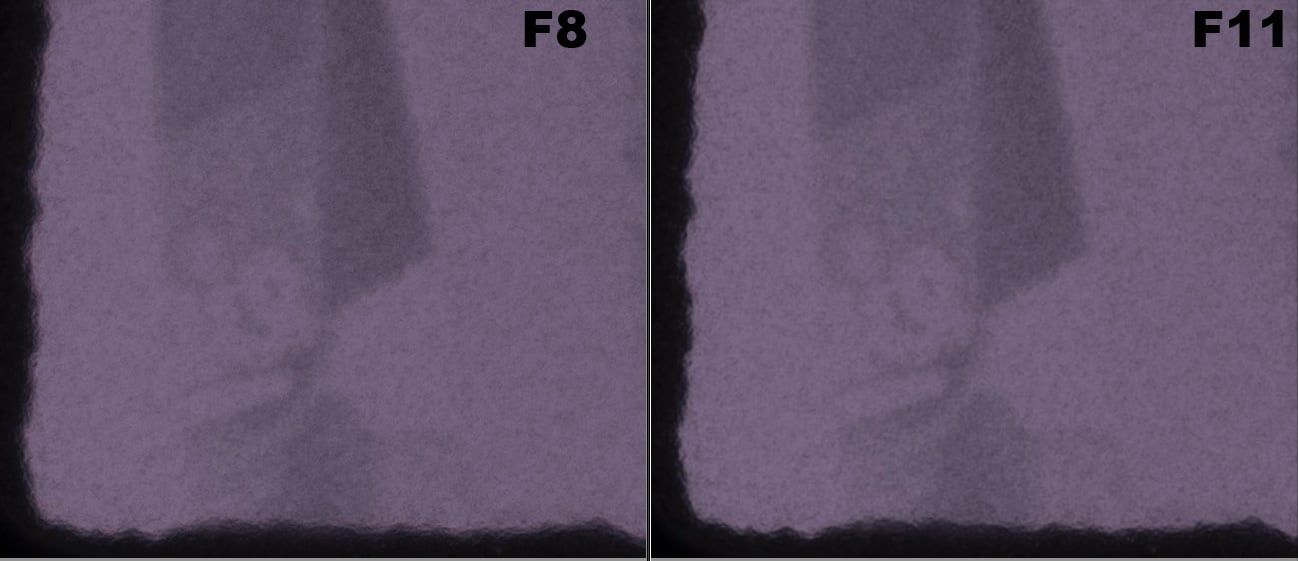
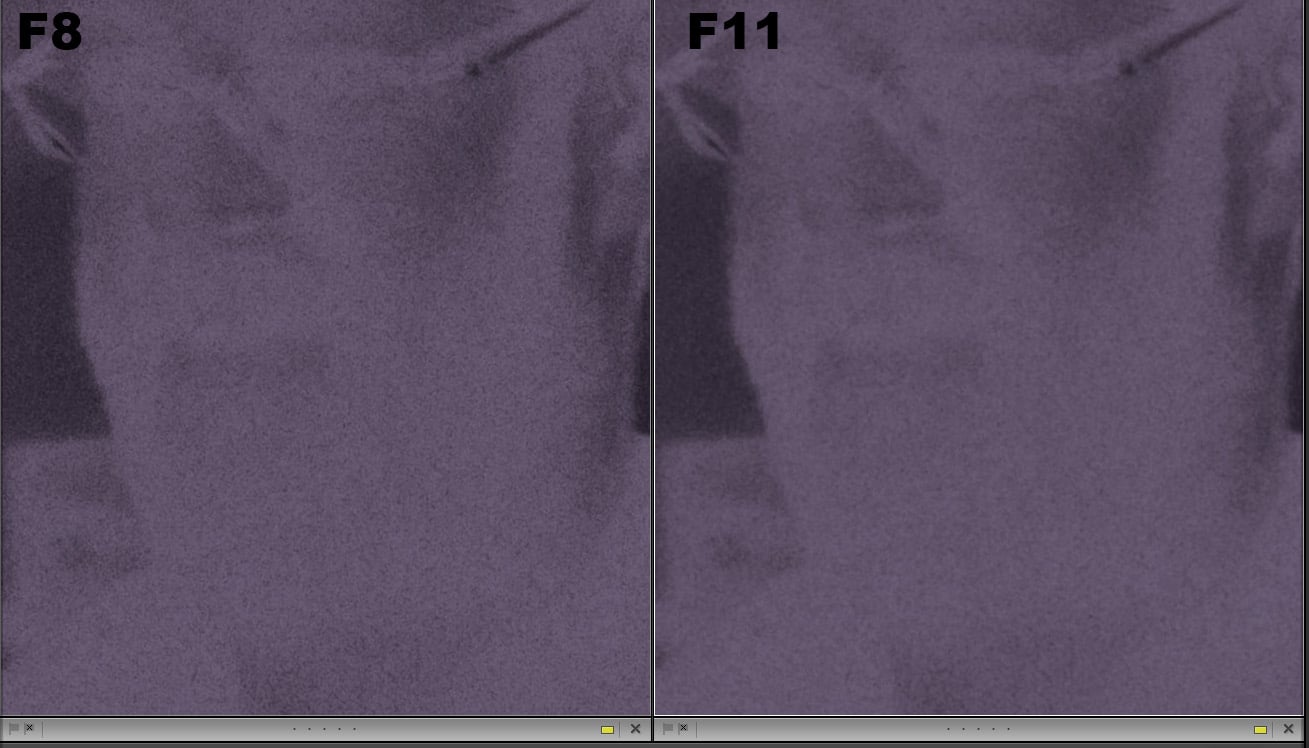
Ok, now, after I came to the conclusion that F8 is the way to go, I compared the Rodagon lens with the 100mm Canon macro. Before that, I tested also the Canon lens with different apertures to find the cleanest.
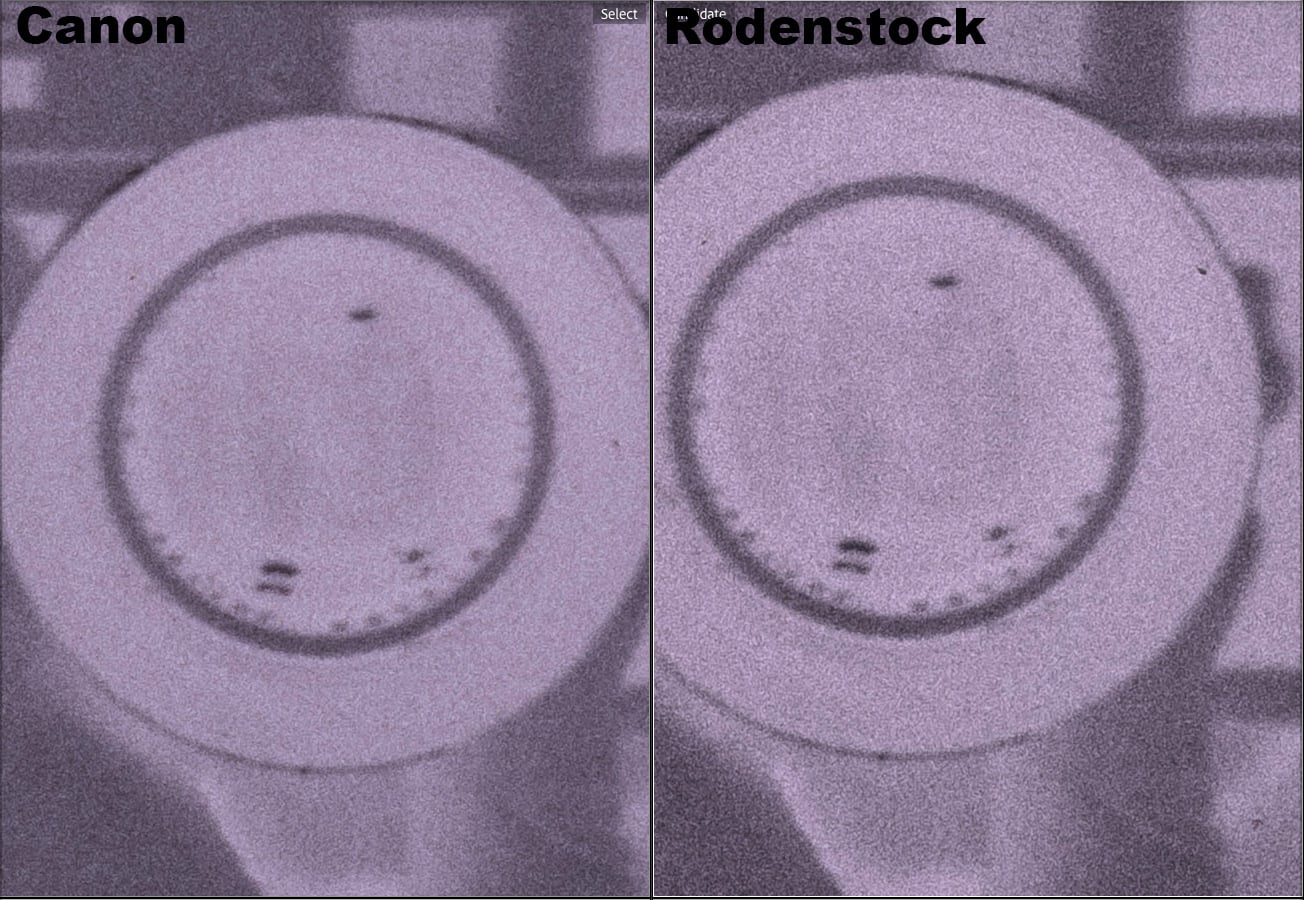
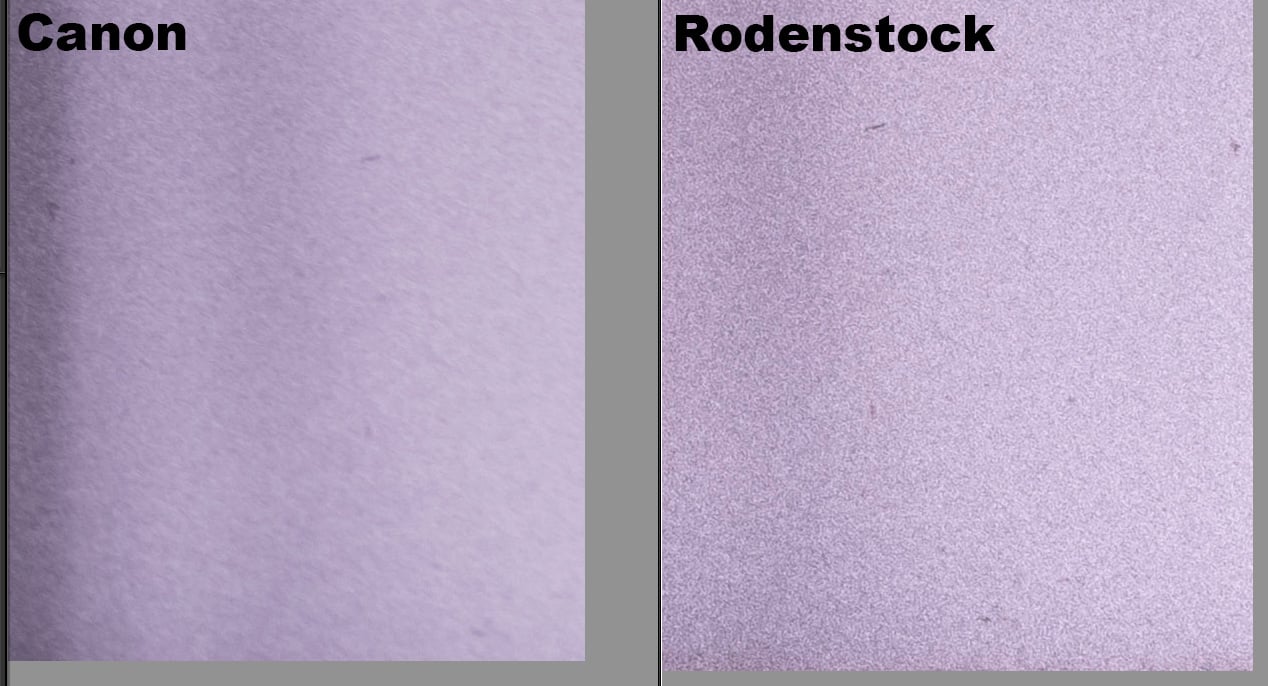
The Rodenstock Rodagon 80mm F4 is a wonderful lens for scanning negatives, it’s cheap, sharp and small. But honestly, it all depends with what you want to do with your scanned negatives. If you just want to post on social media. Use the lens that you have and maybe buy some extension rings. Or spend about €100 and get this great combination.
I hope I could help some of you with this article. Here are some more examples scanned with the Rodenstock lens.


See more from DIYPhotography.net on Google
Add DIYPhotography.net as a trusted source. This makes
our stories more likely to appear in your Google Search results.
 Add as a preferred source on Google

About Markus Hofstätter
Markus Hofst├ñtter is a professional portrait, events, and sports photographer based in Austria. He has a passion for analog and wet plate photography. He loves traveling to visit new places and meeting new people. You can find out more about him on his website or blog, follow his work on Instagram or Facebook, or reach out to him through Twitter. YouÔÇÖll find his prints here, some awesome merch here, and you can support him on Buy Me a Coffee and Patreon. This article was also published here and shared with permission
We love it when our readers get in touch with us to share their stories. This article was contributed to DIYP by a member of our community. If you would like to contribute an article, please contact us here.




Join the Discussion
DIYP Comment Policy
Be nice, be on-topic, no personal information or flames.