






















DIY Smartphone Tripod: Creative Hacks for Perfect Stability
Oct 13, 2025
Darlene Lleno
Darlene Lleno brings a unique perspective to DIY Photography as someone who grew up surrounded by camera gear but chose words over lenses. With five years of writing experience, she specializes in photography content that’s both technically informed and genuinely passionate. Growing up with a photographer twin brother meant camera talk was everyday conversation in her household. While he mastered capturing moments, Darlene discovered she preferred being the subject and the storyteller behind the scenes. As a travel enthusiast and mother of two, she understands the importance of preserving life’s precious moments. When not exploring new destinations or writing for DIY Photography, you’ll find her reading or tending to her garden. Her approach to photography writing is refreshingly authentic, she may not be behind the camera, but she knows exactly what it takes to help others capture the shots that matter most.
Share:
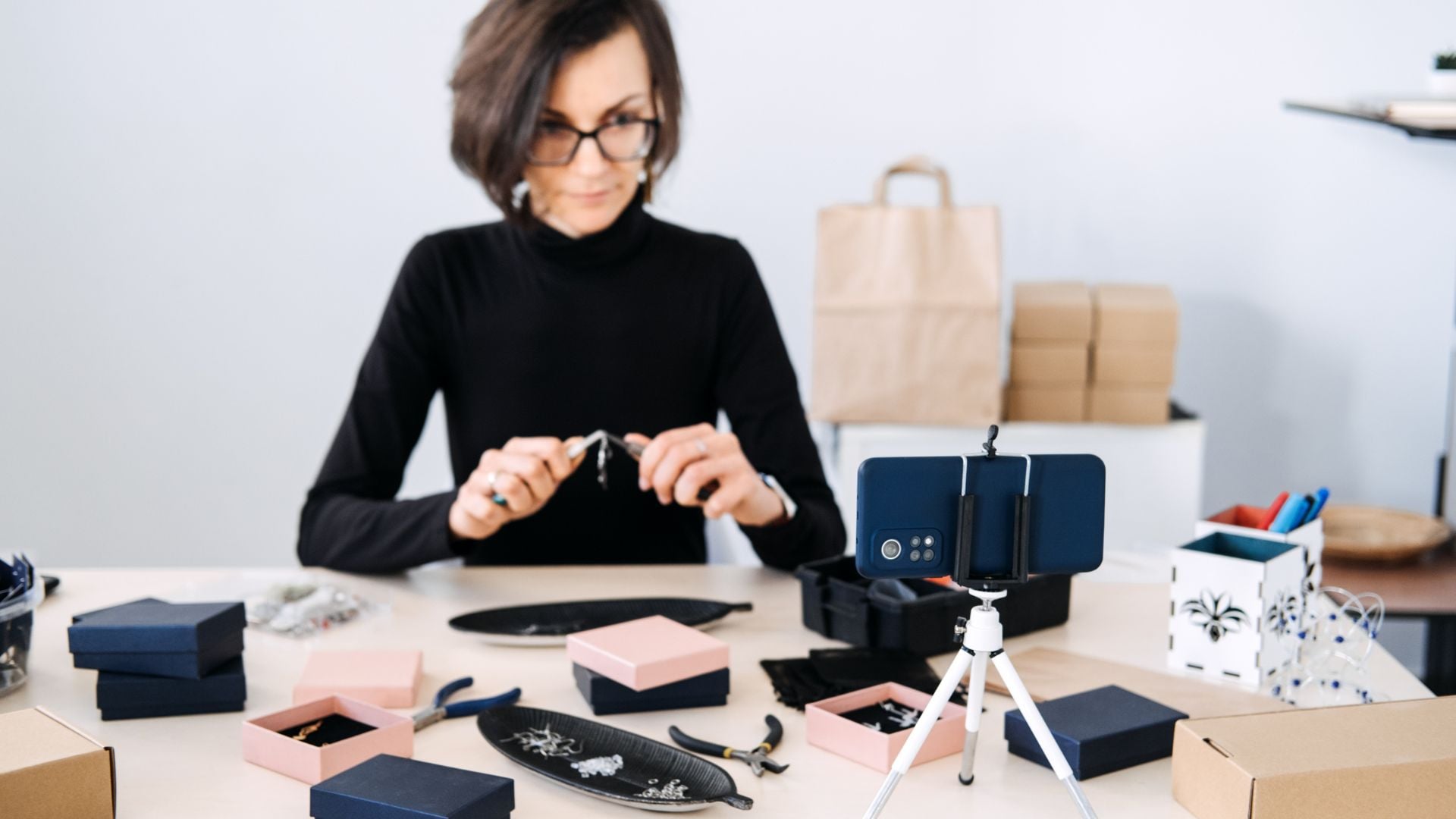
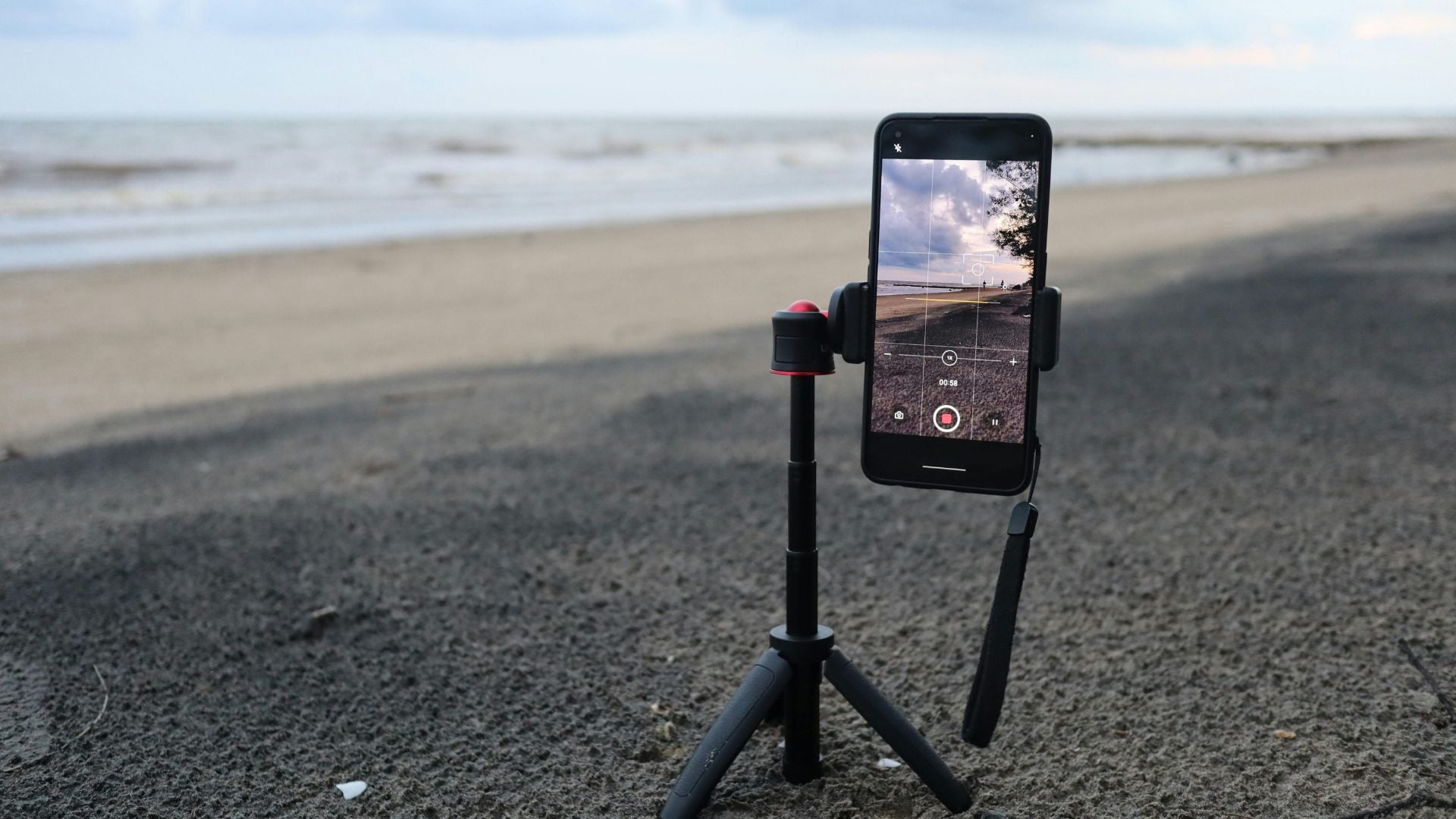
A DIY smartphone tripod turns shaky handheld shots into pro-quality photos and videos. Your phone’s camera gets better every year. Even the best image stabilization can’t beat solid physical support. Modern smartphones in 2025 pack amazing camera tech. They still face the same basic physics problem that photographers have dealt with forever. Movement creates blur.
Building your own smartphone tripod costs almost nothing compared to buying commercial options. Most solutions use everyday items you already have at home. These makeshift supports work just as well as expensive gear for many situations. The key is understanding what makes shot stability work and applying those principles creatively.
Pro photographers have known for decades that stable support separates amateur from professional results. Shot stability becomes even more important with smartphones. These devices are lighter than traditional cameras. Light weight means they pick up vibrations more easily. Your breathing, heartbeat, and tiny hand movements all transfer directly to the camera.
Read more: DIY Smartphone Tripod: Creative Hacks for Perfect StabilityShot Stability Fundamentals
Shot stability depends on several factors working together to eliminate camera movement during exposure. Physics governs how vibrations travel through different materials and structures. Understanding these principles helps you build better DIY smartphone tripod solutions.
Weight distribution plays a major role in creating stable support systems. Professional tripods use heavy materials and wide leg spreads. Your DIY smartphone tripod needs to follow the same principles on a smaller scale. The support base must be wider than the camera itself. Adding weight to the base improves stability dramatically.
The Science Behind Camera Shake
Camera shake happens when your device moves during exposure time. Faster shutter speeds freeze motion better. Smartphones often need longer exposures in low light. Even tiny movements create visible blur when the camera captures light for several fractions of a second.
Modern smartphone cameras in 2025 include optical image stabilization (OIS), electronic image stabilization (EIS), and sensor-shift stabilization in flagship models. These systems work well for handheld shooting but have limitations. OIS uses tiny motors to move lens elements and counteract shake. EIS crops the image slightly and uses software to smooth out movement. Sensor-shift stabilization moves the entire camera sensor for better correction. All these systems help but can’t replace solid physical support for longer exposures.
Vibration sources you need to consider:
- Hand tremors from caffeine or fatigue
- Breathing movement when holding the phone
- Wind affecting lightweight smartphones
- Surface vibrations from traffic or foot traffic
- Internal phone vibrations from notifications
Building Stability Into Your Setup
Creating effective shot stability requires thinking about the entire support system. Your smartphone tripod interacts with the surface it sits on. It also responds to the environment around it. The way you operate the camera controls matters too.
Surface choice affects stability more than most people realize. Hard surfaces like concrete or wood provide better support than soft surfaces. Vibrations travel differently through various materials. Metal surfaces can amplify vibrations. Rubber or foam materials absorb them.
Smart surface selection tips include choosing solid, level surfaces whenever possible. Avoid surfaces near sources of vibration. Test stability by gently tapping the support surface. Add cushioning materials to absorb vibrations. Use heavier surfaces that resist movement.

Creative DIY Smartphone Tripod Solutions
Building effective smartphone tripods requires creativity and understanding basic engineering principles. The best solutions combine stability, adjustability, and portability. They work for your specific shooting needs.
Everyday household items often make excellent tripod components when used creatively. Books, containers, and furniture pieces can form stable camera supports. The trick lies in combining these items effectively. Adding features makes them more useful.
Book Stack Tripod Systems
Books create one of the most versatile DIY smartphone tripod foundations available. Their rectangular shape, varied sizes, and weight make them ideal building blocks. Hardcover books work better than paperbacks. They provide more stable surfaces and resist compression better.
Stacking books allows precise height adjustment. Different sized books let you create angled surfaces for tilted shots. Heavy books like textbooks provide excellent stability due to their weight. This approach works especially well for portrait photography setups.
Advanced book tripod techniques help create more professional results:
- Use rubber bands to secure books together
- Place textbooks at the base for maximum weight
- Create angles by offsetting smaller books on larger ones
- Add cushioning material between books to prevent sliding
- Use bookends as side supports for extra stability
Container-Based Support Systems
Various containers around your home can serve as excellent smartphone tripod bases. Boxes, jars, and bottles offer different advantages. The key involves matching container properties to your stability needs.
Filled containers provide much better stability than empty ones. Water bottles, paint cans, and food containers gain significant weight when filled. This extra weight creates a lower center of gravity. Sand or rice work better than water for filling containers. They don’t slosh around during shooting.
Container tripod building follows these steps. Choose containers with flat, stable bases. Fill containers with sand, rice, or water for weight. Create phone mounting surfaces using cardboard or foam. Adjust height by choosing different sized containers. Combine multiple containers for complex angles.
Professional Techniques with Household Items
Professional photographers often use improvised supports when commercial tripods aren’t practical. These field-tested techniques work excellently when adapted for smartphone photography. Understanding professional approaches helps you build more effective DIY solutions.
Leverage and counterweight systems create stable supports using minimal materials. Professional photographers sometimes hang their camera bags from tripod center columns. This adds stability. You can apply similar principles to your DIY smartphone tripod by adding weight strategically.
Advanced Stability Techniques
Weight distribution becomes more important as your DIY smartphone tripod gets taller or more complex. Professional principles apply directly to homemade solutions. The center of gravity must remain within the base support area. This prevents tipping.
Triangular support structures provide the best stability for their weight. Professional tripods use three legs because triangles are inherently stable shapes. Your DIY designs benefit from incorporating triangular elements whenever possible.
Professional stability principles include keeping the center of gravity low and centered. Use triangular support structures when possible. Add weight to the base rather than the top. Create wide support bases relative to height. Eliminate loose connections that allow movement.

Damping and Vibration Control
Professional camera supports include features to absorb vibrations. They prevent vibrations from reaching the camera. Rubber feet, shock mounts, and damping materials all help create steadier shots. Your DIY smartphone tripod benefits from similar vibration control features.
Rubber materials work exceptionally well for vibration control. Rubber bands, mouse pads, and foam padding all help isolate your phone. Multiple layers of different materials often work better than single thick layers. This technique proves especially valuable for macro photography work.
DIY vibration control methods you can implement today:
- Place rubber mats under tripod bases
- Wrap connections with rubber bands
- Use foam padding at phone contact points
- Add multiple layers of different damping materials
- Create isolated mounting platforms using springs or elastic
Shot Stability for Different Photography Styles
Different types of smartphone photography require different approaches to shot stability. Portrait photography needs different support than landscape photography. Understanding these requirements helps you design better DIY smartphone tripod solutions.
Video recording places higher demands on stability than still photography. Any movement shows clearly in the footage. Smooth panning and tilting motions require different support characteristics than static shots. Your DIY solutions need to match your intended use.
Portrait Photography Support
Portrait photography with smartphones benefits from stable support that allows precise framing adjustments. Face detection and portrait modes in 2025 smartphones work better when camera position remains consistent. Small movements can cause the autofocus system to hunt. They can also change focus points unexpectedly.
Eye-level positioning matters more in portrait work than other photography styles. Your DIY smartphone tripod needs height adjustability to match your subjects’ eye level. This often requires building taller support structures than landscape work demands.
Portrait-specific stability features include height adjustment for eye-level positioning. Fine angle control enables precise framing. Quick release systems allow position changes. Stable support works during longer shooting sessions. Minimal setup time helps maintain spontaneity with your subjects.
Video Recording Requirements
Video recording demands higher stability standards than still photography. Movement shows immediately in footage. Even tiny vibrations create noticeable shake in video clips. Your DIY smartphone tripod must eliminate virtually all movement for professional results.
Smooth camera movements like pans and tilts require different support characteristics than static shots. Professional video tripods include fluid heads that allow controlled movement. You can create similar functionality using household materials and basic mechanical principles. Camera accessories often inspire creative DIY solutions.
Video stability considerations include eliminating all vibration sources during recording. Provide smooth movement capabilities when needed. Support longer recording sessions without fatigue. Allow quick adjustments between shots. Maintain stability during battery and memory card changes.
Environmental Considerations for Outdoor Shooting
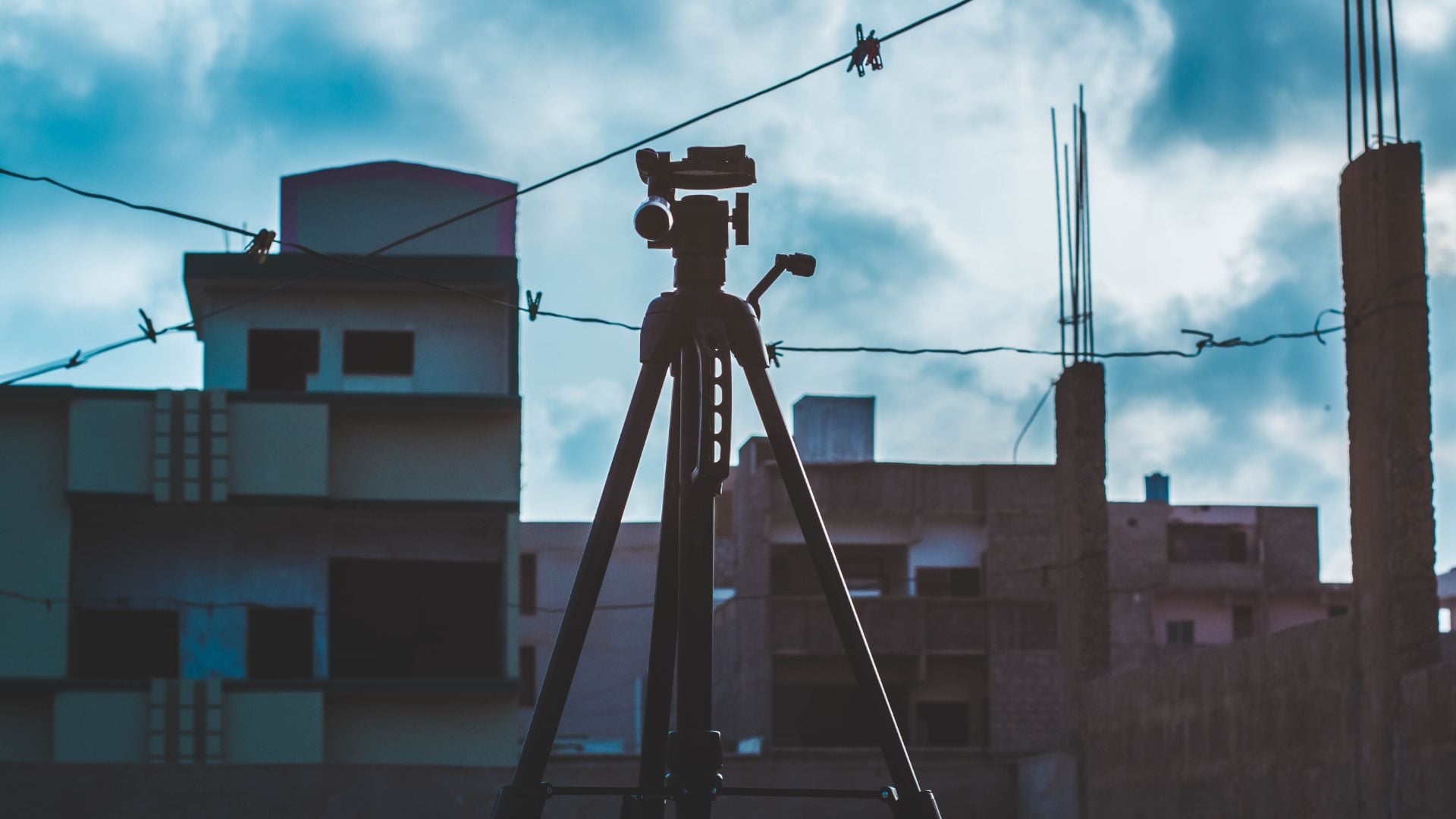
Outdoor smartphone photography presents additional challenges for DIY smartphone tripod systems. Wind, uneven surfaces, and temperature changes all affect stability. Indoor shooting doesn’t encounter these issues. Your portable solutions need to handle environmental factors effectively.
Wind affects lightweight smartphones more dramatically than heavier cameras. Professional outdoor tripods include features like hook systems for hanging weight bags. They also have spike feet for soft ground. Your DIY solutions can incorporate similar features using common materials.
Weather-Resistant Construction
Outdoor shooting exposes your DIY smartphone tripod to moisture and temperature changes. UV radiation also affects materials over time. Materials that work well indoors might fail quickly outdoors. Choosing appropriate materials extends the life and reliability of your homemade supports.
Plastic and metal materials generally handle outdoor conditions better than cardboard or fabric. Sealing joints and connections prevents moisture infiltration. UV-resistant materials maintain their properties longer when exposed to direct sunlight. These considerations prove essential for nature photography enthusiasts.
Weather protection strategies help extend your equipment’s life:
- Choose UV-resistant materials for long-term outdoor use
- Seal connections to prevent moisture damage
- Use corrosion-resistant hardware for metal components
- Create removable protective covers for storage
- Design systems that dry quickly after rain exposure
Uneven Ground Adaptations
Uneven outdoor surfaces challenge tripod stability more than level indoor floors. Professional tripods include adjustable leg lengths and swivel feet. They handle uneven ground effectively. Your DIY smartphone tripod can incorporate similar adjustability using simple mechanisms.
Leg length adjustment becomes essential when shooting on slopes, stairs, or rocky ground. Simple solutions like telescoping tubes or adjustable spacers provide necessary adaptability. The key involves maintaining stability while allowing sufficient adjustment range. This flexibility proves crucial for outdoor photography adventures.
Ground adaptation techniques worth implementing include creating adjustable leg lengths using telescoping materials. Add wide feet to distribute weight on soft ground. Use pointed feet for penetrating hard surfaces. Include leveling mechanisms for precise adjustment. Design systems that work on both level and uneven surfaces.
Advanced DIY Tripod Modifications
Taking your basic DIY smartphone tripod to the next level requires understanding advanced modification techniques. Professional tripods include features that solve specific problems. You can adapt many of these solutions using common materials and simple tools.
Remote shutter activation becomes important for eliminating the last source of camera shake. Touching your phone’s screen can cause enough vibration to blur long exposures. Creating hands-free shooting methods improves your results significantly.

Remote Control Solutions
Modern smartphones in 2025 support various remote control methods. Bluetooth remotes cost under $20 and work with most phones. Smartwatch apps like Apple Watch Camera Remote and Galaxy Watch controls provide convenient wireless shooting. Voice commands through Siri, Google Assistant, and Bixby enable hands-free photography. Some phones include built-in timer functions that work better than others. Understanding your phone’s capabilities helps you choose the best remote method.
Physical remote solutions often work more reliably than app-based options. Simple wired remotes connect through your phone’s charging port or use volume button controls on wired earbuds. Bluetooth remotes offer more flexibility but require battery management. Many 2025 flagship phones support 30-second or longer manual exposures natively. Third-party camera apps extend these capabilities even further.
Creating reliable remote control setups involves testing different methods with your specific phone model. Some camera apps offer better remote control features than others. Third-party apps sometimes provide more control options than built-in camera software.
Multi-Position Mounting Systems
Advanced DIY smartphone tripod systems allow quick position changes without complete rebuilding. Modular designs use interchangeable components for different shooting scenarios. This flexibility saves time when moving between different types of shots. Magnetic mounting systems using MagSafe-compatible accessories work well with modern phones.
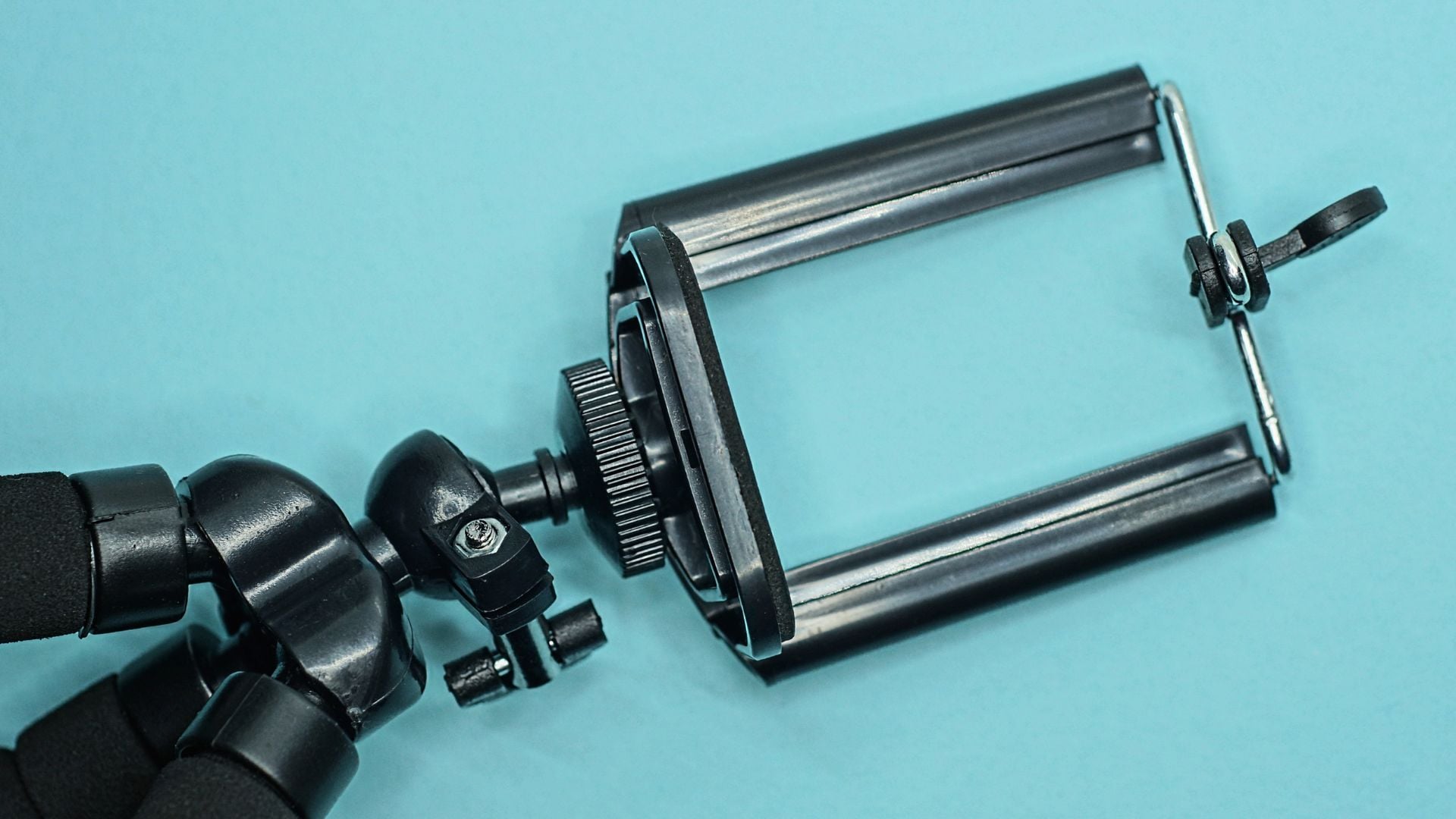
Quick-release mounting plates speed up camera position changes. You can create simple versions using strong neodymium magnets or mechanical clips. Magnetic solutions work especially well with phones that have built-in magnetic mounting systems like MagSafe. The key involves balancing security with ease of use. Your phone must stay firmly attached during shooting but release quickly when needed.
Multi-position capabilities include creating horizontal and vertical mounting options. Design systems that work for both landscape and portrait orientations. Include fine adjustment mechanisms for precise framing. Build in rotation capabilities for composition flexibility.
Troubleshooting Common Stability Issues
Even well-designed DIY smartphone tripod systems can develop stability problems over time. Understanding common failure modes helps you diagnose and fix issues quickly. Prevention works better than repair in most cases.
Loose connections cause most stability problems in homemade systems. Materials can settle or wear over time. Environmental factors like temperature changes affect different materials differently. Regular inspection catches problems before they ruin important shots.
Identifying Vibration Sources
Systematic troubleshooting helps identify vibration sources that affect shot quality. Start with the most obvious potential problems and work toward subtle issues. Camera shake can come from multiple sources acting together.
Surface-transmitted vibrations often cause problems that seem random. Traffic, construction, or even people walking nearby can create vibrations. These travel through building structures and into your tripod. Moving to different locations often solves these issues immediately.
Internal phone vibrations from notifications, apps, or hardware can cause problems. Airplane mode eliminates most software-related vibrations. Some flagship phones in 2025 have internal cooling systems that create subtle vibrations during heavy processing. AI scene detection and computational photography can trigger internal processing that affects stability. Understanding your specific phone’s behavior helps predict and prevent problems.
Quick Fix Solutions
Having rapid solutions for common stability problems keeps shooting sessions productive. Simple fixes often work better than complex solutions. Most problems have multiple potential solutions with different trade-offs.
Emergency stabilization techniques use items you likely have with you. Wadded clothing can provide quick dampening. Books or other flat objects create instant platforms. Even leaning against walls or other structures improves stability dramatically.
Temporary weight addition solves many stability problems quickly. Water bottles, camera bags, or even rocks can add necessary mass to your support system. The key involves adding weight at the base rather than near the camera. This lowers the center of gravity and improves resistance to vibration.
Maintenance and Improvement Tips
Keeping your DIY smartphone tripod in good working condition requires regular maintenance and occasional upgrades. Understanding common failure modes helps you build more reliable systems. Spotting problems early prevents them from affecting your photography.
Regular inspection catches problems early and extends the life of your homemade supports. Loose connections, worn materials, and accumulated dirt all affect stability over time. Simple maintenance prevents most failures and keeps your system working reliably.
System Upgrades and Modifications
Starting with basic DIY smartphone tripod designs and gradually adding improvements creates better systems over time. Each shooting session teaches you something about what works well. Document these lessons and incorporate improvements systematically.
Modular designs allow easier upgrades than integrated systems. Building your tripod from interchangeable components lets you improve individual elements. You don’t need to rebuild everything. This approach also allows customization for different shooting situations.
The systematic improvement process includes documenting what works well and what needs improvement. Test modifications before incorporating them permanently. Keep successful design elements while changing problem areas. Build modular systems that allow component upgrades. Share successful designs with other photographers through photography communities.
Long-Term Durability Strategies
Building DIY smartphone tripod systems that last requires thinking about durability from the beginning. Choosing appropriate materials and construction techniques prevents common failure modes. Understanding how different materials age helps you make better initial choices.
Mechanical connections fail more often than solid materials in most DIY systems. Reducing the number of joints and connections improves long-term reliability. When connections are necessary, choose methods that handle repeated stress cycles. They shouldn’t loosen or break over time.
Durability design principles focus on minimizing mechanical connections that can loosen over time. Choose materials that maintain their properties with age. Design systems that handle repeated assembly and disassembly. Avoid stress concentrators that lead to crack formation. Plan for eventual component replacement in wear-prone areas.
Taking Your Phone Photography to the Next Level
Creating effective DIY smartphone tripod solutions combines creativity with basic engineering principles. It also requires understanding photography requirements. The best systems balance stability, portability, and cost while meeting your specific shooting needs. Whether you’re capturing portraits, recording videos, or experimenting with long exposures, proper shot stability transforms ordinary phone cameras into powerful creative tools.
Your smartphone’s advanced camera technology deserves support systems that unlock its full potential. Building your own smartphone tripod saves money and creates solutions perfectly matched to your photography style. The techniques and principles covered here provide the foundation for endless creative possibilities in smartphone photography support systems.
See more from DIYPhotography.net on Google
Add DIYPhotography.net as a trusted source. This makes
our stories more likely to appear in your Google Search results.
 Add as a preferred source on Google

Darlene Lleno
Darlene Lleno brings a unique perspective to DIY Photography as someone who grew up surrounded by camera gear but chose words over lenses. With five years of writing experience, she specializes in photography content that’s both technically informed and genuinely passionate. Growing up with a photographer twin brother meant camera talk was everyday conversation in her household. While he mastered capturing moments, Darlene discovered she preferred being the subject and the storyteller behind the scenes. As a travel enthusiast and mother of two, she understands the importance of preserving life’s precious moments. When not exploring new destinations or writing for DIY Photography, you’ll find her reading or tending to her garden. Her approach to photography writing is refreshingly authentic, she may not be behind the camera, but she knows exactly what it takes to help others capture the shots that matter most.



Join the Discussion
DIYP Comment Policy
Be nice, be on-topic, no personal information or flames.