

















Back to Square One: Convert Your Camera into the Perfect Format
Jun 28, 2025
David Prochnow
Our resident “how-to” project editor, David Prochnow, lives on the Gulf Coast of the United States in Ocean Springs, Mississippi. He brings his expertise at making our photography projects accessible to everyone, from a lengthy stint acting as the Contributing How-To Editor with Popular Science magazine. While you don’t have to actually build each of his projects, reading about these adventures will contribute to your continued overall appreciation of do-it-yourself photography. A collection of David’s best Popular Science projects can be found in the book, “The Big Book of Hacks,” Edited by Doug Cantor.
Share:
Ah, back in the good ol’ days of film, 35mm format was, well, 35mm format. There weren’t any aspect ratios or cropping factors to worry about, just frame it and go. Yes, there was the occasional oddball half-frame format, but pretty much every camera defaulted to the stock 35mm format. Since each camera was fixed in a horizontal (e.g., landscape) 35mm format, whenever a photographer wanted to shoot a portrait, the camera had to be physically rotated into a vertical position. Generally, this wild 90-degree camera positional shift required a readjustment in the photographer’s grip. Both hand adjustments for focus, aperture, and, even, the shutter release were all flip-flopped which could result in some amusing contortions.
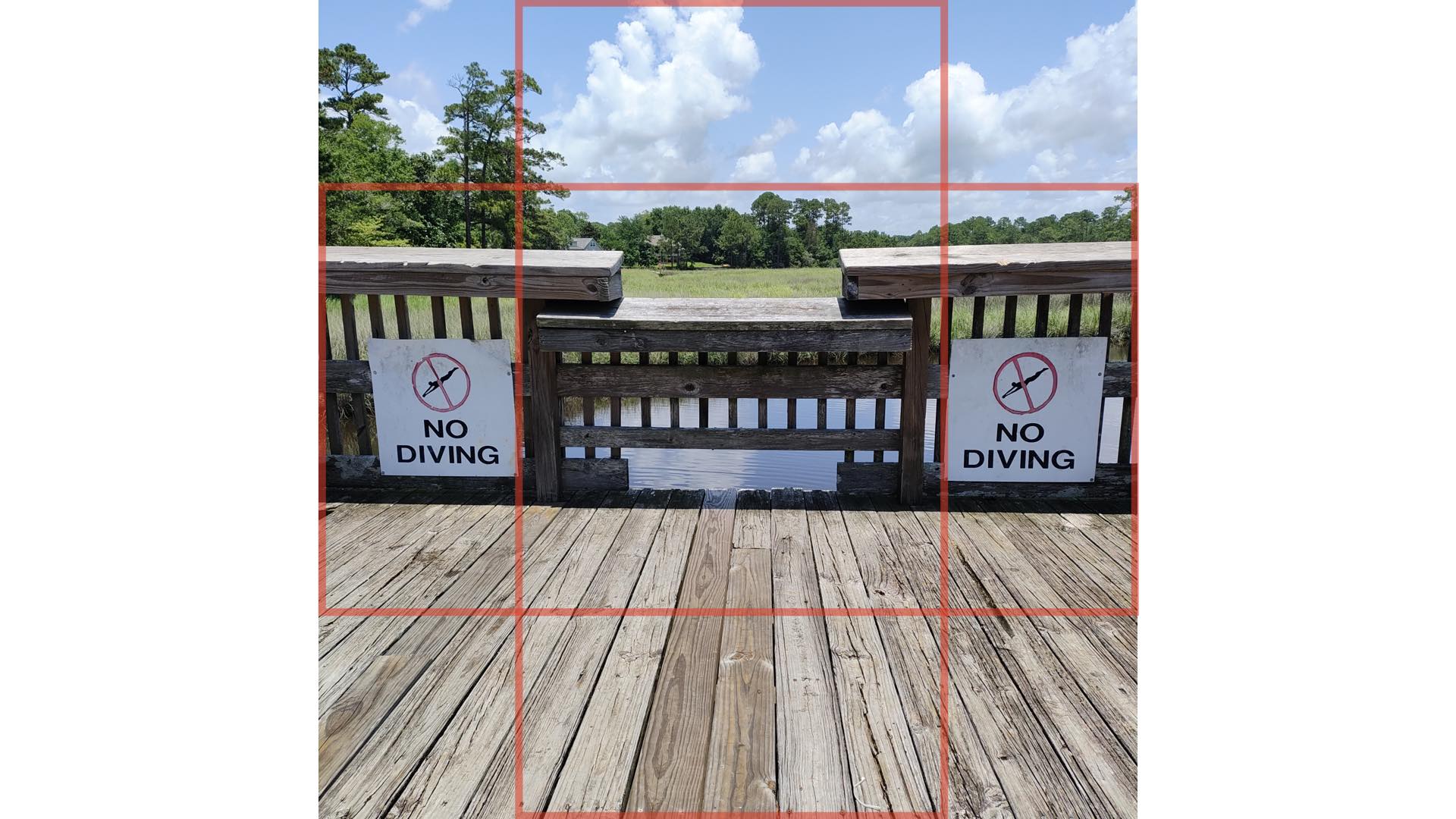
Forward-thinking roll film camera manufacturers, like Rollei and Hasselblad, sought to eliminate these photographer gymnastics by adopting an entirely different film format. The 6cm x 6cm or square format alleviated the need for the camera to be rotated for making portrait photographs. Just hold the camera in its “normal” orientation and make the exposure. Later, in the darkroom, the square format exposure could be printed in either a landscape or portrait dimension. This square format quickly became popular with photographers who could “shoot now” and deal with print format orientation later.
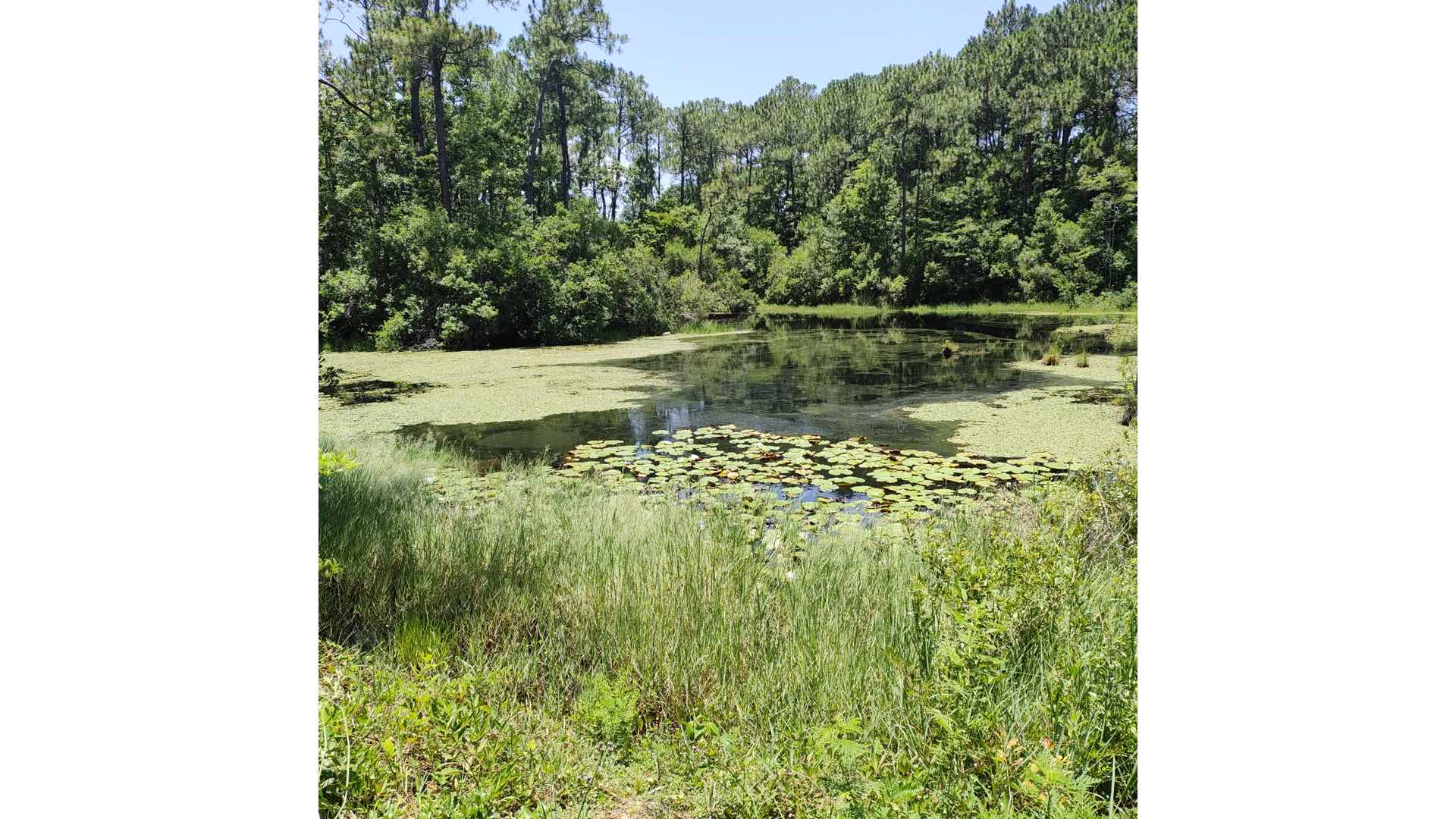
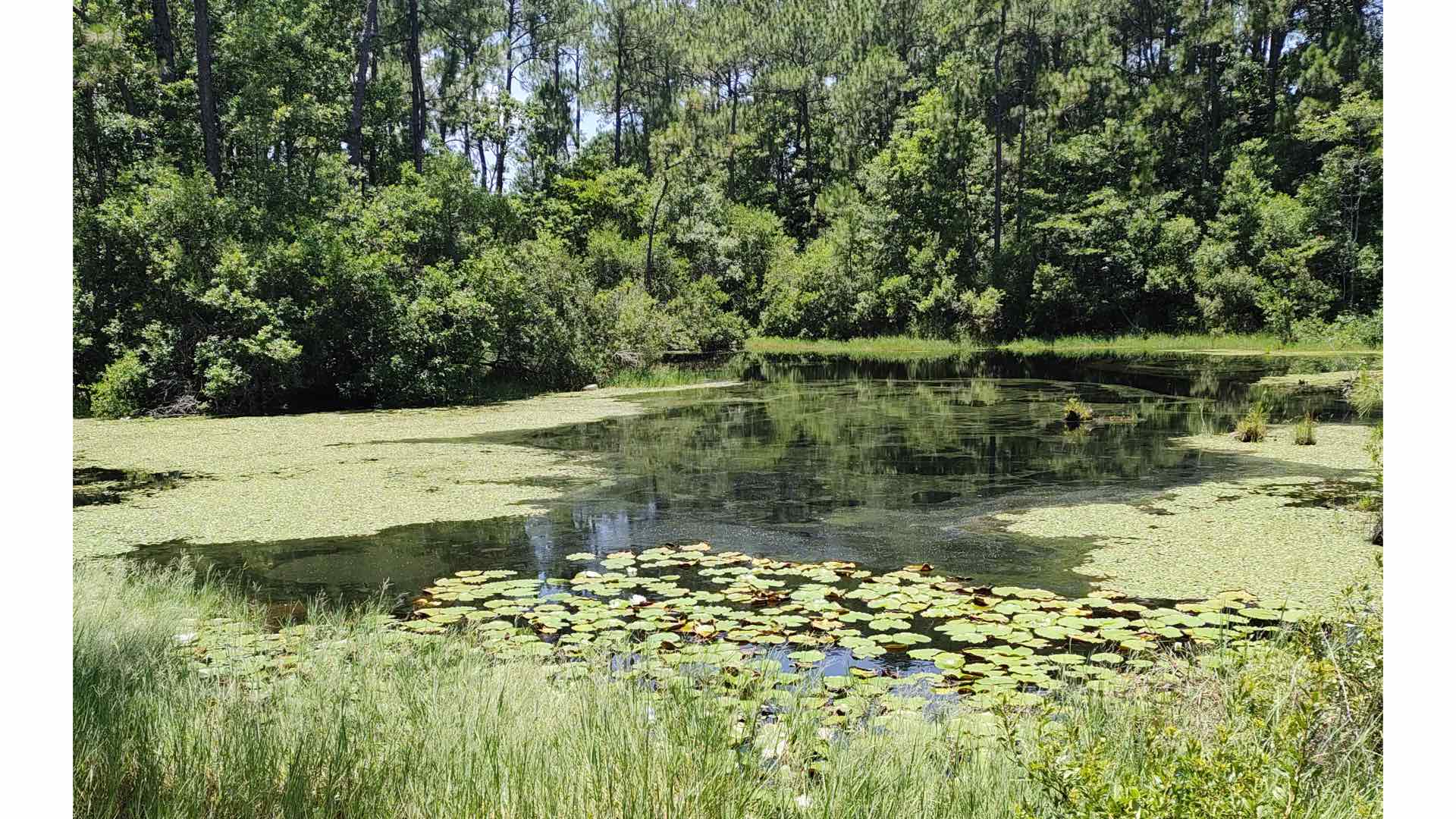
In fact, thumbing through Ansel Adams‘ landmark book, The Camera reveals the legendary photographer’s thoughts about the square format: “… square format requires visualizing images in a square area, or, as I prefer, visualizing the cropping in the square field to make a rectangular image.” Furthermore, he says, “My personal preference is for the square format. It allows me to compose in horizontal or vertical format, and I have no difficulty visualizing the image in any proportions I desire.” Incidentally, one of his most recognized and widely acclaimed photographs, Moon and Half Dome, Yosemite Valley was photographed with a square format Hasselblad camera and subsequently cropped into the winning vertical format print.

It’s Hip to be Square (Daddy-O)

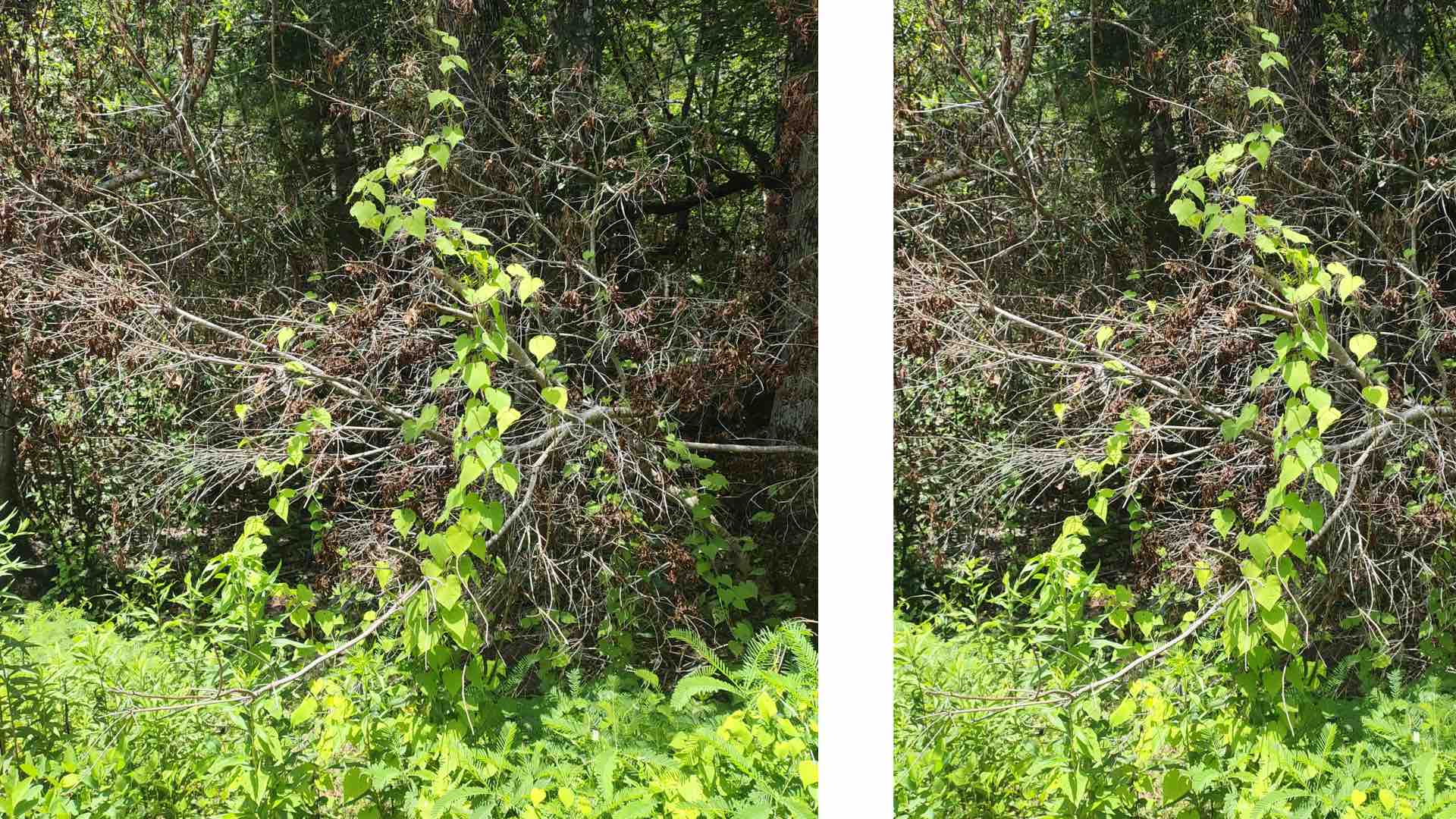
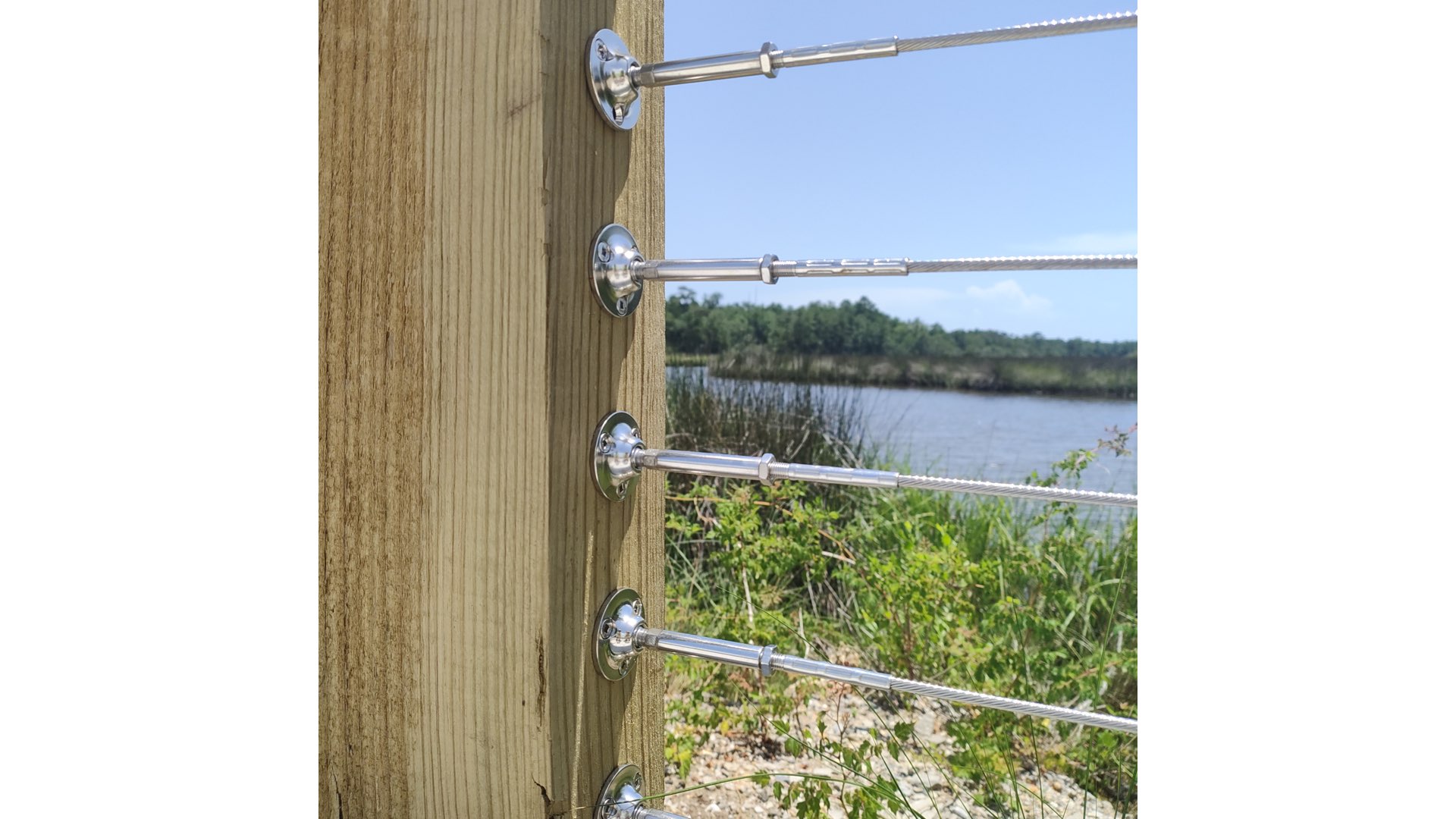
Remarkably, today, this same square format is available in just about every digital camera. Sometimes called Image Size or Resolution or Aspect Ratio, the result is the same…you can actually select a square or 1:1 aspect ratio format for the camera’s exposure without nary a thought about rotating for portrait shots versus landscape shots. The massive benefit of this square format selection is the complete liberation of your photography enabling you to render your pre-visualization with carefully executed cropping of the final image. Therefore, you’re actually “mentally” composing either portrait or landscape photographs within the square format rather than forcing the format orientation at the time of exposure.
Enjoy.
See more from DIYPhotography.net on Google
Add DIYPhotography.net as a trusted source. This makes
our stories more likely to appear in your Google Search results.
 Add as a preferred source on Google
Filed Under:
Tagged With:

David Prochnow
Our resident “how-to” project editor, David Prochnow, lives on the Gulf Coast of the United States in Ocean Springs, Mississippi. He brings his expertise at making our photography projects accessible to everyone, from a lengthy stint acting as the Contributing How-To Editor with Popular Science magazine. While you don’t have to actually build each of his projects, reading about these adventures will contribute to your continued overall appreciation of do-it-yourself photography. A collection of David’s best Popular Science projects can be found in the book, “The Big Book of Hacks,” Edited by Doug Cantor.
Related Posts
 Fujifilm releases Instax Square SQ10, square format analog digital hybrid
 Jollylook Pinhole SQUARE DIY pinhole camera kit shoots Instax square film
 Fujifilm officially launches Instax Square SQ6, their first fully analog camera for square film
 When is a Square not a Square…When it’s Fujifilm X half’s Frame Combiner
Join the Discussion
DIYP Comment Policy
Be nice, be on-topic, no personal information or flames.