



















Picastro: A new Social Media Platform for Astrophotographers
Jun 28, 2025
Soumyadeep Mukherjee
Soumyadeep Mukherjee is an award-winning astrophotographer from India. He has a doctorate degree in Linguistics. His work extends to the sub-genres of nightscape, deep sky, solar, lunar and optical phenomenon photography. He is also a photography educator and has conducted numerous workshops. His works have appeared in over 40 books & magazines including Astronomy, BBC Sky at Night, Sky & Telescope among others, and in various websites including National Geographic, NASA, Forbes. He was the first Indian to win “Astronomy Photographer of the Year” award in a major category.
Share:

In an era dominated by social media, astrophotographers have long been underserved. While platforms like Instagram and Facebook allow users to share images with the world, they often come at a cost: compressed image quality, disruptive advertisements, shallow engagement, and an overload of artificial content. For those capturing the universe one long exposure at a time, these platforms rarely honor the detail, effort, and science behind the work. That’s where Picastro enters the scene, a new mobile-first platform built specifically for astrophotographers. Designed by a passionate amateur astrophotographer, Picastro reimagines how space photographers connect, share, and grow. The app launched in late 2024 and has quickly become a favorite among those who prefer full-resolution imagery, authentic community, and zero distractions.
Built for astrophotographers and astrophotography
Picastro was founded by Tom McCrorie, an amateur astrophotographer who saw a growing need for a space that truly respected the art and science of celestial imaging. Tired of seeing high-quality images degraded by social media compression and buried under algorithmic feeds, he created a clean, distraction-free app dedicated solely to astrophotography.
Unlike mainstream platforms, Picastro does not use ads or algorithms. Every image posted is shown exactly as intended by the user. There are no bots, no fake engagement, and no AI-generated space images cluttering the feed. Every part of the platform, from upload systems to discovery tools, has been carefully designed around the astrophotographer’s workflow.
Key features and functionality
Here are some of the key features of Picastro, especially beneficial for astrophotographers.
Full-resolution image support
Perhaps the most important feature of Picastro is its ability to upload and display high-resolution images without any compression. Users can upload JPEG files up to 120 megabytes in size, with PNG and WEBP formats already supported and TIFF support planned for the future. This is crucial in astrophotography, where detail matters. Every photon of light collected from deep space carries meaning. Picastro ensures that the detail remains untouched.
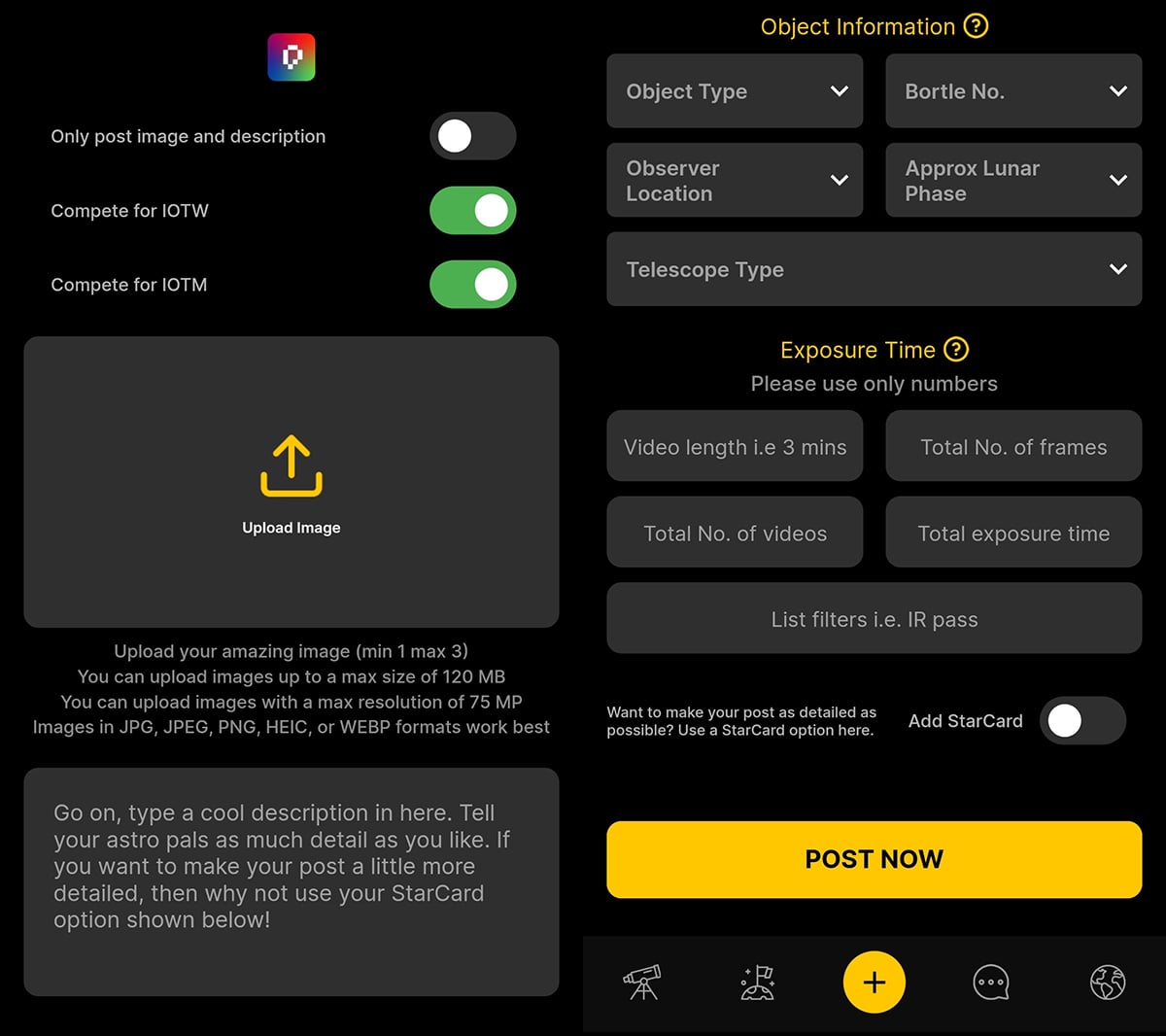
StarCards: Metadata for images
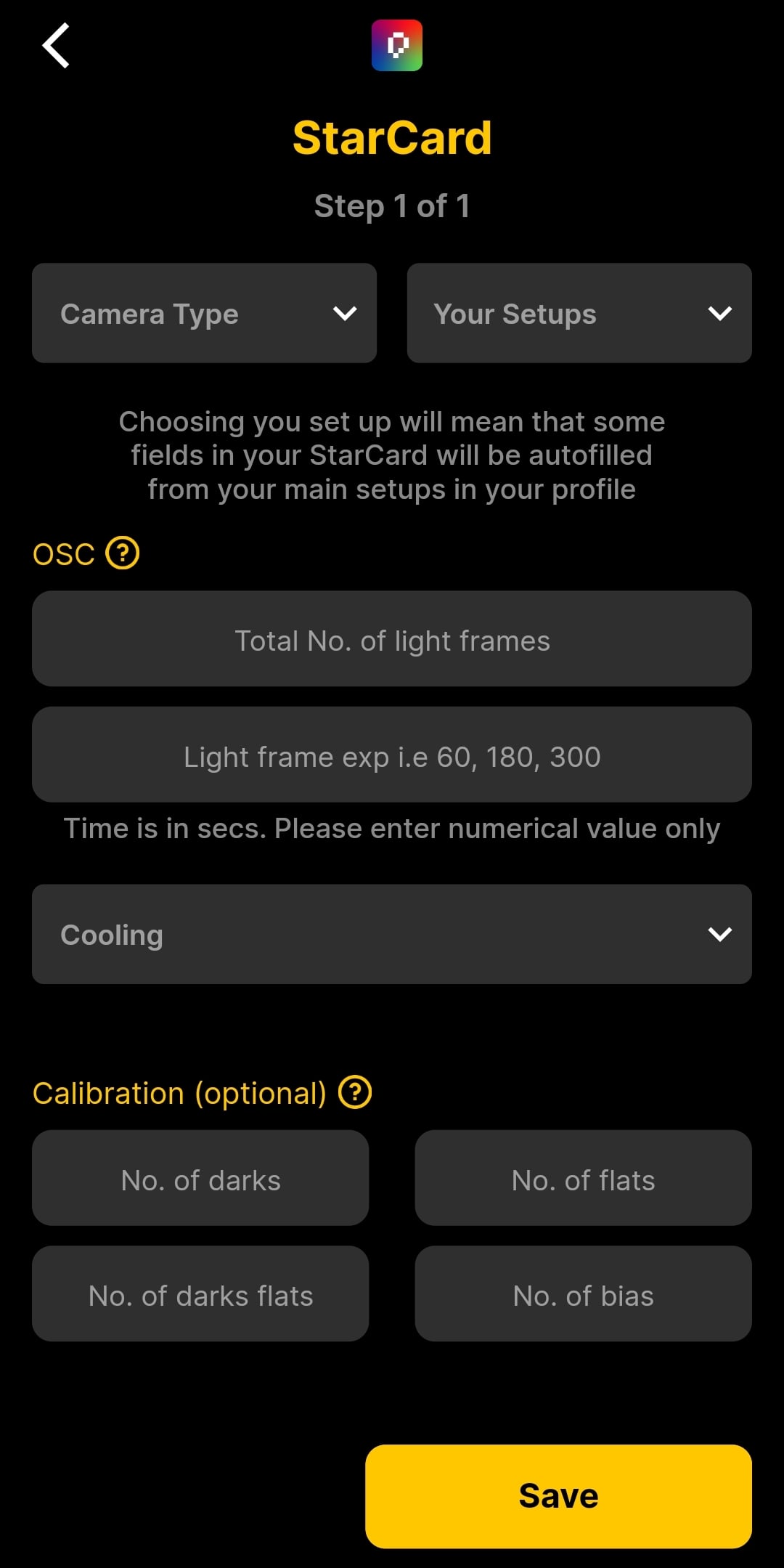
Each uploaded image can be tagged with a “StarCard”, a metadata panel that includes all the key information about how the image was captured. This can include telescope type, camera model, mount, filters used, exposure duration, ISO settings, guiding method, and even software used during post-processing. For professionals, it allows a transparent breakdown of their imaging pipeline. For beginners, it’s a goldmine of learning opportunities.
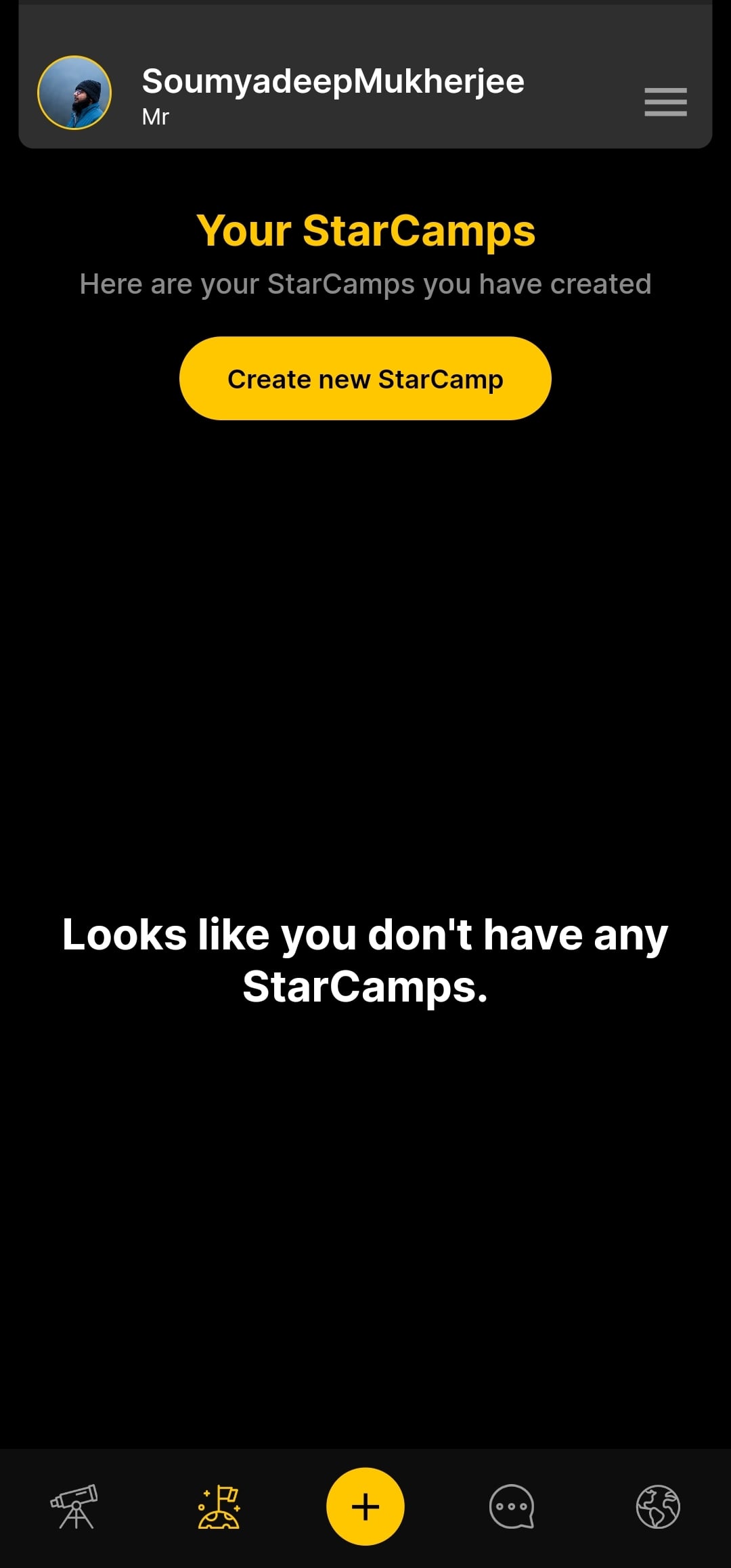
StarCamps: Focused communities
Picastro introduces “StarCamps,” which are interest-based subgroups within the platform. These can be organized around specific skills, equipment brands, celestial targets, or experience levels. They allow users to engage with others who share their goals, helping to build smaller, more intimate circles of knowledge exchange. Within these StarCamps, users can discuss techniques, provide critique, and collaborate on group challenges or themed nights.
SetUps: Streamlining the process
Picastro makes it easy to save and reuse gear configurations through a feature called “SetUps.” This means users can create a preset of their telescope-camera-filter setup and quickly apply it to new StarCards without re-entering data every time. It’s a simple but effective tool that recognizes the repetitive nature of astrophotography imaging.
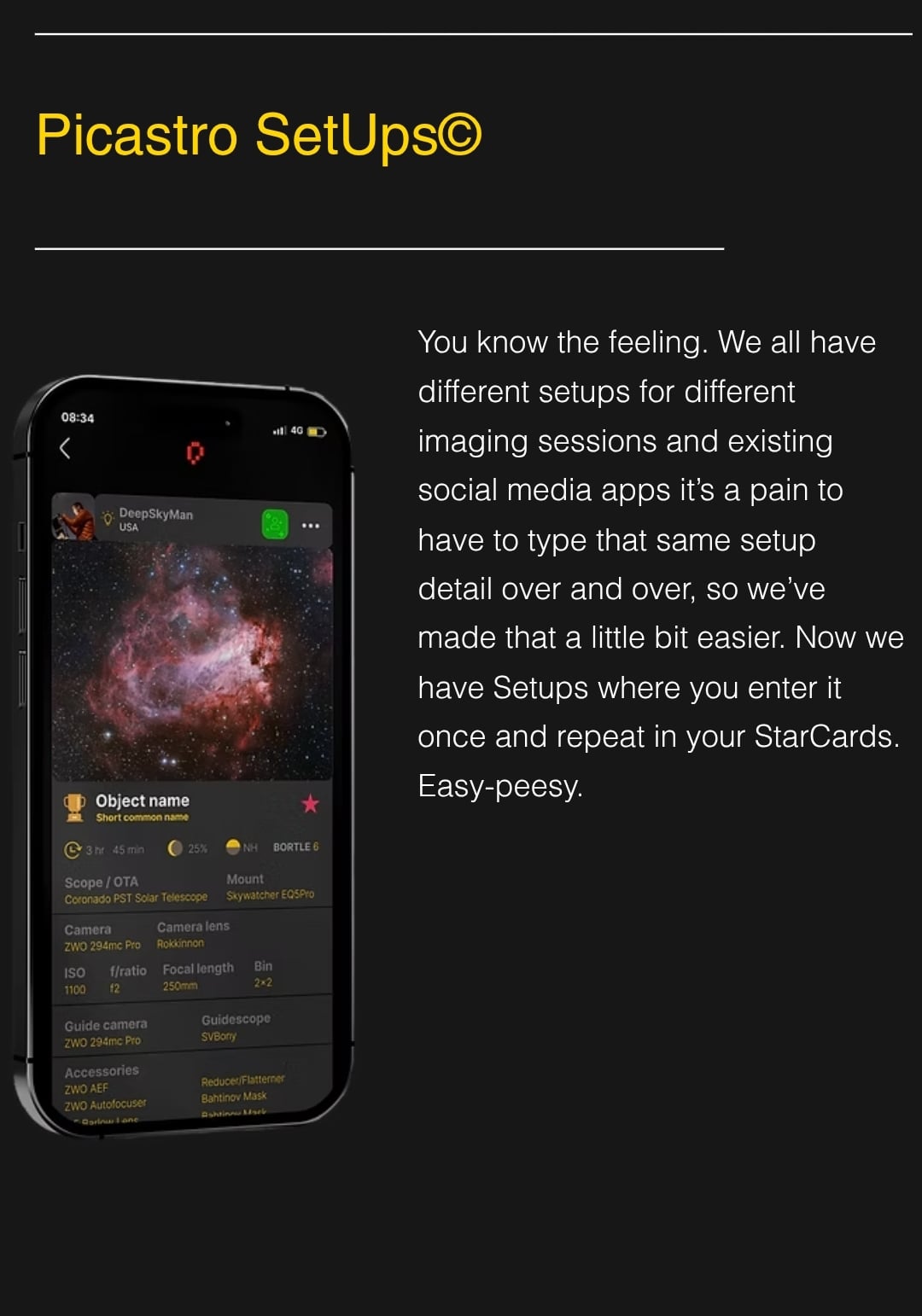
Plate solving integration
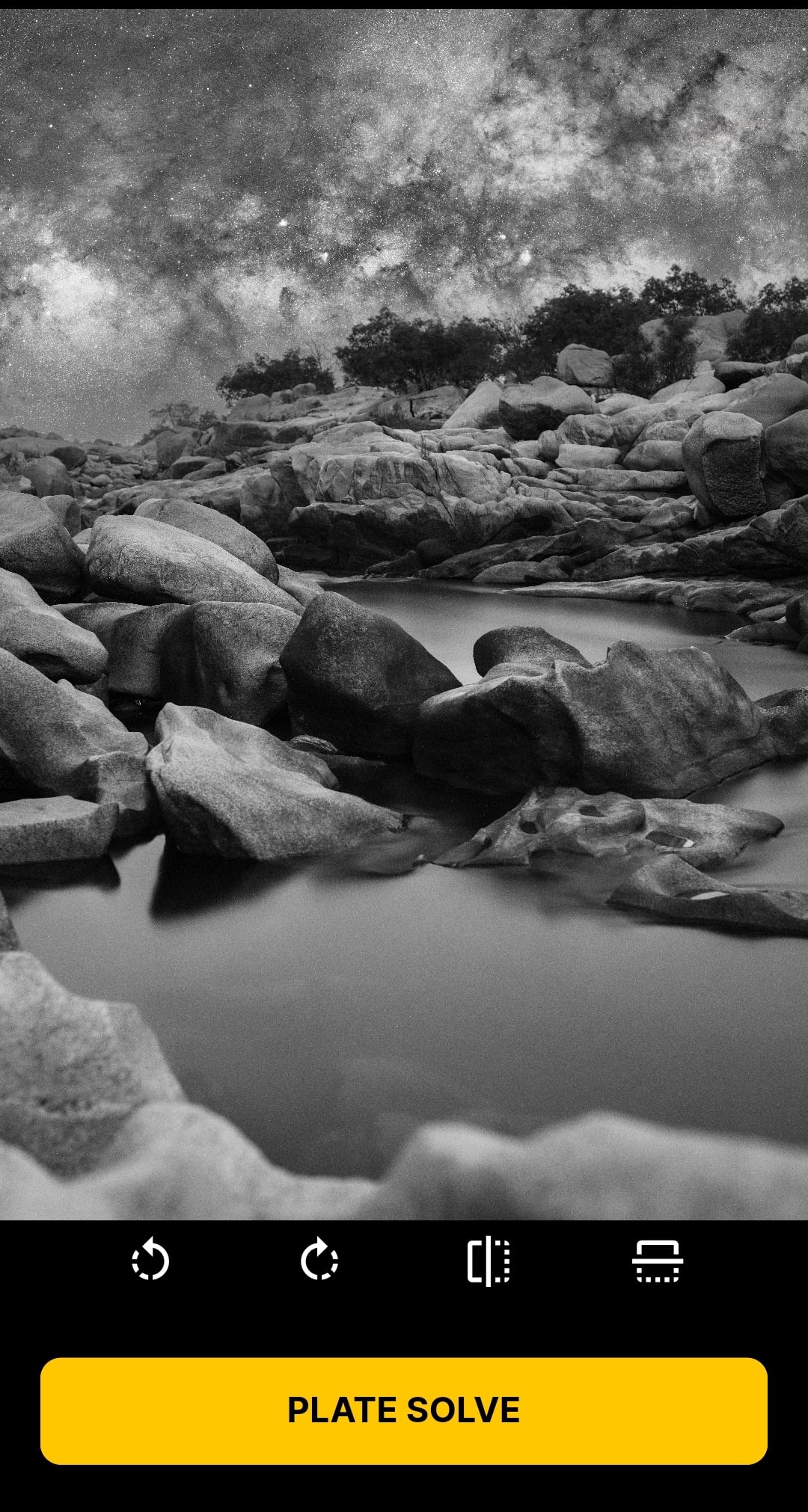
One of the platform’s more advanced features is its built-in plate solving, integrated through Astrometry.net. When users upload images, the system can automatically identify and annotate stars, galaxies, and nebulae. This not only adds scientific credibility to the content but also helps protect against AI-generated or mislabeled images—a growing problem on traditional platforms.
Voting without algorithms
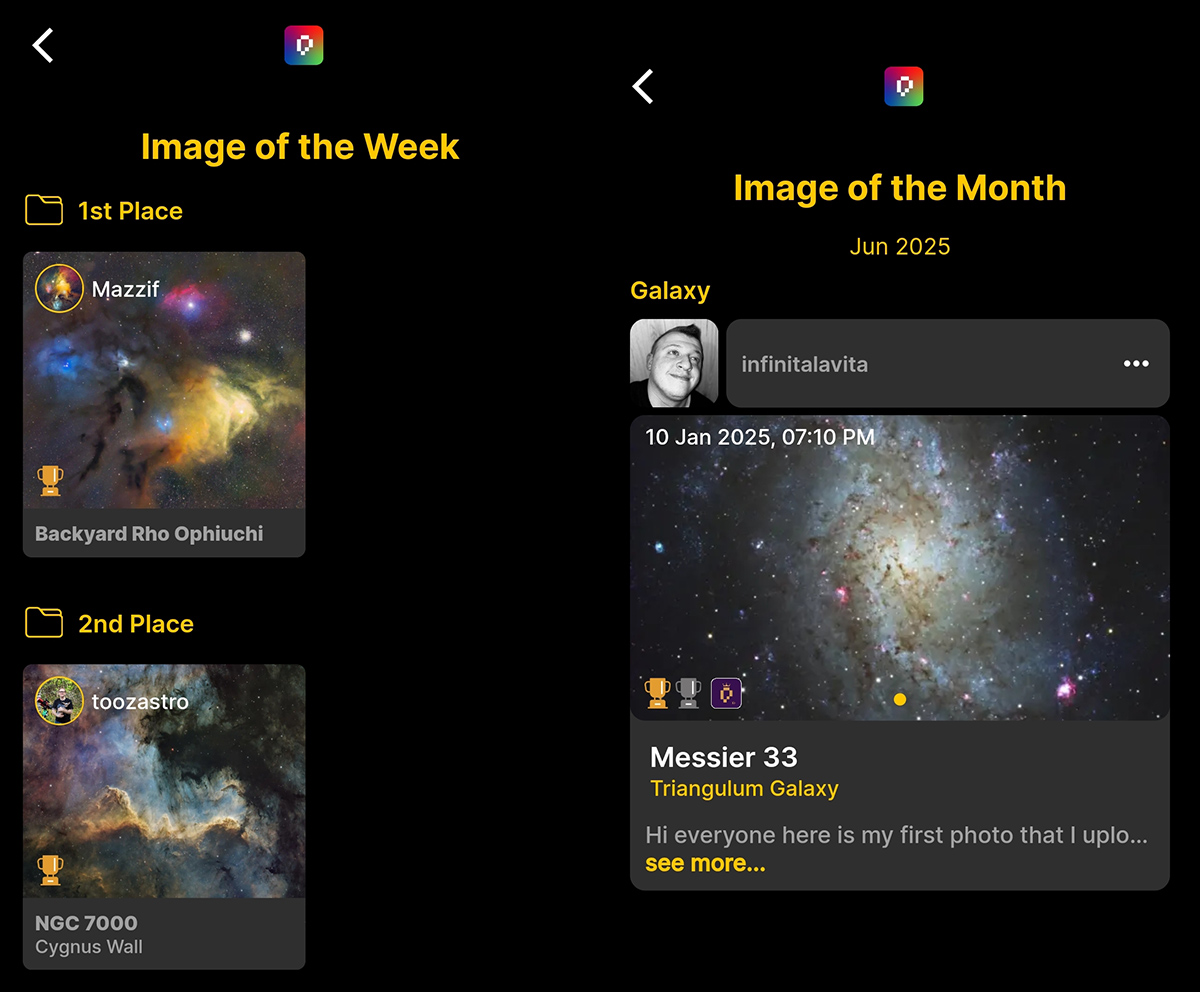
Picastro takes a democratic approach to content recognition. Users vote on images they love using stars and trophies. The most appreciated images rise to the top through a simple community voting system, no artificial intelligence, recommendation engines, or paid boosts. Each week and month, top-voted images receive official recognition as “Image of the Week” or “Image of the Month,” giving users a reason to consistently strive for excellence.
Messaging and comments
The app supports direct messaging and threaded comments under each image. Unlike public social media, where trolls and bots often overwhelm conversation, Picastro’s community remains tightly moderated and genuinely engaged. Feedback is constructive, supportive, and focused on improvement.
Subscription tiers and pricing
Picastro uses a tiered subscription model. Each tier unlocks a different level of image uploads, file size limits, and participation access. Here’s a breakdown:
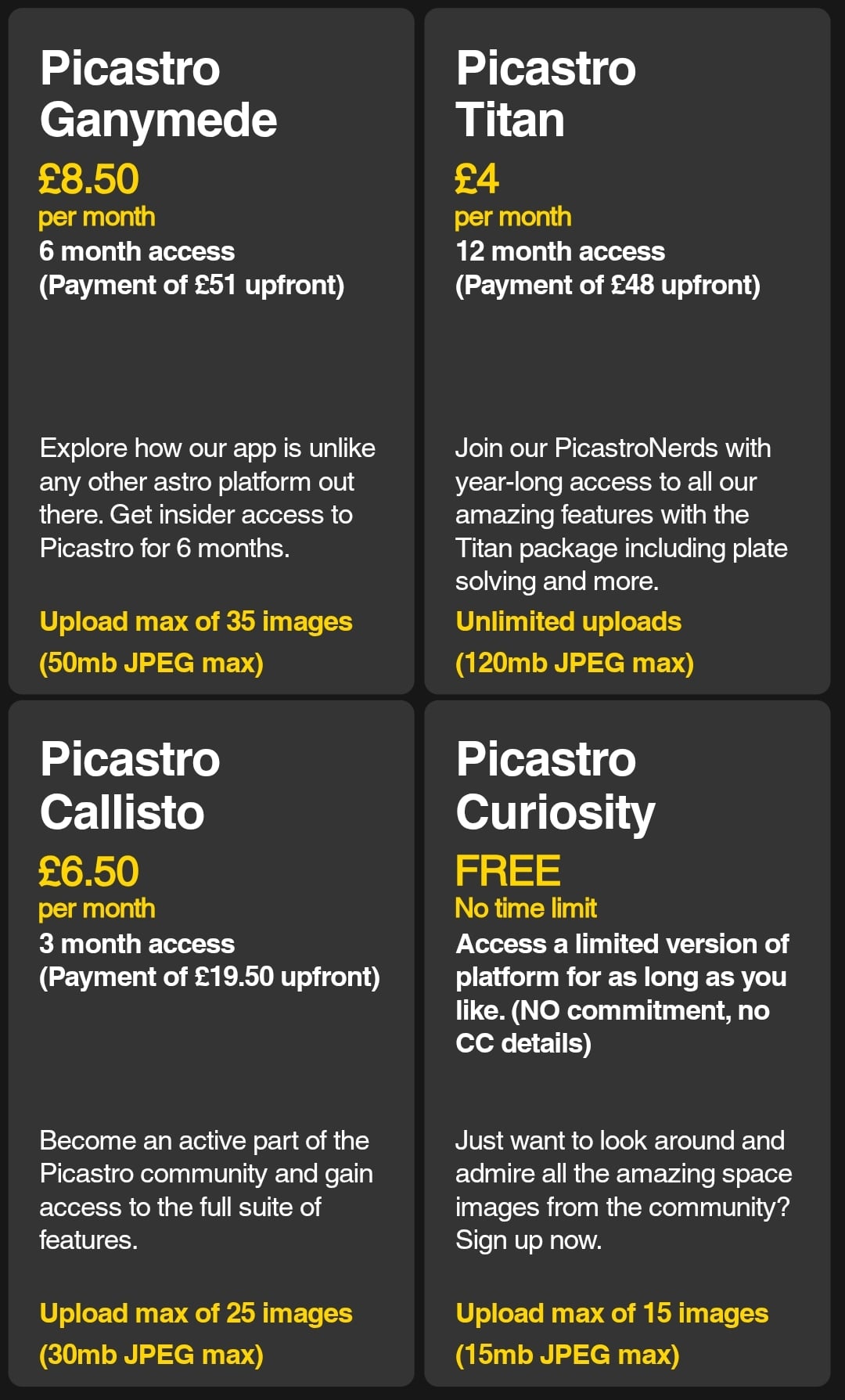
- Curiosity Plan (Free): Up to 15 uploads, maximum 15 MB per image. This is a great starting point for new users exploring the platform. Voting on others’ images is not available in this tier.
- Callisto Plan (£6.50 for 3 months): 25 uploads per period, 30 MB image size limit, full access to community voting and competitions.
- Titan Plan (£4 per month annually): Unlimited uploads, maximum image size of 120 MB, access to all platform features. This is the most popular plan among serious users.
- Ganymede Plan (£8.50 for 6 months): 35 uploads per period, maximum 50 MB image size. A flexible choice for intermediate users.
[Readers of DIY Photography can get a 5% discount on all the above paid plans by using the discount code PICASTRODISCFIVE.]
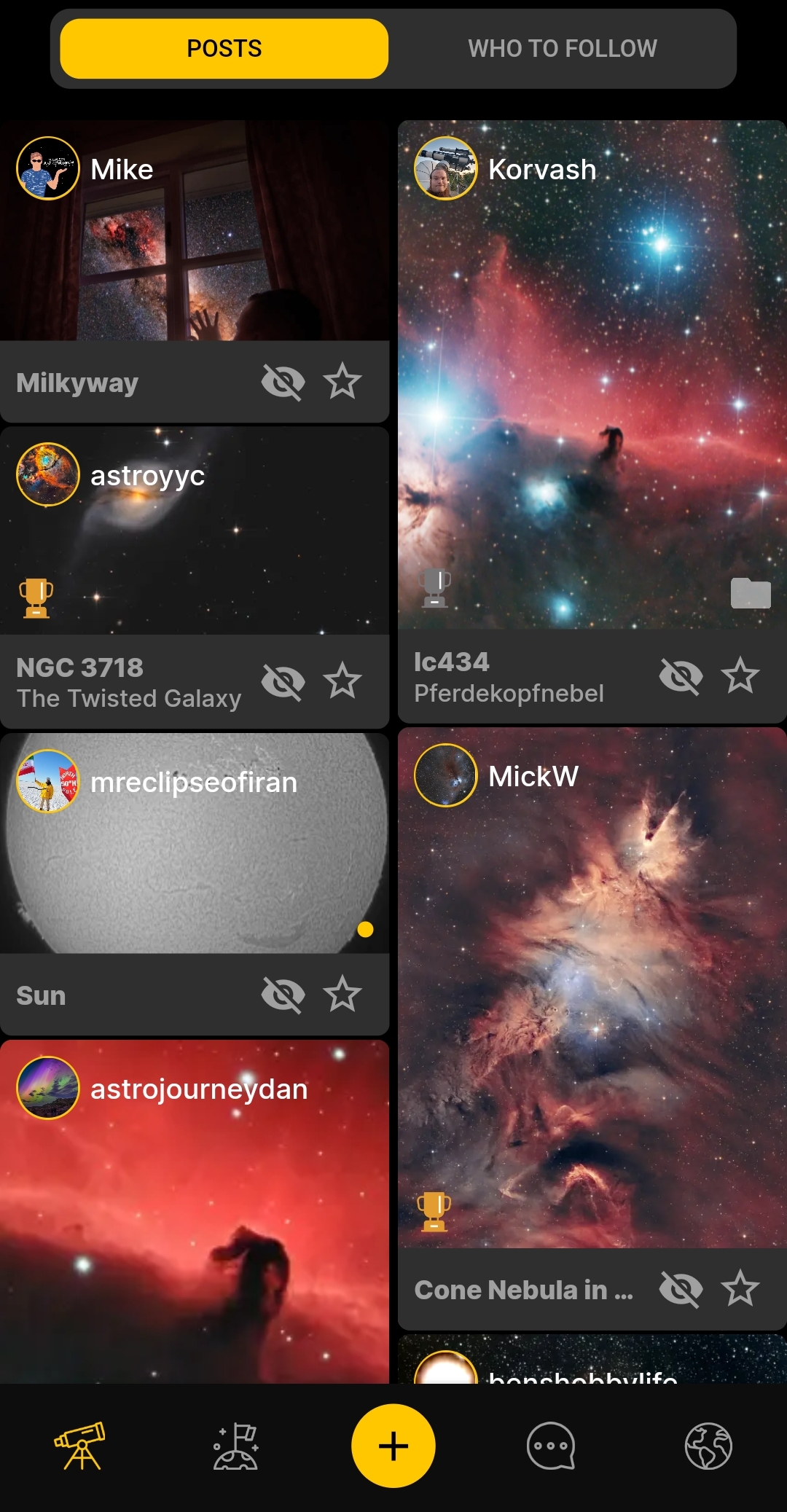
Regardless of the plan, all users retain full control over their data. Images can be deleted at any time. However, Picastro does not provide long-term storage or backups, so users are encouraged to keep offline copies. Picastro is currently available for iOS and Android smartphones. The interface is mobile-optimized and extremely intuitive, with minimal clutter and fast image loading.
Strengths and advantages
Picastro’s greatest strength is its focus. Every feature has been tailored to the needs of the astrophotography community. High-resolution uploads ensure image fidelity. StarCards offer context and technical detail. StarCamps and badges promote engagement without creating competitive toxicity. More importantly, it provides a genuine sense of community. Without the clutter of ads and attention-hacking algorithms, conversations stay focused on photography and science. The platform also welcomes both newcomers and seasoned experts. Its clean design makes it accessible for beginners, while advanced tools like plate solving and metadata panels satisfy professionals.
Shortcomings and limitations
While Picastro has many strengths, it does face some early limitations. As a new app, its user base remains relatively small. This means the reach of uploaded content is more limited than on larger platforms like Instagram or Astrobin. Additionally, the UI may also seem a little slow.
None of these are, however, dealbreakers. The app will receive new users every day and will grow larger. The UI issue can be solved with an update.
Comparison with existing platforms
When compared to Astrobin, Picastro stands out as the more mobile-friendly platform. Astrobin offers powerful tools for advanced planning, catalogs, and community challenges, but its interface is more desktop-oriented and less intuitive for casual users.
Instagram, in contrast, is mainstream and massive but lacks any meaningful support for metadata, image fidelity, or true astronomical engagement. For those who care about science, context, and detail, Picastro offers a far more tailored experience.
Final thoughts
Picastro is a purpose-driven community for serious astrophotographers. It offers the quality and tools professionals need, while remaining accessible and welcoming for beginners. Its no-ads, no-algorithms philosophy makes it a refreshing alternative to traditional social platforms. For those who want their work seen, appreciated, and understood by like-minded individuals, Picastro offers a digital home worth exploring. Whether you shoot wide-field Milky Way vistas, deep-sky nebulae, planetary close-ups, or solar timelapses, Picastro ensures your work is shared the way it deserves to be, without compromise.
Clear skies!
See more from DIYPhotography.net on Google
Add DIYPhotography.net as a trusted source. This makes
our stories more likely to appear in your Google Search results.
 Add as a preferred source on Google

Soumyadeep Mukherjee
Soumyadeep Mukherjee is an award-winning astrophotographer from India. He has a doctorate degree in Linguistics. His work extends to the sub-genres of nightscape, deep sky, solar, lunar and optical phenomenon photography. He is also a photography educator and has conducted numerous workshops. His works have appeared in over 40 books & magazines including Astronomy, BBC Sky at Night, Sky & Telescope among others, and in various websites including National Geographic, NASA, Forbes. He was the first Indian to win “Astronomy Photographer of the Year” award in a major category.


Join the Discussion
DIYP Comment Policy
Be nice, be on-topic, no personal information or flames.