













7 Bad Habits That Could Destroy Your Camera Gear in the Field
Nov 12, 2026
Alysa Gavilan
Alysa Gavilan has spent years exploring photography through photojournalism and street scenes. She enjoys working with both film and mirrorless cameras, and her fascination with the craft has grown over the decades. Inspired by Vivian Maier, she is drawn to capturing everyday moments that often go unnoticed.
Share:
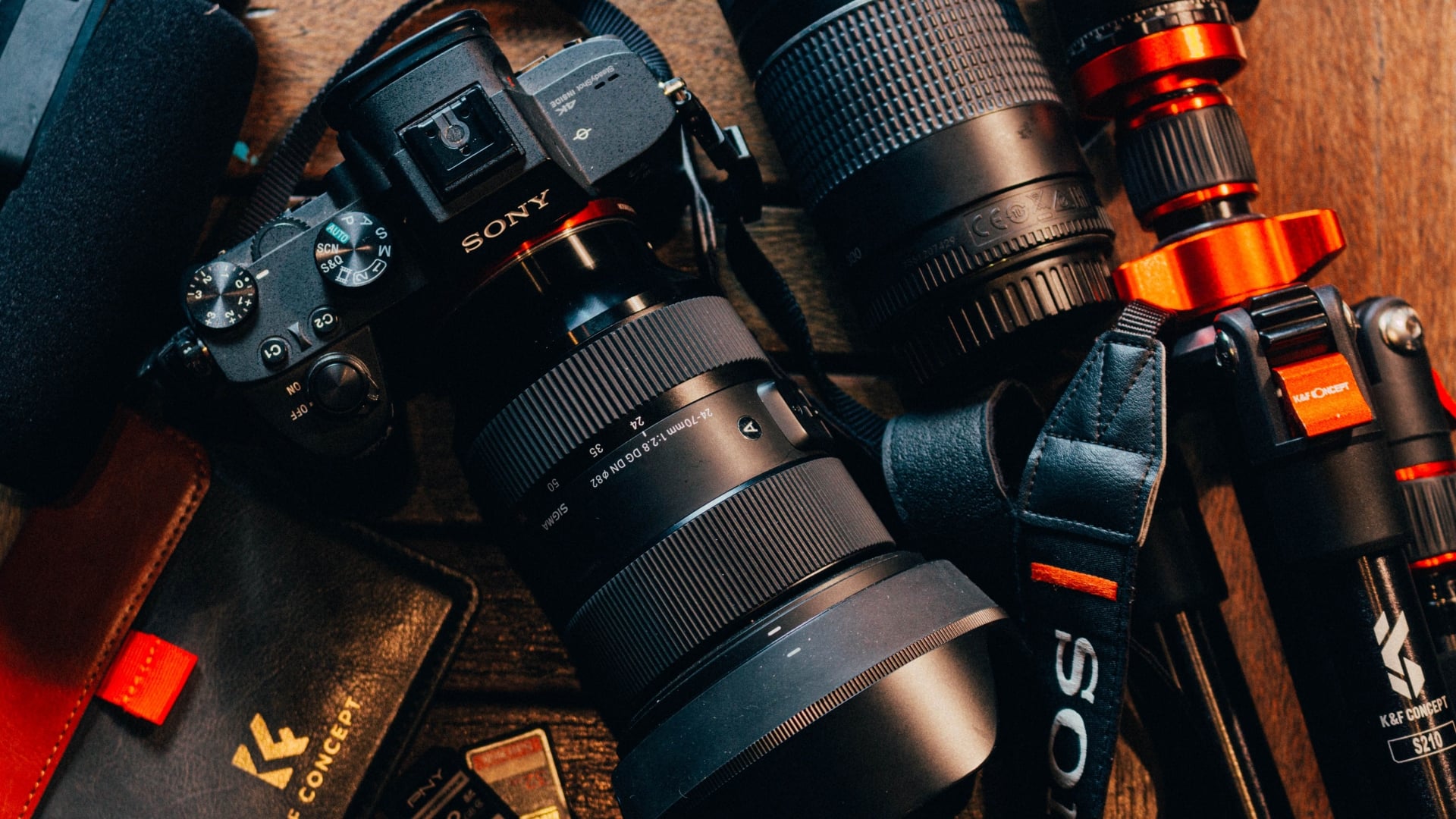
Landscape photography can be hard on your wallet. You buy a camera, invest in good lenses, and get a sturdy tripod, only to risk the whole setup because you were in a hurry to catch a pretty sunset.
Photographer Michael Scott knows the temptation. In a recent video, he shares seven everyday habits that can damage camera gear, from carrying a camera on an extended tripod to changing lenses in the wind. Some might sound familiar, and a few could save you an expensive trip to the repair shop.
Scott’s advice comes from years of shooting outdoors, where weather, uneven terrain, and changing light can turn small oversights into costly accidents. His central point is simple: camera gear often gets damaged during routine handling, not necessarily during dramatic mishaps.
1. Carrying a camera on an extended tripod
Leaving a camera attached to a tripod while walking to another location might save time, but it also leaves the equipment exposed. Extended tripod legs can catch on branches, brush against objects, or knock into rocks. The camera can also slip if the ball head or quick release plate is not secure.
Scott recommends removing the camera before moving whenever possible. If carrying everything together is unavoidable, use a lens hood for extra protection and point the lens downward. Check that the ball head is tight, too. An L bracket or an anti rotation quick release plate can help prevent the camera from twisting or slipping.
2. Changing lenses in the wind
A lens change outdoors exposes the camera’s sensor chamber to dust, sand, sea spray, and even insects. Wind can carry all sorts of unwanted visitors straight into the camera body.
Scott suggests pointing the camera downward while changing lenses to reduce the chance of debris getting inside. When conditions are particularly bad, step inside a vehicle or find shelter before opening the camera.
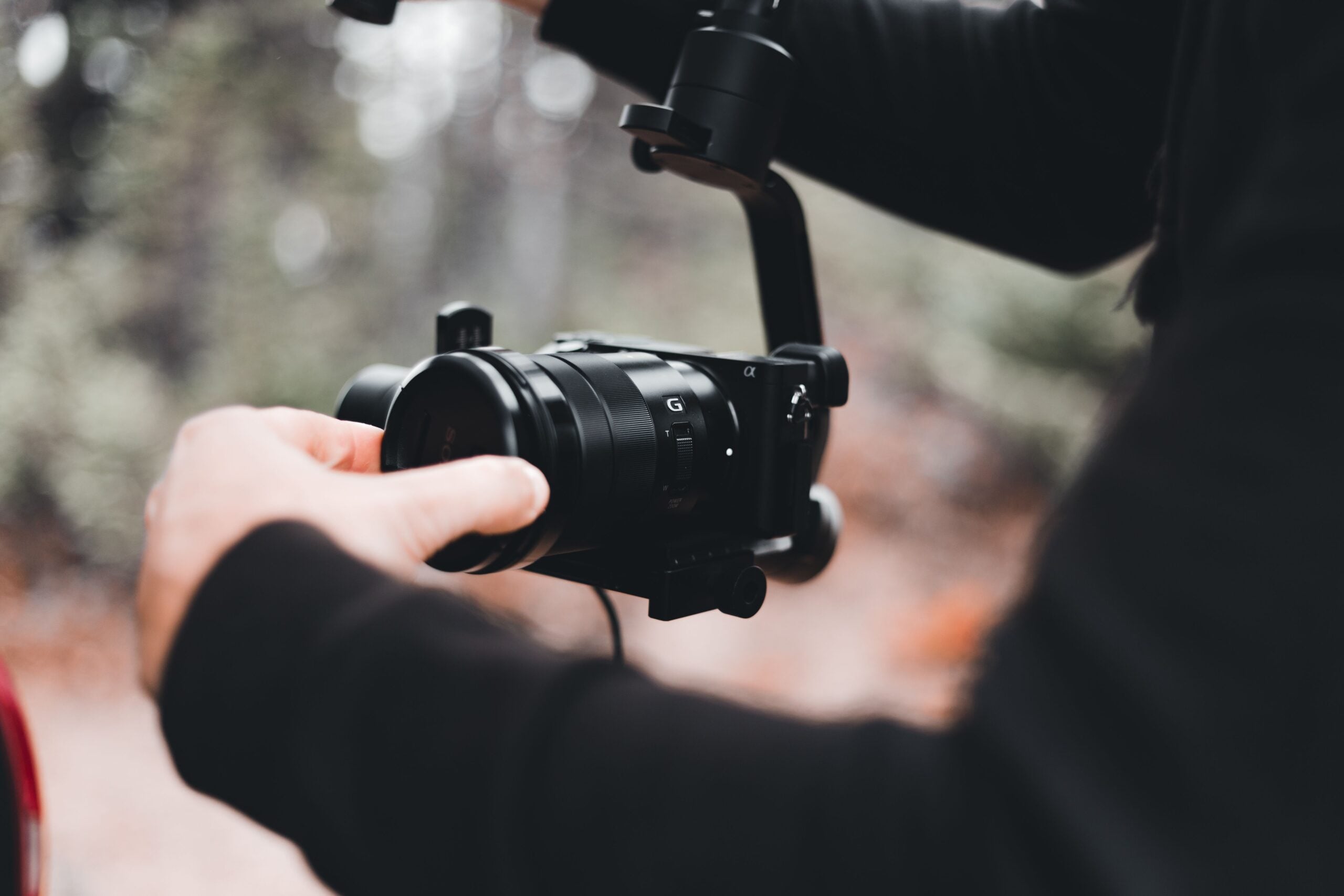
3. Taking gear straight from cold to hot environments
Moving a camera from an air conditioned car into hot, humid weather can cause condensation to form on and inside equipment. Moisture inside a lens or camera body can create problems beyond a temporarily fogged front element.
One way to reduce the risk is to place the camera inside a sealed plastic bag before moving it into the warmer environment. Leave it there while it gradually adjusts to the temperature. Scott also suggests allowing equipment to acclimate slowly before heading outdoors, rather than taking it directly from a cool room into the heat.
4. Trusting tripod legs without checking them
A tripod is only as stable as its weakest lock. Loose twist locks or flip locks can allow the legs to collapse, potentially sending an expensive camera crashing onto rocks or the ground.
Scott recommends checking the locking mechanisms regularly and maintaining them as needed. He also discusses tripod feet, favoring claw style designs for their grip across different surfaces, including rocks, sand, grass, and creek beds. Spiked feet can also work well on softer ground.
5. Assuming weather sealing means waterproof
Weather sealed cameras can handle some exposure to moisture, but that does not make them waterproof. Leaving expensive equipment exposed to steady rain is an unnecessary gamble.
A simple rain cover, plastic protection, or even a cloth can help shield a camera. Scott also mentions tripod mounted umbrellas as another option. The important thing is to avoid treating weather sealing as permission to leave equipment unprotected.
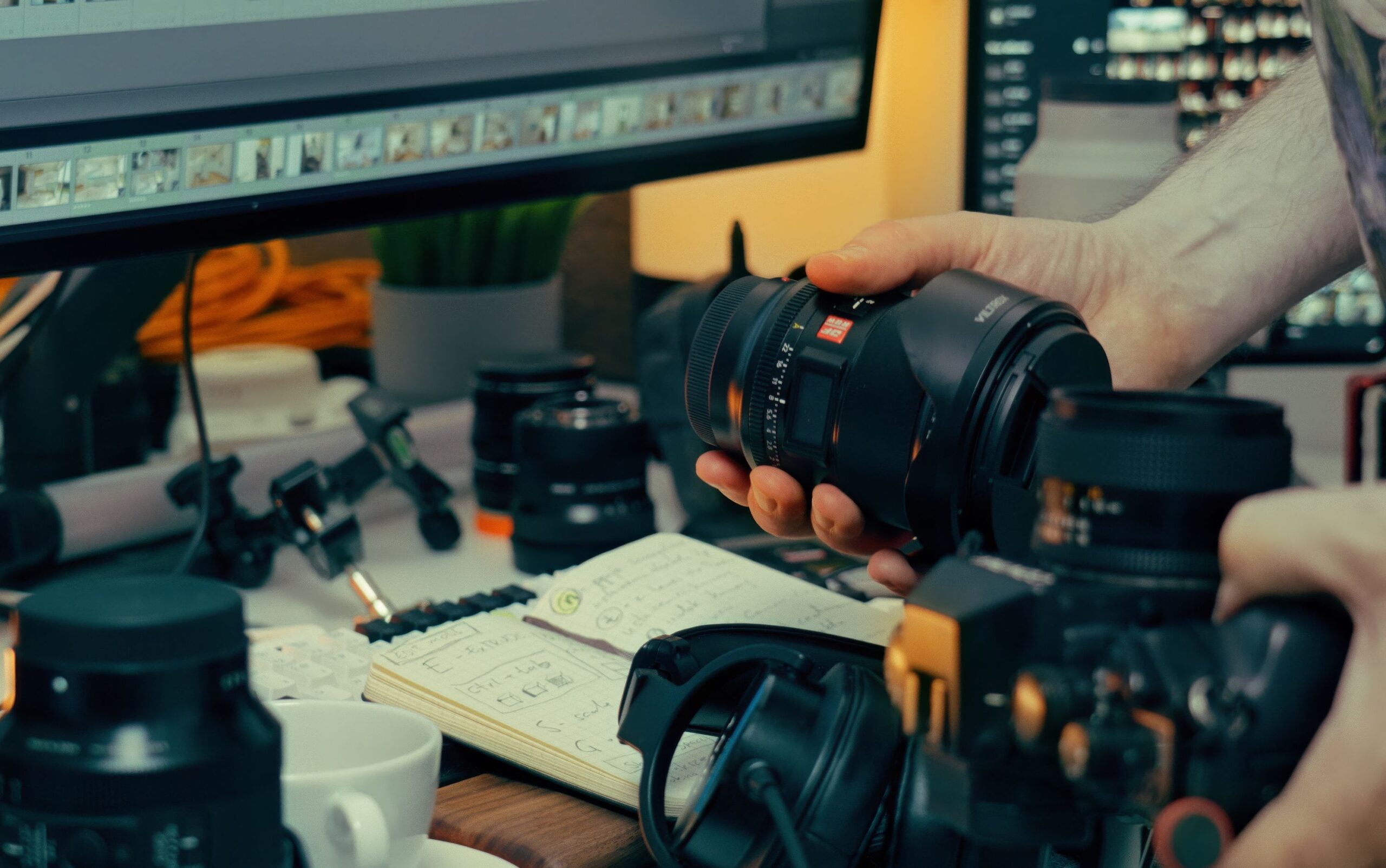
6. Leaving the lens hood in the bag
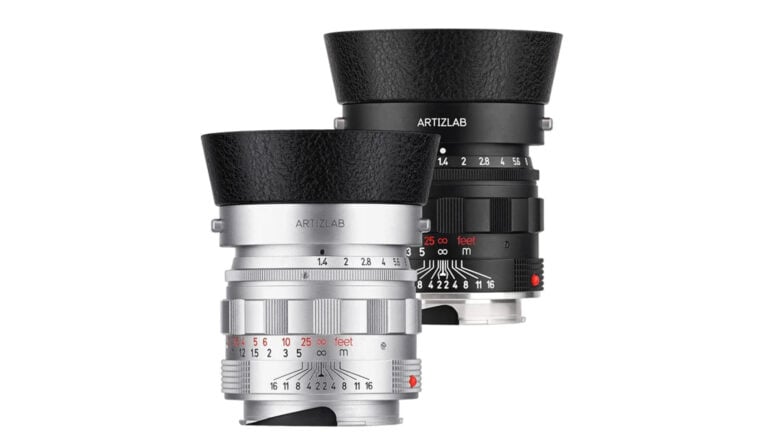
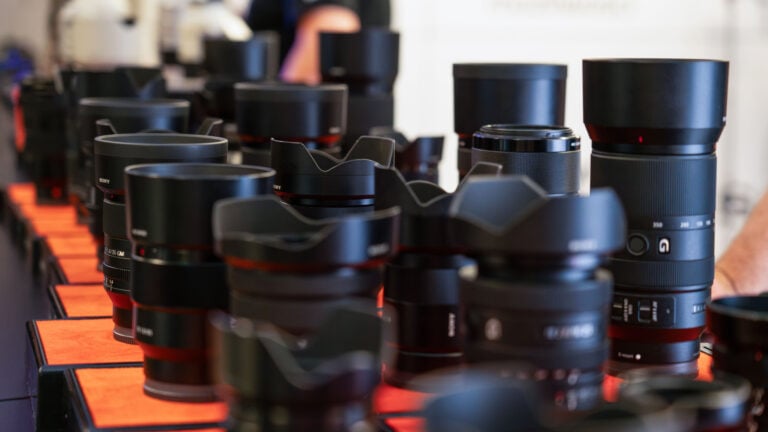
Lens hoods are often associated with reducing unwanted flare, but they also provide physical protection. They can take the impact from an accidental bump against a wall, branch, or other hard surface before the front of the lens does.
Scott recommends using a lens hood consistently, not simply carrying one in the camera bag. It is a small habit that can help prevent scratches and other damage, particularly when shooting in crowded or uneven locations.
7. Letting good light make you careless
This is perhaps Scott’s most important point. When photographers rush to catch a sunrise or sunset, they are more likely to forget basic precautions. A tripod gets opened without checking its locks, a lens gets changed in the wind, or equipment gets moved without being properly secured.
His solution is to arrive early and plan compositions before the light becomes interesting. Think about alternative shooting positions and how the scene might change. That way, a sudden burst of beautiful light does not turn into a frantic scramble to get everything set up.
The shot is fleeting. A broken lens isn’t.
Scott’s seven reminders are less about buying better equipment and more about building better habits. A lens hood, a stable tripod, and a little patience can prevent damage that might otherwise cost hundreds or thousands of dollars to repair.
The next time the sky turns spectacular just as you’re packing up, take a breath before rushing back to the camera. That perfect shot might last only a few minutes, but the repair bill could stick around for much longer.
See more from DIYPhotography.net on Google
Add DIYPhotography.net as a trusted source. This makes
our stories more likely to appear in your Google Search results.
 Add as a preferred source on Google

Alysa Gavilan
Alysa Gavilan has spent years exploring photography through photojournalism and street scenes. She enjoys working with both film and mirrorless cameras, and her fascination with the craft has grown over the decades. Inspired by Vivian Maier, she is drawn to capturing everyday moments that often go unnoticed.
Related Posts
 Ditch these five bad habits to become a better street photographer
 Forget about these five bad landscape photography habits
 Everyone takes bad photos: here’s some inspiration if you feel bad about your work
 Why do Pros never own the latest and greatest gear (and why their gear is in such bad shape)?
Join the Discussion
DIYP Comment Policy
Be nice, be on-topic, no personal information or flames.