















Flyby Images from ESA’s JUICE Spacecraft Before Heading to Jupiter
Nov 5, 2026
Soumyadeep Mukherjee
Soumyadeep Mukherjee is an award-winning astrophotographer from India. He has a doctorate degree in Linguistics. His work extends to the sub-genres of nightscape, deep sky, solar, lunar and optical phenomenon photography. He is also a photography educator and has conducted numerous workshops. His works have appeared in over 40 books & magazines including Astronomy, BBC Sky at Night, Sky & Telescope among others, and in various websites including National Geographic, NASA, Forbes. He was the first Indian to win “Astronomy Photographer of the Year” award in a major category.
Share:
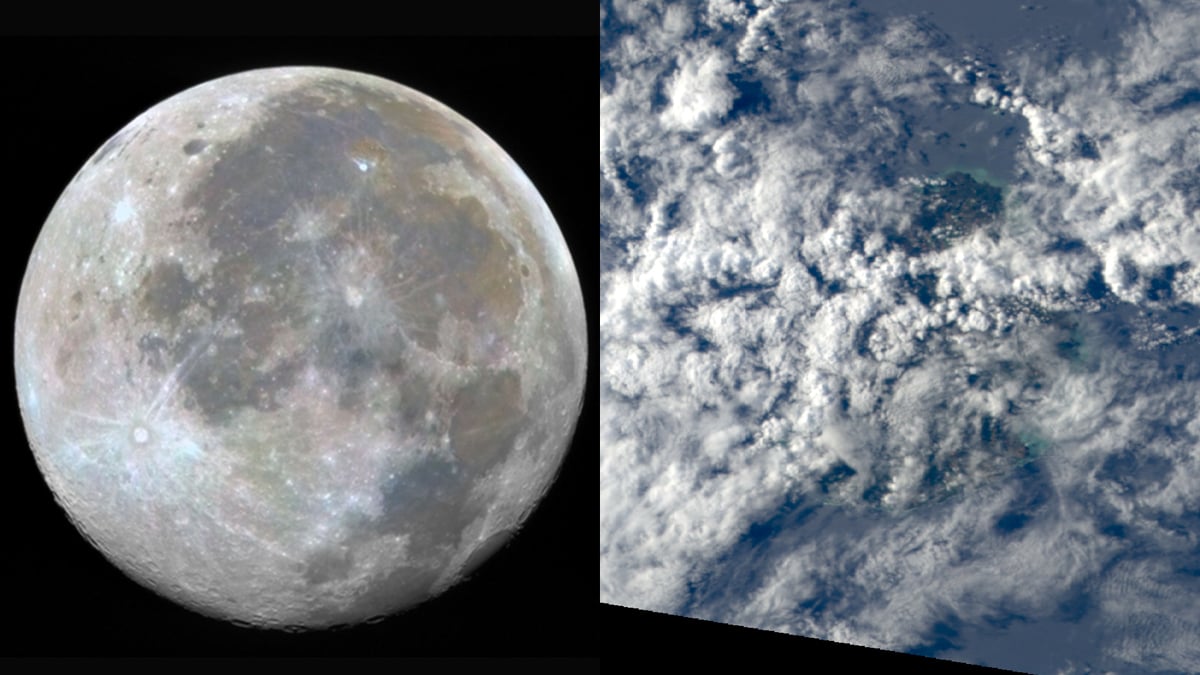
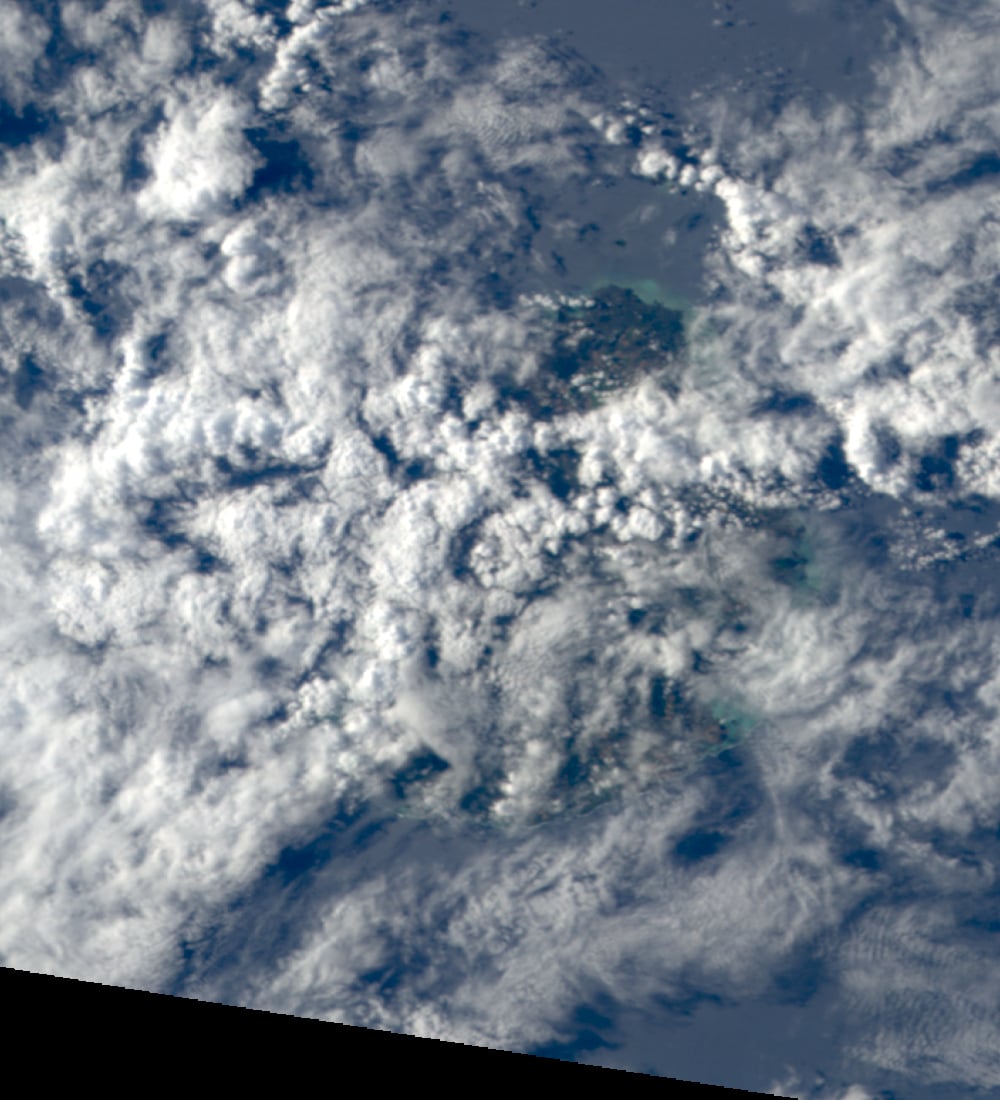
ESA‘s Jupiter Icy Moons Explorer (JUICE) had a busy few days during its September 2026 Earth encounter. As the spacecraft used Earth’s gravity to adjust its course toward Jupiter, its scientific camera photographed Earth and the Moon from different distances. The observation campaign produced 740 images, including a detailed photographic sequence covering parts of Africa.
JANUS captures 740 images during the Earth flyby
JANUS is JUICE’s high-resolution optical camera. Its name stands for Jovis, Amorum ac Natorum Undique Scrutator. The instrument will photograph Jupiter‘s upper cloud layers, its thin rings, and its smaller moons. It will also examine the surfaces of Ganymede, Callisto, and Europa, searching for geological structures and changes across their icy landscapes.
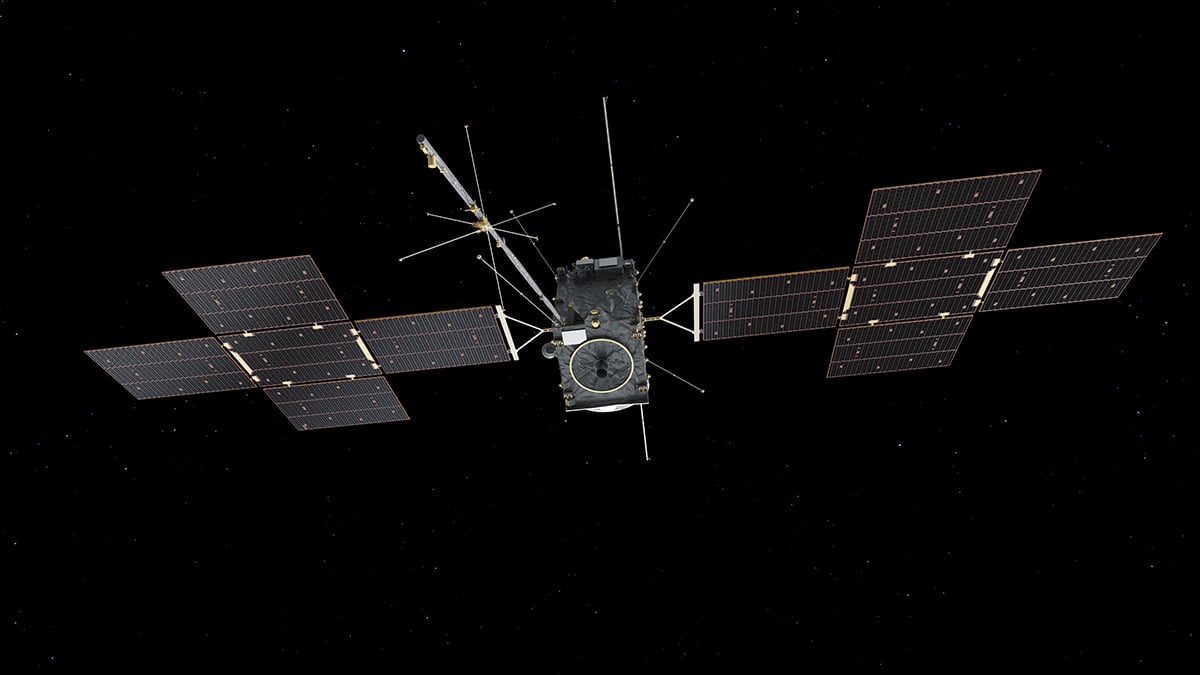
The camera uses 13 filters to record different wavelengths of light. Three of these filters capture red, green, and blue information, while the others allow scientists to examine narrower wavelength bands. These additional observations can reveal surface differences that ordinary color photographs might conceal.
JANUS began its Earth observation campaign at 23:00 CEST on September 27. It continued working until 10:40 CEST on October 2, collecting 740 images along the way. The team varied the camera’s exposure times and filters to examine different targets and lighting conditions.
Forty photographs reveal a long stretch of Africa
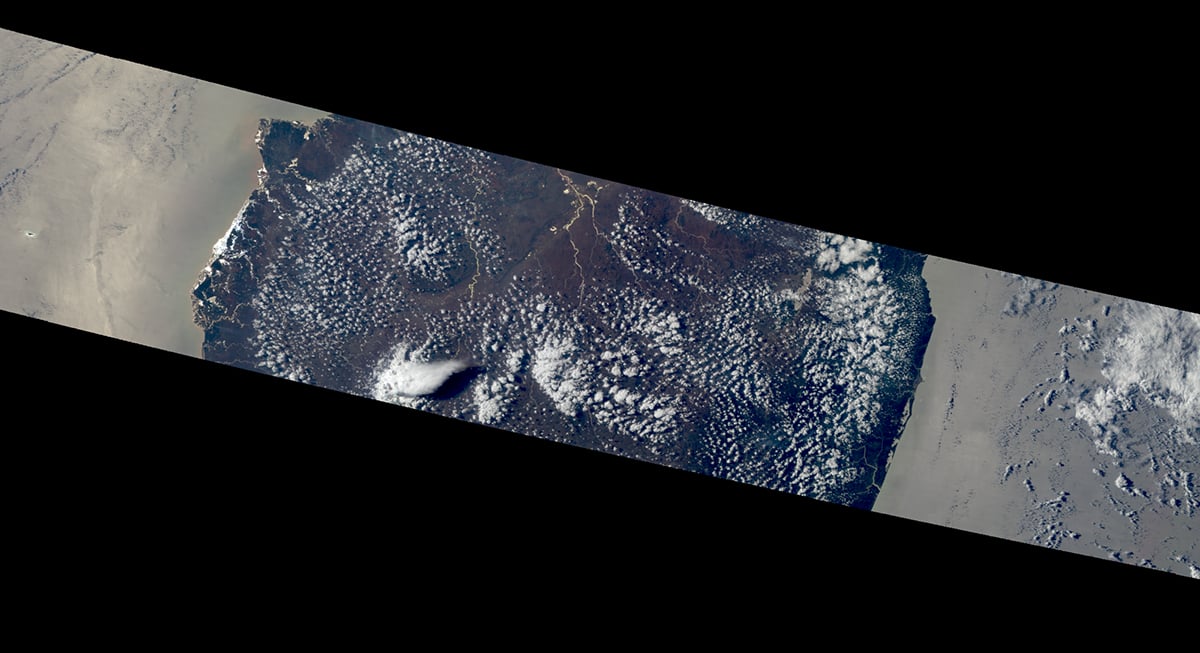
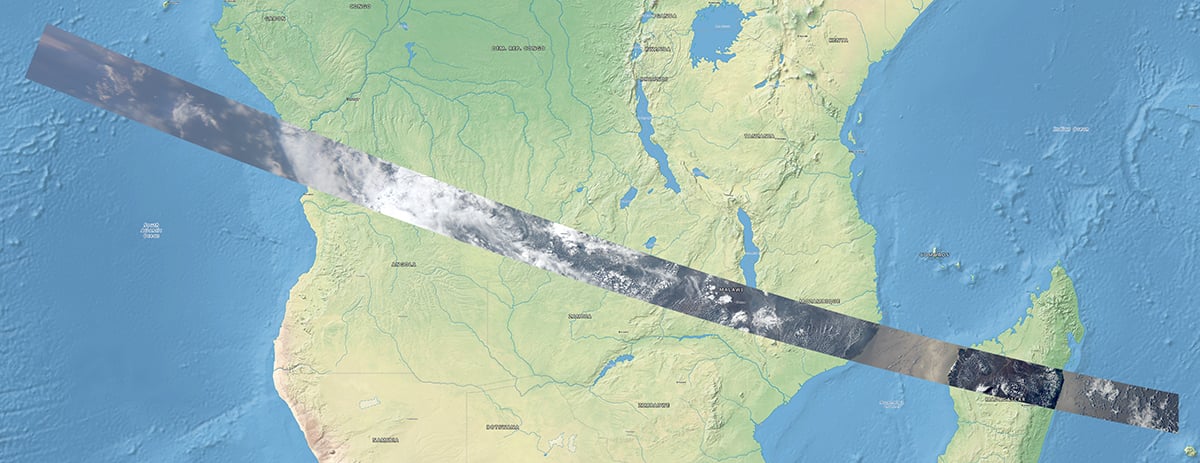
One of the most detailed results from the campaign is a photographic strip covering parts of Africa and the western Indian Ocean. The sequence stretches from east of Madagascar towards the Gulf of Guinea. It crosses Mozambique, Malawi, Zambia, the Democratic Republic of the Congo, and Angola.
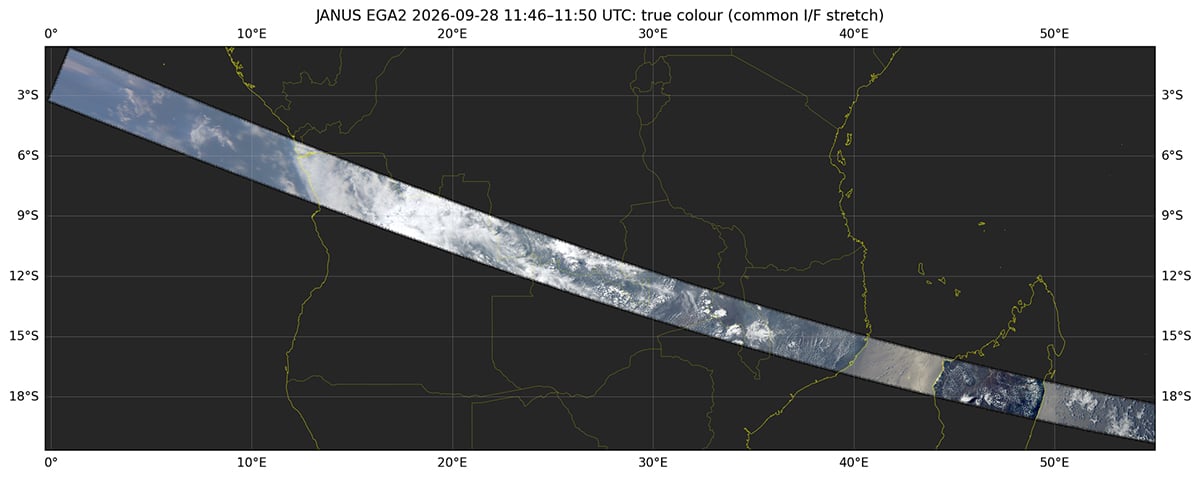
The strip measures approximately 250 to 300 kilometers across. JANUS recorded the region as Earth rotated beneath the moving spacecraft. The camera captured separate red, green, and blue frames, which scientists later combined into a continuous mosaic.
The processing involved approximately 40 individual images. The team used JUICE‘s position and pointing information to place each photograph onto a common map grid. They then aligned the overlapping sections and blended them. Finally, they balanced the three color channels to produce a natural-looking view, including the slight blue haze caused by Earth’s atmosphere.
JANUS photographs the Moon
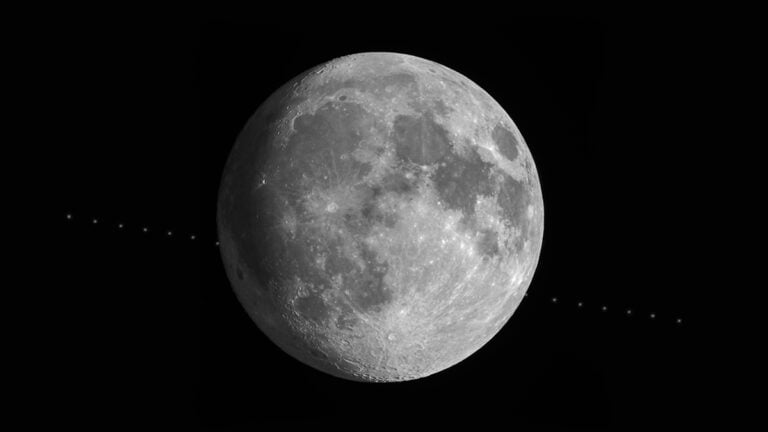
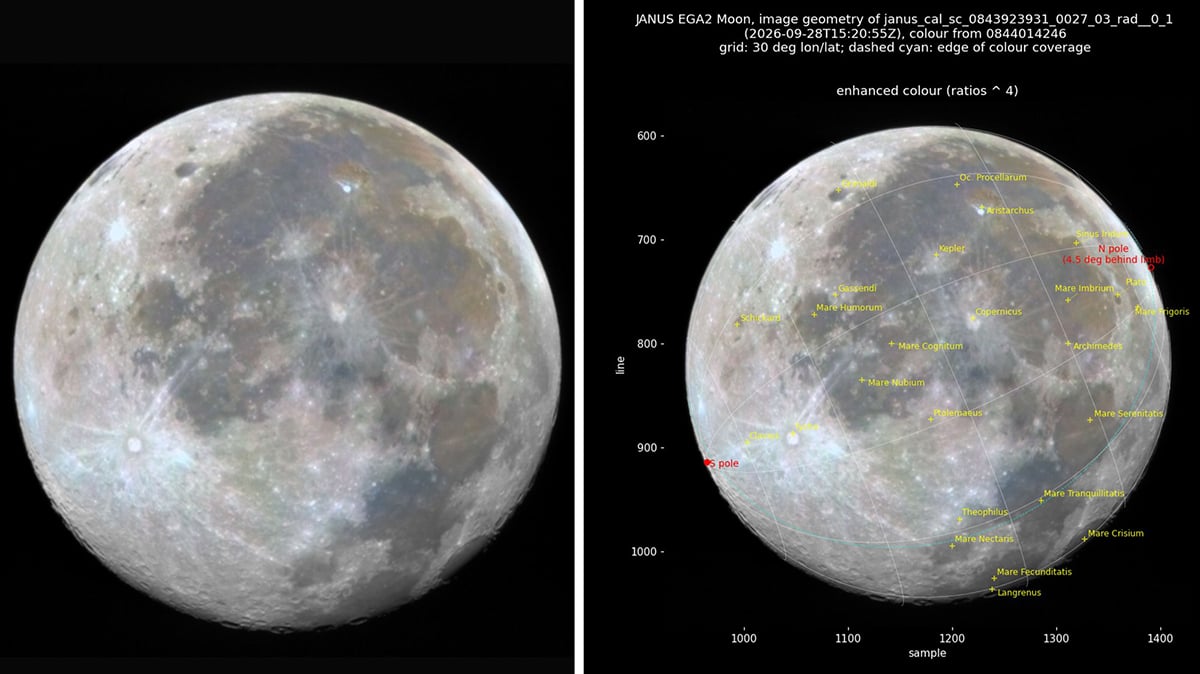
JANUS photographed the Moon during three observation sessions, scheduled approximately three and a half hours, one day, and two days after JUICE’s closest approach to Earth. The spacecraft’s increasing distance produced a noticeable change in the Moon’s apparent size.
In the first observation, the lunar disc measured approximately 470 pixels across. Its apparent diameter fell to around 160 pixels in the next session and eventually reached just 100 pixels.
The photographs show several familiar lunar features. The dark maria Imbrium, Procellarum, Serenitatis, and Tranquillitatis stand out against the brighter surrounding terrain. The prominent ray systems around Tycho and Copernicus are also visible.
The team also enhanced the Moon’s subtle color variations during processing. The colors are much more pronounced than they appear to the human eye. They represent differences measured by JANUS’s filters and should not be interpreted as a direct map of lunar chemical composition. The bluish regions around young craters such as Tycho and Aristarchus are particularly noticeable.
Clear skies!
See more from DIYPhotography.net on Google
Add DIYPhotography.net as a trusted source. This makes
our stories more likely to appear in your Google Search results.
 Add as a preferred source on Google

Soumyadeep Mukherjee
Soumyadeep Mukherjee is an award-winning astrophotographer from India. He has a doctorate degree in Linguistics. His work extends to the sub-genres of nightscape, deep sky, solar, lunar and optical phenomenon photography. He is also a photography educator and has conducted numerous workshops. His works have appeared in over 40 books & magazines including Astronomy, BBC Sky at Night, Sky & Telescope among others, and in various websites including National Geographic, NASA, Forbes. He was the first Indian to win “Astronomy Photographer of the Year” award in a major category.


Join the Discussion
DIYP Comment Policy
Be nice, be on-topic, no personal information or flames.