


















Your Photography Could Improve Before You Even Pick Up Your Camera
Aug 25, 2026
Alysa Gavilan
Alysa Gavilan has spent years exploring photography through photojournalism and street scenes. She enjoys working with both film and mirrorless cameras, and her fascination with the craft has grown over the decades. Inspired by Vivian Maier, she is drawn to capturing everyday moments that often go unnoticed.
Share:
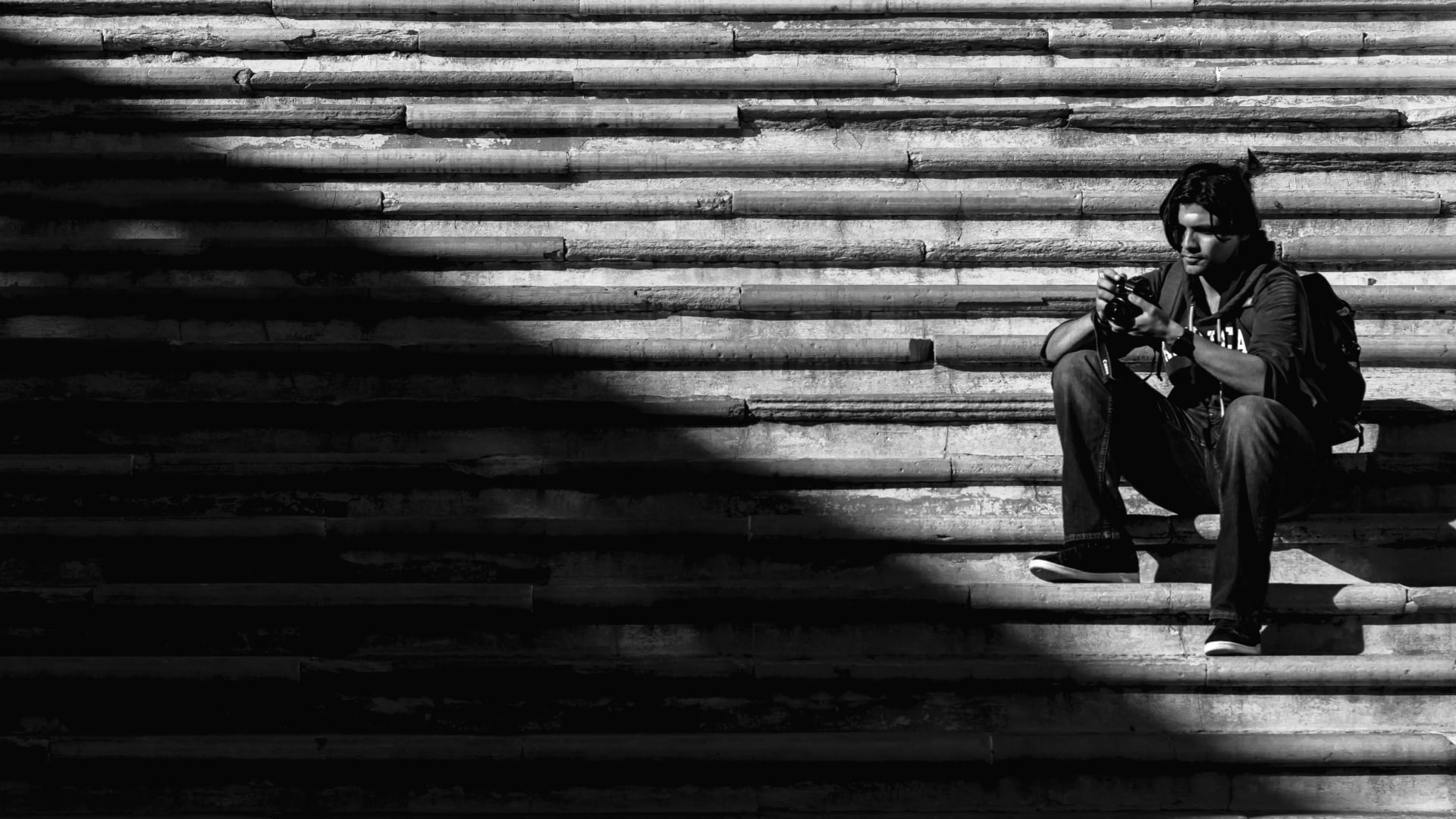
The photographs you look at every day may be influencing how you take your own. For photographers trying to improve their photography, the instinct is often to shoot more, learn new camera settings, or invest in better gear. But photographer Simon Booth believes there is another part of the process that happens before you even pick up a camera: learning how to look at photographs carefully.
In a YouTube video, Booth explains why photographers should be more selective about the images they use for inspiration. After around four decades of photographing landscapes and nature, he argues that the photographs surrounding us can influence how we see subjects, understand composition, and decide what is worth putting inside the frame.
How to improve your photography by choosing better inspiration
Booth calls his approach the “Four Cs”: carefully create the content you consume. The idea is particularly relevant at a time when photographers can encounter thousands of images through social media, often without knowing how those images were selected or what makes them successful.
When Booth started photography in the 1980s, much of the work he encountered came through magazines, books, calendars, and postcards. Those photographs had already been selected by editors or publishers, giving photographers a smaller but more curated pool of images to study.
The internet has changed that dramatically. Photographers now have access to an almost endless stream of photography inspiration, but Booth suggests that quantity is not necessarily useful. Instead, he recommends following established photography competitions and studying their winning images.
Among the competitions he recommends are Wildlife Photographer of the Year, Close-up Photographer of the Year, Nature Photographer of the Year, the British Wildlife Photography Awards, International Garden Photographer of the Year, and European Wildlife Photographer of the Year.
The point is not simply to collect photographs to admire. Regularly studying strong photography can help develop an eye for composition, light, color, framing, and subject selection. For anyone wondering how to improve their photography, Booth’s advice starts with becoming more conscious of the visual work they consume.
Finding better compositions in ordinary subjects
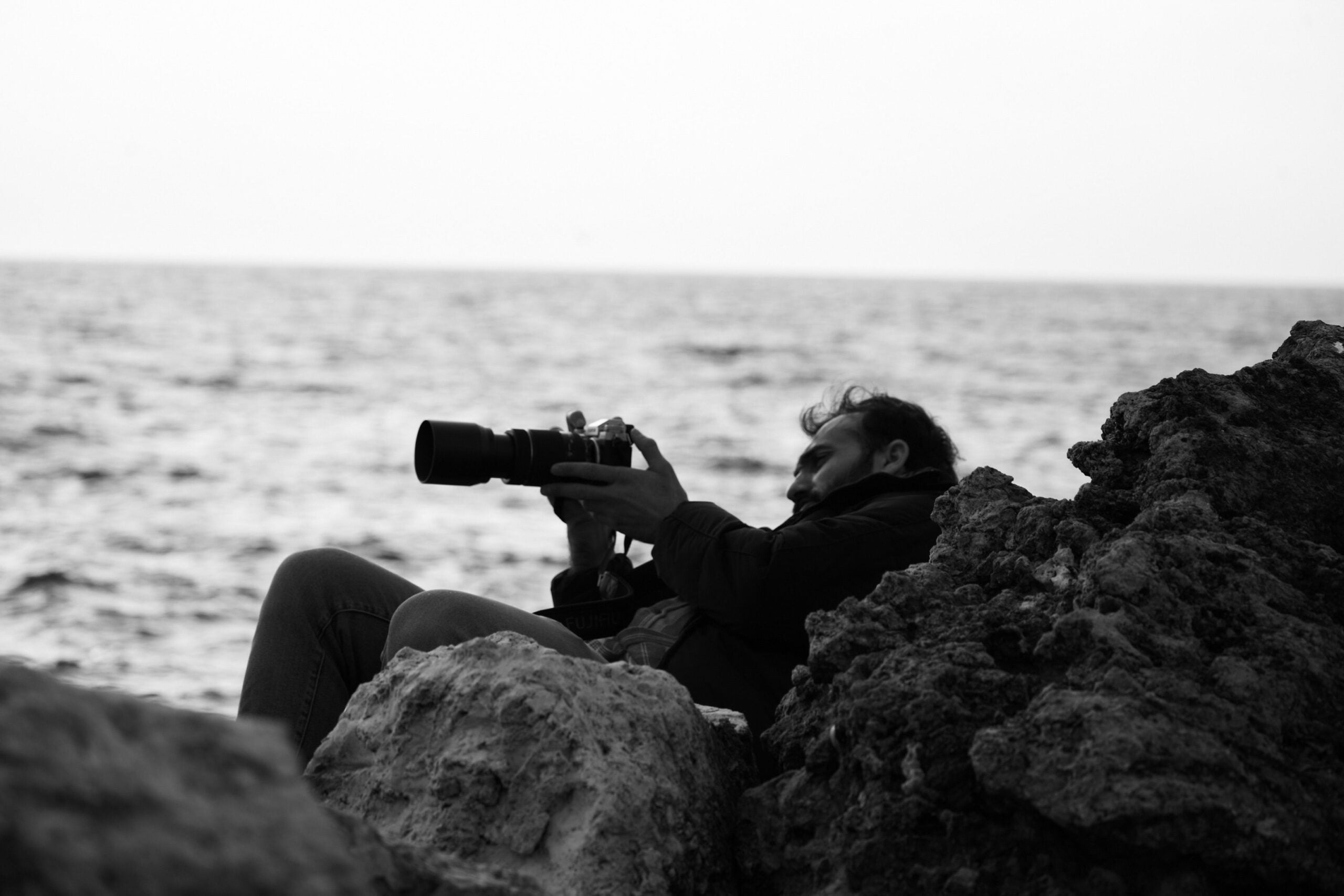
Booth’s approach is also evident in the way he photographs nature. In the video, he turns his attention to fallen sycamore seeds and leaves on a woodland floor rather than searching for an obviously spectacular landscape. By isolating small groups of objects, he focuses on their shapes, colors, textures, and relationships within the frame.
The approach reflects one of his central principles: remove anything that does not contribute to the photograph.
He demonstrates the idea with a simple exercise involving two fallen leaves. Instead of photographing the entire woodland floor, photographers can look for two leaves whose colors or shapes work together and build a composition around them. The subject itself is ordinary, but careful framing can make the resulting photograph more interesting.
That exercise also highlights an important part of learning photography. A better photograph does not always require a more dramatic subject. Sometimes the skill lies in noticing an arrangement that other people might overlook.
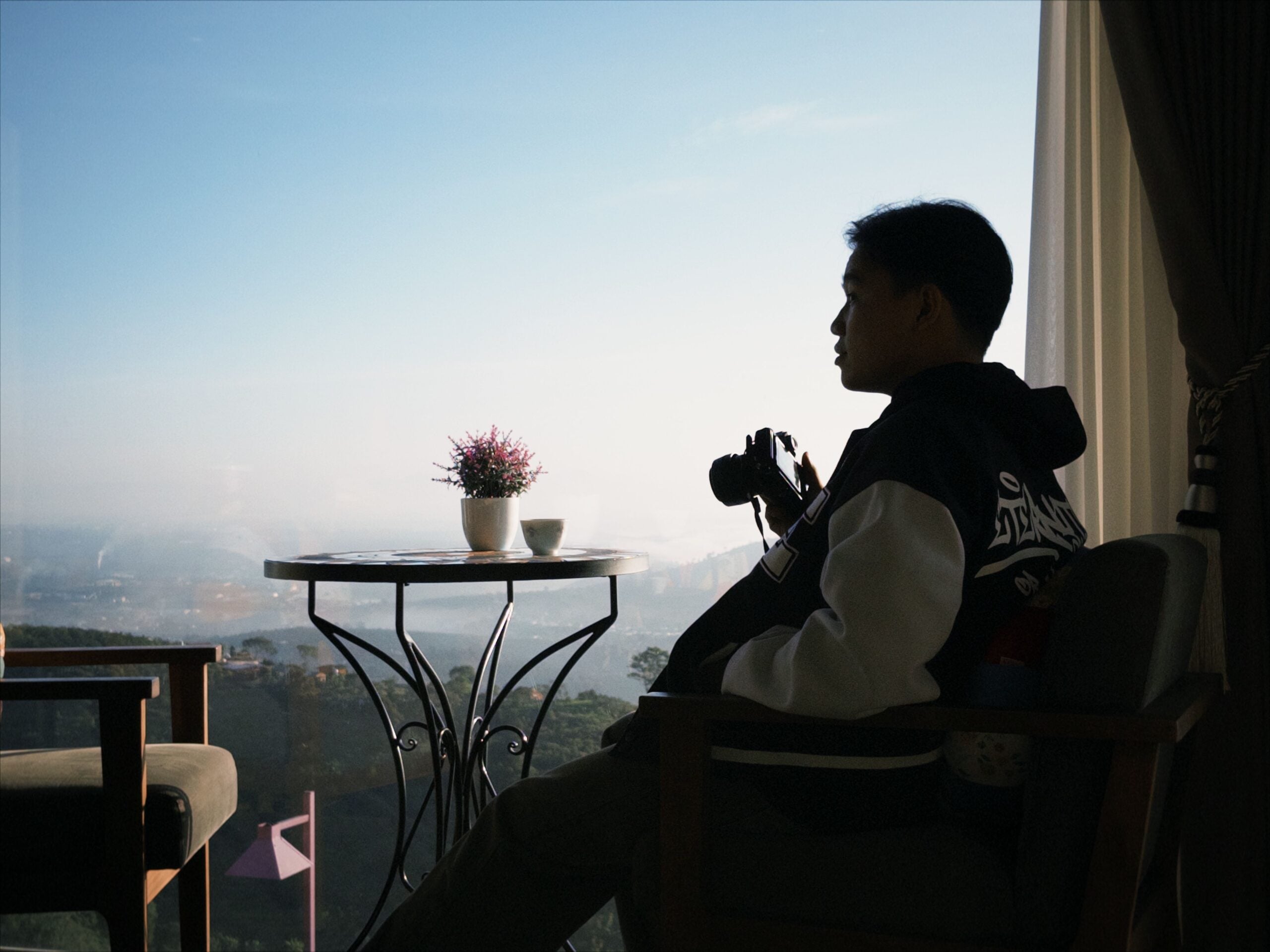
Photography is also about learning to see
Booth’s advice ultimately goes beyond camera technique. Learning exposure settings and understanding equipment are useful, but developing a stronger photographic eye requires paying attention to how successful images are constructed and then practicing that way of seeing in the real world.
For photographers looking for new ways to improve their photography, that could mean spending less time scrolling through random images and more time studying carefully selected work.
The next time you head out with your camera, look around a little longer before pressing the shutter. You may find that the photograph worth taking was hiding in an ordinary scene all along.
See more from DIYPhotography.net on Google
Add DIYPhotography.net as a trusted source. This makes
our stories more likely to appear in your Google Search results.
 Add as a preferred source on Google

Alysa Gavilan
Alysa Gavilan has spent years exploring photography through photojournalism and street scenes. She enjoys working with both film and mirrorless cameras, and her fascination with the craft has grown over the decades. Inspired by Vivian Maier, she is drawn to capturing everyday moments that often go unnoticed.




Join the Discussion
DIYP Comment Policy
Be nice, be on-topic, no personal information or flames.