
















AI Wildlife Images Could Harm Conservation, New Study Warns
Jul 27, 2026
Alysa Gavilan
Alysa Gavilan has spent years exploring photography through photojournalism and street scenes. She enjoys working with both film and mirrorless cameras, and her fascination with the craft has grown over the decades. Inspired by Vivian Maier, she is drawn to capturing everyday moments that often go unnoticed.
Share:
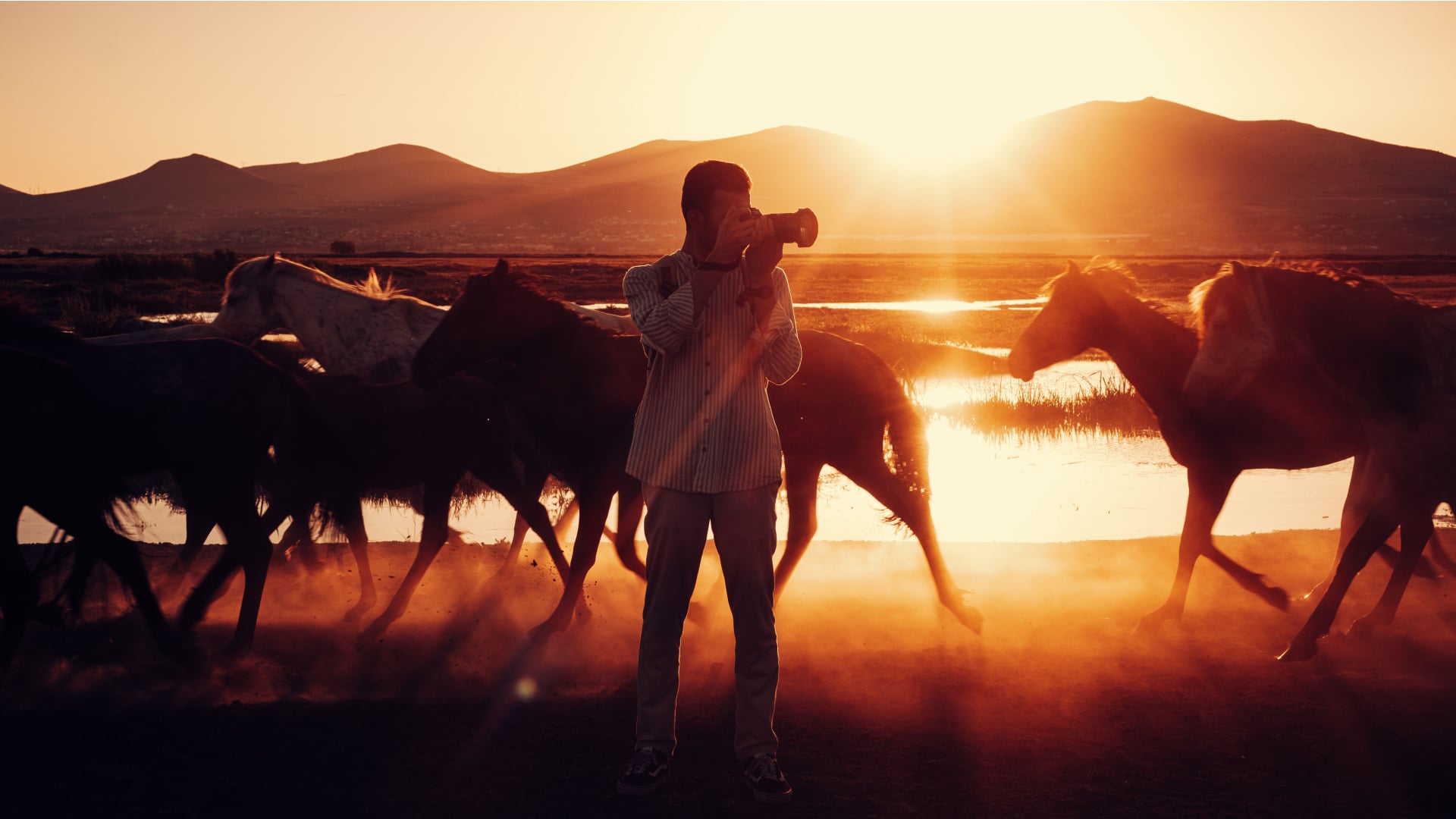
Artificial intelligence can create a breathtaking wildlife photo in seconds. The catch is that the animal, the moment, or even the entire species may never have existed. As these images become nearly impossible to tell apart from real photographs, a new study warns they could do more than fool viewers. They may also undermine wildlife conservation.
The research, published by José Guerrero Casado, Tamara Murillo Jiménez, Antonio Carpio, Francisco Tortosa, and Rocío Serrano Rodríguez, examines how AI generated wildlife images and videos could distort public understanding of animals and biodiversity.
The authors argue that the rapid spread of realistic AI content, particularly on social media, could influence how people perceive wildlife, conservation, and even scientific information.
AI image generators have become remarkably good at producing realistic wildlife scenes from simple text prompts. While these tools have creative and educational uses, the study focuses on what happens when fictional wildlife is mistaken for reality.
Unlike obvious digital illustrations, today’s AI generated images can closely resemble genuine wildlife photography. According to the researchers, this makes misinformation much harder to identify and correct.
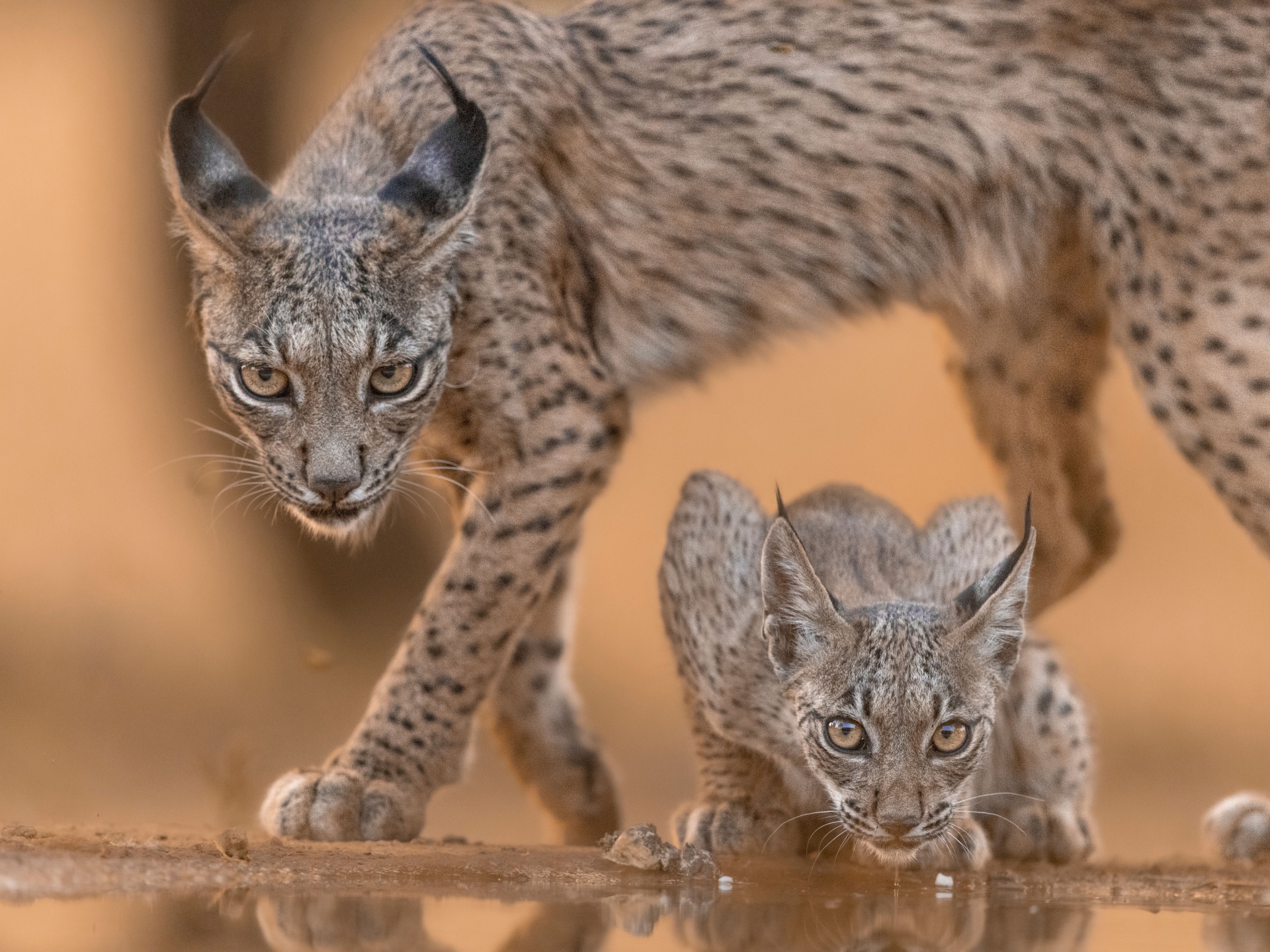
Social media can spread wildlife misinformation faster
One of the study’s biggest concerns is social media.
Wildlife content already performs well on platforms like Instagram, Facebook, TikTok, and YouTube. Emotional, surprising, or visually striking animal videos often receive millions of views. The researchers note that some users have already shared AI generated wildlife images and videos while presenting them as authentic.
As AI tools continue improving, the study suggests these misleading posts could become even more common. Because many viewers assume realistic looking footage is genuine, false information about animal behavior or species distribution can spread rapidly.
The researchers warn that AI generated wildlife content could become another source of online misinformation alongside fake news, manipulated videos, and misleading images.
Fake animal behavior creates real misconceptions
The study also explores how AI encourages anthropomorphism, the tendency to give animals human emotions and behaviors.
Many AI generated videos show predators protecting prey, wild animals hugging humans, or different species behaving like close friends. While entertaining, these scenes rarely reflect how animals behave in nature.
One example highlighted by the researchers shows birds shielding chicks from the rain in ways viewers described as expressions of “true mother love.” The study points out that these human interpretations often ignore the complexity of animal behavior, including the fact that many bird species share parental duties, while others provide no parental care at all.
Repeated exposure to fictional animal behavior may gradually replace scientific understanding with emotional storytelling.
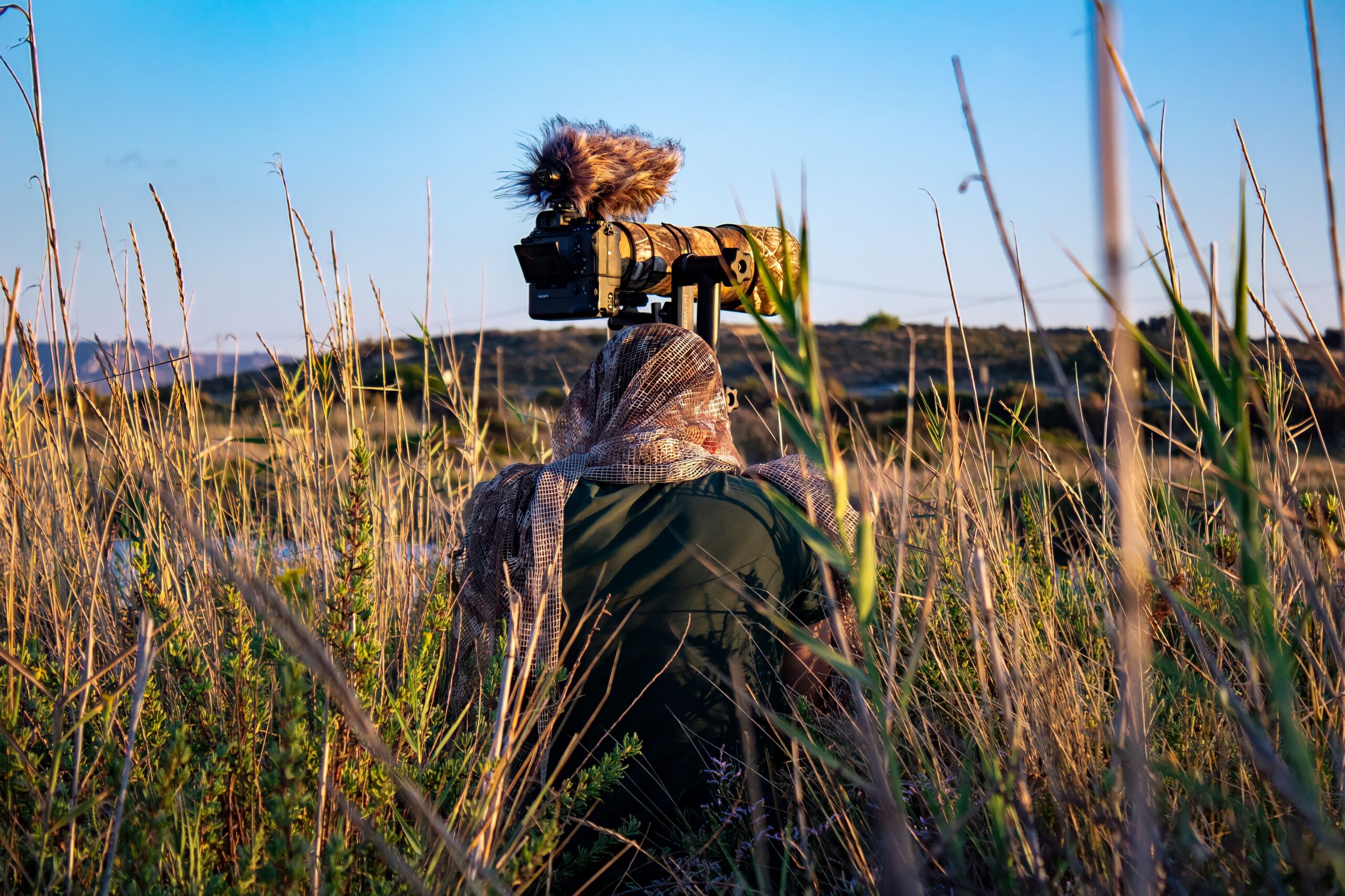
Conservation could suffer
The researchers argue that conservation efforts may also be affected.
If social media becomes saturated with AI generated images of endangered animals appearing healthy and abundant, people may incorrectly assume those species are no longer at risk. That misunderstanding could reduce public support for conservation projects, donations, or volunteer work.
The study also warns about AI generated videos showing wild animals behaving like affectionate pets. Such portrayals could encourage interest in keeping exotic wildlife as companions, adding pressure to the illegal wildlife trade.
On the opposite end of the spectrum, fake videos exaggerating attacks by wild animals or human wildlife conflicts could increase fear and reduce sympathy for threatened species.
Children may be especially vulnerable
Young audiences receive special attention in the study.
Children often learn about wildlife through television, books, social media, and online videos. As AI generated content becomes more realistic, distinguishing real animals from fictional creations may become increasingly difficult.
The researchers mention examples of AI generated hybrid animals that combine features from completely different species. While some adults recognize these creations as fake, comments on social media show that many users still ask if they are real.
The concern is that repeated exposure to fictional wildlife could confuse children who are still developing their understanding of biodiversity.
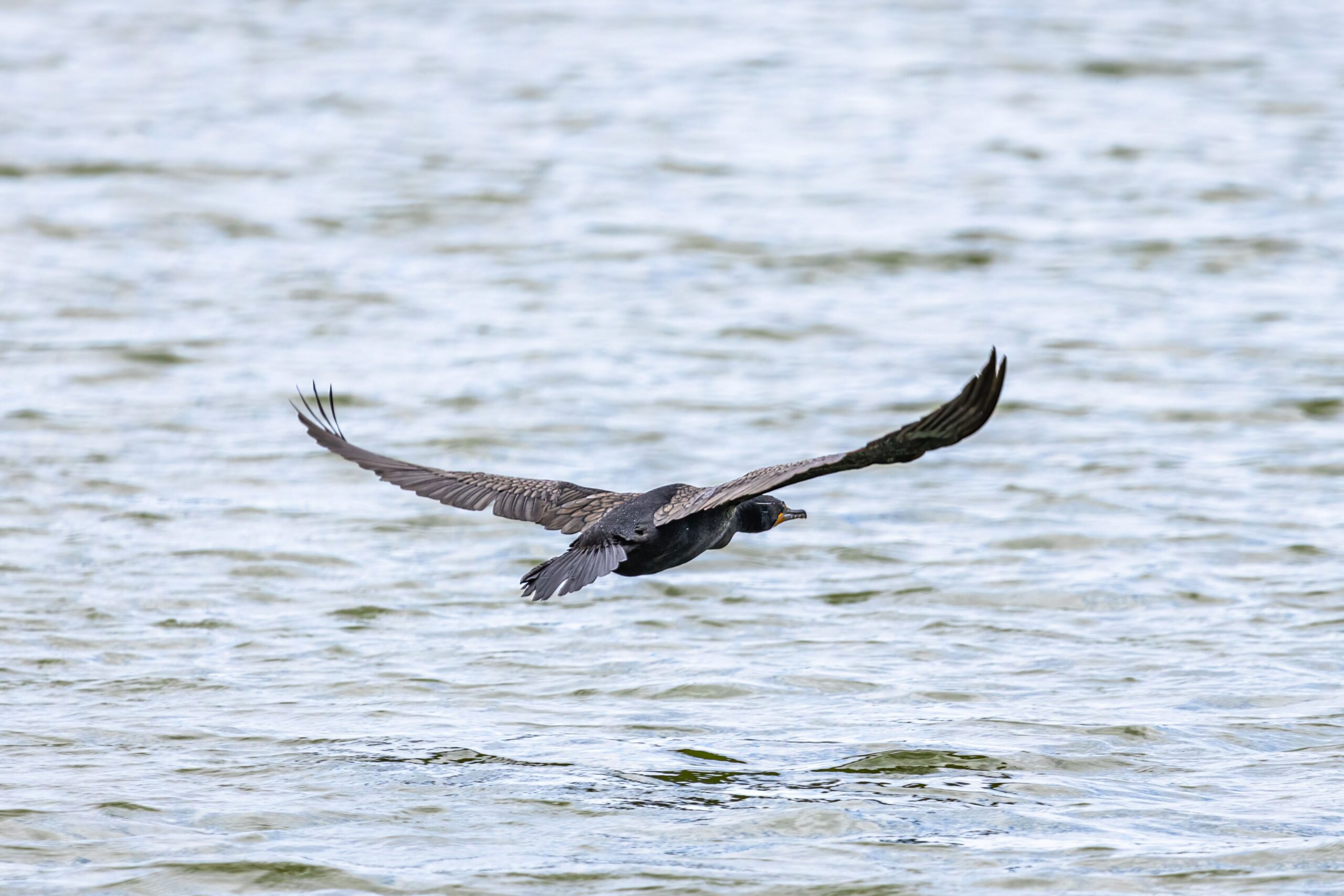
Even scientists face new challenges
The effects are not limited to the general public.
Modern conservation research increasingly uses photographs, videos, and online observations shared by the public to study species distributions, migration, and behavior. According to the study, realistic AI generated wildlife content could contaminate these valuable data sources if fake images are mistaken for authentic observations.
Verifying online wildlife records may become significantly more difficult as AI generated content continues improving.
Why accurate wildlife photography matters
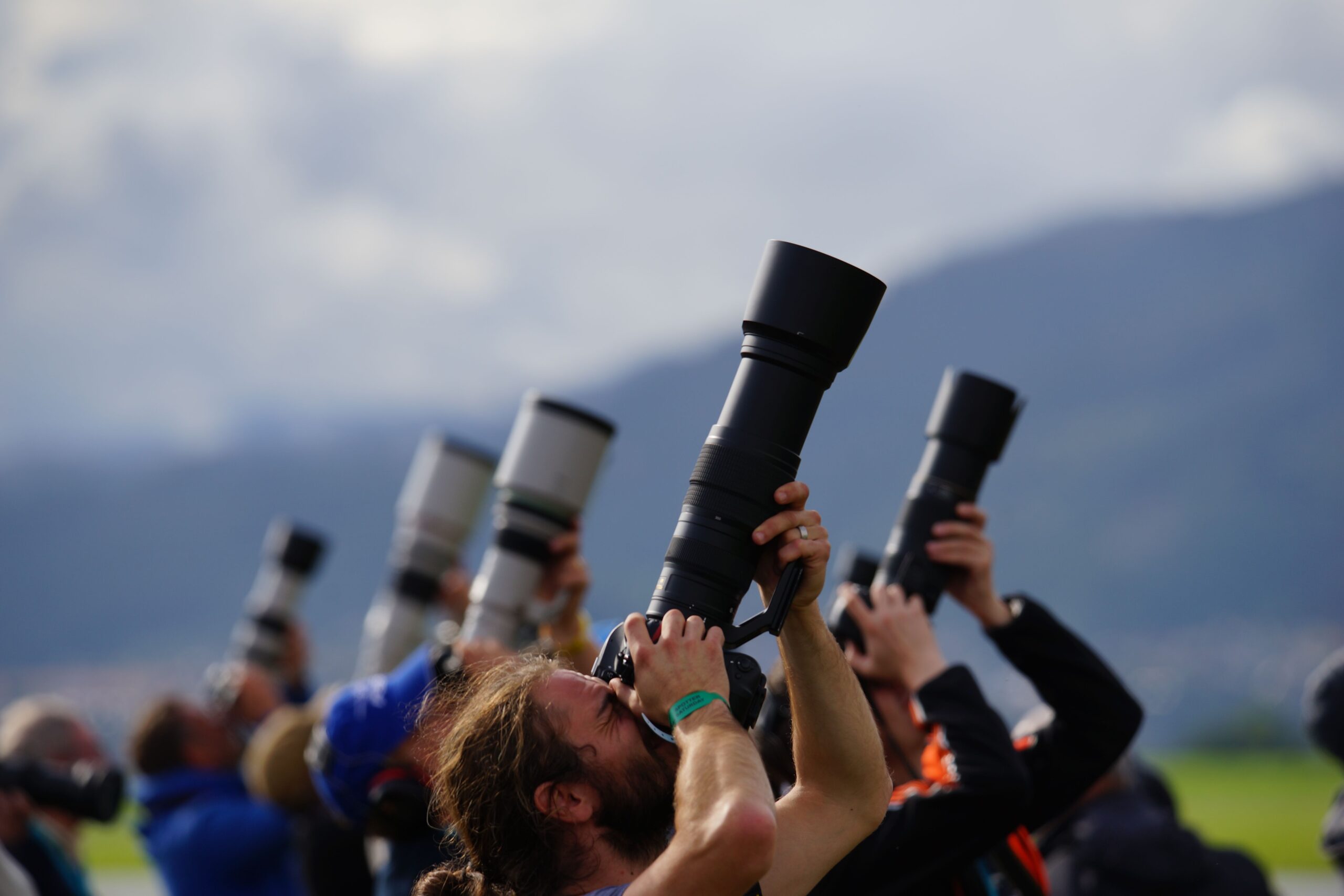
For photographers, the research highlights the growing importance of authenticity.
Wildlife photography has always served as more than art. It documents species, supports conservation campaigns, educates the public, and creates lasting records of the natural world. Authentic images help scientists, educators, and conservation organizations communicate facts instead of fiction.
As AI generated wildlife becomes increasingly convincing, real photographs taken in the field may become even more valuable because they provide evidence of actual animals, habitats, and behaviors.
The study calls for education and transparency
Rather than opposing AI technology entirely, the researchers focus on responsible use.
The study recommends clearly labeling AI generated wildlife images and videos to reduce misinformation. It also emphasizes improving media literacy so people can critically evaluate the digital content they encounter every day.
The authors believe education will become one of the strongest tools for helping future generations distinguish authentic wildlife photography from AI. In an internet filled with spectacular animal images, learning to recognize what is real may become just as important as learning to appreciate nature itself. And for photographers dedicated to documenting the natural world, that mission has never mattered more.
See more from DIYPhotography.net on Google
Add DIYPhotography.net as a trusted source. This makes
our stories more likely to appear in your Google Search results.
 Add as a preferred source on Google

Alysa Gavilan
Alysa Gavilan has spent years exploring photography through photojournalism and street scenes. She enjoys working with both film and mirrorless cameras, and her fascination with the craft has grown over the decades. Inspired by Vivian Maier, she is drawn to capturing everyday moments that often go unnoticed.
Related Posts
 New Photography Book Both Captures the Stunning Birdlife of the Tropical Andes and Highlights Conservation
 100 photographers join forces to help ocean conservation through photography
 Did you know flash photography can harm baby sea turtles?
 UNICEF Warns Of Rising Child Image Manipulation Using Deepfake
Join the Discussion
DIYP Comment Policy
Be nice, be on-topic, no personal information or flames.