



















Ethics Tips for Nature Photography: Getting the Shot Without Doing Harm
Jun 26, 2026
Lydia Marlowe

Dunja Djudjic is a multi-talented artist based in Novi Sad, Serbia. With 15 years of experience as a photographer, she specializes in capturing the beauty of nature, travel, concerts, and fine art. In addition to her photography, Dunja also expresses her creativity through writing, embroidery, and jewelry making.
Share:
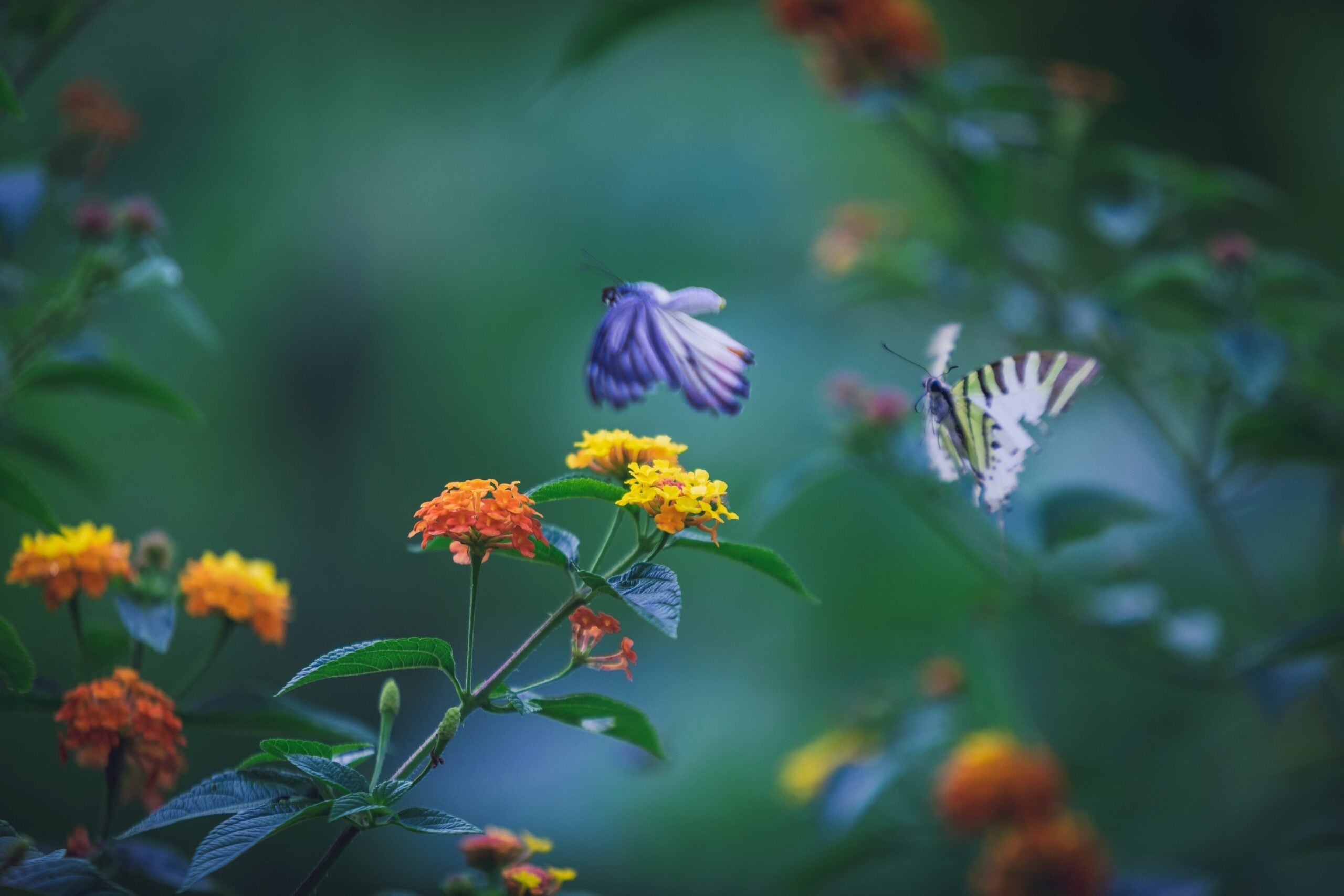
The most important ethics tips for nature photography come down to one principle: never put the shot above the welfare of your subject or its habitat. That means keeping your distance from wildlife, never baiting or feeding animals, staying on marked trails, respecting access rules, and leaving every place as you found it. It’s the part of nature photography that doesn’t show up in the final image but absolutely shows up in the field – and getting it right is what separates a thoughtful photographer from a destructive one.
Here are the ethics tips for nature photography worth following every time you head out.
Follow Leave No Trace
The whole ethic fits under one principle: leave a place better than you found it. Stay on marked trails so you don’t trample fragile terrain or cause erosion, pack out everything you bring in, and leave what you find (that wildflower or interesting rock is better photographed than pocketed). Keep noise down so you don’t disturb wildlife or other visitors. None of it is complicated; it’s just a matter of paying attention and being respectful.
Never Bait or Feed Wildlife
This is the big one, and it’s more harmful than it looks. Feeding animals to lure them closer might get you the shot, but it does real long-term damage. The easier you make it for animals to get food without finding it themselves, the more they come to rely on people for it. This leaves them vulnerable when the handouts stop, and can make them dangerously bold around humans. As one DIYP reader put it, baiting is illegal for hunters, and we hunt with a camera – if it’s unsporting for them, it’s unsporting for us. Let animals behave naturally and earn the shot instead.
Keep Your Distance – Let the Lens Do the Work
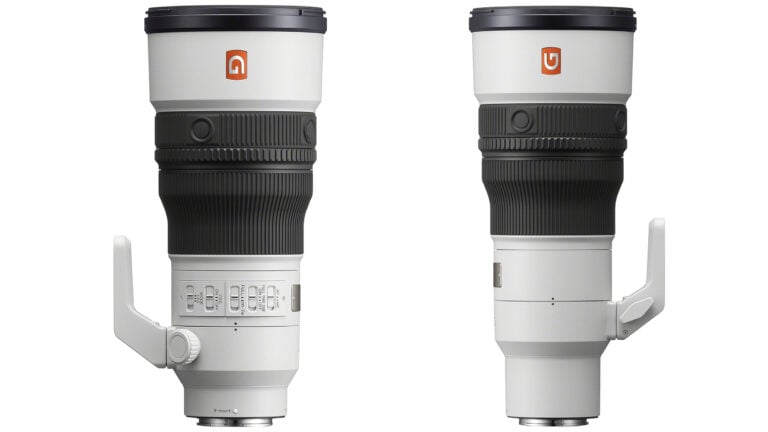
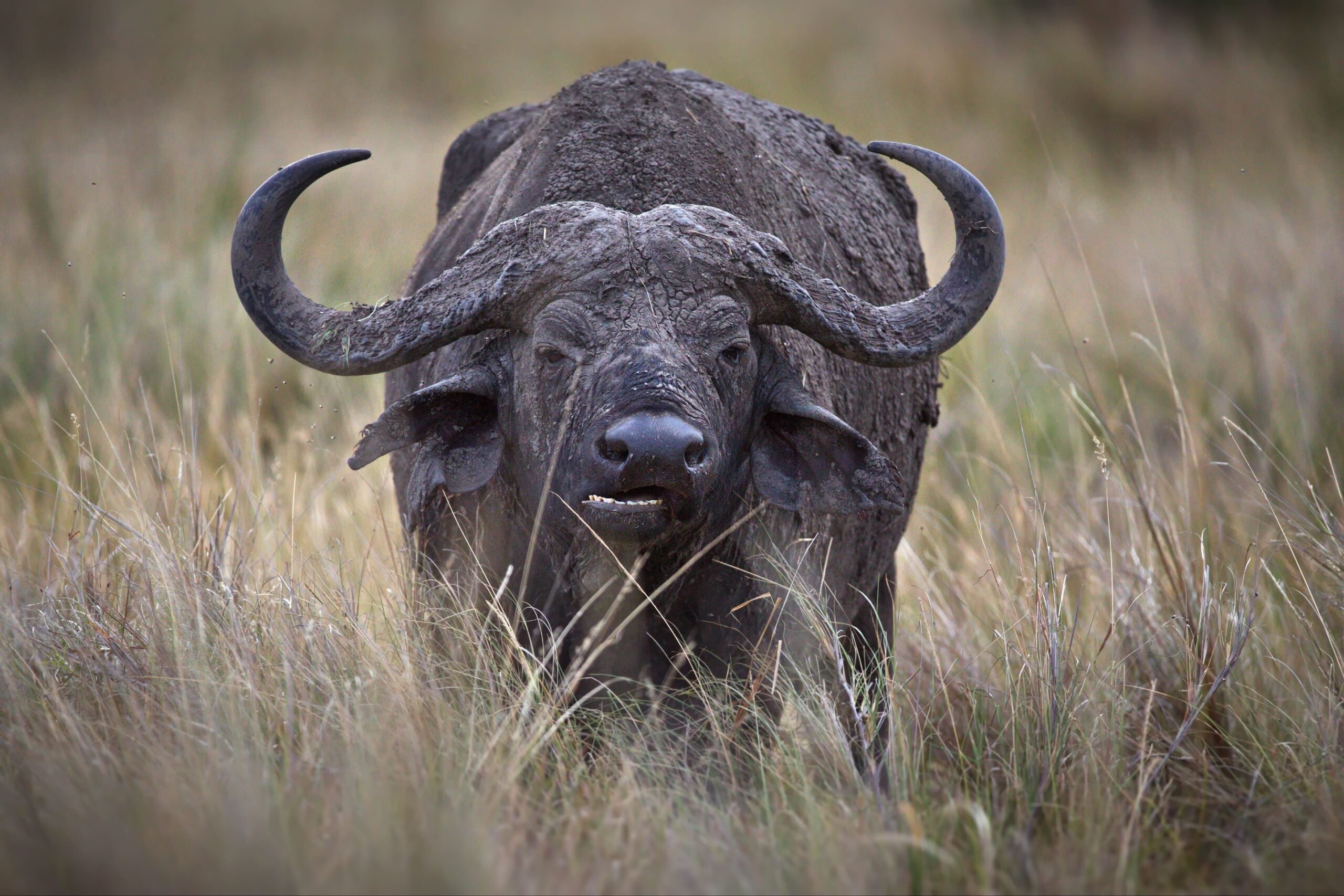
The respectful way to get close is optically, not physically. Use a telephoto lens and natural cover rather than approaching, which stresses animals and can trigger dangerous interactions. Stay quiet and calm to avoid startling wildlife. It increases your chances of witnessing natural behavior anyway, so the ethical choice is usually the better photographic one too. If your presence is changing the animal’s behavior, you’re too close.
The National Park Service shares distance guidelines, stating that “most parks require at least 25-50 yards away from most animal and 100 yards from predators like bears and wolves.”
Respect Access Rules and Private Land
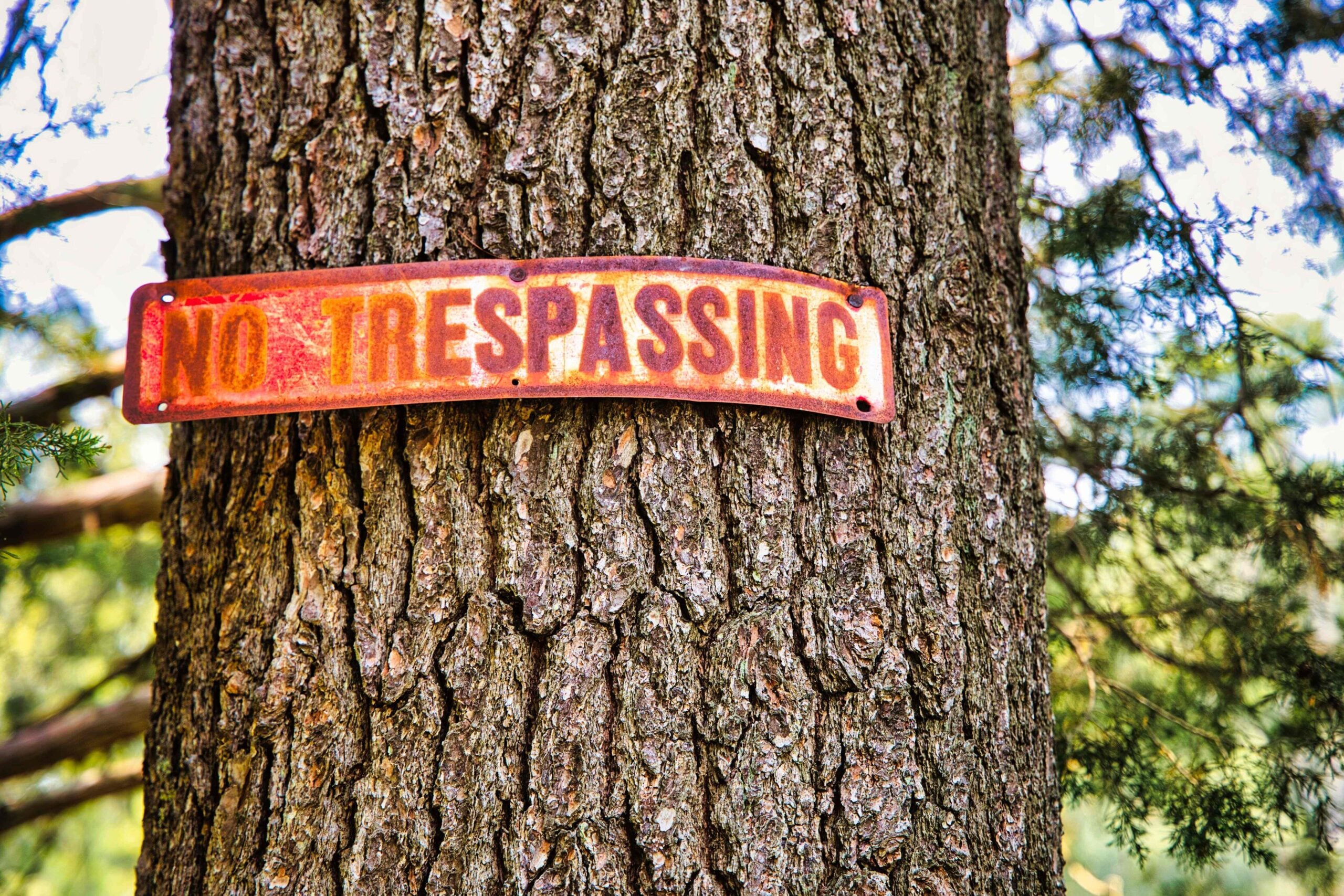
That perfect composition just past the “No Trespassing” sign isn’t worth it. Research access rules before you head out, because some spots that look public are actually private, protected, or indigenous land. Stick to legal, marked routes in national parks and reserves. And when you don’t know, don’t go. Instead, find a nearby spot that offers a similar view without the risk.
Do Your Homework Before You Go
A lot of harm and danger come from simply not knowing your destination. You only do yourself a disservice by not learning as much about your destination as you can before setting out – the information is readily available, and being prepared won’t dull the wonder, it’ll enhance it. Know the terrain, the wildlife, the weather, and the rules before you arrive.
[Related Reading: The Ultimate Guide to Landscape Photography]
Don’t Forget Your Own Safety
Responsibility includes you. It’s easy to get hypnotized by the viewfinder, shifting position for a better angle, or walking while staring at the LCD. But this can be extremely dangerous on a cliff edge or rough trail. Lower the camera, watch your footing, tell someone where you’re going, and carry the right gear for the conditions. No frame is worth a fall.
The Bottom Line
These ethics tips for nature photography all come back to one idea: the shot is never more important than the subject or the place. Get the welfare of the wildlife and the health of the environment right first, and the photography fits around it. Do that, and you’re not just taking better nature photos, but helping make sure the places and creatures you love are still there to photograph next time.
How do you balance getting the shot with protecting the scene? Share your own field ethics in the comments.
See more from DIYPhotography.net on Google
Add DIYPhotography.net as a trusted source. This makes
our stories more likely to appear in your Google Search results.
 Add as a preferred source on Google

About Lydia Marlowe
Lydia Marlowe is an architect and a hobbyist photographer who has never quite managed to keep the two apart. She travels at every excuse, usually returning with more photos of buildings and details than of the people she went with. She pays more attention to light and structure than to gear, and she firmly believes the best camera is the one you didn’t leave at home.
We love it when our readers get in touch with us to share their stories. This article was contributed to DIYP by a member of our community. If you would like to contribute an article, please contact us here.




Join the Discussion
DIYP Comment Policy
Be nice, be on-topic, no personal information or flames.