

















Lesser Known Pro Tips for Landscape Photography
Jun 12, 2026
Lydia Marlowe

Dunja Djudjic is a multi-talented artist based in Novi Sad, Serbia. With 15 years of experience as a photographer, she specializes in capturing the beauty of nature, travel, concerts, and fine art. In addition to her photography, Dunja also expresses her creativity through writing, embroidery, and jewelry making.
Share:
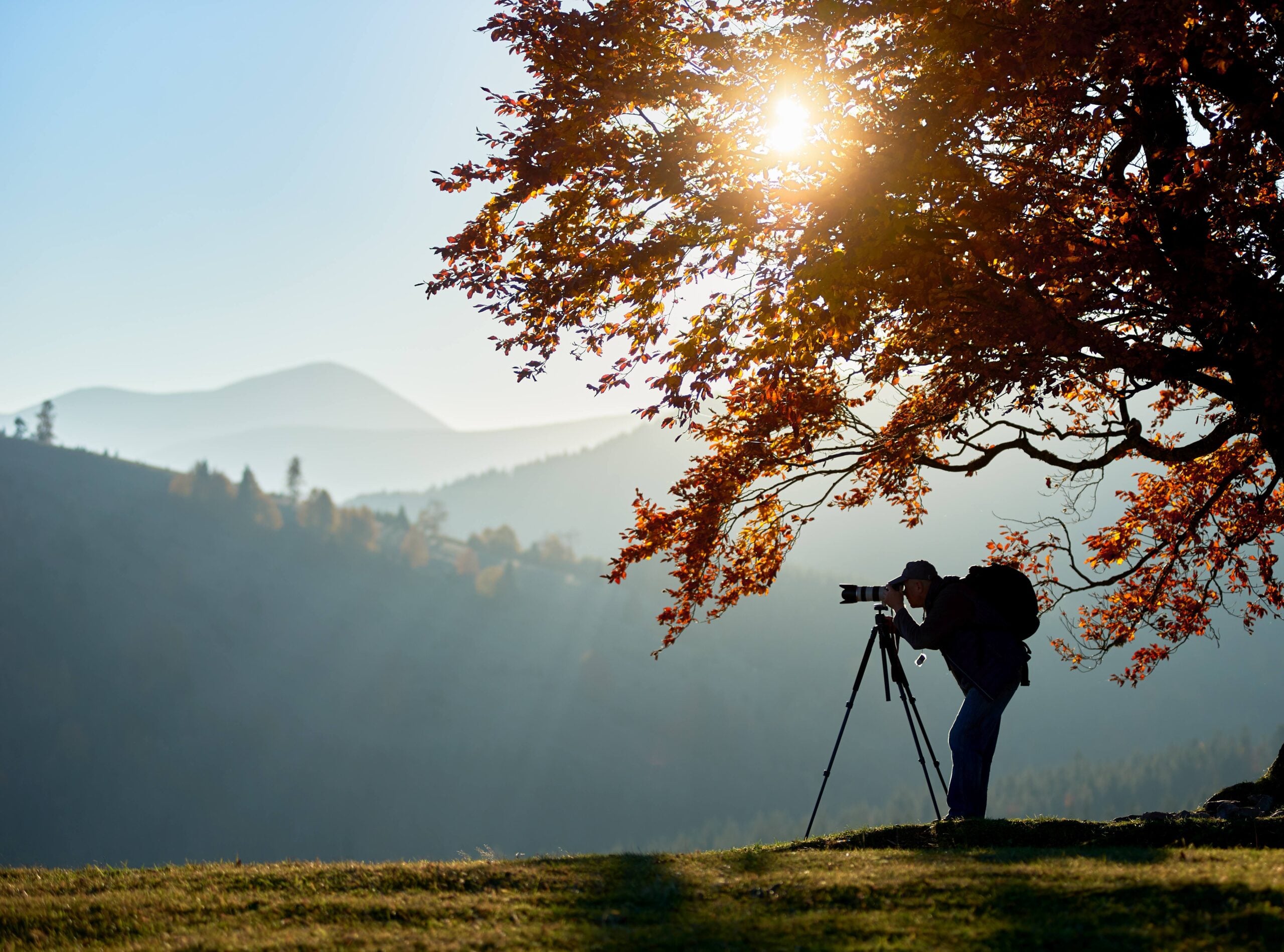
The best landscape photography tips come down to this: shoot in good light, work the scene instead of grabbing one frame and leaving, get a strong foreground, and stop blaming your gear. But in this article, we bring you some tips that are weighted toward the ones nobody tells beginners. A bit more nuanced, perhaps even unexpected.
Our ultimate guide to landscape photography covers the basics and goes deep on gear, settings, and composition. Think of that one as the textbook and this one as the sticky notes.
Shoot the Postcard, Then Walk Away From It
When you arrive somewhere iconic, get the obvious shot out of your system first – the one you’ve seen a hundred times on Instagram. Do the postcard shot, why not… But then start exploring for something that’s actually yours.
Getting the cliché out of the way frees you up. Once it’s safely on the card, you stop anxiously chasing it and start seeing: the odd angle, the overlooked foreground, the composition nobody else bothered with. You’ll see, those shots usually end up being the ones you’re most proud of.
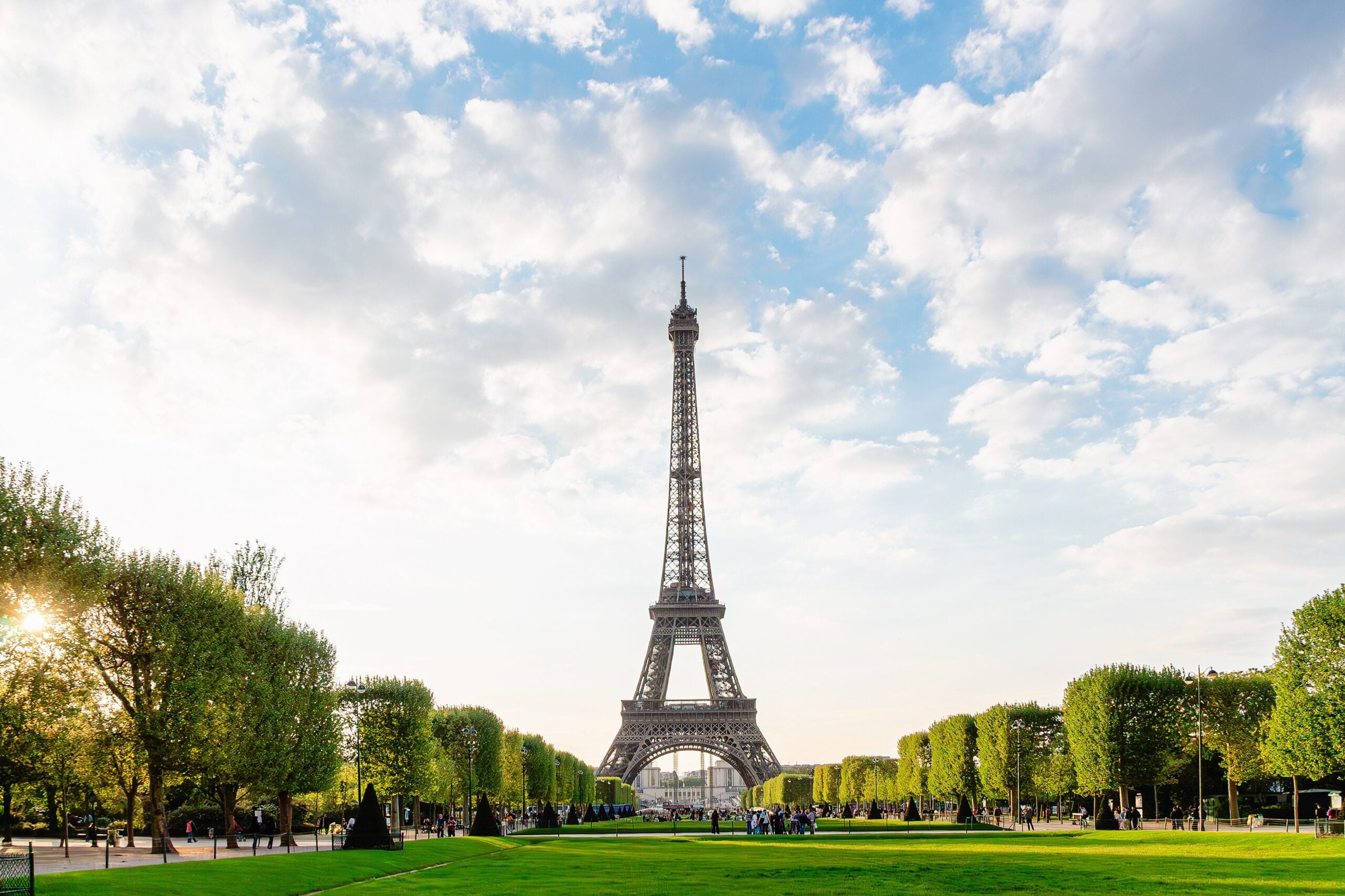
Turn Around
This is one of the simples, yet the most underused tips for landscape photography. Everyone points the camera at the obvious view like the sunset, the peak, the waterfall… and never checks what’s behind them. Half the time, the better light or scene is at your back, painting the thing you’re ignoring.
Make it a habit. Before you commit to a composition, do a slow 360. The scene you came for isn’t always the scene that’s the most worth shooting.
Shoot It Vertical
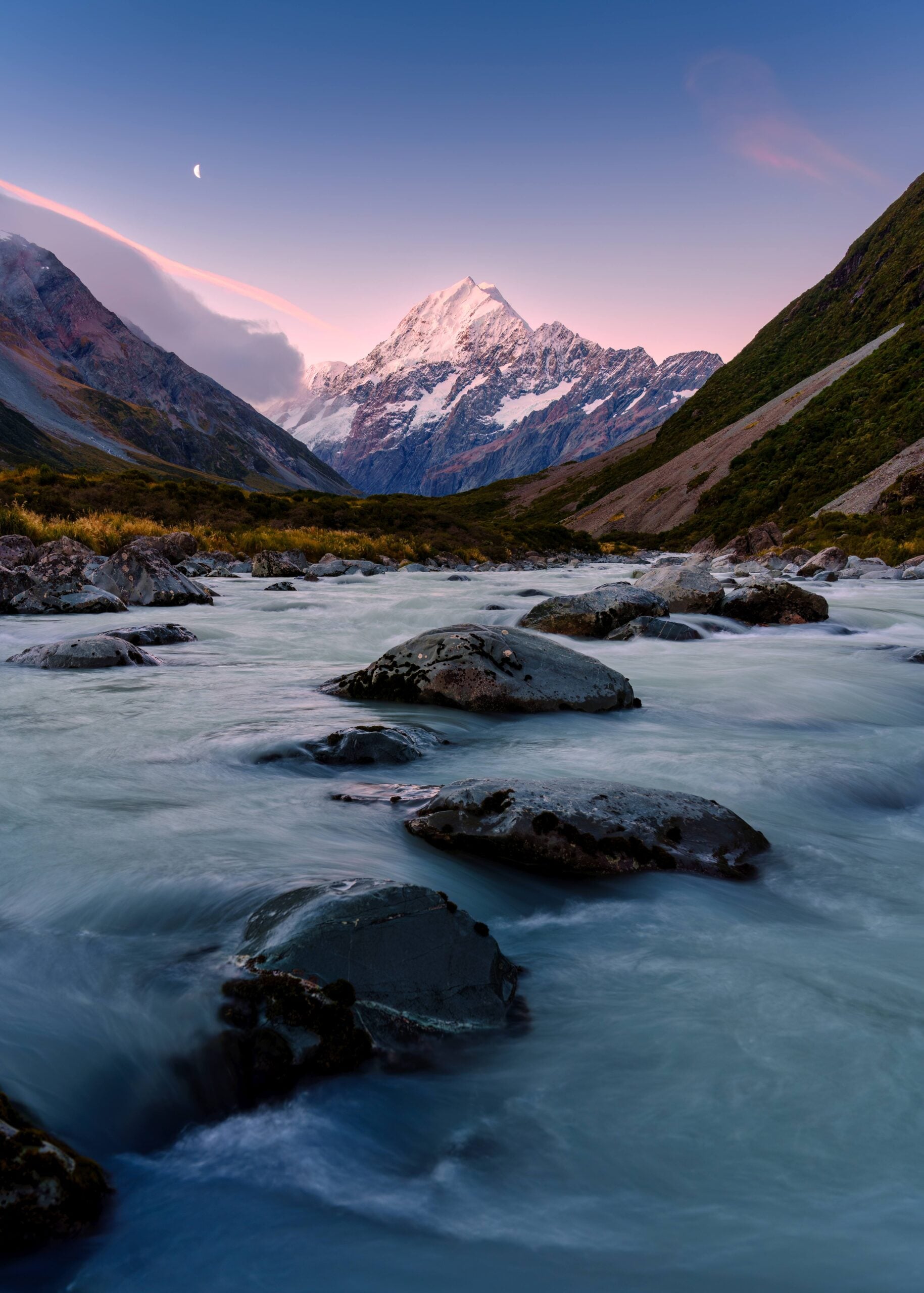
The genre’s called landscape, so beginners shoot everything horizontal and never question it. Flip the camera to portrait orientation, and a familiar scene can take on a whole new perspective.
Vertical framing is brilliant for foreground-to-background depth, tall waterfalls, leading lines that run away from you, and anything you might eventually want as a phone wallpaper or a magazine page. Shoot both orientations every time. It costs nothing and can open up new possibilities.
Work the Scene, Don’t Just Collect It
The difference between a snapshot and a photograph is usually time. Plenty of pros arrive at mediocre conditions and walk away with their best frame only after hours of waiting, or in the last few minutes before packing up.
So don’t treat a location like a checklist. Set up, then stay for a while. Try different focal lengths, heights, and compositions while the light shifts. The scene that looks flat when you arrive can detonate into color fifteen minutes later, and the photographers who get that shot are the ones who didn’t leave.
Get Low
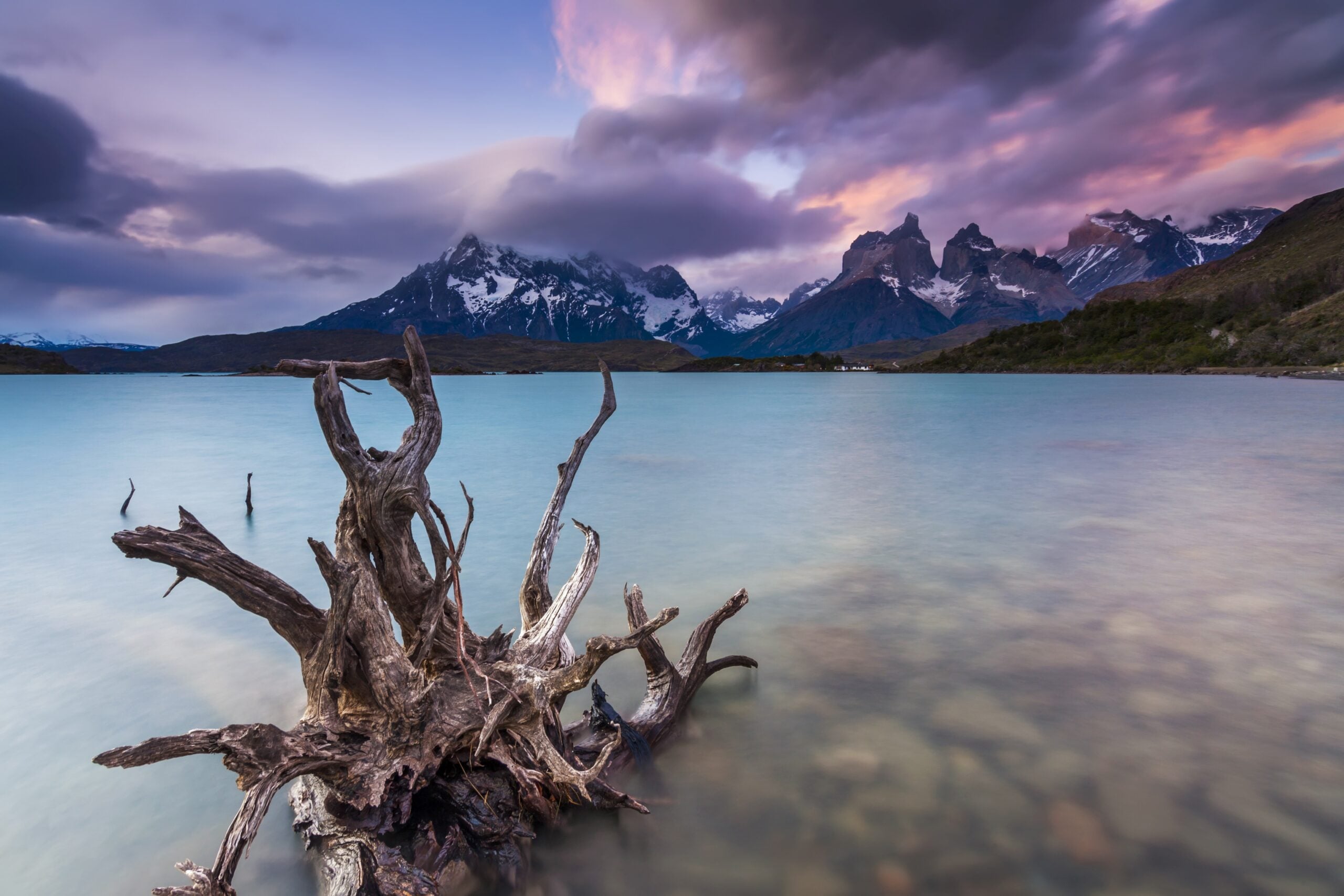
When a composition isn’t working, the fix is often your knees. Drop down. Shooting from low to the ground exaggerates your foreground, adds depth, and instantly separates your shot from the eye-level snap everyone else takes standing up.
Wet sand, rocks, flowers, ice, reflections – they all get more powerful the closer you get to them. Your back and knees might complain a bit, but hey, the photos will be worth it.
Put the Filters on
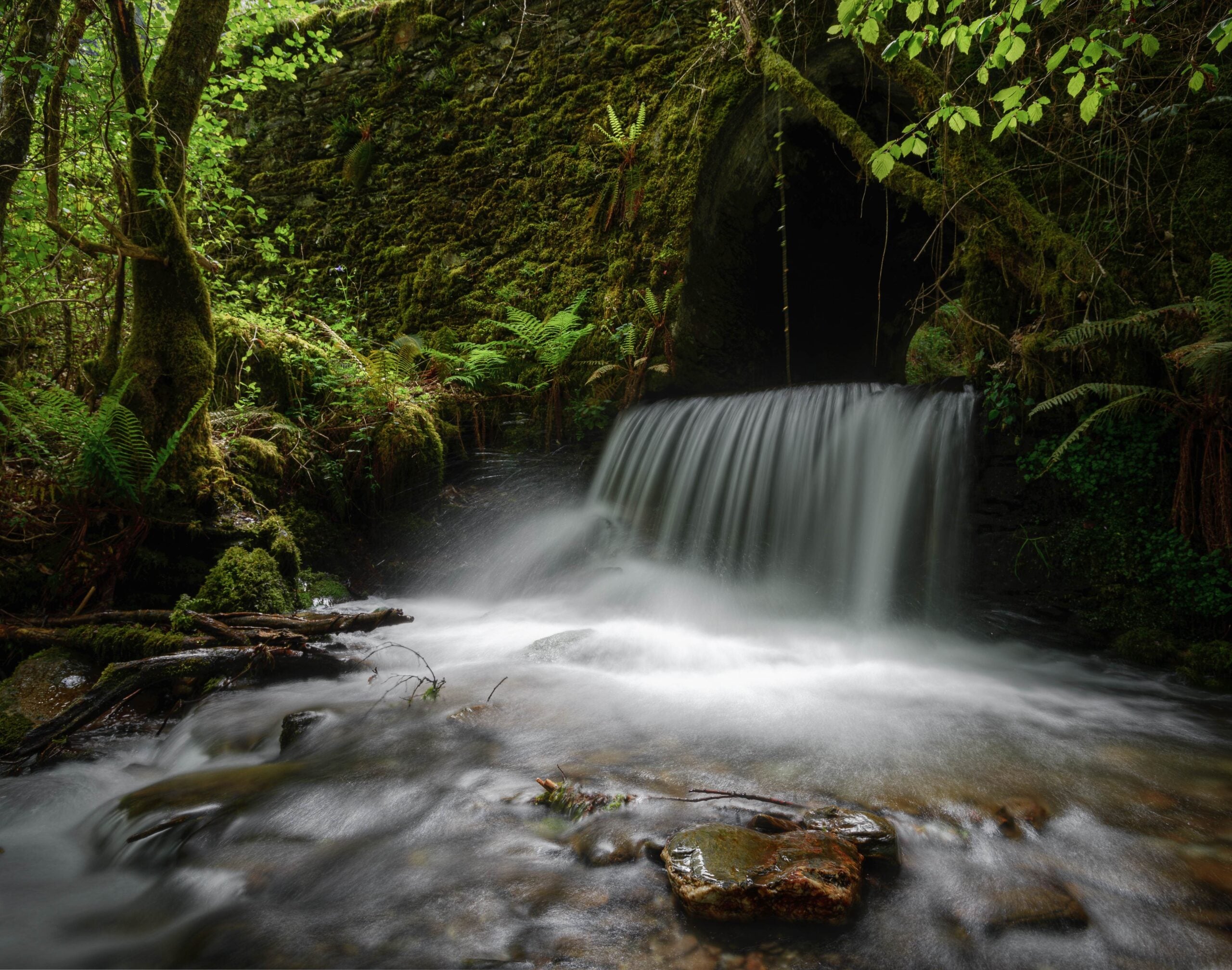
Shooting with filters forces you to build the photo on location instead of promising yourself you’ll fix it later in Photoshop.
A polarizing filter cuts glare and deepens skies in ways you genuinely can’t replicate in post. An ND filter lets you drag the shutter for silky water mid-afternoon, or helps you tackle overly bright skies. Both make you slow down and commit, which is half of what makes a landscape good.
Read the Forecast Like a Photographer, Not a Tourist
Clear blue skies are the most boring thing that can happen to a landscape. The interesting light lives in the in-between: fog lifting, a storm clearing, that gap when the sun punches through the clouds.
Learn to read for those windows. A forecast showing fog with a few clouds often means the sun will burn through – so wait for it rather than writing the day off. The “bad” weather days are the ones that produce frame-worthy shots, while everyone else stayed home.
Stop Buying Gear and Start Developing Your Eye
The hard truth and an essential tip for landscape photographers (and every other photographer, for that matter): a better camera won’t make you a better photographer. Sorry, it had to be said. However, training your eye and your mindset will.
That new lens you’re saving for will not fix a weak composition. The most valuable upgrades in this genre are free: learning light, scouting locations, returning to the same spot, and shooting enough that your instincts sharpen.
Most of these landscape photography tips come back to the same thing – slow down. Landscape photography rewards patience and attention more than money or technical wizardry. Show up early, stay late, look harder, and care about the process as much as the result. Do that consistently, and your photos improve whether or not anything in your bag changes.
Which of these is the one you keep forgetting to do? For me, it’s “turn around” – the number of shots I’ve nearly missed by staring straight ahead is embarrassing. Tell us yours in the comments.
See more from DIYPhotography.net on Google
Add DIYPhotography.net as a trusted source. This makes
our stories more likely to appear in your Google Search results.
 Add as a preferred source on Google

About Lydia Marlowe
Lydia Marlowe is an architect and a hobbyist photographer who has never quite managed to keep the two apart. She travels at every excuse, usually returning with more photos of buildings and details than of the people she went with. She pays more attention to light and structure than to gear, and she firmly believes the best camera is the one you didn’t leave at home.
We love it when our readers get in touch with us to share their stories. This article was contributed to DIYP by a member of our community. If you would like to contribute an article, please contact us here.


Join the Discussion
DIYP Comment Policy
Be nice, be on-topic, no personal information or flames.