



















Where to Sell Photography Prints? These Are Your Best Options
Jun 22, 2026
Lydia Marlowe

Dunja Djudjic is a multi-talented artist based in Novi Sad, Serbia. With 15 years of experience as a photographer, she specializes in capturing the beauty of nature, travel, concerts, and fine art. In addition to her photography, Dunja also expresses her creativity through writing, embroidery, and jewelry making.
Share:
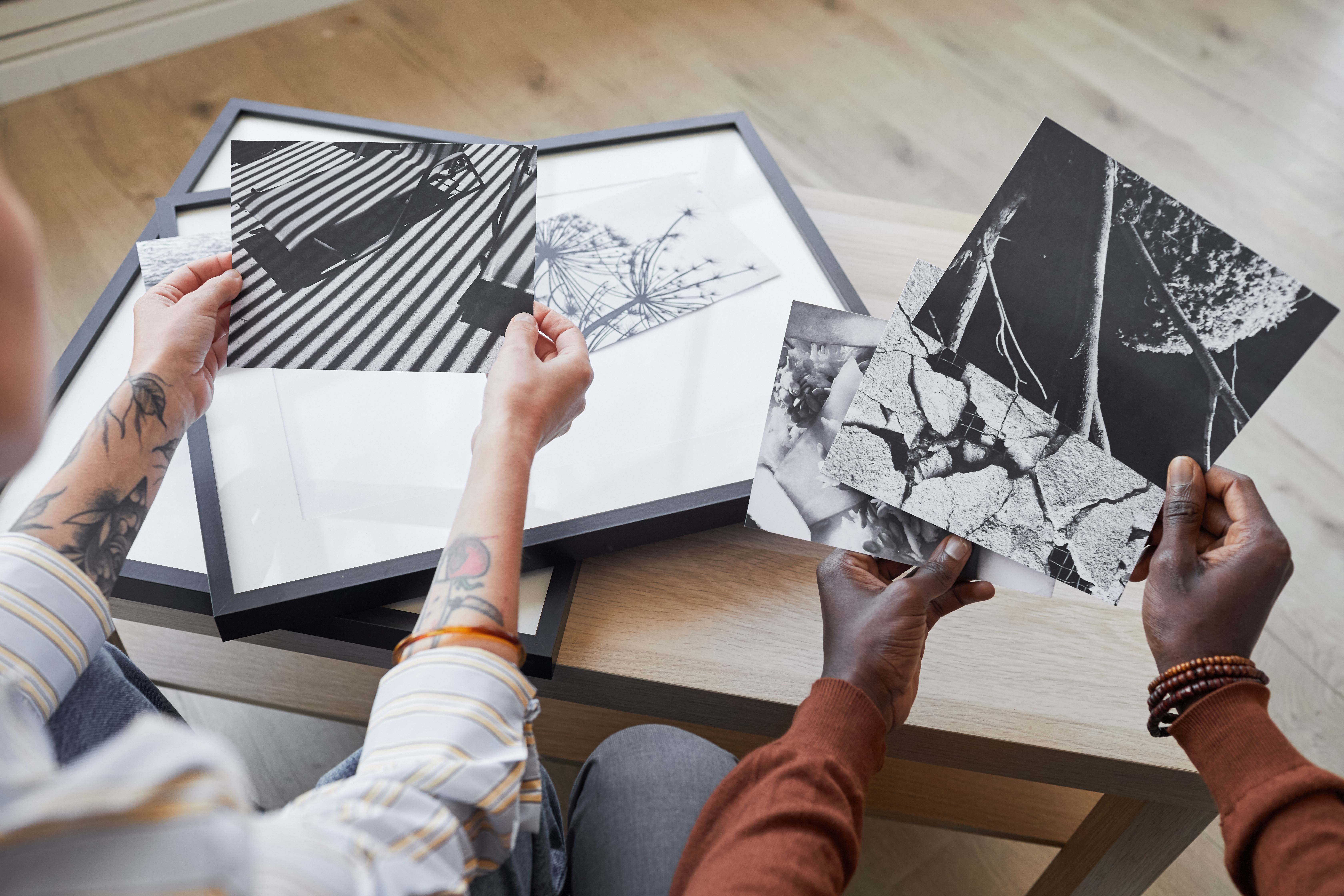
The best places to sell photography prints are: your own website, print-on-demand marketplaces like Fine Art America and Society6, Etsy, dedicated photography platforms like SmugMug, local art fairs and markets, and galleries. Where you should sell depends on whether you want control and higher margins (your own store) or built-in buyers and less hassle (a marketplace).
This guide breaks down each option and who it suits. For the full picture of selling your work in every format, see our guide on how to sell your photography, as this is the deep dive on prints specifically.
Where Can I Sell Photography Prints Online?
The options split into two camps: places where you bring the buyers, and places where the buyers are already there. Each has a trade-off.
Your own website. The best long-term home for selling prints, because you keep the margin and own the customer relationship. Squarespace, Format, Pixieset, or a WordPress store with WooCommerce all handle the shop side. The catch: a store with no traffic sells nothing. This works once you’re sending people to it from social, email, or search.
Print-on-demand marketplaces. Fine Art America (and its Pixels storefront), Society6, Redbubble, to name a few. You upload, they print and ship, you take a cut. Lowest effort by far, and there’s built-in marketplace traffic. The downsides are thin margins and being one listing among millions, so you won’t get found without doing your own promotion anyway.
Etsy. Sits between the two. Real buyers actively searching for wall art, but a crowded category and fees to match. Strong for prints if your titles and tags are findable. Good as one shop window among several.
Photography-specific platforms. SmugMug and Zenfolio are built for photographers and bundle portfolio hosting with print sales through pro labs. Pricier, but the print quality and the all-in-one setup suit working photographers who want hosting and selling in one place.
Where Can I Sell Photography Prints Offline?
Don’t sleep on the real world – it’s underrated and often converts better than the internet.
- Art fairs, craft shows, and markets. Real people, real walls, instant feedback, and cash in hand. Especially strong for landscape and local-interest work, where buyers connect with a place they recognize.
- Local cafés, shops, and offices. Many will hang and sell local work for a small cut. Low stakes, good exposure, occasional steady sales.
- Galleries and exhibitions. The slow, prestige route. You’ll approach galleries, split sales, and play the long game painters play. Worth it if fine art is genuinely the goal, not a quick income plan.
- Direct commissions. Once people know you sell prints, some will simply ask. Make it obvious that you do.
Which Is the Best Place to Sell Photography Prints?
There isn’t one – there’s the best one for where you are right now.
- No audience yet? Start on a marketplace (Etsy, Fine Art America) where buyers already search. You skip the traffic problem while you build.
- Already have a following? Open your own store and point them at it. You’ll keep far more of each sale.
- Shoot local or landscape work? Get to a market or fair. That work sells best face to face.
- Chasing fine-art credibility? Galleries and exhibitions, slow as they are.
Most photographers who sell prints seriously end up using two or three of these at once – a marketplace for discovery, their own store for margin, and the occasional fair for cash and connection.
One Truth That Applies Everywhere
Wherever you sell, prints move when people already care about your work. The audience you’ve built converts on any platform. A cold storefront converts on none of them. So the platform matters less than the thing nobody can outsource for you: building an audience that wants what you make.
Pick one place to start, learn how selling there actually works, then add the next. A focused presence beats being scattered thin across six platforms.
Where are you thinking of selling first – your own store, a marketplace, or a local fair? Let us know in the comments.
See more from DIYPhotography.net on Google
Add DIYPhotography.net as a trusted source. This makes
our stories more likely to appear in your Google Search results.
 Add as a preferred source on Google

About Lydia Marlowe
Lydia Marlowe is an architect and a hobbyist photographer who has never quite managed to keep the two apart. She travels at every excuse, usually returning with more photos of buildings and details than of the people she went with. She pays more attention to light and structure than to gear, and she firmly believes the best camera is the one you didn’t leave at home.
We love it when our readers get in touch with us to share their stories. This article was contributed to DIYP by a member of our community. If you would like to contribute an article, please contact us here.


Join the Discussion
DIYP Comment Policy
Be nice, be on-topic, no personal information or flames.