

















From Products to People: What Is a Commercial Photographer?
Jun 9, 2026
Leonard Skapp
Alex Baker is a portrait and lifestyle driven photographer based in Valencia, Spain. She works on a range of projects from commercial to fine art and has had work featured in publications such as The Daily Mail, Conde Nast Traveller and El Mundo, and has exhibited work across Europe
Share:
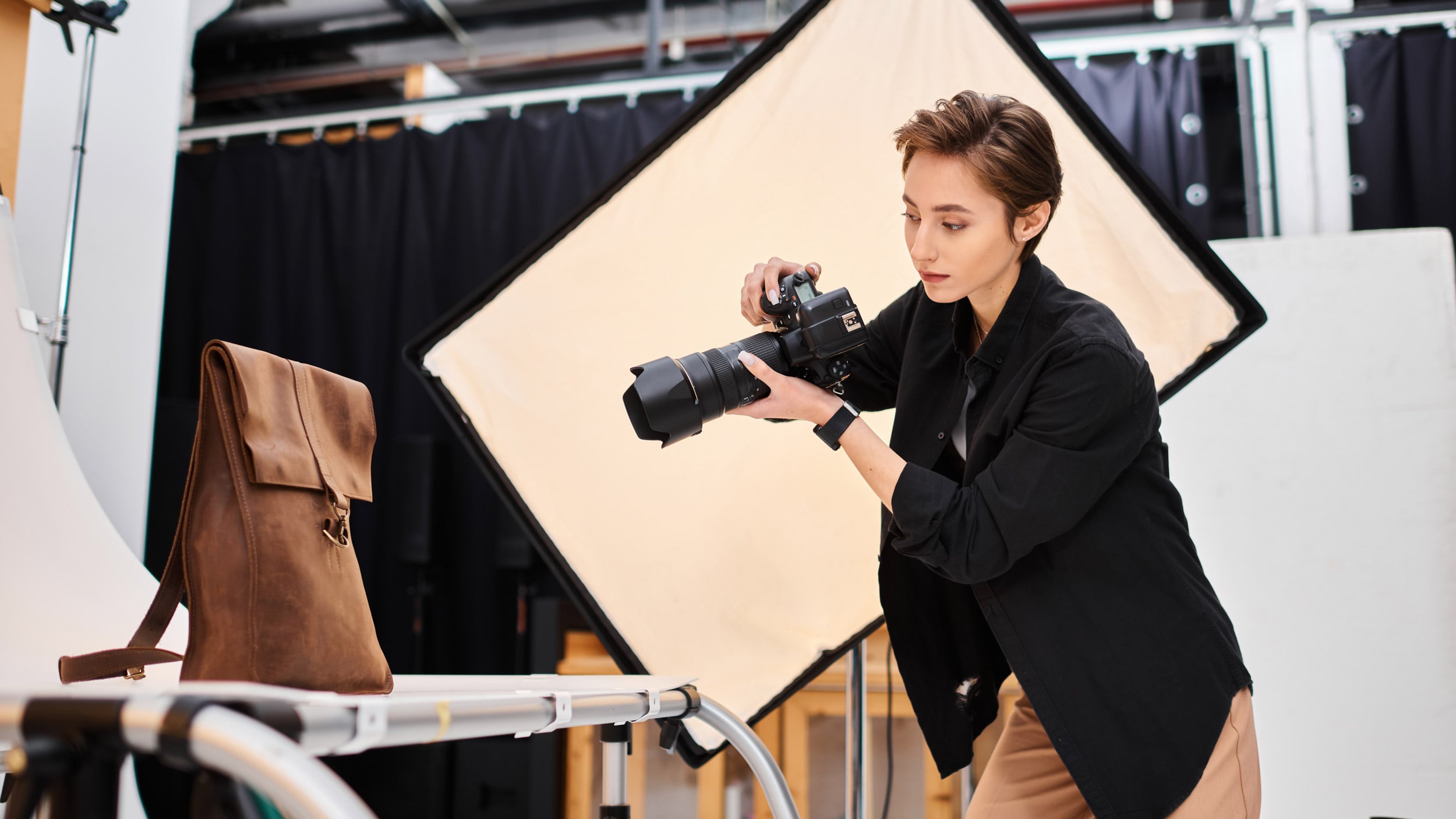
When people hear the term “commercial photographer,” they often assume it means photographing products for advertisements. While that’s certainly one side of the job, commercial photography is much broader than that.
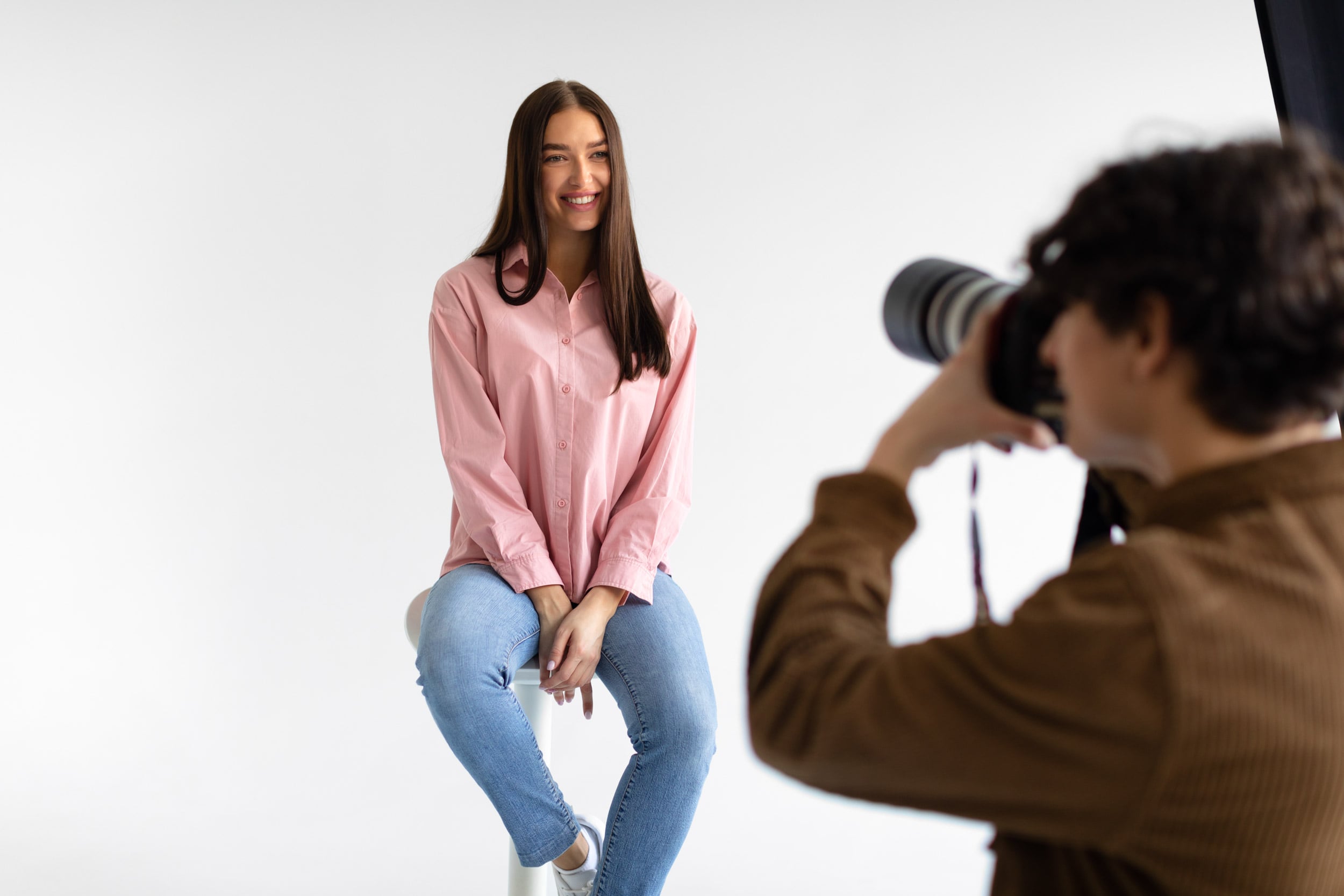
A commercial photographer creates images that help businesses, organisations, and brands sell, promote, or market something. That could mean photographing products for an online store, creating lifestyle images for an advertising campaign, shooting corporate headshots, documenting an event, or producing content for social media. If a photograph is being used to support a business goal, there’s a good chance a commercial photographer was behind it.
Photography with a purpose
Every type of photography has a purpose, but commercial photography is usually tied directly to a client’s needs. Unlike fine art photography, where the photographer is primarily creating for personal expression, commercial photographers are creating images for a specific audience and objective. The goal might be to sell a product, build trust in a brand, showcase a service, or attract new customers.
That doesn’t mean creativity takes a back seat. In fact, creativity is often one of the most valuable skills a commercial photographer can bring to a project. The difference is that the creative decisions are guided by the client’s goals rather than purely personal vision.
What kinds of work do commercial photographers do?
Commercial photography covers a huge range of specialities. Some photographers focus on products, creating clean and detailed images for websites, catalogues, and advertising campaigns. Others specialise in food photography, architecture, fashion, interiors, corporate portraits, or industrial subjects.
Many commercial photographers wear several hats, taking on a variety of assignments depending on their skills and the needs of their clients. One week, they might be photographing a restaurant’s new menu. Next, they could be creating headshots for a law firm or documenting a manufacturing facility for a company brochure.
It’s about solving problems
One of the biggest misconceptions about commercial photography is that it’s all about cameras and lighting, whereas in reality, much of the job involves problem-solving. Clients usually come to a photographer because they need to communicate something visually.
The photographer’s role is to figure out the best way to achieve that goal, whether that’s making a product look appealing, capturing a company’s culture, or creating images that fit within a wider marketing campaign. Technical skills matter, but understanding branding, communication, and audience expectations can be just as important.
Running a business is part of the job
For many commercial photographers, taking photographs is only one part of their working week. Finding clients, writing quotes, negotiating contracts, managing budgets, organising shoots, invoicing, editing images, and marketing their services all take time. Whether working freelance or as part of a larger studio, commercial photographers need strong business skills alongside their creative abilities.
In many ways, they’re not just photographers. They’re small business owners who happen to specialise in visual communication.
How to get started in commercial photography
The best way to start is by building a portfolio that demonstrates the kind of work you’d like to be hired for. If you’re interested in product photography, photograph products. If you want to work with local businesses, create example projects that show how you would approach real commercial assignments. Many photographers begin by working with small local companies, charities, or start-ups to gain experience and build a body of work.
It’s also worth learning the business side of photography early on. Understanding licensing, usage rights, contracts, pricing, and client communication can be just as valuable as mastering your camera settings.
Most importantly, remember that clients hire photographers to solve problems, not simply to own expensive equipment. A strong portfolio, reliability, and professionalism will often take you further than the latest camera body.
More than just taking pictures
At its heart, commercial photography is about helping businesses communicate through images. Whether that’s selling a product, promoting a service, or building a brand, commercial photographers create photographs with a specific purpose in mind. They combine technical skills, creativity, and business knowledge to produce images that work not just as photographs, but as tools for communication, and while the final image may look effortless, there’s usually a lot more strategy behind it than meets the eye.
See more from DIYPhotography.net on Google
Add DIYPhotography.net as a trusted source. This makes
our stories more likely to appear in your Google Search results.
 Add as a preferred source on Google

About Leonard Skapp
Leonard “Len” Skapp is a photographer with a particular interest in cameras, lenses, accessories, camera bags, lens filters, tripods, camera straps, and, on rare occasions, photography itself. Equal parts reviewer and enthusiast, he enjoys digging into the technical details behind the latest gear and translating them into plain English for fellow photographers. He maintains that every purchase is a carefully considered investment, although his bank account and overflowing camera cupboard continue to dispute this claim.
We love it when our readers get in touch with us to share their stories. This article was contributed to DIYP by a member of our community. If you would like to contribute an article, please contact us here.
Related Posts
 Photographer Spotlight: Q&A With Magdalena M – Editorial and Commercial Portraiture Photographer
 I quit my job and in three years I’m killing it as a commercial photographer – there’s no better time to start than now!
 Commercial food photographer tells us the truth behind those TikTok hacks
 Stop making this food photography mistake, says top commercial food photographer
Join the Discussion
DIYP Comment Policy
Be nice, be on-topic, no personal information or flames.