















What Does a Photojournalist Actually Do? Photojournalism Explained
Jun 8, 2026
Alex Baker
Alex Baker is a portrait and lifestyle driven photographer based in Valencia, Spain. She works on a range of projects from commercial to fine art and has had work featured in publications such as The Daily Mail, Conde Nast Traveller and El Mundo, and has exhibited work across Europe
Share:
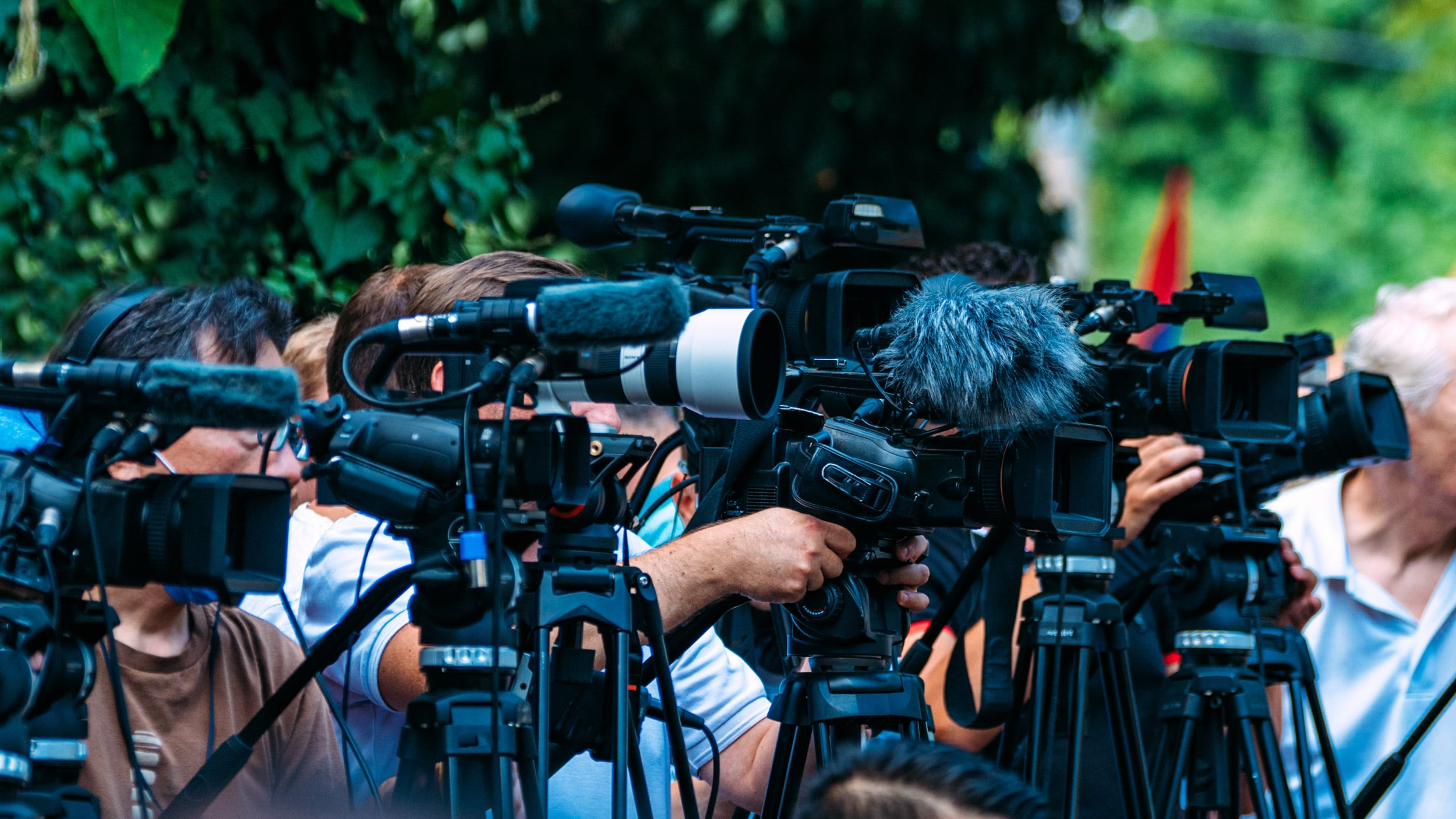
When most people think of photojournalists, they probably picture someone standing in the middle of a war zone with a camera slung over their shoulder, like Robert Capa or Lee Miller. While conflict photography is certainly part of photojournalism, it’s only a small piece of a much bigger profession.
Photojournalists document real events as they happen, using photographs to tell stories and inform the public. Whether they’re covering elections, sporting events, natural disasters, protests, or everyday life in their local community, their goal is the same: to capture truthful, accurate images that help people understand what’s going on in the world.
Telling stories through images
At its core, photojournalism is visual storytelling and documenting real events as they happen. However, rather than simply recording what’s in front of the camera, photojournalists look for images that communicate information, emotion, and context. A single photograph can often explain a situation more quickly and effectively than several paragraphs of text. The best photojournalists don’t just show what happened; they help viewers understand why it matters and show context as well.
Documenting real events
Unlike commercial photographers, who can often control lighting, locations, and subjects, photojournalists usually work in unpredictable situations. News doesn’t wait for perfect conditions. A photojournalist may have only seconds to react to a breaking event, capturing images as a story unfolds in real time. That means being able to work quickly, think on their feet, and anticipate important moments before they happen, often after waiting hours for something to happen.
Ethics are a huge part of the job
One of the biggest differences between photojournalism and other forms of photography is the emphasis on ethics. Photojournalists are expected to present events honestly and accurately. While basic edits such as exposure and colour correction are generally accepted, altering the content of an image or staging events can undermine the credibility of both the photographer and the publication, and very strict rules apply.
Trust is everything in journalism, and photographs are held to the same standards as written reporting. Many photojournalists belong to a professional body such as the Associated Press, where they are held up to the appropriate standards.
It’s more than just breaking news
While news coverage is often the most visible side of photojournalism, many photojournalists spend their time working on longer-term stories and documentary projects. They might follow a community over several months, document environmental changes, or explore social issues through a series of images. These projects often provide deeper insight into a subject than a single news photograph ever could.
Some of the most influential photojournalistic work has come from photographers who spent years documenting a story rather than a single day covering it. For example, Ami Vitale‘s project on panda conservation took years to document.
How to get started in photojournalism
Getting started in photojournalism doesn’t require access to major news organisations or a passport full of stamps. Some of the best photojournalists began by documenting stories in their own communities. Start by looking for local events, community projects, sports matches, public meetings, or cultural festivals. The goal isn’t just to take good photos; it’s to tell a story. Think about the people involved, the wider context, and what information a viewer would need to understand the situation.
It’s also worth developing strong journalism habits alongside your photography skills. Learn how to research a story, write accurate captions, verify information, and approach subjects ethically. Editors are often just as interested in a photographer’s reliability and professionalism as they are in their technical ability.
Building a portfolio of story-driven work is usually more valuable than collecting individual standout images. A well-crafted photo essay that documents a local issue or community event can demonstrate many of the same skills required to cover larger stories.
Most importantly, be curious. The best photojournalists are constantly asking questions, looking for stories, and paying attention to the world around them. The camera is simply the tool they use to share what they find.
Why photojournalism still matters
We’re surrounded by images today, but not all of them tell the truth, especially in these days of generative AI and deepfakes. Photojournalists play an important role in documenting history as it happens, providing visual evidence of events and helping audiences understand stories beyond their own experiences. Their work can inform, educate, and sometimes even drive social or political change.
In a world where anyone can publish an image online in seconds, professional photojournalism remains valuable because it’s built on accuracy, context, and accountability.
At the end of the day, a photojournalist’s job isn’t just to take photographs. It’s to use photography as a reporting tool, helping people see and understand the world around them.
See more from DIYPhotography.net on Google
Add DIYPhotography.net as a trusted source. This makes
our stories more likely to appear in your Google Search results.
 Add as a preferred source on Google
Alex Baker
Alex Baker is a portrait and lifestyle driven photographer based in Valencia, Spain. She works on a range of projects from commercial to fine art and has had work featured in publications such as The Daily Mail, Conde Nast Traveller and El Mundo, and has exhibited work across Europe


Join the Discussion
DIYP Comment Policy
Be nice, be on-topic, no personal information or flames.