
















US Lawmakers Revive No Fakes Act to Fight AI Deepfakes and Digital Clones
May 25, 2026
Alysa Gavilan
Alysa Gavilan has spent years exploring photography through photojournalism and street scenes. She enjoys working with both film and mirrorless cameras, and her fascination with the craft has grown over the decades. Inspired by Vivian Maier, she is drawn to capturing everyday moments that often go unnoticed.
Share:
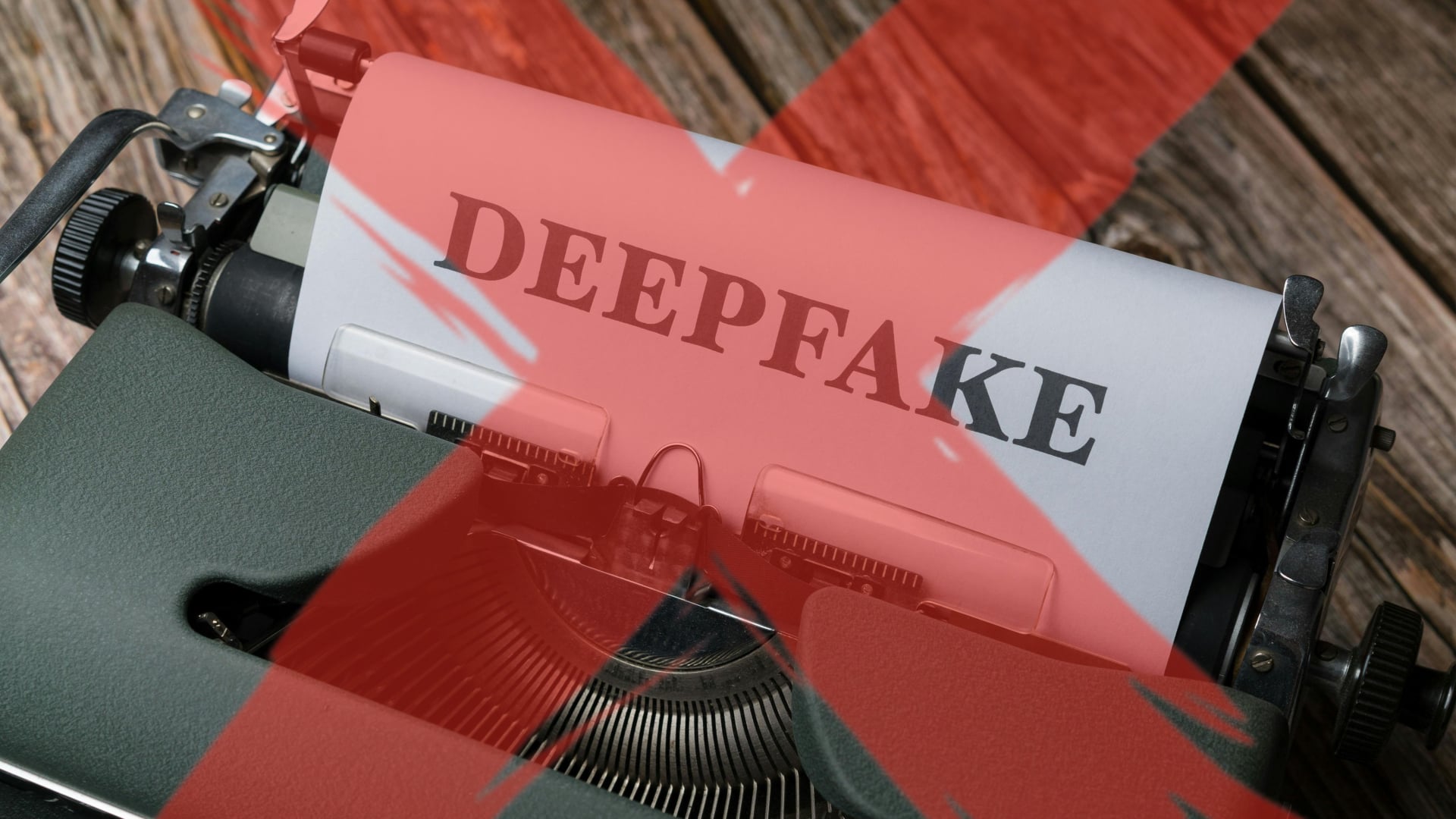
A growing number of lawmakers in the United States are trying to draw clearer legal boundaries around AI generated replicas, as concerns over deepfakes continue to spread across entertainment, photography, music, and online media.
According to a report by Deadline, a revised version of the No Fakes Act has now been reintroduced in Congress, targeting unauthorized digital copies of a person’s voice and likeness.
The proposed legislation arrives as AI generated impersonations become increasingly realistic and easier to produce using consumer tools. Performers, creators, and public figures have raised concerns about cloned voices, manipulated videos, and fabricated endorsements appearing online without consent.
What The No Fakes Act Would Do
The revised No Fakes Act would give individuals legal authority over digital replicas of their face, voice, and likeness.
Under the proposal, creators of unauthorized AI generated impersonations could face legal action if they use someone’s identity without permission.
One notable element of the bill is that these rights would continue after death. According to the report, heirs and estates would be able to control and license digital replicas for up to 70 years following a person’s death.
The legislation is designed to address deepfake content that can imitate celebrities, musicians, actors, and ordinary individuals.
The updated version of the bill also includes revisions intended to address concerns about overreach. These include a counter notice process for disputed removals and exemptions for news reporting, documentaries, parody, criticism, libraries, and research institutions.
The bipartisan bill is backed by senators Marsha Blackburn, Chris Coons, Thom Tillis, and Amy Klobuchar, along with representatives Maria Salazar and Madeleine Dean.
Why This Matters For Photography And Media
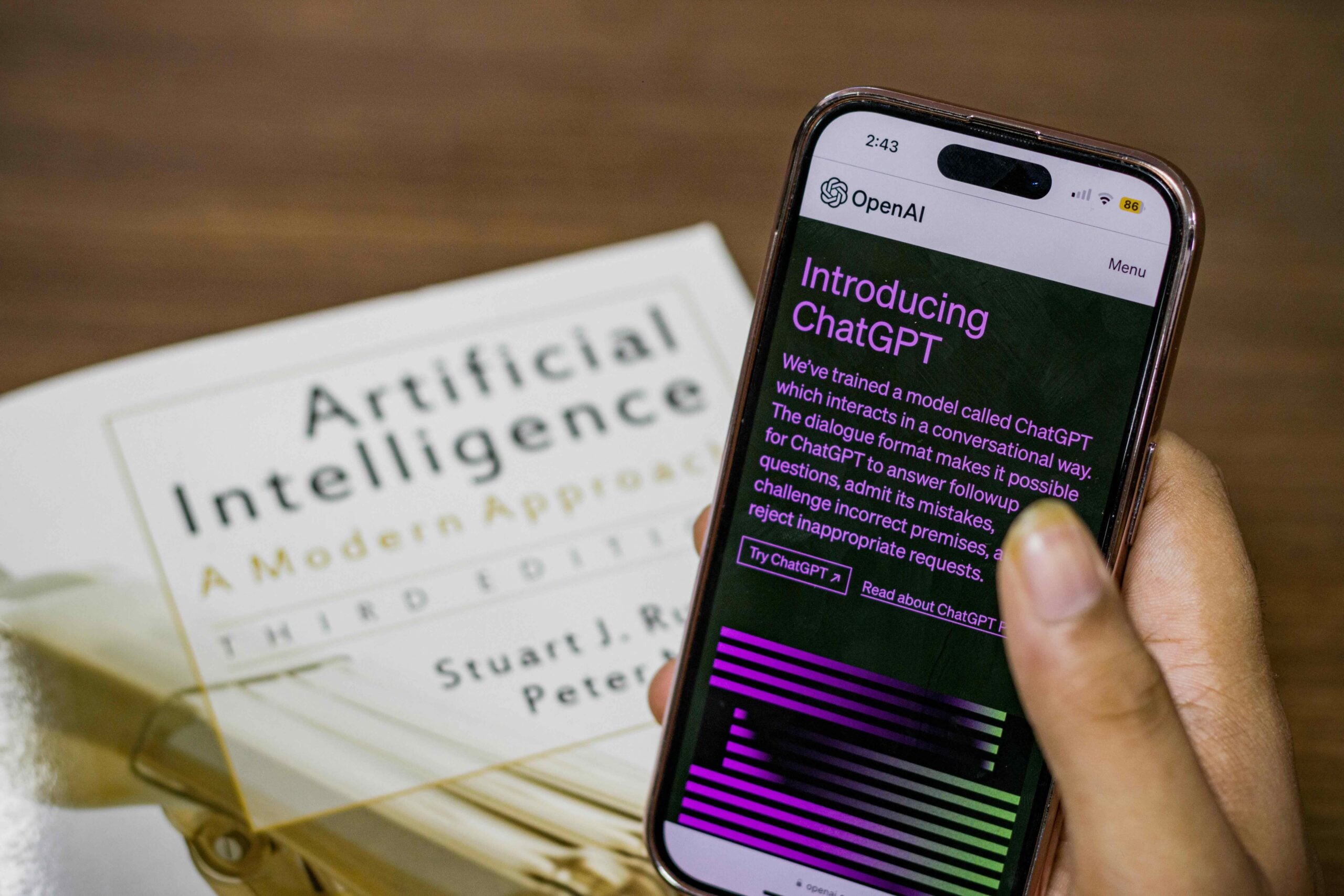
For photographers and visual creators, the issue extends beyond celebrity impersonations. AI tools are now capable of generating realistic portraits, altering existing images, and fabricating scenes that can appear authentic at first glance.
That has created growing concern around misinformation, identity theft, and non consensual image manipulation. Deepfake technology has already been linked to fake advertisements, fabricated political media, and explicit content generated without consent.
The discussion also overlaps with wider debates around image authenticity and digital provenance. Camera manufacturers and software companies have increasingly explored verification systems designed to prove when and where an image was created.

Other States And Countries Are Taking Action
The United States is not alone in attempting to regulate deepfakes and AI generated impersonation.
Tennessee passed the ELVIS Act aimed at protecting musicians and performers from unauthorized AI voice cloning. The law expanded publicity rights protections to include AI generated vocal imitations, reflecting concerns from the music industry over synthetic performances.
Minnesota, meanwhile, is nearing a ban on AI-powered apps that turn ordinary photos into fake adult content, a practice now commonly referred to as “nudification.”
Outside the US, countries including China have implemented stricter rules requiring AI generated media to carry labels identifying synthetic content. The European Union has also included transparency provisions under the AI Act, requiring disclosure for certain forms of manipulated media.
At the same time, tech companies and creative platforms continue developing their own safeguards. Adobe, Leica, Sony, and Canon have all recently introduced or expanded content authenticity tools designed to verify image provenance and detect tampering.
As AI generated replicas become more convincing and more accessible, lawmakers and creators are facing the same challenge: how to protect identity and authenticity without restricting legitimate creative expression.
The outcome of bills like the No Fakes Act could shape how digital likeness rights are handled for years to come.
See more from DIYPhotography.net on Google
Add DIYPhotography.net as a trusted source. This makes
our stories more likely to appear in your Google Search results.
 Add as a preferred source on Google

Alysa Gavilan
Alysa Gavilan has spent years exploring photography through photojournalism and street scenes. She enjoys working with both film and mirrorless cameras, and her fascination with the craft has grown over the decades. Inspired by Vivian Maier, she is drawn to capturing everyday moments that often go unnoticed.



Join the Discussion
DIYP Comment Policy
Be nice, be on-topic, no personal information or flames.