



















This Camera Chip Lets You Verify Photos the Moment You Shoot
Apr 1, 2026
Alysa Gavilan
Alysa Gavilan has spent years exploring photography through photojournalism and street scenes. She enjoys working with both film and mirrorless cameras, and her fascination with the craft has grown over the decades. Inspired by Vivian Maier, she is drawn to capturing everyday moments that often go unnoticed.
Share:
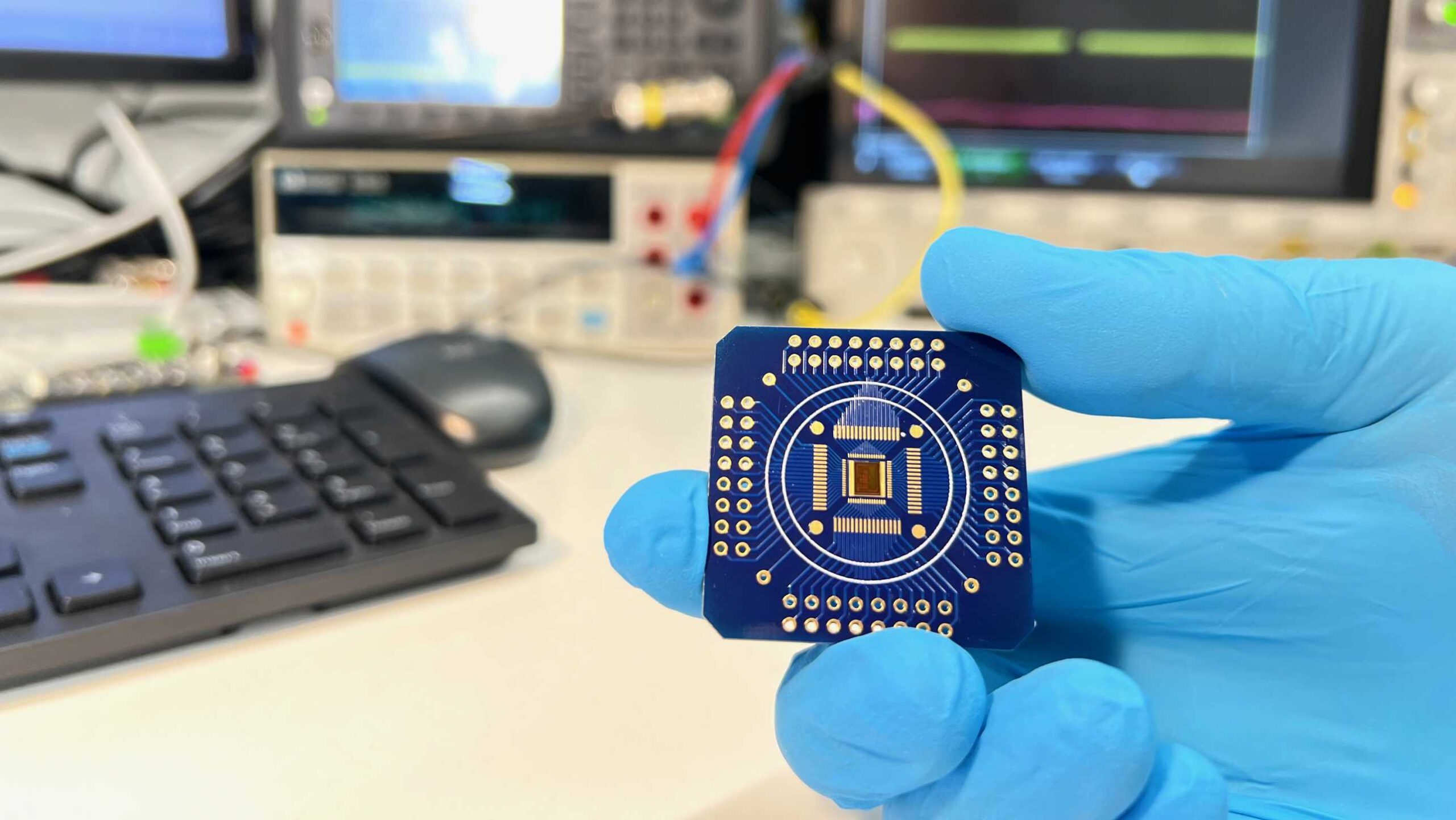
Deepfakes, image manipulation, and questions around authenticity have become part of everyday photography, but researchers at ETH Zurich are working on a fix that starts at the moment you press the shutter.
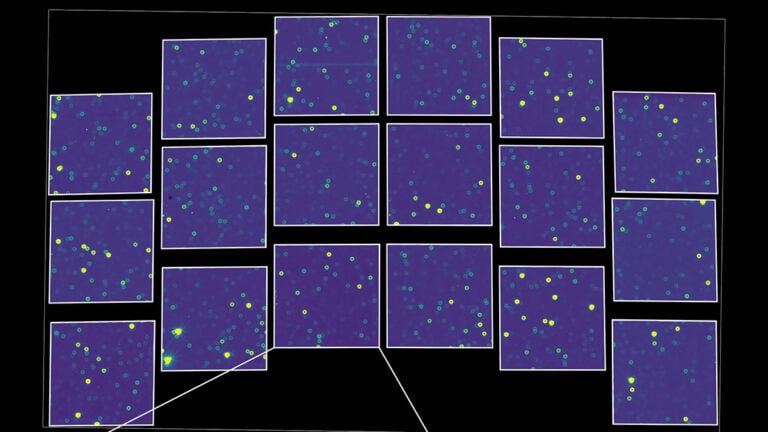
ETH Zurich, or the Swiss Federal Institute of Technology in Zurich, is a leading research university in Switzerland. Its scientists have developed a sensor chip that can digitally sign images and video at the exact moment they are captured, creating a built-in way to verify authenticity.
Signing Images at the Source
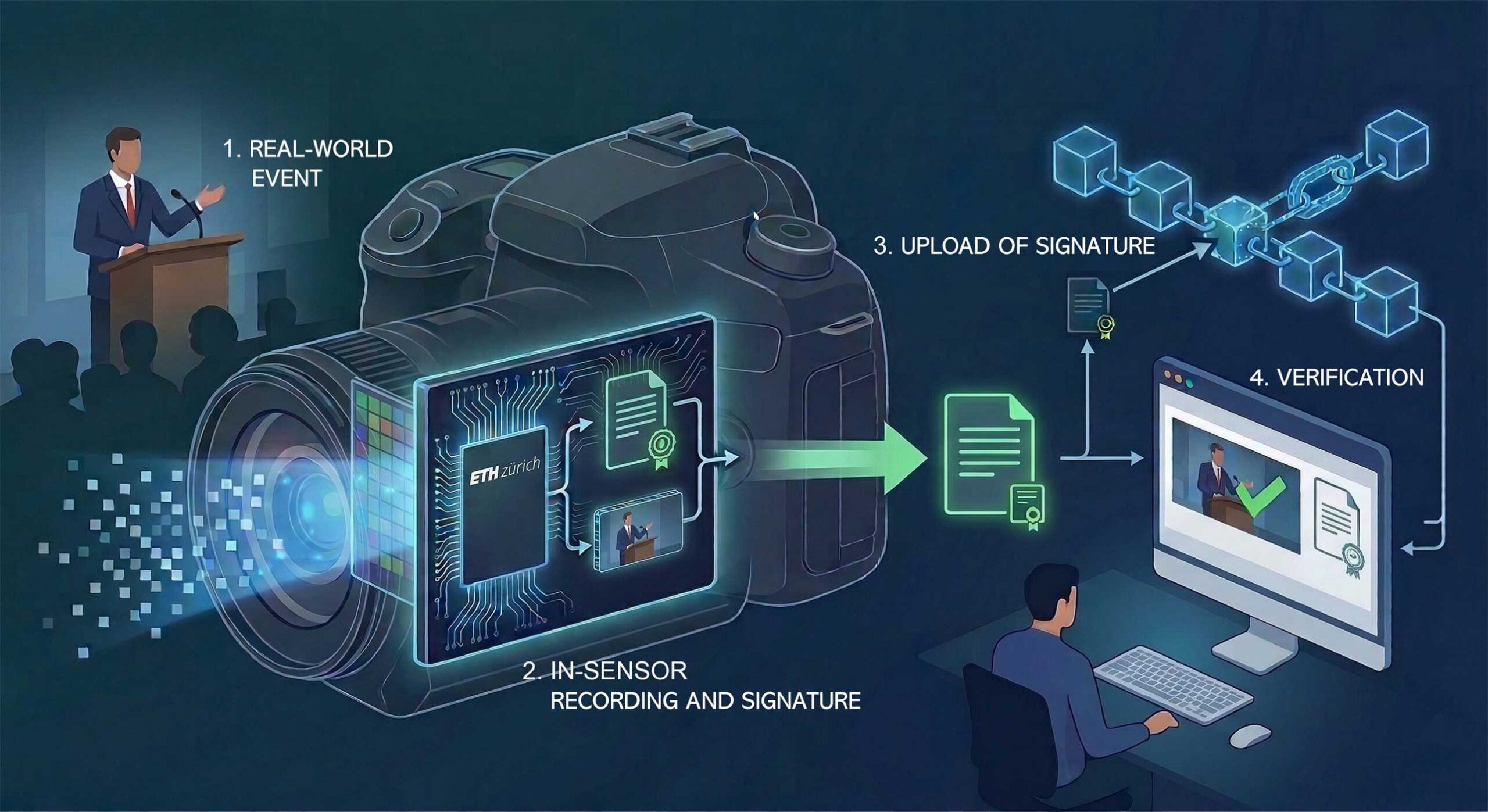
The core idea is simple but significant. Instead of trying to detect manipulation after an image spreads online, the chip embeds a cryptographic signature directly into the data as it is recorded.
According to the researchers, this signature confirms where the image came from, when it was captured, and that it has not been altered.
“If data is signed the moment it is captured, any later manipulation leaves traces,” said researcher Fernando Cardes, who co-developed the technology, said in the press release. The system makes tampering extremely difficult because altering the data would require physically attacking the chip itself, which is not practical at scale.
For you as a photographer, this shifts the conversation from detection to proof. Instead of asking if an image is fake, the technology allows you to verify if it is real.
Verification Through Public Ledgers
The system becomes more powerful when paired with a public ledger such as a blockchain. The idea is that camera manufacturers could upload the digital signatures generated by the chip to a secure, shared database. Anyone could then compare an image’s signature against the stored record to confirm its authenticity.
Researcher Felix Franke explained that this reduces reliance on trust in platforms or intermediaries. If the signature matches, the image is verified. If it does not, the content may have been altered.
This approach could be applied across devices. In principle, the technology can be integrated into any camera or sensor, from professional gear to smartphones. That opens the possibility of automatic verification when content is uploaded to social media or news platforms.
A Response to Growing Mistrust
The work comes at a time when AI-generated content is becoming harder to distinguish from real images.
Manipulated photos, fabricated videos, and synthetic audio are already circulating widely online. This has led to a growing problem where people not only fall for fake content but also begin to doubt legitimate images.
The ETH Zurich team saw this challenge early. According to the researchers, the concept for the chip dates back to 2017, when concerns about digital manipulation were already emerging. Their goal was to create a system where authenticity could be verified independently of platforms or third parties.
This approach also reflects a growing realization that detection tools are not reliable on their own. These tools often produce inconsistent results and can misidentify both real and fake images.
Research supports this concern. Large scale testing has shown that detection systems can miss fake content and also flag real images as artificial, creating confusion instead of clarity. Even systems claiming high accuracy can generate thousands of errors when applied at scale.

Other Efforts to Verify Images
Because of these limits, the industry is shifting toward verification rather than detection. Several approaches are already in development.
One example comes from Sony, which has introduced a camera authenticity system that verifies images and video using digital signatures, timestamps, and even depth data captured by the camera sensor. This depth information helps confirm that a scene is real and three dimensional, something current AI systems cannot replicate convincingly.
Another effort is the broader push for content credentials, where metadata is embedded into files to track origin and edits. This includes standards backed by major tech companies, though adoption remains uneven and metadata can still be removed or ignored in many cases.
These approaches share a common idea. Instead of asking if an image is fake, they aim to prove that it is real.
From Prototype to Practice
The chip is currently a working prototype, demonstrating that the concept is technically feasible. The researchers have filed a patent and are now exploring how to make the technology practical for widespread use. This includes reducing costs so that manufacturers can integrate it into consumer devices.
There are still steps before it becomes standard in cameras. Adoption would depend on industry support, manufacturing changes, and agreement on how verification systems are implemented.
If adopted widely, this kind of technology could change how you approach trust in images. Instead of relying on visual clues or external tools, authenticity could be built into the file itself.
For photojournalists, this could strengthen credibility in fast-moving situations. For everyday photographers, it offers a way to prove that your work is genuine. At a time when seeing is no longer always believing, tools that verify reality at the point of capture may become essential.
[Images via ETH Zurich, Google]
See more from DIYPhotography.net on Google
Add DIYPhotography.net as a trusted source. This makes
our stories more likely to appear in your Google Search results.
 Add as a preferred source on Google

Alysa Gavilan
Alysa Gavilan has spent years exploring photography through photojournalism and street scenes. She enjoys working with both film and mirrorless cameras, and her fascination with the craft has grown over the decades. Inspired by Vivian Maier, she is drawn to capturing everyday moments that often go unnoticed.
Related Posts
 Samsung’s new 1TB eUFS chip lets your phone shoot 960fps and store up to 43 hours of 4K video
 This DIY 3D printed trinocular lens lets you lets you shoot digital wigglecams with your Sony camera
 Want to verify your Instagram account? Here’s how to request it from the platform
 This adapter lets you shoot medium format photos with a full-frame camera
Join the Discussion
DIYP Comment Policy
Be nice, be on-topic, no personal information or flames.