
















Back to Human Connection: Is It Time to Say Goodbye to Generative AI?
Feb 20, 2026
Dunja Đuđić Kalinin
Dunja Djudjic is a multi-talented artist based in Novi Sad, Serbia. With 15 years of experience as a photographer, she specializes in capturing the beauty of nature, travel, concerts, and fine art. In addition to her photography, Dunja also expresses her creativity through writing, embroidery, and jewelry making.
Share:
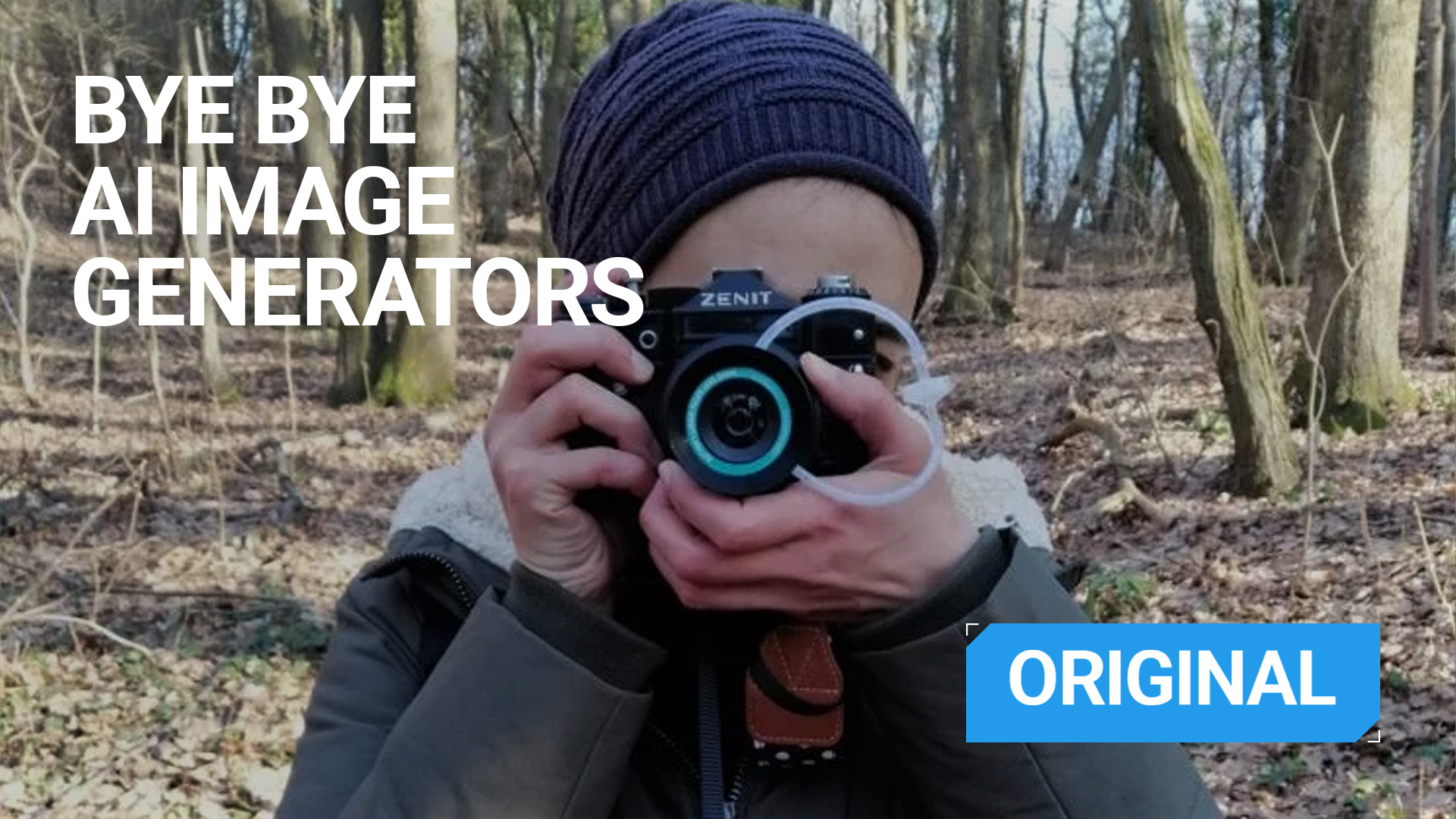
My Instagram has lately been flooded with the latest ChatGPT trend: caricatures of my friends and their jobs. And yet, I’m simultaneously feeling a strong push against generative AI and “AI photography.” It sounds contradictory, I know. But as AI photo generators and other tools become more widely available, our need for genuine connection and experiences seems to grow ever larger. I’m feeling it in the online and in-person community, and I’m loving it! At the same time, we’re rapidly becoming aware of AI’s impact on the environment, another huge topic I want to cover today.
I wrote about a similar topic in 2023, when AI image generators were only becoming a thing, and we all felt that they were here to stay. Today, I’d like to reflect on that article and discuss what has changed and how.
Using AI Image Generators: Then vs. Now
I’m often so grateful for my articles and diary entries from a few years ago because I have the memory of a goldfish. I don’t even remember how much I used AI image generators back when Midjourney was still a new toy, but the article from 2023 reminded me (and ashamed me, but more on that later). It was mainly just for fun, but I did use it quite a lot. I even paid for the monthly license.
And now, in February 2026, I barely remember that Midjourney exists. I don’t think I even remember my password, let alone pay for the account. On the other hand, AI image generation is now available through many other tools, such as ChatGPT and Google Gemini. Still, I don’t remember the last time I used it. It was a fun gimmick, now let’s move on.
AI Photo Editing Tools: Yes Please, but with Caution
I can’t just say “AI sucks for photographers” because I don’t think that’s true. Artificial intelligence has made some editing tasks much easier, such as making selection, my biggest nightmare. It also does amazing job removing digital noise – something us with old cameras in concert photography are very grateful for. Try shooting a concert with a Nikon D7000 and ISO above 1000, you’ll know what I’m talking about.
Anyhow, AI certainly has its place in photography, particularly photo editing. However, I still think we need to be mindful of how and to what extent we use it. I personally don’t want to replace skies, change human appearance to make them slimmer, or take 20 years off their faces. I think this is where we slowly leave the realm of photography and reality, but as always, that’s just my two cents.
Seeking Human Connection and Experiences
Even in my first article on this topic, I mentioned that AI images and “AI photo generators” can’t replace genuine human experiences. I’d like to expand on that a bit and add the human connection into the mix, too. I think they’re intertwined anyway, but both are definitely worth mentioning, and I’ll give you examples for both.
When it comes to human experiences – sure, ChatGPT, Midjourney, or whichever goddamn generative image platform can create a portrait of a singer on stage. They can generate a caricature of him from the photo I took as well, getting trained on my image for free.
But no AI platform can create Oliver Nektarijević in the flesh, standing on stage well after midnight, pouring his heart out through a song. No AI “photo generator” can generate the feeling of connection I felt with hundreds of other people as we sang “tiho tonemo, i blizu kraja smo, i sigurno ne postoji izgovor...” in unison. No generative AI can generate the happiness, pride, and privilege I felt standing there, taking photos of one of my favorite Serbian bands as a press photographer. To add to that, AI can’t generate the effort, curiosity, and trial and error I’d been through before standing there with a press pass.

Not Just Photography
Seeking human connection and experiences isn’t limited to photography, at least for me. I’ve noticed another thing lately – I’ve started spending more time on Reddit than ever before. By the way, I was never much of a Redditor; I would just occasionally look for interesting photography-related stories there. Even before AI chatbots, I’d never spend too much time on the forum.
When ChatGPT appeared and improved, when it became able to search the internet, I’d ask it everything and anything. It was especially when I adopted my cat Ozzy.
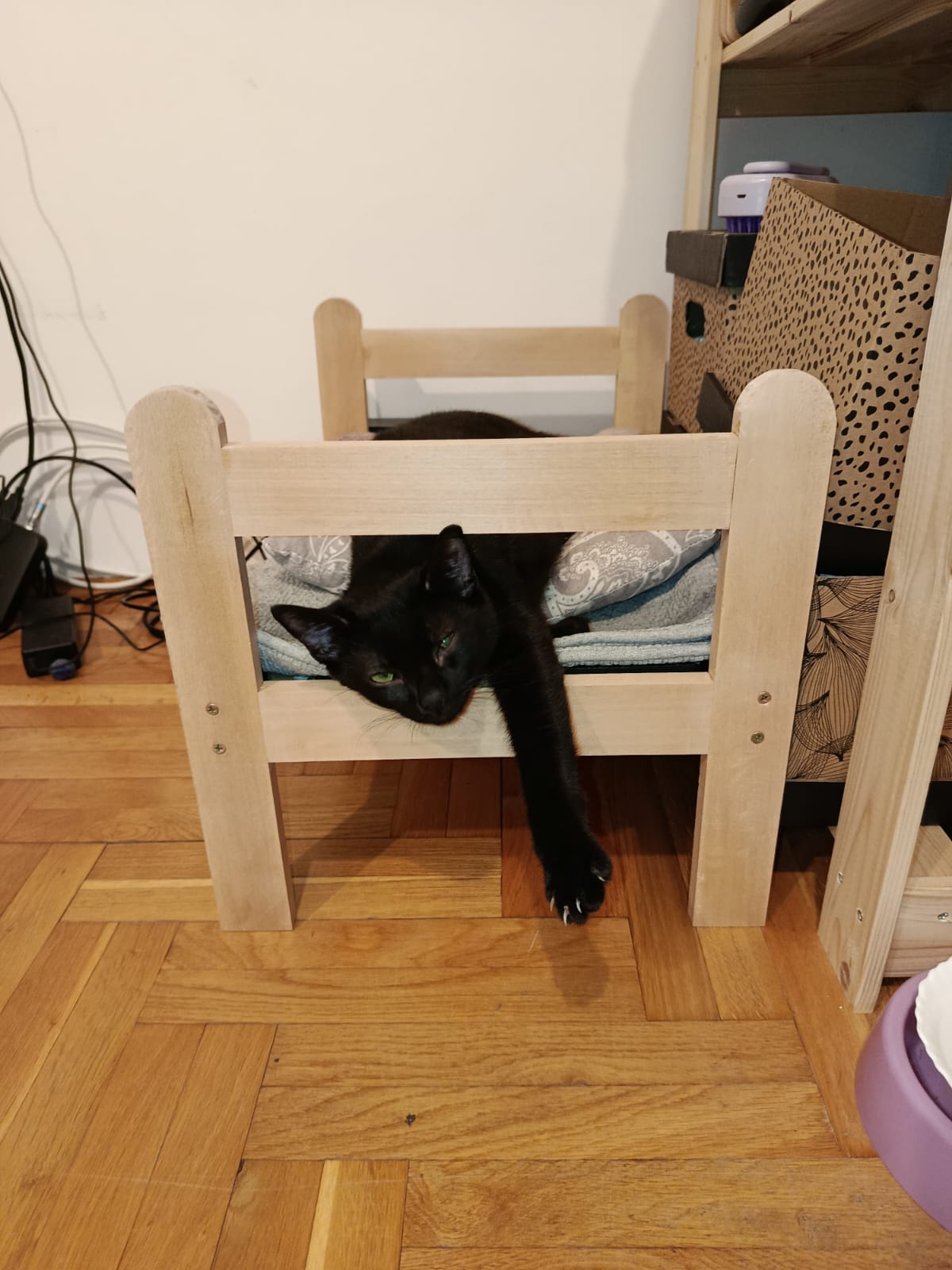
However, I recently became aware of the switch I’ve made. Instead of asking ChatGPT, I just Google my concern and add “Reddit” at the end. And I read other people’s experiences, ask them questions, and get involved with the community. Sure, it takes more time, but I don’t find that time wasted. Exchanging information with real people, or just reading their suggestions, scratches the itch for social contact that we all have. After all, your “friend” ChatGPT was trained on Reddit, so why not just read the answers from actual Redditors and stop wasting water?
And this brings us to another hot topic related to generative AI: the environmental impact.
Environmental Impact: Generative AI Is Ruining the Planet
The topic of AI’s environmental impact emerged relatively soon after the major generative AI image-generation platforms were publicly launched. However, I feel like its voice was at first muffled by the noise of “oh look at this new toy!” still screaming in our minds.
It seems to me that only after Sora became widely available and AI slop absolutely flooded social media, we rapidly started coming to our senses. Wait, all of these videos can’t just be created out of thin air, right?
Right.
In short, more AI slop requires more data centers to generate, but they are also used to train and refine AI models further. These data centers require power, lots of power. Power is also not generated from thin air, so this leads to increased carbon dioxide emissions and huge pressure on the power grid. The computers in those data centers heat up from all the work they do, so they use water to cool down. You can read more about it in this article by MIT, but in short, AI data centers are a huge environmental problem right now.
[Related Reading: This is the environmental impact of creating AI images]
Shame, Guilt, and Responsibility of Using Generative AI
When I learned all this, I felt ashamed for using generative AI so much when it first became a thing. I’m feeling a huge shift about generative AI on socials, from all kinds of different people and creators. It’s not just me; many people are more aware not only of the environmental dangers of generative AI, but also of how it hinders our creative process and even our thinking.
However, I don’t want to put all the blame on you (or me). The greedy tech bro billionaires could make a major difference here, not some random Dunja from Serbia. However, that cliché expression “be the change you want to see in the world” has a lot of truth to it as well.
While generative AI can find its place in our lives, it should be a tool that we can use mindfully and ethically. It can help you figure out the paperwork you need, so you don’t have to read the entire goddamn law and visit three separate institutions (ask me how I know). But you can totally live without your caricature. Or if you can’t, you can pay an actual artist to draw. You can even make one yourself using photography, collage, watercolor, embroidery… If you don’t have any of these skills, it’s time to learn! See how we circled back to human experience?
The Bottom Line: Save the Planet and Save Your Process
What AI will never be able to replace is the process behind learning a new skill or creating something with the skill you already have. The entire workflow from the first spark of the idea, through planning, buying props, scheduling the shoot, shooting itself, editing, all the way to the final image. And it doesn’t only have to be photography.
Here’s an example that came to my mind. I recently tried to describe my ideal safe space to a friend. Once I was done, she told me she felt the warmth and smiled as I was talking. When I got home, I thought to myself: Too bad I can’t draw or paint; perhaps I could describe my ideal space to ChatGPT and get an image of it. But then I realized something I think is important: I can’t paint, but I sure can paint with words. I had the space in my mind, and when I told about it to my friend, she visualized the image of it as well.
We all have talents and skills. We’re all creative in our own ways, that’s what brings us here together on this blog, isn’t it? We don’t need “AI photo generators” to get instant gratification that isn’t gratification at all. As humans, we need real experiences, we need to feel the process of learning and growth, which also includes occasional failures. And we need to connect with each other. We need to sing in unison and tell each other about our safe spaces. After all, the safest space is among like-minded people, not among zeros and ones.
I’m wrapping up with a recommendation for two creators who have inspired me immensely to think and write about this topic: Catharina Doria and Jeremy Carrasco. I’m leaving you, hopefully, with some food for thought, eager to hear your thoughts on this topic.
See more from DIYPhotography.net on Google
Add DIYPhotography.net as a trusted source. This makes
our stories more likely to appear in your Google Search results.
 Add as a preferred source on Google

Dunja Đuđić Kalinin
Dunja Djudjic is a multi-talented artist based in Novi Sad, Serbia. With 15 years of experience as a photographer, she specializes in capturing the beauty of nature, travel, concerts, and fine art. In addition to her photography, Dunja also expresses her creativity through writing, embroidery, and jewelry making.
Related Posts
 It’s Time To Say Goodbye – A story about an ending and a new beginning
 Say goodbye to Shrek skin: Edit green cast with this simple Photoshop technique
 In the Age of AI, DIYP Goes Back to Basics: Human Connection and Building Community
 What NOT to say during a photo shoot and what you should say instead
Join the Discussion
DIYP Comment Policy
Be nice, be on-topic, no personal information or flames.