

















Crocodile that Wouldn’t Hurt a Fly Wins Capturing Ecology 2025 Photo Contest
Jan 27, 2026
Dunja Đuđić Kalinin
Dunja Djudjic is a multi-talented artist based in Novi Sad, Serbia. With 15 years of experience as a photographer, she specializes in capturing the beauty of nature, travel, concerts, and fine art. In addition to her photography, Dunja also expresses her creativity through writing, embroidery, and jewelry making.
Share:

The winners of the British Ecological Society Capturing Ecology 2025 contest have been announced. This year, the top honour went to a striking portrait of an American crocodile by Zeke Rowe, showing a scary yet tolerant croc that wouldn’t hurt a fly – literally.
Organized by the British Ecological Society, Capturing Ecology is open to everyone and designed to be genuinely accessible. Entries were free for photographers from Global South countries, while members of partner organizations including, ZSL, Plantlife, Soil Association, and iNaturalist, could also enter selected categories without charge. The result is a truly global collection of images that reflect ecology as it is experienced, studied, and observed around the world.
[Related reading: “Shazam for nature” identifies plants and animals in your photos, and it’s free!]
Overall Winner
The Overall Winner of the British Ecological Society Capturing Ecology competition is Wouldn’t Hurt a Fly by Zeke Rowe, a PhD candidate at Vrije Universiteit Amsterdam.
Captured in Panama’s Coiba National Park, the image shows an American crocodile staring directly into the lens, utterly unfazed as horse flies feed on its snout. The photo is calm and intimate, yet intense, as the crocodile stares straight into the camera. It’s hard to look away.
Rowe took the image during a break from his research, getting as close and as low as he dared in a tidal marsh. Winning the competition marked a turning point for him, who had only recently begun submitting his work, proving that trust in your own perspective can go a long way.
Category Winners
Beyond the overall winner, this year’s Capturing Ecology photography competition features category winners. They include animals, plants, people, and landscapes shaped by human activity. Quite a diverse selection!
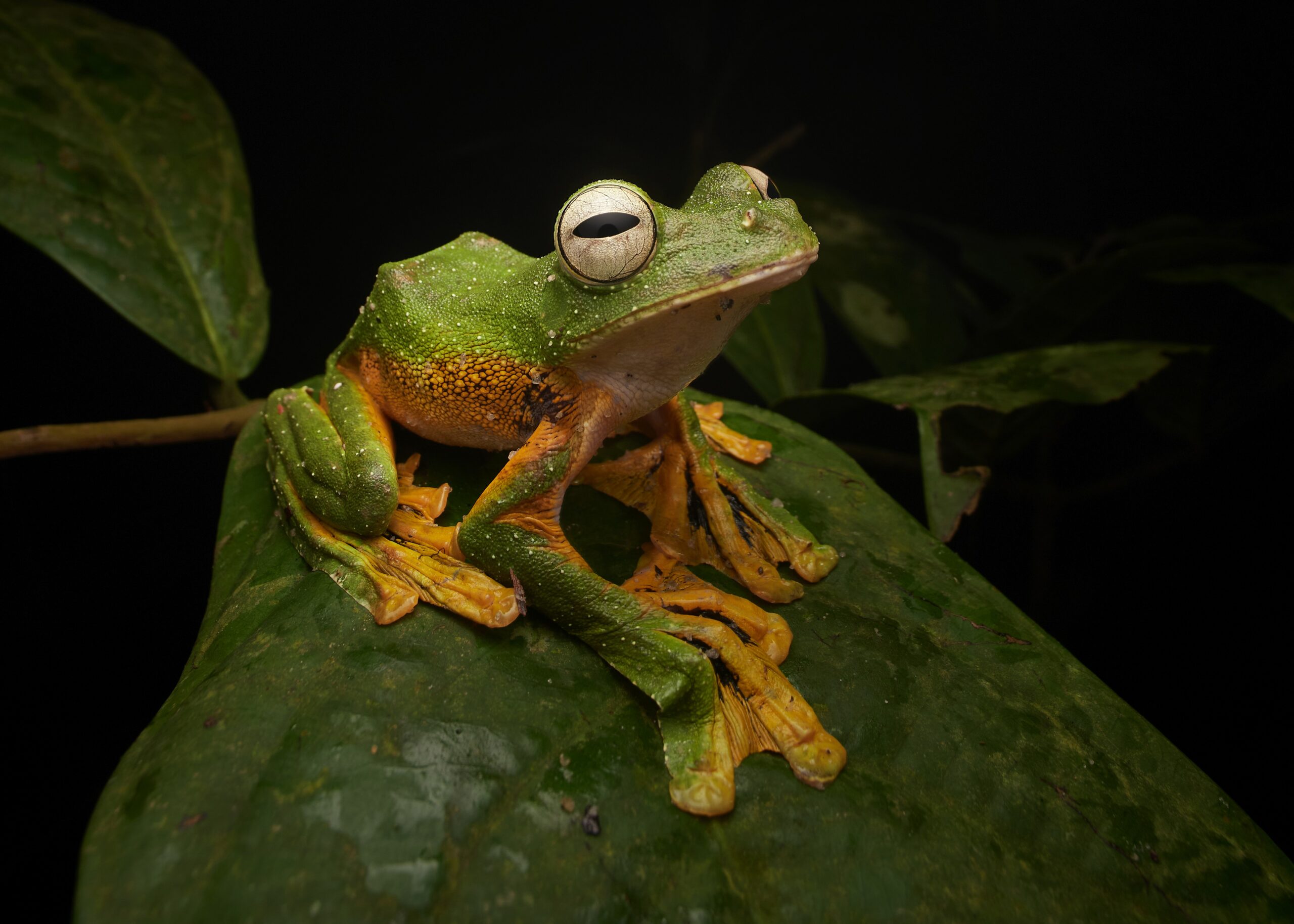
Animals – Wallace’s Flying Frog by Jamal Kabir, University of Nottingham
Photographed near Kuala Lumpur, this image captures Wallace’s Flying Frog descending from the rainforest canopy to breed in a temporary rain-filled puddle. Named after biologist Alfred Russel Wallace, the species uses its webbed feet to glide between trees. It’ s a striking example of adaptation captured at exactly the right moment.
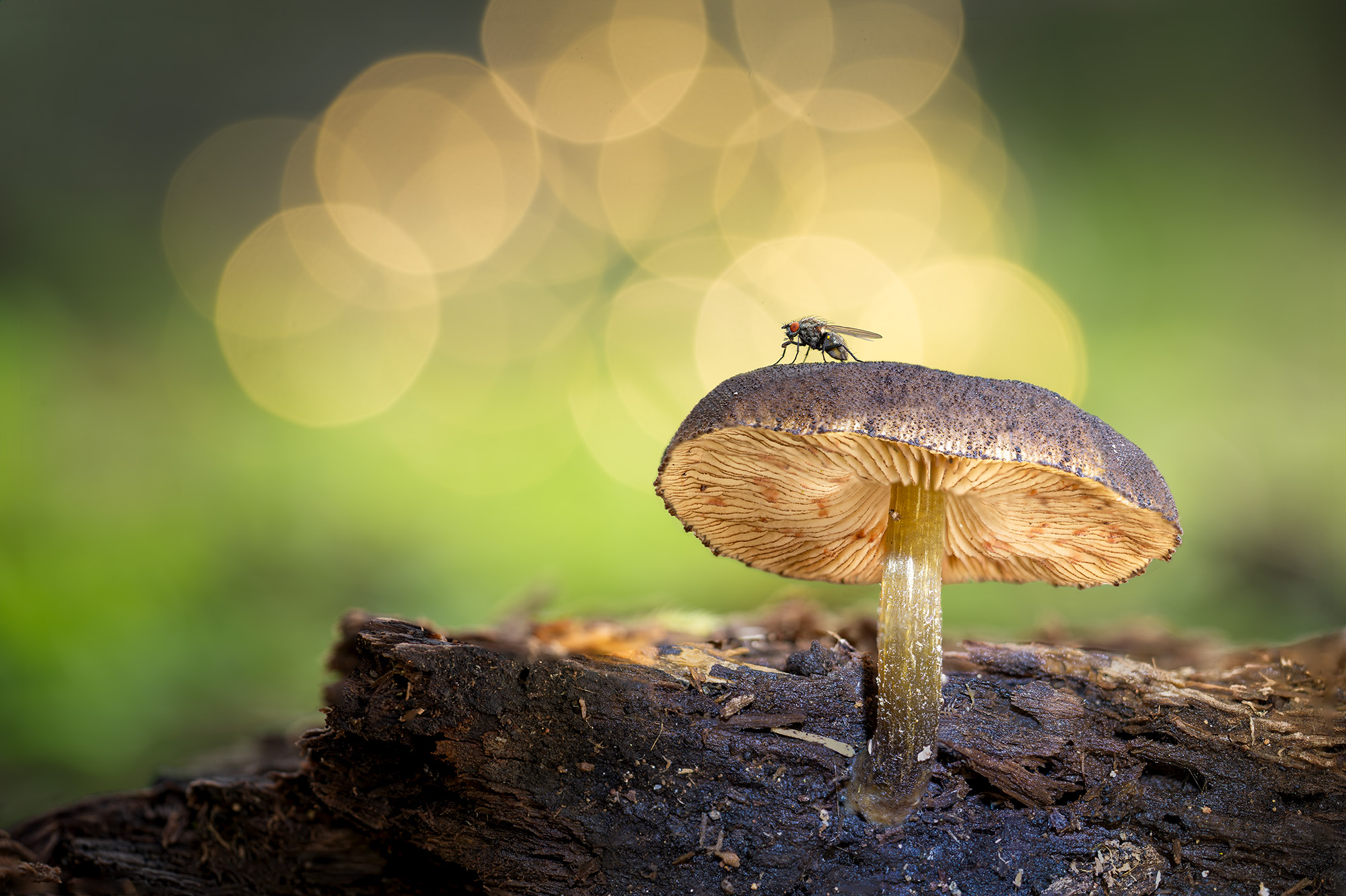
Plants And Fungi – Miniature Encounter by Francisco Gamboa
A fly comes to rest on a mushroom in this delicate, understated image. The photograph draws attention to the quiet beauty of tiny interactions and invites the viewer to slow down and notice the small, easily overlooked worlds beneath our feet.
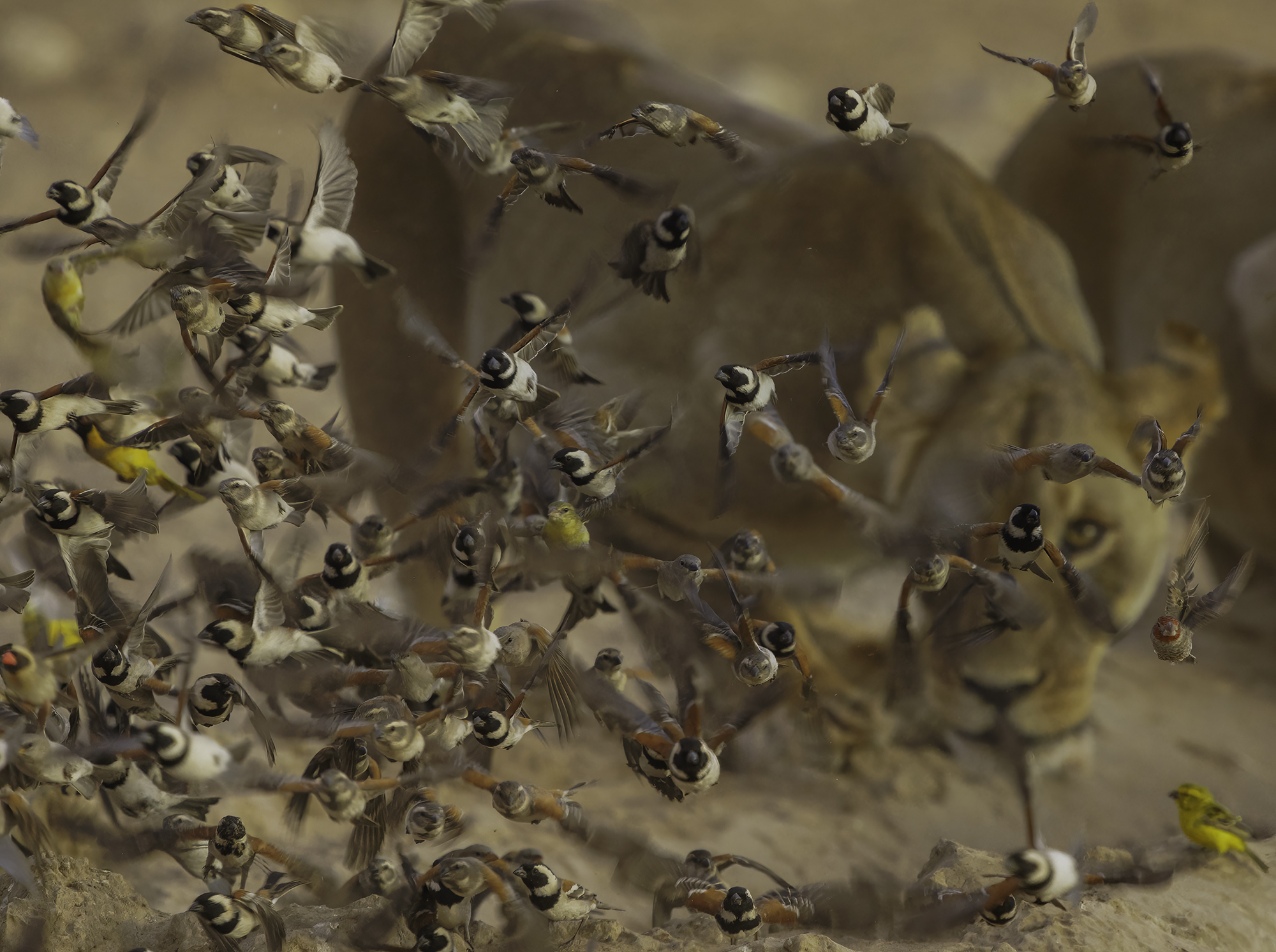
Interactions – Lioness One Eye Behind Birds by Willem Kruger
Taken during an exceptionally dry season in the Kgalagadi Transfrontier Park, the image shows birds drinking at a waterhole while a lioness watches closely. The tension is subtle but unmistakable, capturing a fragile moment where need outweighs fear.
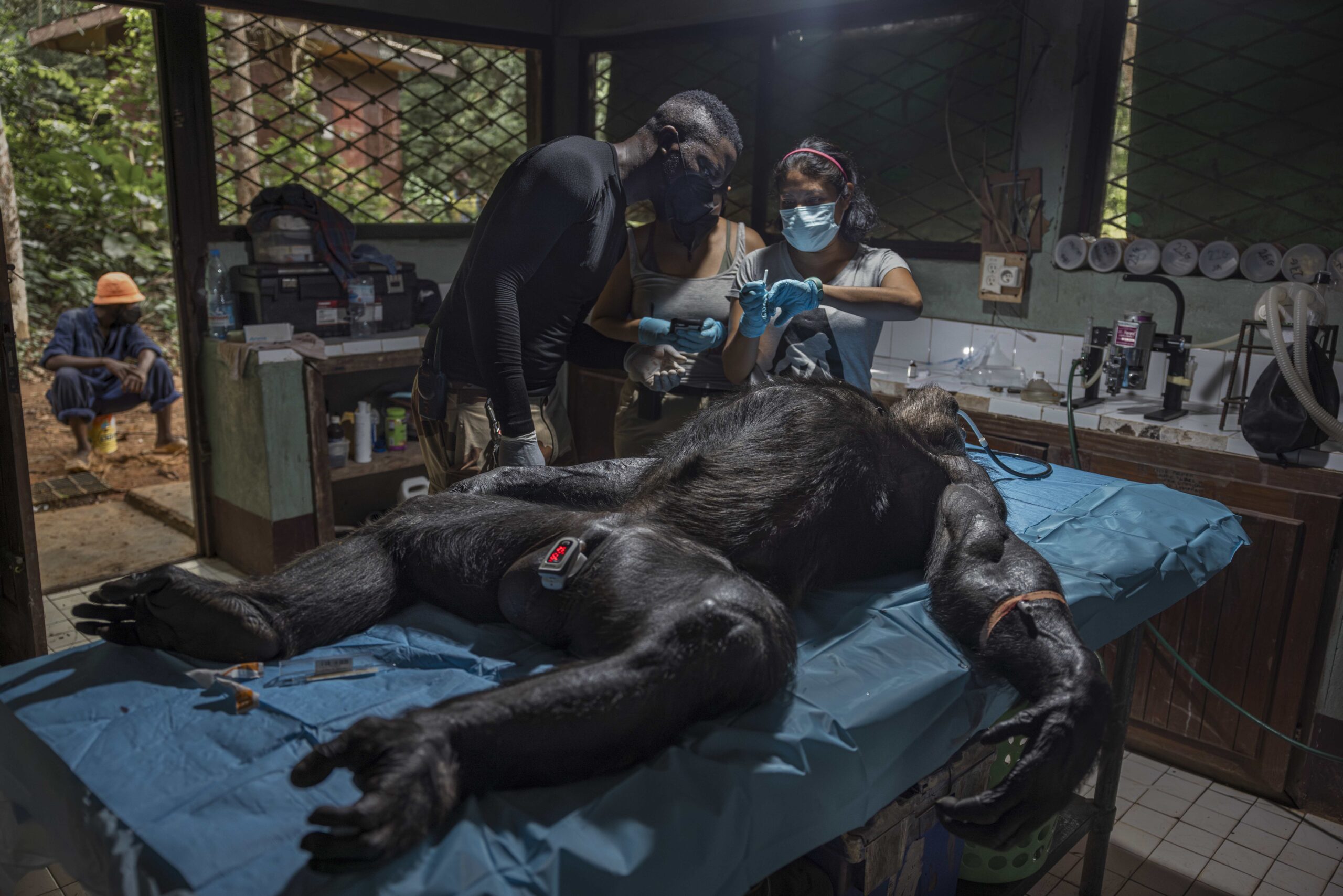
Ecologists In Action – Ready For Everything by Roberto García Roa, University of Valencia
At Sanaga-Yong Sanctuary, veterinarians and technicians examine a chimpanzee rescued from trafficking. The image documents the careful, focused work behind wildlife rehabilitation and offers a rare look at conservation efforts in action.
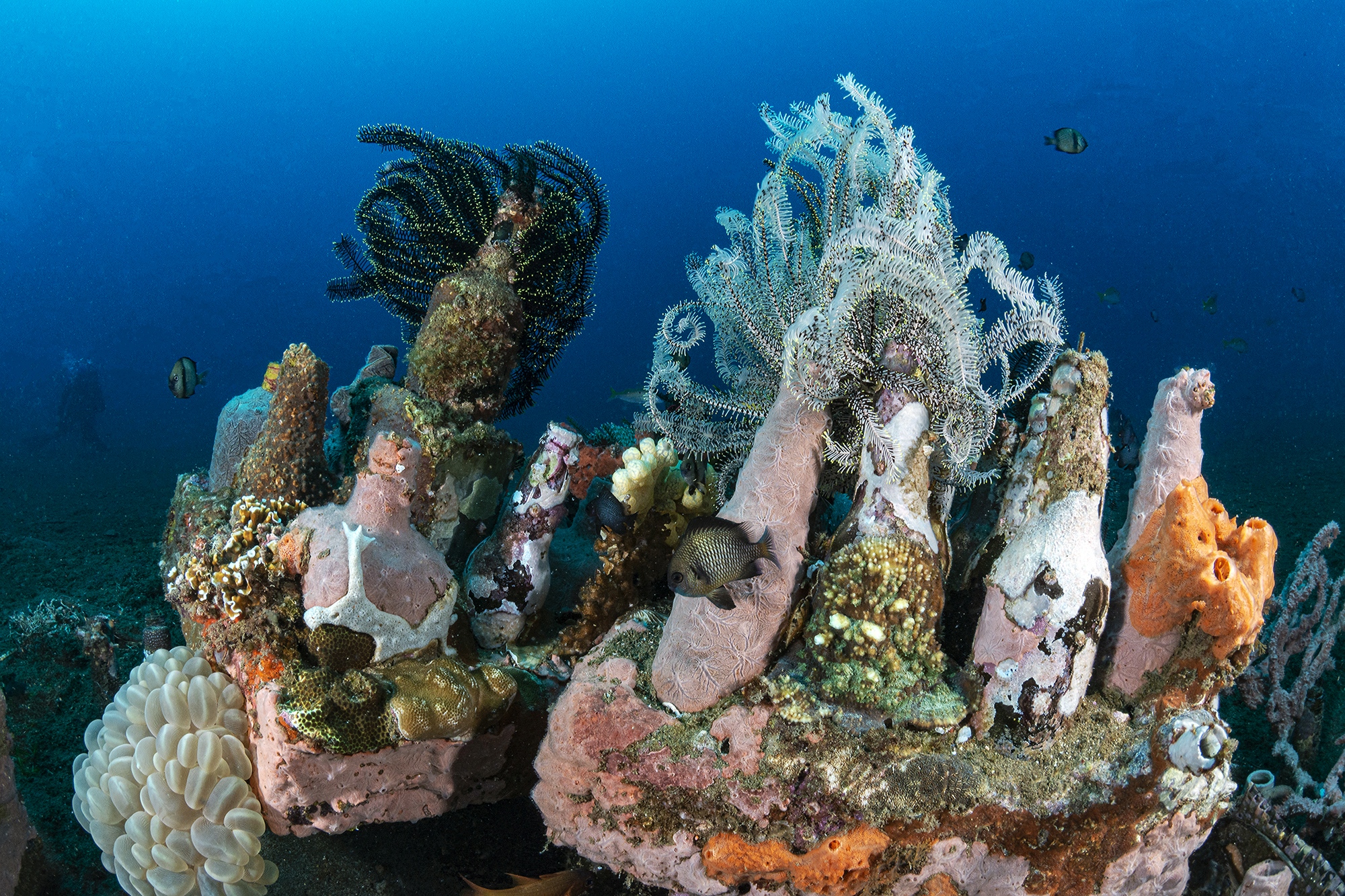
People And Nature – An Unusual Backdrop by Guido Villani
Discarded crates of bottles lie on the seabed, now completely covered with colourful marine organisms. The photograph presents an unexpected scene where human debris has become part of an underwater habitat, creating a visually striking and thought-provoking composition.
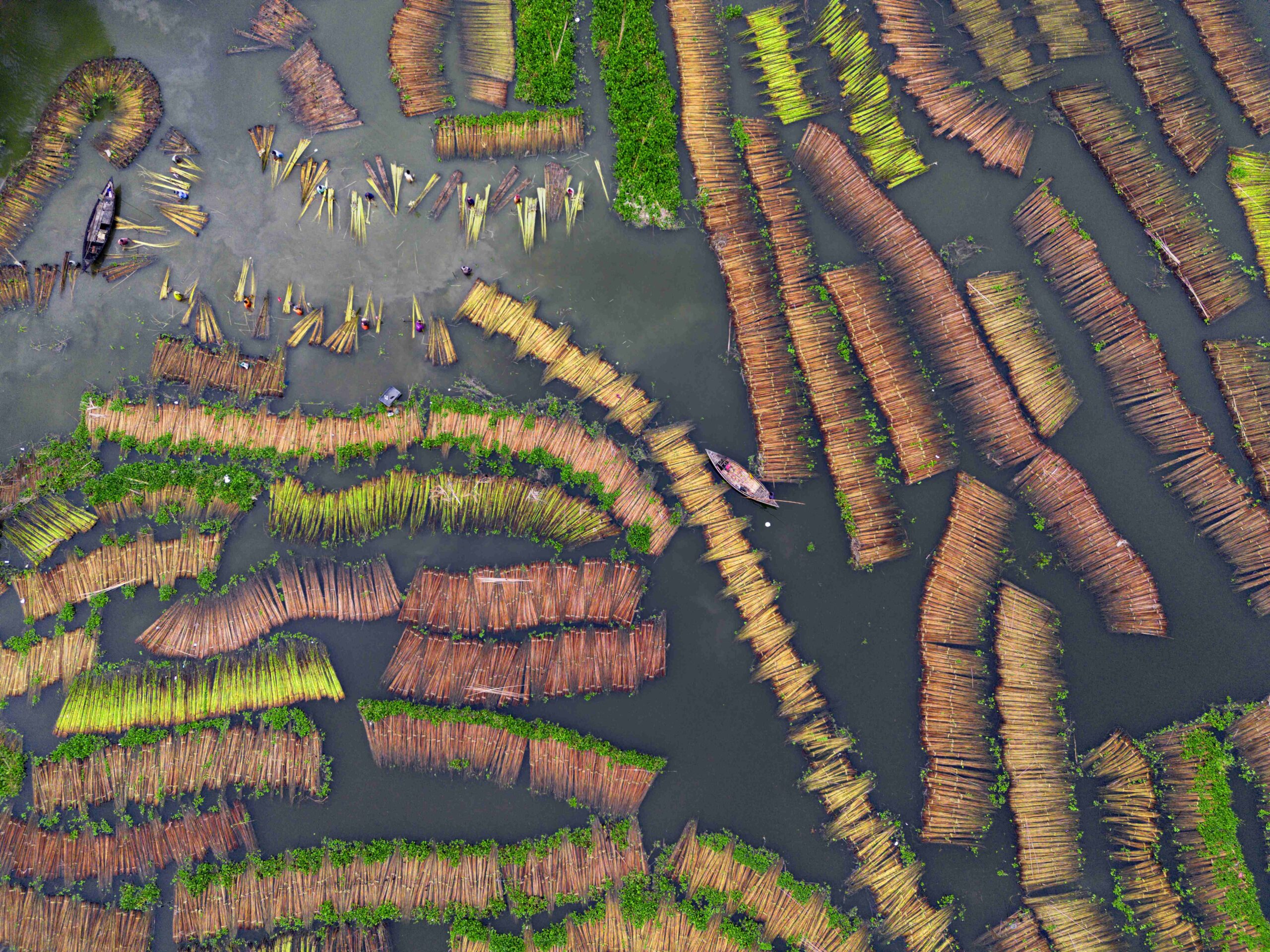
Nature, Food And Farming – Jute Processing by Joy Saha
Thousands of jute stems soak in water as farmers prepare the fibres for textile use. Seen from above, the scene forms intricate patterns, turning a familiar agricultural process into a visually compelling study of colour and repetition.
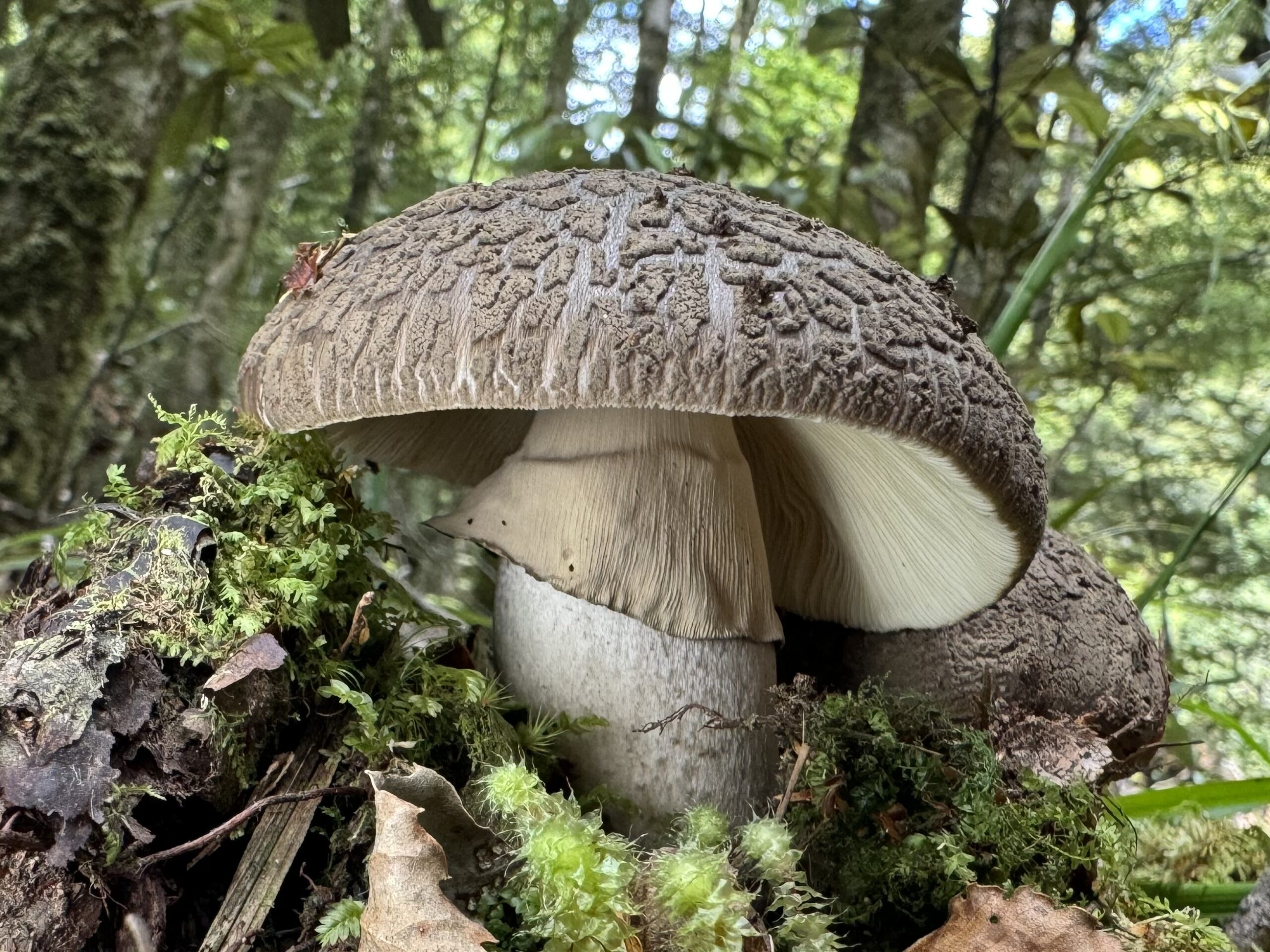
Mobile Ecology – Amanita Nothofagi by Hui Syn Chan
Photographed on a smartphone, this image features Amanita nothofagi, a fungus endemic to New Zealand. The photograph highlights the often unseen relationships between fungi and trees, captured simply and effectively with a device most of us carry every day.
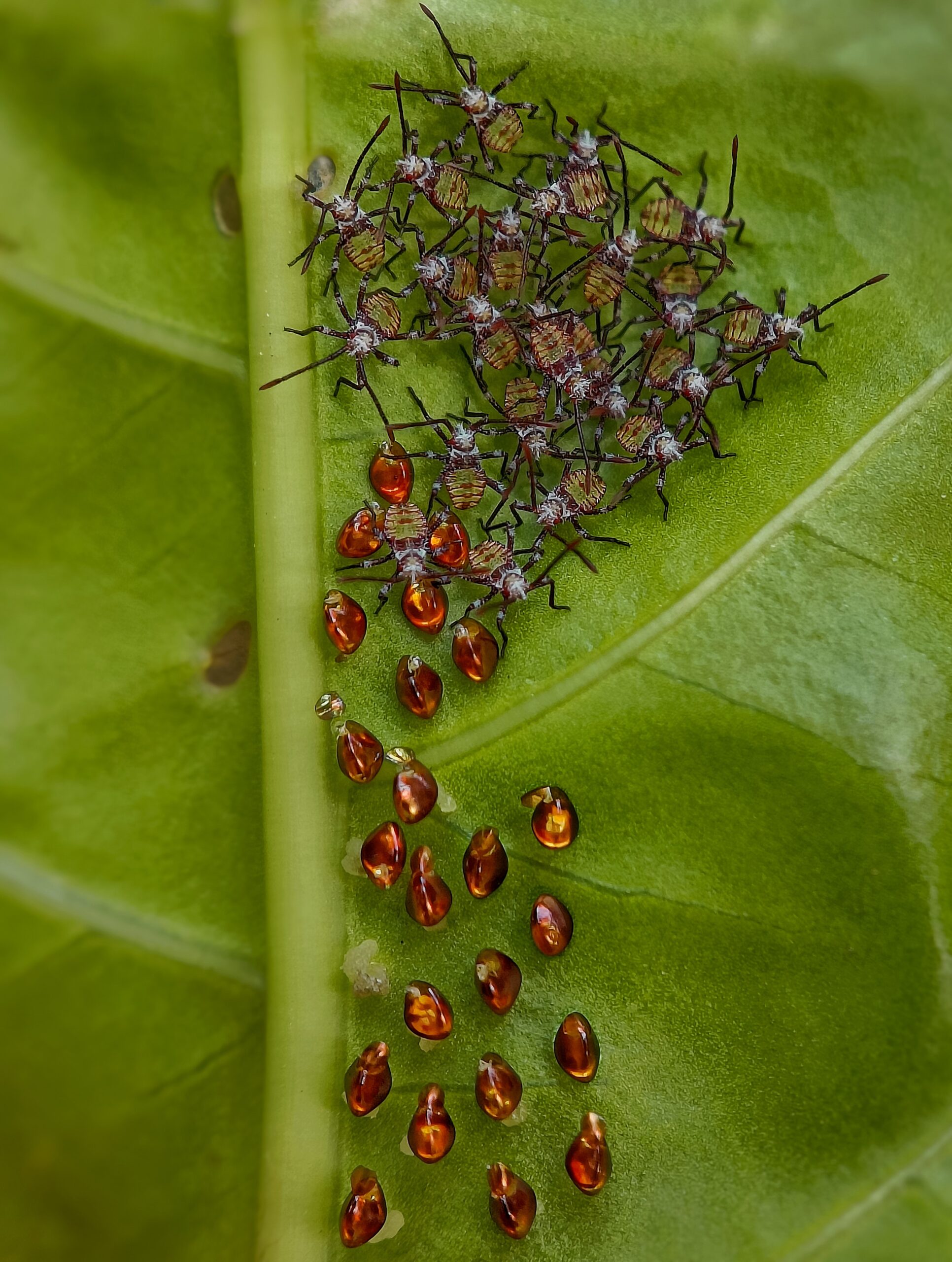
Up Close – Emerging Life by Sritam Kumar Sethy, Berhampur University
Newly hatched leaf-footed bug nymphs cluster beside their egg casing, their translucent bodies revealing a fleeting developmental stage. The image is both scientific and poetic, showing vulnerability and survival in equal measure.
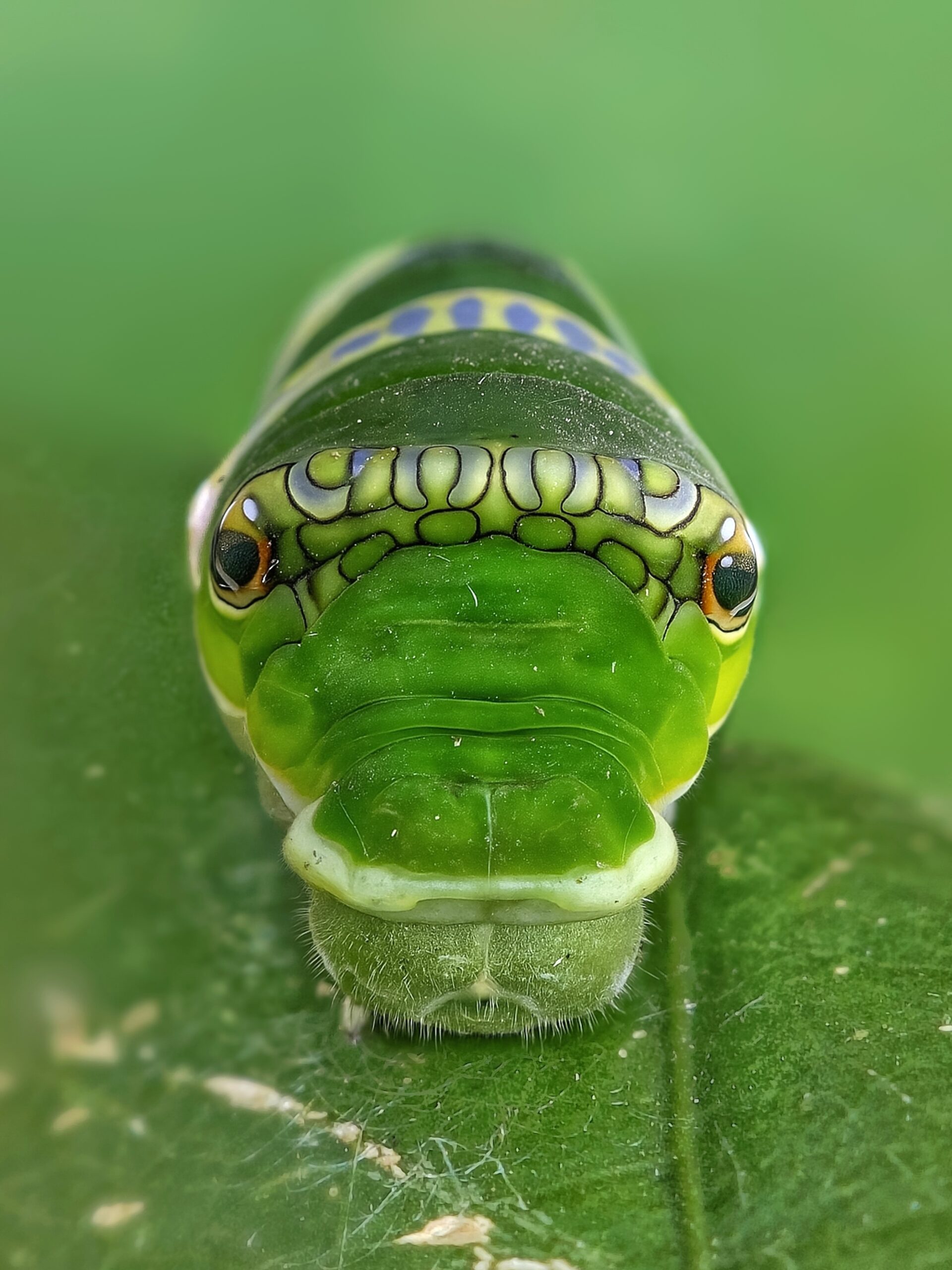
Ecologists’ Choice Award – The False Eye by Sritam Kumar Sethy
Selected by ecologists at the British Ecological Society’s Annual Meeting in Edinburgh, the Ecologists’ Choice Award also went to Sritam Kumar Sethy.
The False Eye captures the Common Mormon swallowtail caterpillar employing convincing snake mimicry. Eye-like markings, body posture, and defensive behaviour combine to create an illusion that feels almost theatrical.
A Global Gallery of Ecological Moments
Together, this year’s winners and highly commended images form a vivid snapshot of ecology as it appears across continents and scales. Each photo stands on its own, yet collectively they offer a diverse glimpse into the many ways life on Earth unfolds. Make sure to visit the contest website, explore the entire image gallery, and enjoy the journey through the natural world all over our beautiful planet.
More from Capturing Ecology photography contest
- Mystical portrait of Helena’s tree frog wins Capturing Ecology 2022 contest
- Sleeping damselfish’s vibrant hiding place wins 2023 Capturing Ecology contest
- Stunning portrait of sunbathing dragon wins 2024 Capturing Ecology contest
- Crocodile that Wouldn’t Hurt a Fly Wins Capturing Ecology 2025 Photo Contest
See more from DIYPhotography.net on Google
Add DIYPhotography.net as a trusted source. This makes
our stories more likely to appear in your Google Search results.
 Add as a preferred source on Google
Filed Under:
Tagged With:

Dunja Đuđić Kalinin
Dunja Djudjic is a multi-talented artist based in Novi Sad, Serbia. With 15 years of experience as a photographer, she specializes in capturing the beauty of nature, travel, concerts, and fine art. In addition to her photography, Dunja also expresses her creativity through writing, embroidery, and jewelry making.
Related Posts
 Stunning portrait of sunbathing dragon wins 2024 Capturing Ecology contest
 Mystical portrait of Helena’s tree frog wins Capturing Ecology 2022 contest
 Sleeping damselfish’s vibrant hiding place wins 2023 Capturing Ecology contest
 Photo of a “zombie fungus” infecting a fly wins 2022 BMC Ecology and Evolution competition
Join the Discussion
DIYP Comment Policy
Be nice, be on-topic, no personal information or flames.