




















Best Camera for Landscape Astrophotography: Real Performance Over Competition Hype
Sep 24, 2025
Darlene Lleno
Darlene Lleno brings a unique perspective to DIY Photography as someone who grew up surrounded by camera gear but chose words over lenses. With five years of writing experience, she specializes in photography content that’s both technically informed and genuinely passionate. Growing up with a photographer twin brother meant camera talk was everyday conversation in her household. While he mastered capturing moments, Darlene discovered she preferred being the subject and the storyteller behind the scenes. As a travel enthusiast and mother of two, she understands the importance of preserving life’s precious moments. When not exploring new destinations or writing for DIY Photography, you’ll find her reading or tending to her garden. Her approach to photography writing is refreshingly authentic, she may not be behind the camera, but she knows exactly what it takes to help others capture the shots that matter most.
Share:
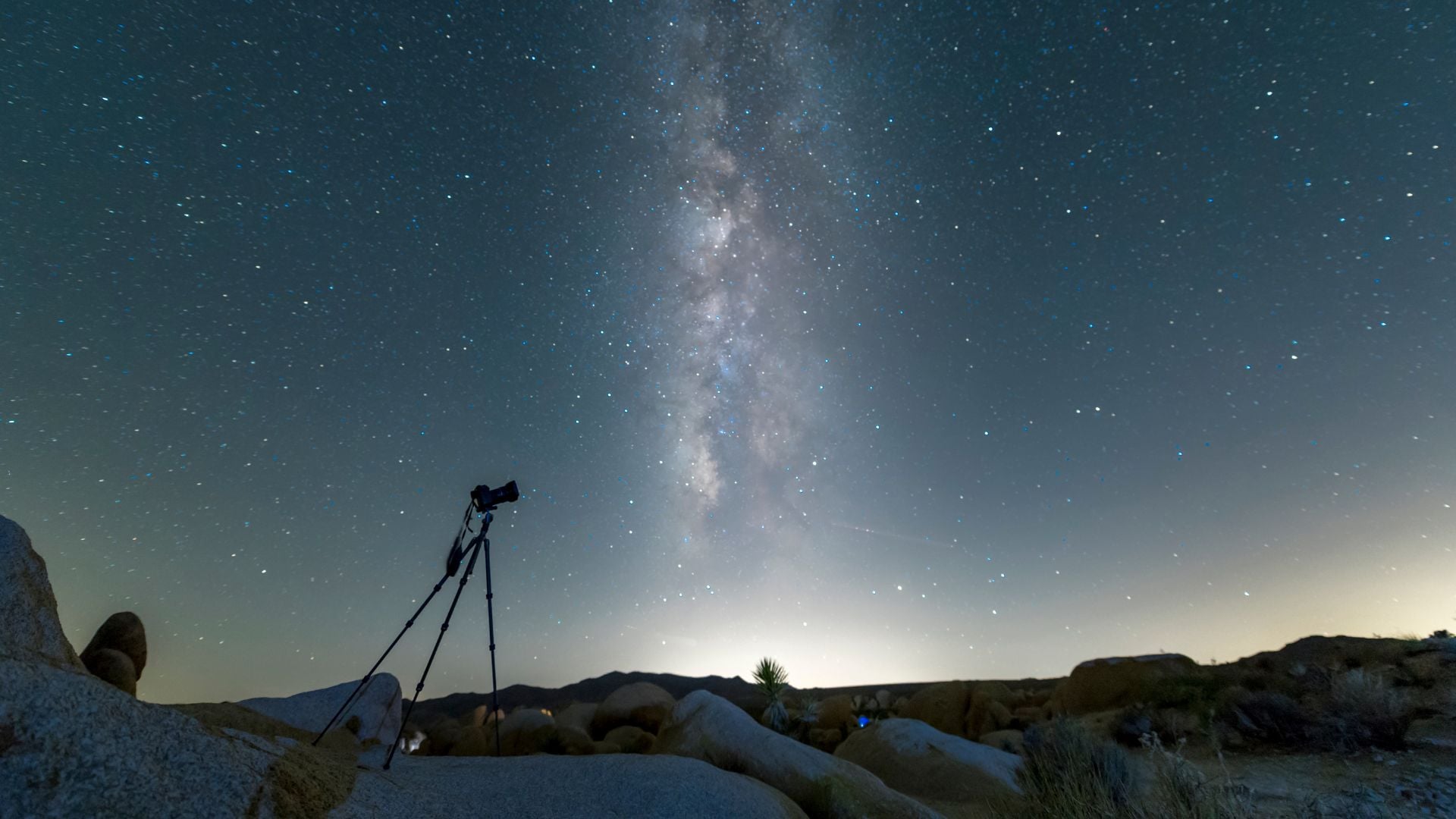
Finding the best camera for landscape astrophotography means looking beyond award winners and fancy specs. Competition data tells only part of the story. Your shooting style, budget, and local conditions matter way more than what cameras win photo contests.
Most camera guides focus on competition results or technical specs. These approaches miss the real challenges you face during actual shooting sessions. Cold batteries, dew formation, and fumbling with controls in darkness create bigger problems than marginal sensor differences.
This guide focuses on cameras that perform when conditions get tough. We cover real-world testing results instead of lab measurements. You’ll learn which cameras keep working when others fail.
Read more: Best Camera for Landscape Astrophotography: Real Performance Over Competition HypeWhy Competition Data Misleads Regular Photographers
Award-winning astrophotographers use expensive gear in perfect conditions. They often own multiple cameras and shoot with professional support teams. Their equipment choices don’t match what most people need or can afford.
Competition analysis shows clear brand preferences. Sony, Canon, and Nikon dominate the results. However, this creates a feedback loop where successful photographers influence others to buy similar gear.
The focus on full-frame cameras in competitions puts pressure on beginners to spend big. Many skilled photographers create stunning images with cheaper APS-C systems. The difference often disappears when viewing images online or in moderate-sized prints.
Award data also ignores practical factors. Battery life in cold weather matters more than a few extra megapixels. Menu usability in darkness trumps the latest autofocus technology. These real-world factors determine shooting success more than competition specs.
Best Camera for Landscape Astrophotography: Field-Tested Winners
These cameras earned their spots through extensive real-world testing. Each model proves reliable across different conditions and skill levels. Performance matters more than popularity here.
Sony A7 III: The Reliable Choice
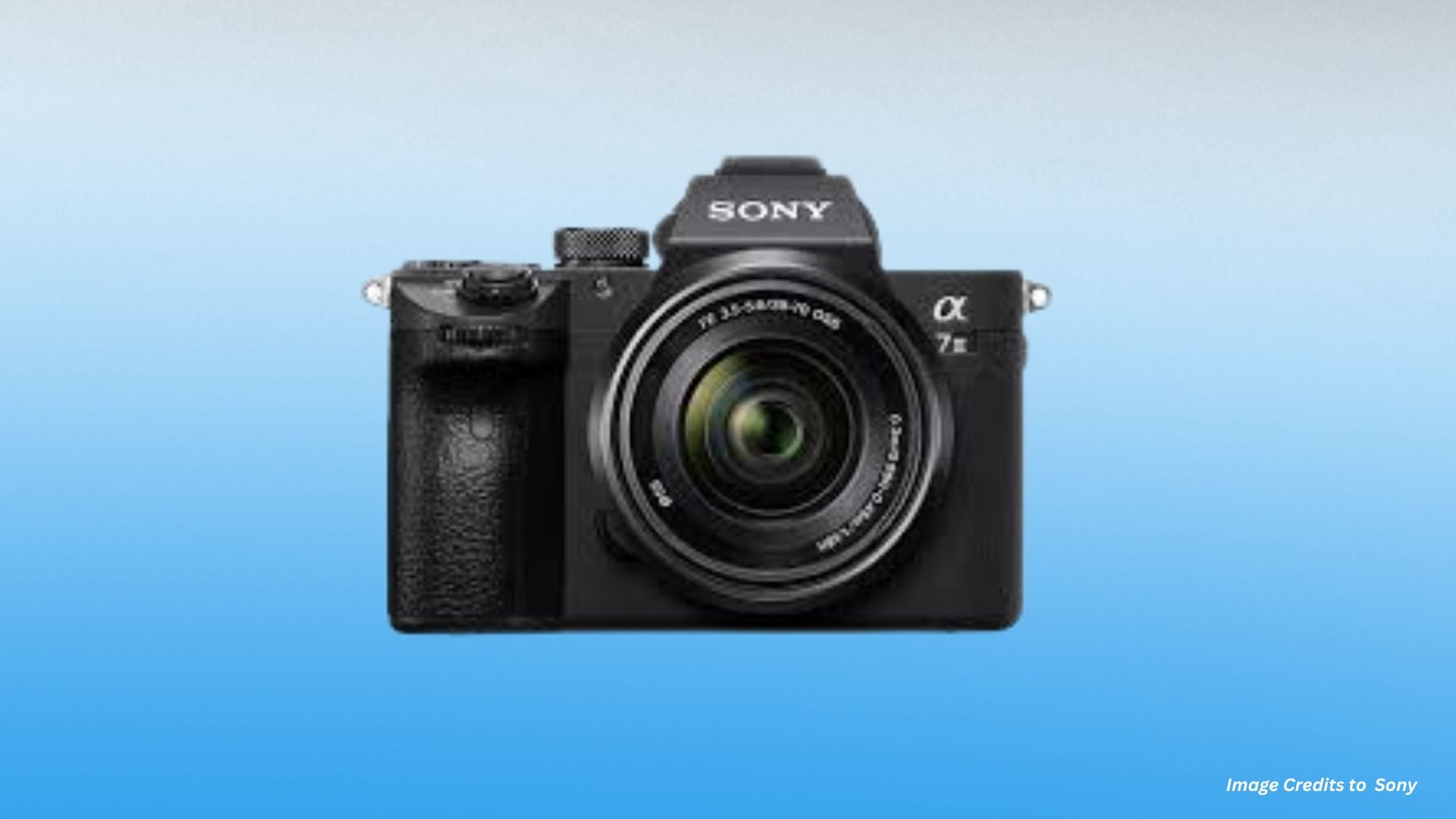
The Sony A7 III deserves its reputation as a solid nightscape photography camera. Its reliability in harsh conditions sets it apart from newer models with fancier features.
Battery life beats most competing full-frame cameras. This camera keeps shooting in cold temperatures that shut down others. The A7 III runs cooler during long sessions too. Heat buildup causes noise in extended exposures, so this matters more than you might think.
The menu system looks complex at first glance. Once you set up custom buttons, frequently-used settings become easy to access. This efficiency saves precious time during those perfect sky conditions.
Weather sealing handles dew and moisture better than expected. Many photographers report reliable operation in challenging outdoor conditions. The camera maintains consistent performance across temperature changes too.
Canon EOS R8: Great Value Full-Frame
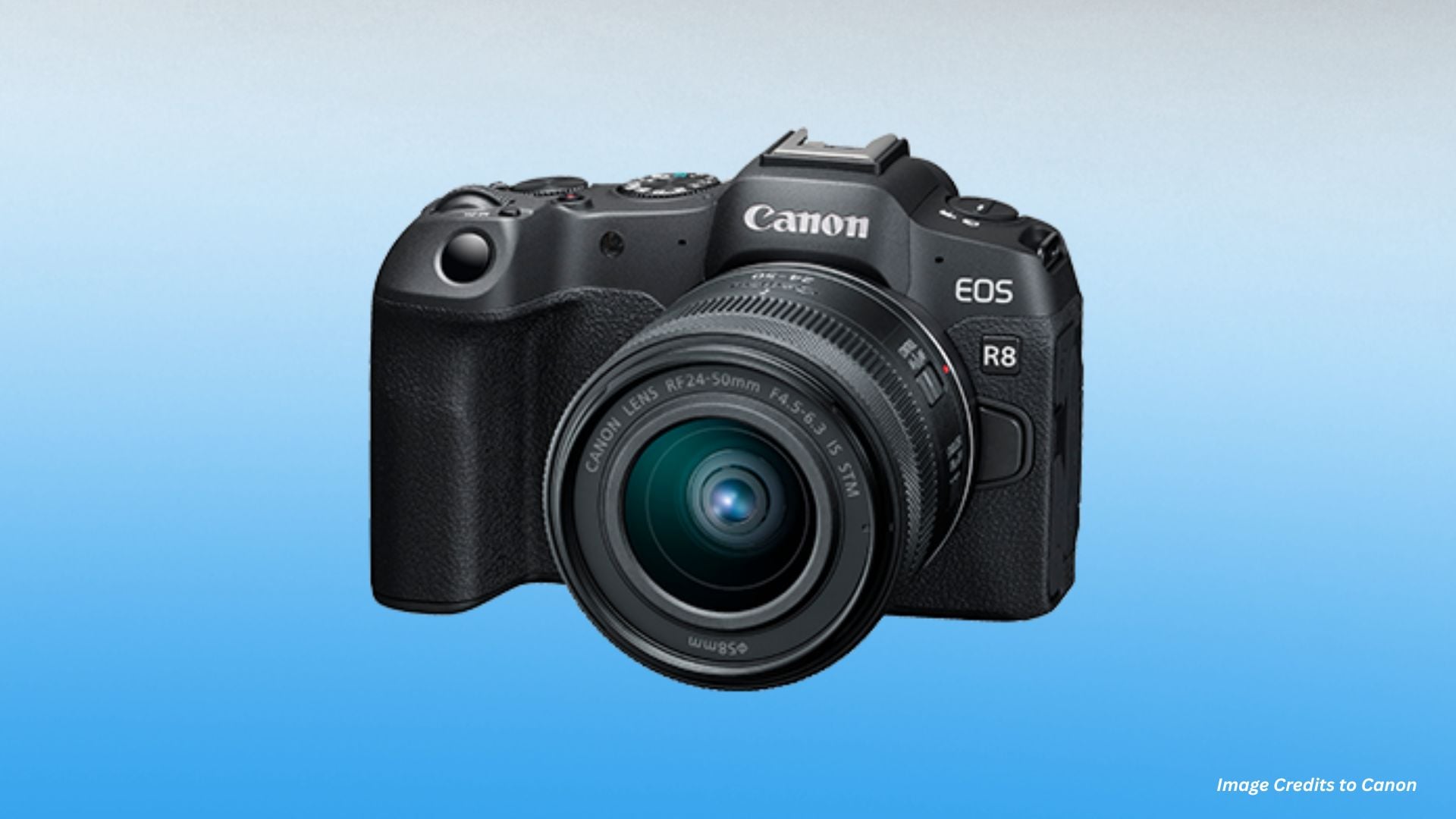
The Canon EOS R8 delivers full-frame astrophotography performance without breaking the bank. This camera offers 90% of expensive model capabilities at reasonable prices.
Canon’s control layout works well for night shooting. Buttons feel intuitive even with gloves on. Physical controls provide direct access to key functions without menu diving. The compact size makes hiking to dark locations much easier.
Image quality rivals cameras costing twice as much. The 24.2-megapixel sensor produces clean high-ISO images with excellent dynamic range for processing flexibility. Color accuracy stays consistent across different ISO settings.
Build quality exceeds expectations for the price point. The grip provides secure handling during setup and operation. Weather sealing protects against moisture and dust exposure.
Nikon Z6 III: Feature-Rich Performance
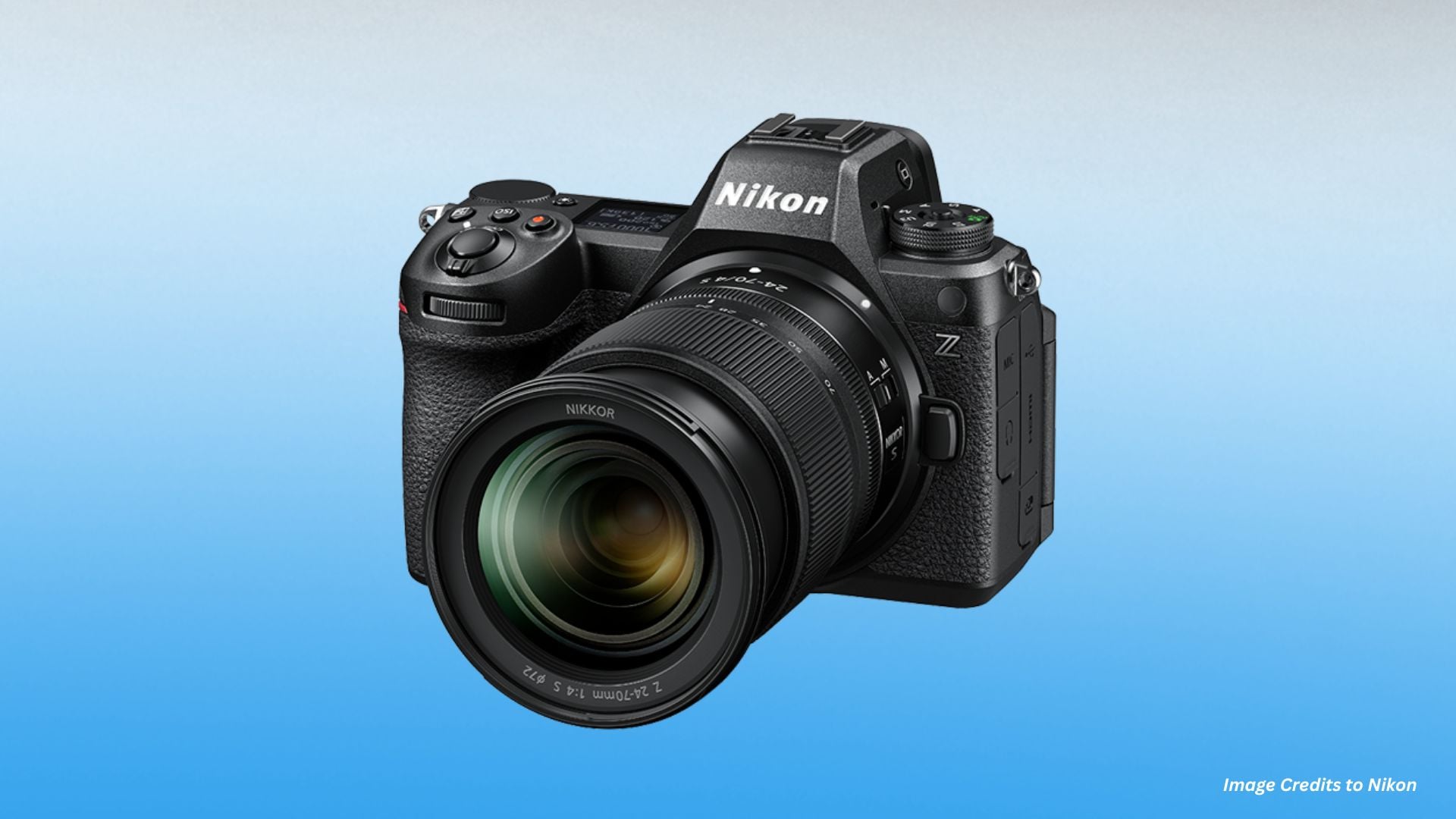
The Nikon Z6 III includes several features specifically designed for night photography. These additions make landscape astrophotography workflows more efficient and reliable.
Starlight View mode amplifies available light for easier composition and focusing. This feature works better than typical live view in extremely dark conditions. The camera can focus on stars that appear invisible to other systems.
Extended long exposure capability allows exposures up to 15 minutes without external accessories. This built-in function eliminates the need for separate intervalometers. Timing stays precise across different exposure lengths.
The camera remembers focus settings between power cycles. This proves invaluable when returning to familiar shooting locations. You maintain precise infinity focus without readjusting each session.
Focus peaking and magnification work exceptionally well for manual focusing. The system provides clear, accurate feedback that makes sharp focusing faster than competing implementations.
Smart Budget Picks: Best Camera for Landscape Astrophotography Under $1000
Excellent nightcape photography doesn’t require expensive equipment. These cameras under $1000 produce results approaching much costlier alternatives when used properly.
Budget constraints often force photographers to choose between high-end APS-C cameras with good lenses or entry-level full-frame cameras with compromised optics. Sometimes the APS-C system produces better overall results despite the smaller sensor.
Canon EOS RP: Entry-Level Full-Frame
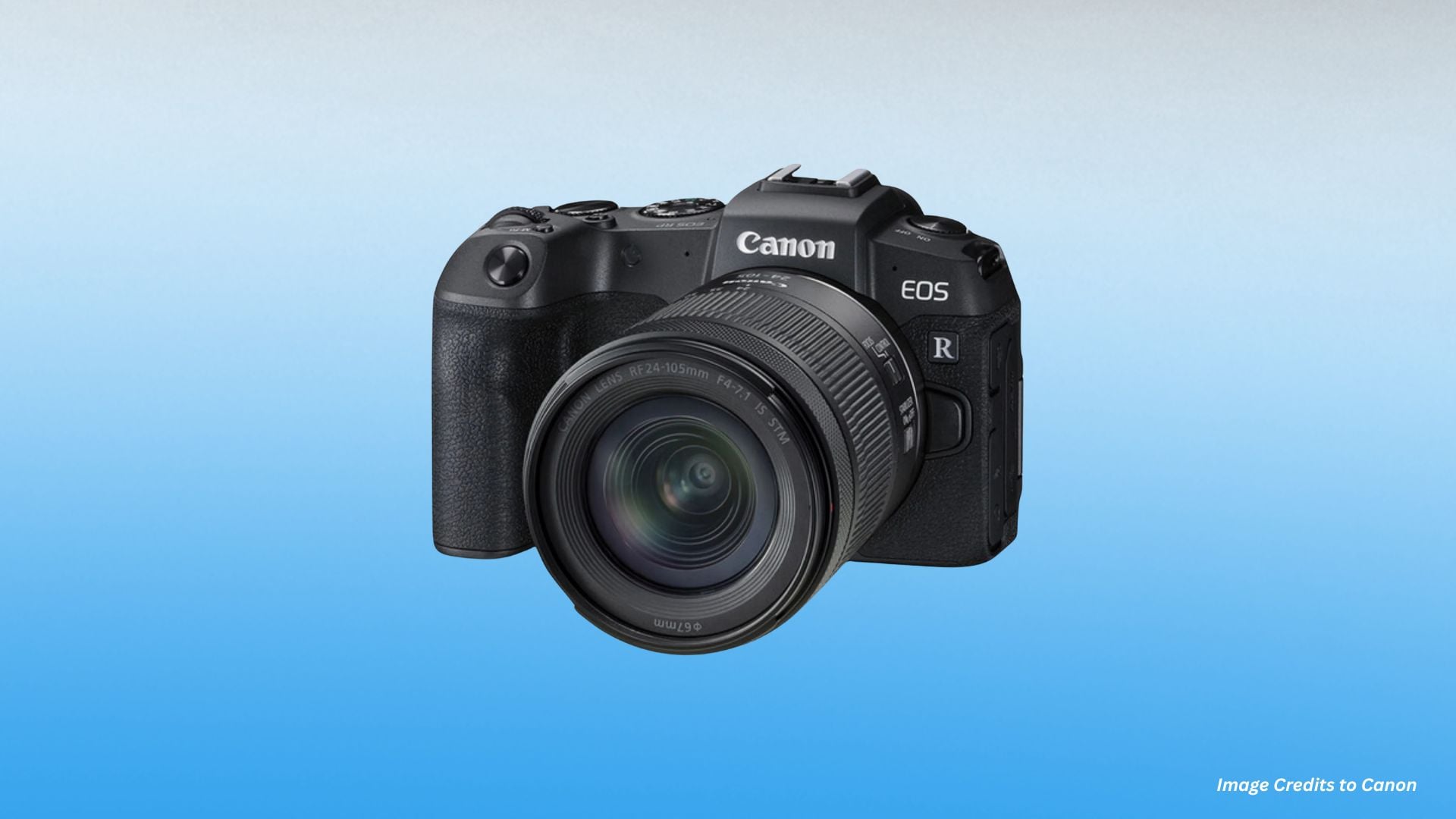
The Canon EOS RP brings full-frame landscape astrophotography within reach of budget-conscious photographers. While missing some advanced features, fundamental image quality remains excellent for night sky work.
Compact size and light weight make backpacking to remote locations practical. Battery life proves adequate for typical sessions with proper power management. Canon’s Dual Pixel autofocus works surprisingly well for focusing on bright stars and planets.
Image stabilization helps during composition and setup phases. The system also reduces camera shake when reviewing images or adjusting settings. Weather sealing provides decent protection for outdoor shooting sessions.
Sony A7 II: Proven Performance
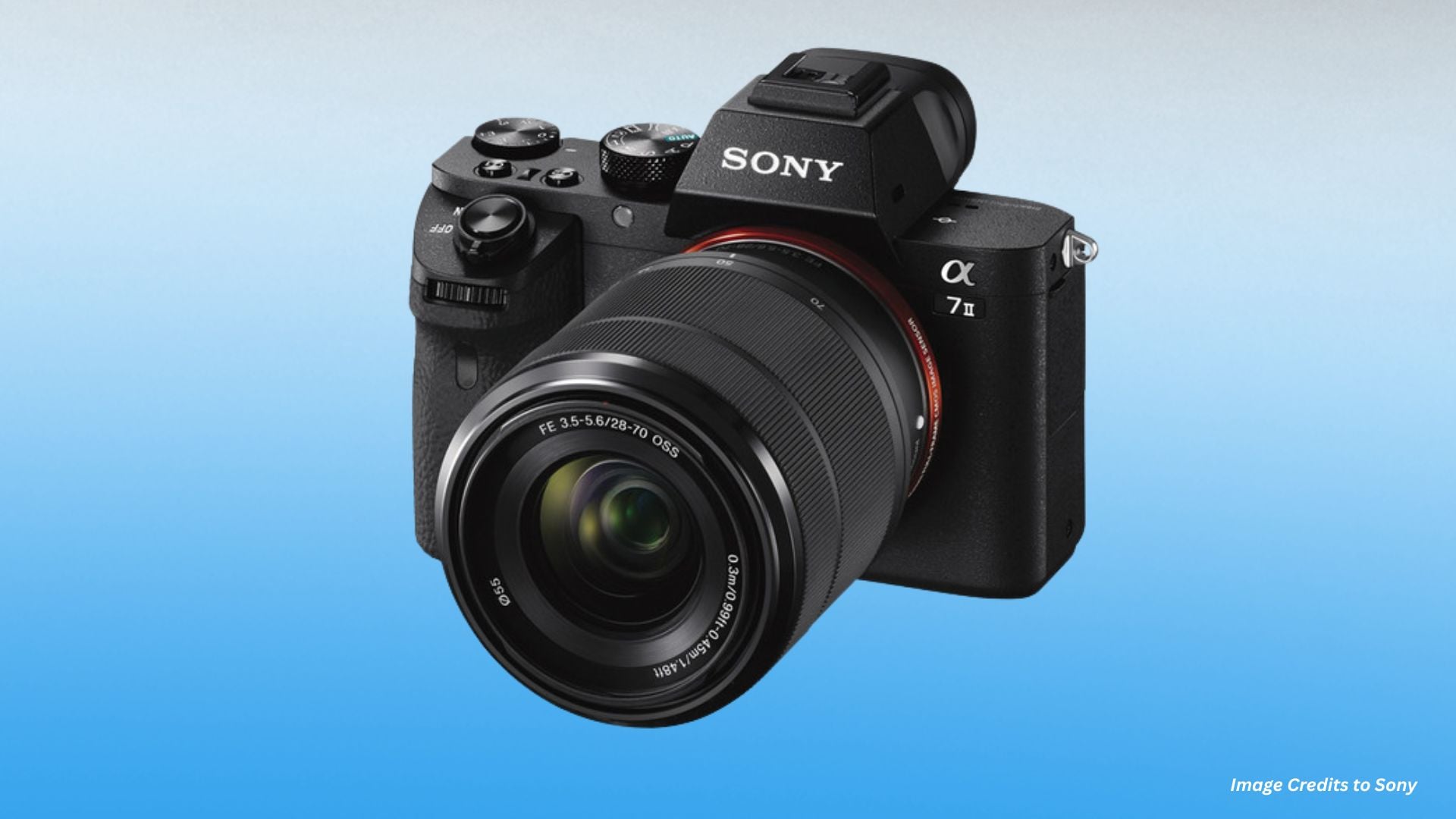
The Sony A7 II offers reliable full-frame performance at dropping prices. This camera produced countless excellent nightcap photography images and remains capable despite its age.
Build quality exceeds expectations for current market prices. The camera feels substantial and weather-resistant. Controls operate smoothly even in challenging conditions.
Cold weather performance surpasses many newer models. Sony improved temperature operation in later generations. The A7 II still outperforms cameras from other manufacturers in similar conditions.
Fujifilm X-T4: Capable APS-C Option
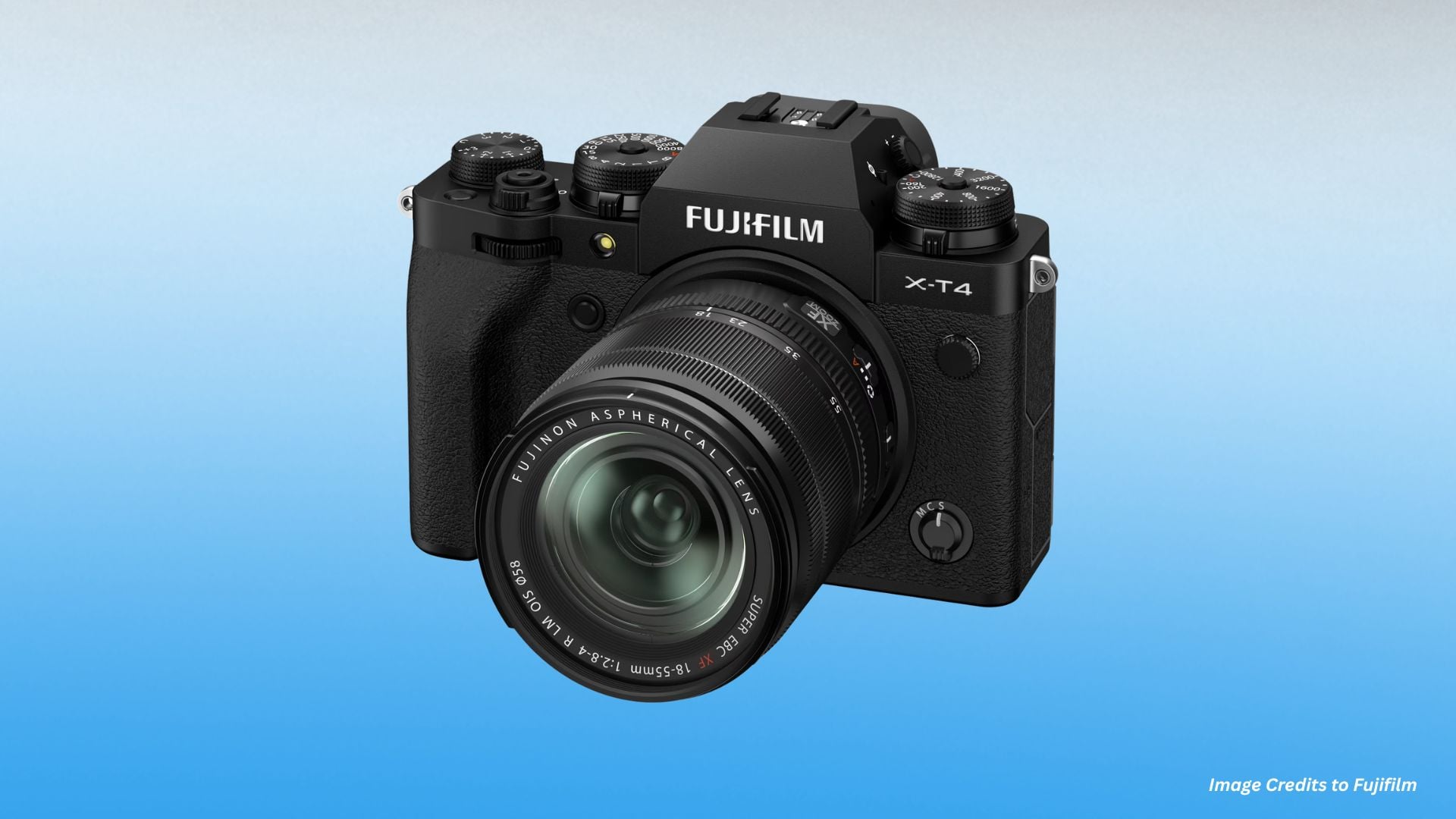
The Fujifilm X-T4 demonstrates that crop sensor cameras can produce outstanding landscape astrophotography results. The crop factor actually benefits certain types of nightcap photography by effectively increasing focal lengths.
Fujifilm’s color science produces appealing results straight from the camera. This reduces post-processing requirements for photographers preferring simpler workflows. Built-in film simulation modes add character to landscape astrophotography images.
In-body stabilization works well for handheld composition and setup. Weather sealing exceeds expectations for an APS-C camera. The X-T4 handles moisture and temperature changes reliably.
Key Performance Factors That Actually Matter
While sensor size impacts landscape astrophotography performance, several other factors prove more important for practical success. Understanding these elements helps identify cameras that work well in real shooting conditions.
These factors rarely appear in standard camera reviews but significantly impact shooting success. Temperature performance, battery life, and usability in darkness matter more than marginal spec differences.
Cold Weather Reliability
Temperature separates reliable cameras from fair-weather options. Some cameras shut down in moderate cold while others keep operating in harsh conditions.
Battery performance varies dramatically between models in identical cold conditions. Some cameras drain batteries 300% faster than others when temperatures drop. This difference can make or break entire shooting sessions.
LCD screen performance also changes in cold weather. Some screens become sluggish or lose brightness significantly. This makes image review and menu navigation difficult when you need it most.
Condensation resistance affects long-term reliability too. Cameras without proper internal sealing experience moisture problems. Temperature cycling during night shooting creates challenging conditions for electronics.
Dark Condition Usability
Camera design philosophy becomes obvious during night shooting. Some cameras excel in daylight but prove frustrating in darkness. Others maintain excellent usability regardless of lighting conditions.
Red display modes preserve night vision while allowing necessary menu navigation. The best implementations provide adequate brightness while maintaining true red color that doesn’t affect vision adaptation.
Button layout and tactile feedback matter when operating with gloves. Large, well-spaced controls with distinct textures allow confident operation without looking. Some cameras excel here while others prove nearly unusable in darkness.
Menu organization affects efficiency during time-sensitive opportunities. Cameras with logical menu structures and customizable shortcuts adapt better to landscape astrophotography workflows.
Battery and Power Management
Power consumption varies significantly between similar camera models. Some cameras provide twice the shooting time of others in identical conditions. Cold weather amplifies these differences dramatically.
External power options become essential for serious landscape astrophotography. Cameras supporting external battery packs or power banks offer major advantages for extended sessions. Some cameras accept external power while others rely solely on internal batteries.
Battery charging speed affects workflow efficiency too. Cameras with fast charging capabilities reduce downtime between sessions. USB-C charging provides more flexibility than proprietary charger systems.
Lens System Planning for Long-Term Success
Camera body selection represents only part of your nightscape photography investment. Lens availability, quality, and cost significantly impact system performance and total expenses.
Smart lens system planning prevents costly equipment changes later. Some systems offer excellent upgrade paths while others limit future expansion.
Native Lens Availability
Each camera system offers different strengths in landscape astrophotography lenses. Canon and Nikon provide extensive native selections. Sony benefits from excellent third-party support. Fujifilm offers fewer choices but includes several outstanding options.
Fast wide-angle lens availability determines system suitability for Milky Way photography. Some systems offer multiple excellent options while others provide limited choices at high prices.
Telephoto lens selection affects planetary and deep-space photography capabilities. Systems with strong telephoto offerings provide more flexibility for specialized applications.
Third-Party Support and Value
Lens manufacturers like Sigma, Tamron, and Rokinon produce excellent landscape astrophotography lenses for most systems. These options often provide better value than equivalent native lenses without sacrificing optical quality.
Manual focus lenses from specialized manufacturers offer outstanding performance for landscape astrophotography. Since autofocus typically isn’t used for night sky work, these manual-only lenses provide excellent value.
Adapter compatibility allows using lenses from other systems. Performance varies widely between different adapters though. Some combinations work flawlessly while others introduce frustrating compromises.
Essential Features for Landscape Astrophotography Success
Modern cameras include numerous advanced features. Only some prove useful for landscape astrophotography though. Understanding which capabilities provide real benefits helps identify cameras that excel in practical use.
Marketing departments love promoting fancy features that sound impressive. Real-world nightscape photography success depends on more basic but reliable functionality.
Image Stabilization Performance
In-body stabilization helps during composition and setup but doesn’t replace proper tripod technique for actual exposures. The most useful implementations provide smooth, predictable stabilization without interfering with precise framing.
Some stabilization systems introduce unwanted movement during long exposures. Cameras with excellent systems include tripod modes that disable potentially problematic stabilization elements.
Lens-based stabilization often works better than body-based systems for telephoto astrophotography. The combination of both systems can provide excellent results when implemented properly.
Focus Assist Technologies
Live view magnification quality varies significantly between models. The best systems provide clear, bright magnification that makes precise manual focusing straightforward even in challenging conditions.
Focus peaking accuracy and customization options affect usability for landscape astrophotography. Systems with adjustable sensitivity and color options adapt better to different conditions and personal preferences.
Some cameras include focus stacking capabilities useful for landscape astrophotography with foreground elements. These automated systems work well when implemented properly but require understanding their limitations.
Intervalometer and Timer Functions
Built-in intervalometers eliminate the need for external accessories. This simplifies equipment setup and ensures precise timing for advanced techniques like star trail photography or time-lapse sequences.
Some cameras offer sophisticated timing options including delay starts and automatic exposure adjustments. These features prove valuable for unattended shooting sessions or complex sequences.
GPS functionality records precise location data for each image. This proves useful for planning return visits to successful shooting locations. Some cameras also record compass direction and tilt information.
Modifications for Advanced Performance
Serious landscape astrophotographers often modify cameras for improved performance with specific celestial objects. Understanding these modifications helps plan long-term equipment strategies.
Camera modifications void warranties and require professional service for best results. Consider modification costs when comparing camera options.
Infrared Filter Modifications
Standard cameras include filters that block light from hydrogen-alpha emissions common in nebulae. Removing or modifying these filters improves performance for certain astrophotography while affecting normal photography color accuracy.
Professional modification services like Life Pixel provide reliable results. Costs can approach used camera prices though. Some photographers dedicate modified cameras exclusively to astrophotography while maintaining unmodified cameras for general use.
Modification benefits become most apparent when photographing emission nebulae and deep-space objects. Wide-field Milky Way photography shows less dramatic improvement. This makes modification less critical for general astrophotography.
Cooling System Additions
Aftermarket cooling systems reduce sensor noise during very long exposures. Installation complexity and cost limit appeal to serious enthusiasts though. These modifications work best with cameras having good initial heat management.
DIY cooling solutions provide some benefits at lower costs but require technical skills and void warranties. Professional installations offer better results but represent significant investments.
Cooling benefits become most apparent during exposures longer than several minutes. Typical landscape astrophotography sessions with exposures under 30 seconds show minimal improvement from cooling modifications.
Practical Buying Advice
The best camera for landscape astrophotography balances performance, reliability, and cost within your specific requirements. No single camera excels in every aspect of night sky photography.
Smart purchasing decisions consider both immediate needs and future growth potential. Camera systems that support skill development provide better long-term value.
Matching Camera to Shooting Style
Consider your primary landscape astrophotography interests when choosing cameras. Wide-field Milky Way photography requires different capabilities than planetary imaging or deep-space photography.
Shooting frequency affects which features provide best value. Casual photographers need different equipment than dedicated enthusiasts spending multiple nights monthly under dark skies.
Location constraints also influence selection. Urban photographers dealing with light pollution need different capabilities than those with access to pristine dark sky sites.
Budget Planning Strategy
Budget for complete systems including lenses, tripods, and accessories. Camera bodies represent only part of total investment. Choosing systems with good long-term lens options prevents costly equipment changes later.
Used equipment often provides excellent value for landscape astrophotography. Older camera models still produce outstanding results when chosen carefully. Focus on proven performers rather than latest releases.
Consider total cost of ownership including accessories and maintenance. Some systems require more expensive accessories or have higher service costs than others.
Future-Proofing Considerations
Plan for skill development and changing interests over time. Landscape astrophotography often leads photographers to explore different subjects and techniques. Systems supporting growth provide better long-term value.
Battery compatibility and availability affect long-term usability. Cameras using common battery types offer advantages over those requiring proprietary batteries that may become unavailable.
Service and repair availability varies between manufacturers. Some brands provide excellent long-term support while others discontinue service for older models quickly.
Choosing Your Perfect Astrophotography Camera
The best camera for landscape astrophotography ultimately combines reliable operation in challenging conditions with image quality meeting your specific requirements and goals.
Real-world performance matters more than specification sheets or competition results. Temperature reliability, battery life, and dark condition usability determine shooting success more than marginal spec differences.
Success in landscape astrophotography comes from understanding equipment thoroughly and developing techniques that maximize capabilities. Even modestly-priced cameras produce exceptional results when used by photographers who understand their tools and the night sky they’re capturing.
Start with cameras matching your current skill level and budget. Focus on developing proper technique and understanding fundamental principles. Equipment upgrades become more meaningful once you understand exactly what improvements you need.
The best camera for landscape astrophotography is ultimately the one you’ll use consistently to explore and capture the wonders of our universe. Choose wisely based on your actual needs rather than aspirational specifications.
See more from DIYPhotography.net on Google
Add DIYPhotography.net as a trusted source. This makes
our stories more likely to appear in your Google Search results.
 Add as a preferred source on Google

Darlene Lleno
Darlene Lleno brings a unique perspective to DIY Photography as someone who grew up surrounded by camera gear but chose words over lenses. With five years of writing experience, she specializes in photography content that’s both technically informed and genuinely passionate. Growing up with a photographer twin brother meant camera talk was everyday conversation in her household. While he mastered capturing moments, Darlene discovered she preferred being the subject and the storyteller behind the scenes. As a travel enthusiast and mother of two, she understands the importance of preserving life’s precious moments. When not exploring new destinations or writing for DIY Photography, you’ll find her reading or tending to her garden. Her approach to photography writing is refreshingly authentic, she may not be behind the camera, but she knows exactly what it takes to help others capture the shots that matter most.
Related Posts
 Does the Rotolight Neo 2 live up to the hype? This photographer doesn’t think so
 Fujifilm X-M5 Review: Is This Compact Mirrorless Worth the Hype?
 This hands-on review looks at Canon 1DX Mark III performance in real world use to shoot NFL
 Real-world Apple M1 Mac vs Intel PC performance comparison for photographers and filmmakers
Join the Discussion
DIYP Comment Policy
Be nice, be on-topic, no personal information or flames.
4 responses to “Best Camera for Landscape Astrophotography: Real Performance Over Competition Hype”
very good article. Learned a lot.
Please be clear with this write up. Are we talking deep sky or milky way imaging ( I can see it is not deep sky). There is a major difference in both cameras and the way data is captured. To the average Joe Blow, this write up could cost a newby a lot of wasted money. There are some extremely good cameras that are a fraction of the cost of your recommendations that still give these a run for their money. Why are cheaper alternatives not discussed. It was a lesson that I learned wen first starting deep sky, I was mislead by articles like these and was told the more you spend the better the out come, which is not true. The camera is only part there of, most detail is brought out post processing. If you annot post process then an expensive camera is worthless.
why you didn’t include the lumix s5 ii in this is puzzling. I’ve shot on most of these cameras and feel the lumix beats them hands down
there is no such thing as the best camera for landscape. the best camera for landscape is the camera you can afford in the camera that’s in your hand. I hate these clickbait advertisement so called professionals that want to sit here and boost your head up on what’s great and what’s not great Even if I can afford those cameras they talking about they not important because the camera that I use does landscape flawlessly. it just clickbait it’s not true there’s no such thing as the best camera for landscape it’s just a myth it’s something to sell it’s something to make you read and chase camera specs it’s not true none of it is true.