


















Best DSLR Cameras Of All Time That Are Still Worth Buying In 2025
Sep 1, 2025
Darlene Lleno
Darlene Lleno brings a unique perspective to DIY Photography as someone who grew up surrounded by camera gear but chose words over lenses. With five years of writing experience, she specializes in photography content that’s both technically informed and genuinely passionate. Growing up with a photographer twin brother meant camera talk was everyday conversation in her household. While he mastered capturing moments, Darlene discovered she preferred being the subject and the storyteller behind the scenes. As a travel enthusiast and mother of two, she understands the importance of preserving life’s precious moments. When not exploring new destinations or writing for DIY Photography, you’ll find her reading or tending to her garden. Her approach to photography writing is refreshingly authentic, she may not be behind the camera, but she knows exactly what it takes to help others capture the shots that matter most.
Share:
The best DSLR camera in 2025 might seem like a thing of the past with all the mirrorless hype going around. But here’s something most people don’t realize: some incredible DSLR cameras are still totally worth buying today. These cameras offer amazing image quality, battery life that goes on forever, and the kind of reliability that working photographers depend on.
Sure, Canon and Nikon have pretty much moved on to mirrorless systems. But that means the used market is packed with fantastic DSLR options at prices that won’t make you cry. Whether you’re a pro who needs a workhorse or someone just starting out, there’s a best DSLR camera waiting for you in 2025.
Why DSLRs Still Make Sense In 2025
DSLRs didn’t stick around just because photographers hate change. They survived because they do certain things really well that mirrorless cameras still can’t match completely.
Take battery life, for example. Most mirrorless cameras give you maybe 300-500 shots per charge if you’re lucky. A decent DSLR? You’re looking at 1,000+ images easy. That’s a huge difference when you’re out shooting all day.
Then there’s the optical viewfinder. No lag, no weird colors, no battery drain. Just a clear, real-time view of what you’re shooting. Sports photographers love this because they can track fast action without any delays. Portrait photographers also appreciate seeing exactly what their subject looks like without electronic interference.
The lens selection is another big win. Decades of DSLR development created an incredible variety of camera lenses. Many of these lenses are now selling for cheap as people switch to mirrorless. It’s actually a great time to build up a solid lens collection without spending excessive money.
Professional DSLR weather sealing also tends to be better than what you get on similarly priced mirrorless cameras. These things were built for working pros who needed gear that wouldn’t quit in tough conditions.
Professional Powerhouses
These are the DSLRs that defined professional photography for years. They’re the cameras that working pros trusted for their most important shoots, and they’re still capable of producing incredible results today.
1. Nikon D850: The Camera That Does Everything
The Nikon D850 might have once felt expensive, but in 2025 it offers incredible value for professionals. Its 45.7MP sensor still delivers stunning detail, and this camera keeps competing with modern mirrorless models even today. Released in 2017, it’s still one of the most capable cameras you can buy.
This thing handles video really well too. You get 4K recording without any crop, plus all sorts of professional video features. Whether you’re shooting landscape photography with incredible detail or capturing fast action at 7 fps (9 fps with the battery grip), the D850 just works.
The autofocus system has 153 points with 99 cross-type sensors. That means it locks onto subjects fast and tracks them well, which is perfect for wildlife photography. Battery life is outstanding too, getting close to 2,000 shots per charge in real world use.

What makes it special:
- 45.7MP full-frame sensor that’s back-illuminated for better performance
- ISO range from 64-25,600 (can go up to 102,400)
- 4K video without cropping
- Two memory card slots
- Weather sealed body that can take abuse
- Focus stacking and time-lapse built right in
You can find used D850s for around $1,500-1,800 now. That’s incredible value for a camera that was $3,300 when it came out.
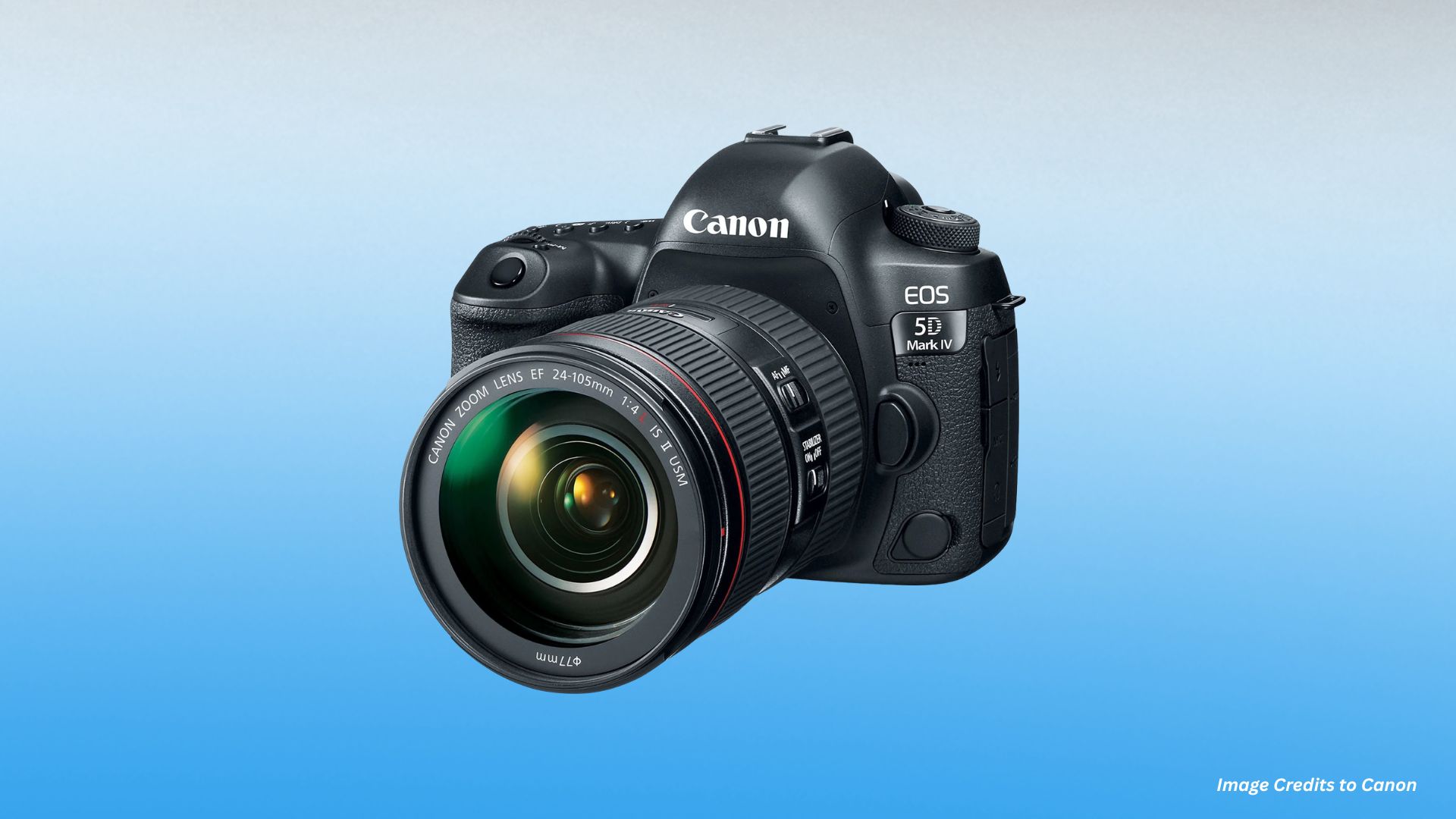
2. Canon EOS 5D Mark IV: The Video Specialist
The Canon 5D Mark IV takes everything good about earlier 5D cameras and makes it better. You get a 30.4MP sensor with a really solid 61-point autofocus system, plus 4K video recording. While the Nikon D850 might beat it on paper, the 5D Mark IV has its own strengths.
The big one is video. Canon’s Dual Pixel autofocus system makes focusing smooth and accurate when you’re recording, which is why so many hybrid shooters love this camera. The 4K recording also lets you pull 8MP still photos from your video footage, which is pretty cool.
The 5D Mark IV is also lighter than the D850 by about 200g. That might not sound like much, but it adds up during long shooting sessions. Canon’s color science is also really good, often producing files that need less editing work.
The camera handles high ISO really well too, going from 100-32,000 natively. Many photographers actually prefer how Canon handles noise compared to other brands.
What makes it special:
- 30.4MP full-frame sensor
- Dual Pixel autofocus for smooth video
- 4K video (though with a 1.64x crop)
- 61-point autofocus with 41 cross-type points
- Built-in GPS and Wi-Fi
- Touchscreen that actually works well
Used prices run about $1,200-1,500, making it a solid choice if you care about video features and Canon’s lens ecosystem.
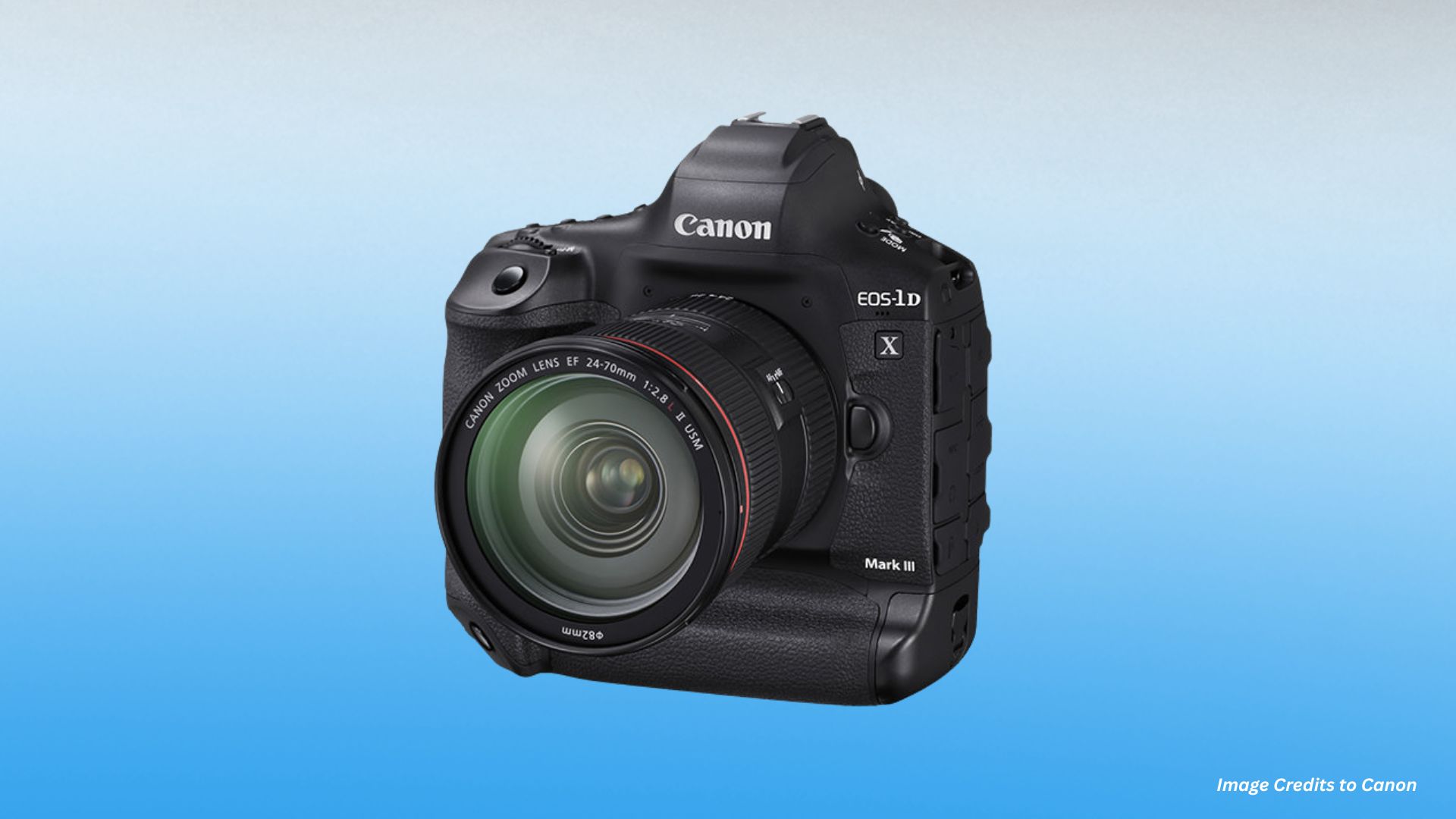
3. Canon EOS-1D X Mark III: The Speed Monster
This camera is Canon’s final statement on what a professional DSLR should be. Harnessing every last inch of performance, the 1D X Mark III is a feature-packed, super-fast and impressively precise DSLR flagship. The tech in here feels almost futuristic even though it’s still a traditional DSLR.
The autofocus uses AI to detect and track subjects with scary accuracy. It can shoot 16 fps with full autofocus tracking, and the buffer can handle over 1,000 RAW files. That means you’re basically never going to fill it up, even during high-speed action sequences.
This camera was built for sports and action photographers who can’t afford to miss the shot. Everything about it screams professional use, from the build quality to the performance specs.
What makes it special:
- 20.1MP sensor optimized for speed over resolution
- 16 fps continuous shooting with full tracking
- AI-powered subject detection and tracking
- 4K video without crop
- CFexpress card support for super fast writing
- Built to handle 500,000 shutter clicks
You’ll pay $4,000-5,000 used for one of these. It’s expensive, but if you’re a working pro who needs the best performance possible, this is it.
Modern Hybrid Options
These DSLRs bridged the gap between traditional and mirrorless technology. They offer the best of both worlds, combining DSLR reliability with modern features borrowed from mirrorless cameras.
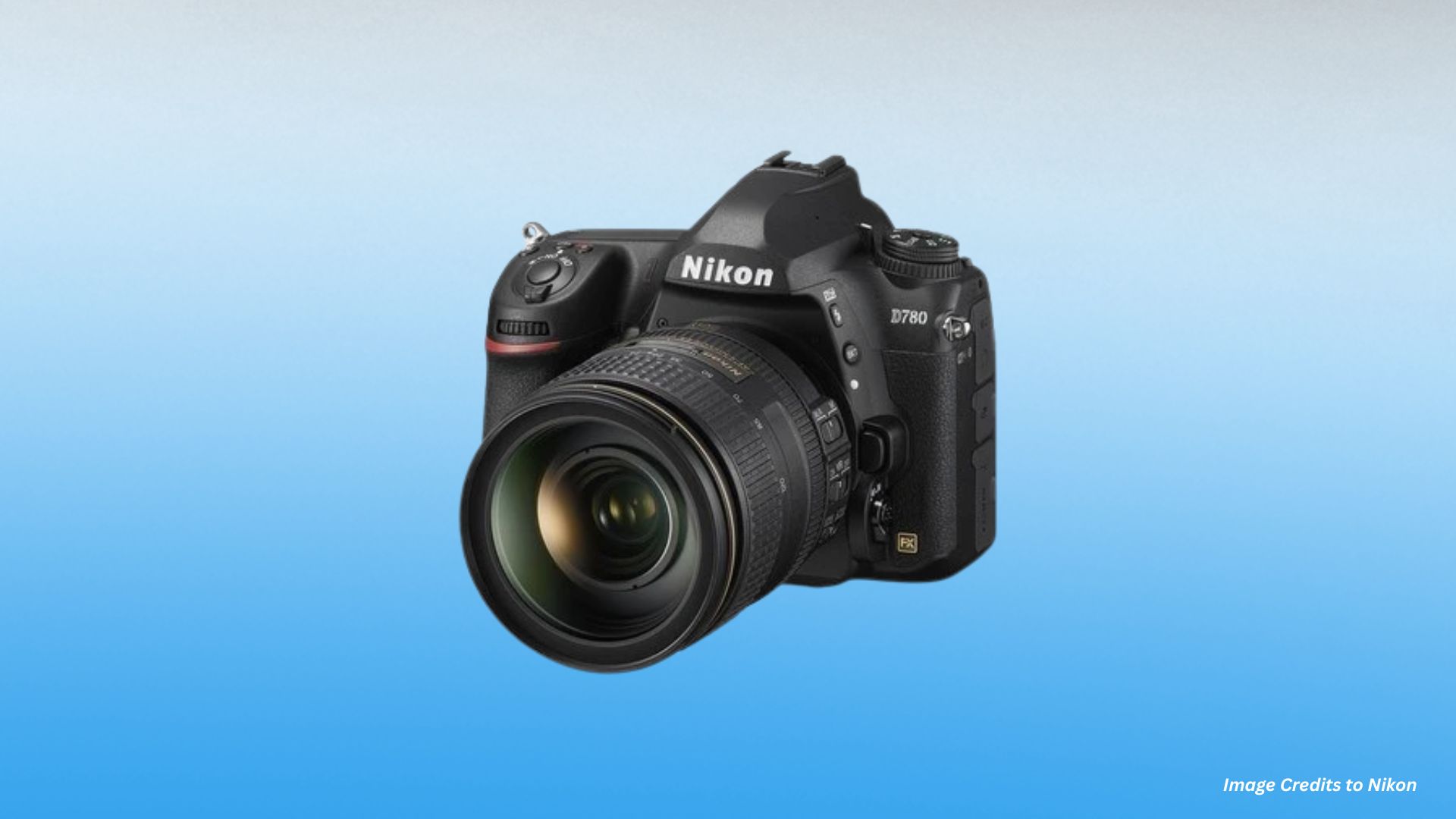
4. Nikon D780: The Best Of Both Worlds
The D780 is weird in the best possible way. It’s basically a DSLR that borrowed a bunch of tech from Nikon’s mirrorless cameras while keeping all the traditional DSLR benefits. You get the optical viewfinder and amazing battery life, but also modern features like eye detection autofocus.
When you flip to live view mode, this camera transforms into something that feels almost like a mirrorless camera. Silent shooting, face detection, the works. But flip back to the optical viewfinder and you’re back to classic DSLR operation.
The image quality is excellent, and the 4K video features are really good thanks to all that borrowed mirrorless tech. If you want something that bridges old and new photography, this is probably your best bet.
What makes it special:
- 24.5MP full-frame sensor
- Hybrid autofocus (51-point optical, 273-point live view)
- Eye detection when using live view
- 4K video recording
- Silent shooting modes
- Great low-light performance
Used prices are typically $1,800-2,200. It’s not cheap, but you’re getting a camera that really does offer the best of both worlds.
Enthusiast Champions
These cameras hit the sweet spot between professional features and reasonable prices. They’re perfect for serious hobbyists and professionals who don’t need the most expensive flagship models.
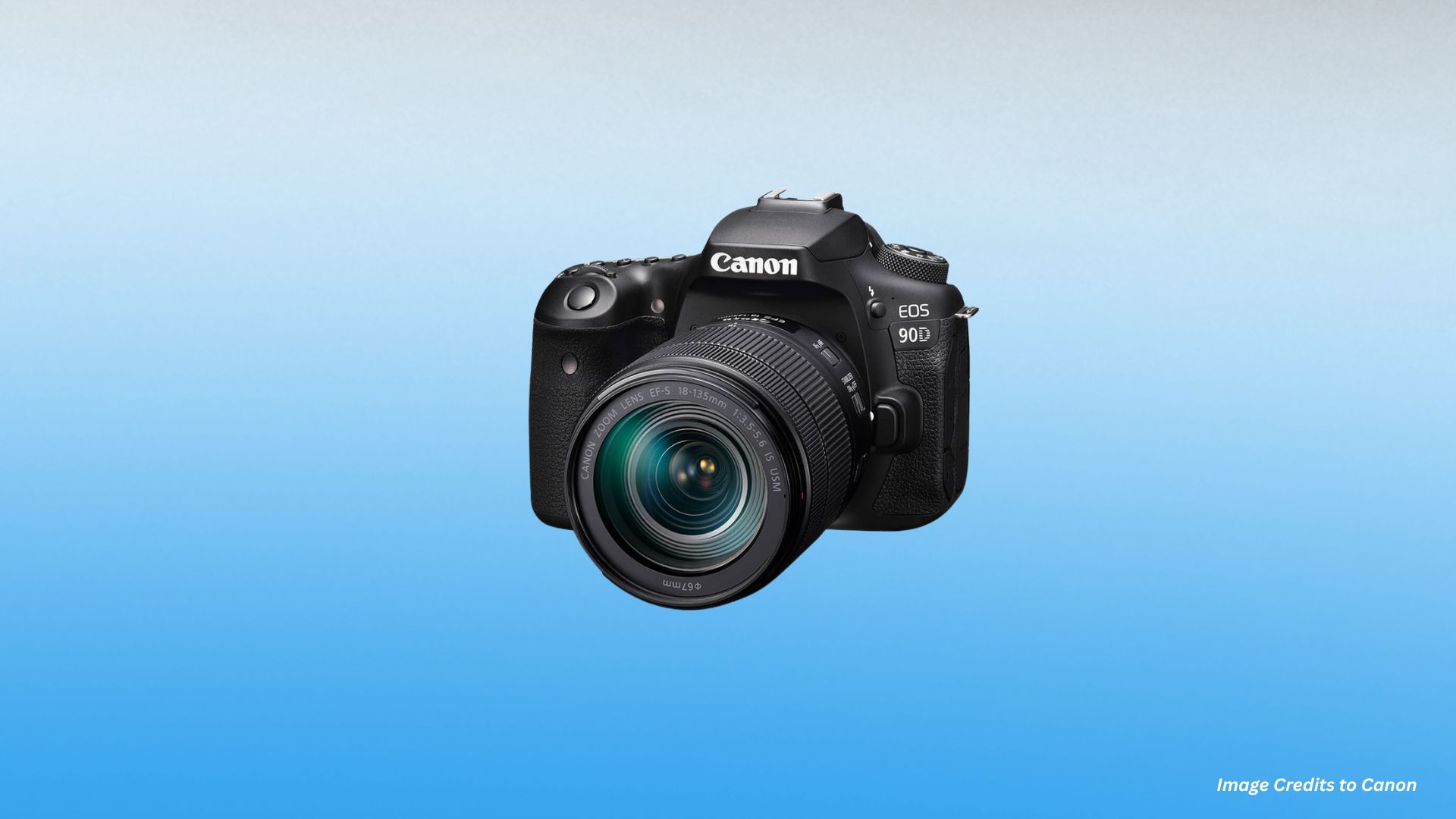
5. Canon EOS 90D: The APS-C King
Pairing a deep grip and solid battery life with rapid performance and a high-res sensor, the EOS 90D is a DSLR for the mirrorless era. This is Canon’s final and most advanced APS-C DSLR, and they really went all out with the features.
The 32.5MP APS-C sensor gives you incredible detail. Wildlife and sports photographers love the 1.6x crop factor because it effectively makes telephoto lenses longer. A 300mm lens becomes 480mm equivalent, which is awesome for getting close to distant subjects.
Continuous shooting hits 10 fps, which matches a lot of professional cameras. The Dual Pixel autofocus system works great for video too, making this camera perfect for people who shoot both stills and video.
What makes it special:
- 32.5MP APS-C sensor
- 10 fps continuous shooting
- Dual Pixel autofocus for smooth video
- 4K video (with 1.6x crop)
- Weather sealing
- Battery life over 1,300 shots
You can find used 90Ds for $800-1,000. That’s amazing value for everything you get.
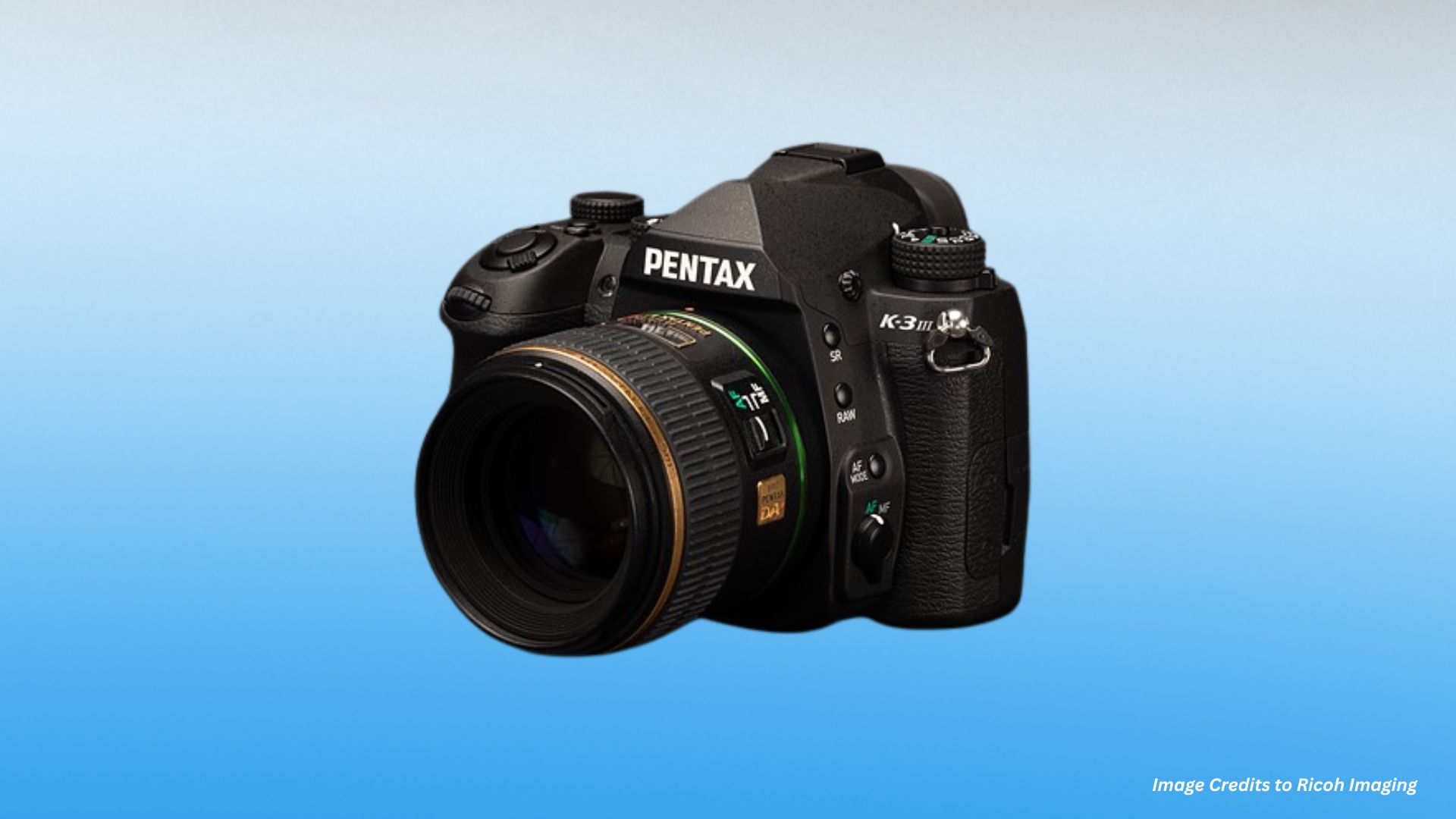
6. Pentax K-3 Mark III: The Different Choice
The PENTAX K-3 Mark III is one of the best APS-C cameras we’ve tested, with impressive low-light capabilities. Pentax might be the smaller player in cameras, but their DSLRs have some unique features that the big companies have given up on.
The coolest thing is the in-body image stabilization. Most DSLRs put stabilization in the lens, but Pentax puts it in the camera body. That means any lens you mount gets image stabilization, including old manual focus lenses.
There’s also a pixel-shift mode that creates ultra-high-resolution images by moving the sensor slightly between shots. Great for macro photography or studio work where you need maximum detail.
The downside is fewer lens choices compared to Canon and Nikon. But if you’re not locked into another system, Pentax offers something genuinely different.
What makes it special:
- 25.7MP APS-C sensor
- 5-axis in-body stabilization
- Weather sealing good down to -10°C
- Pixel-shift for ultra-high resolution
- AstroTracer for astrophotography
- Really solid build quality
Used pricing runs $1,500-1,800. It’s pricey for APS-C, but you’re getting some unique capabilities.
Budget-Friendly Options
These cameras prove you don’t need to spend thousands to get into DSLR photography. They’re perfect for beginners or anyone who wants quality without the premium price tag.
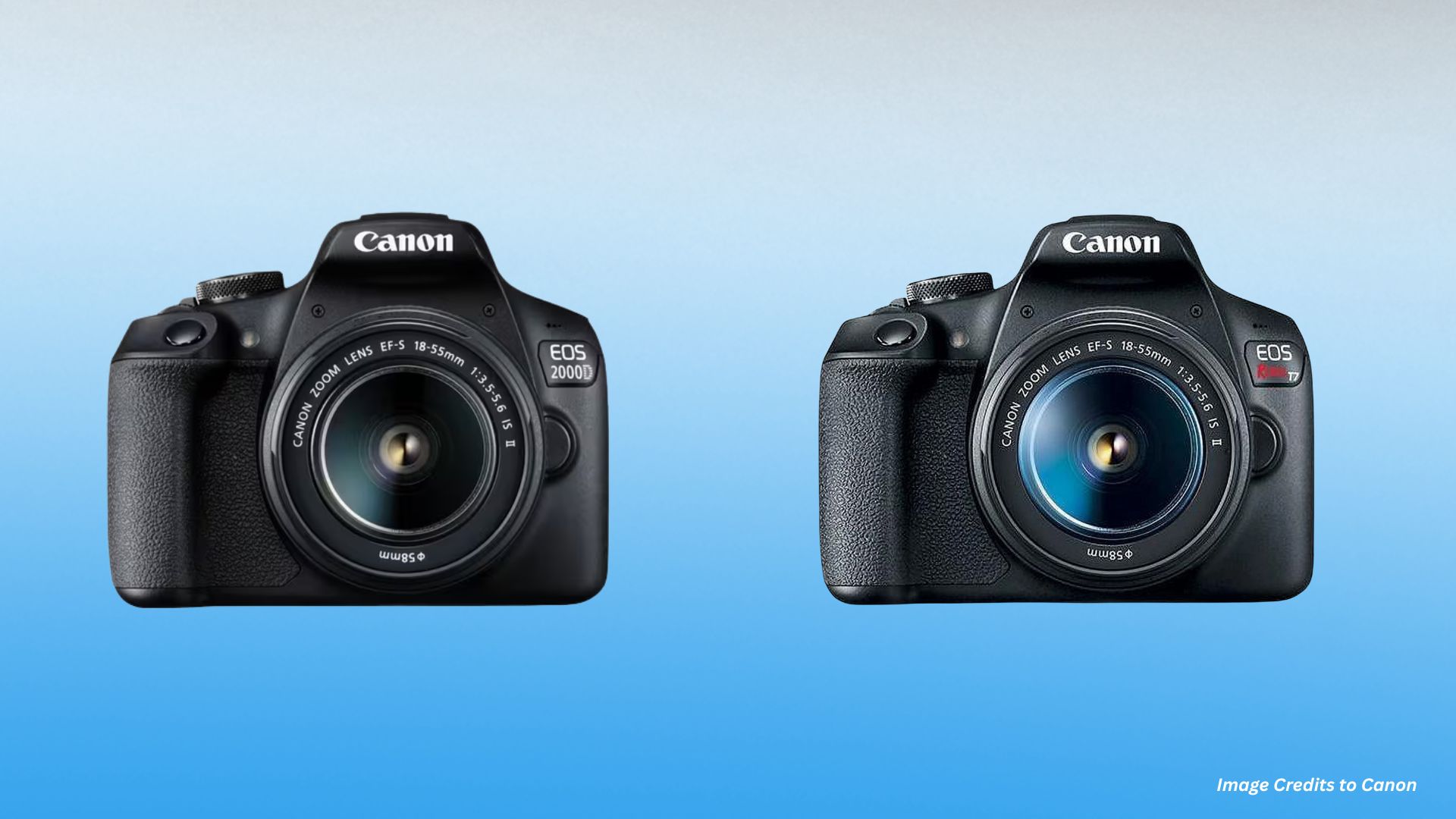
7. Canon EOS Rebel T7/2000D: Amazing Value
If you’re on an even tighter budget, the best way to save money is to buy a used model. But if you just want a cheap, simple camera, the Canon EOS Rebel T7/2000D is one of the best truly affordable DSLRs that you can still buy new.
This camera proves you don’t need to spend thousands to get good DSLR performance. The simplicity actually works in its favor for beginning photographers. The camera includes guided modes that teach photography basics while providing full manual control when you’re ready to advance. The 24.1MP APS-C sensor delivers quality that exceeds most smartphones, especially in good lighting conditions.
Canon’s extensive EF-S lens selection means upgrade paths remain affordable. Starting with the kit lens, photographers can gradually build a collection of specialized glass as their skills and interests develop.
What makes it special:
- 24.1MP APS-C sensor
- 9-point autofocus system
- Built-in flash
- Full HD video
- Guided modes for learning
- Great value for money
New ones cost around $400-500, and used examples are even cheaper. Hard to beat for an entry point into DSLR photography.
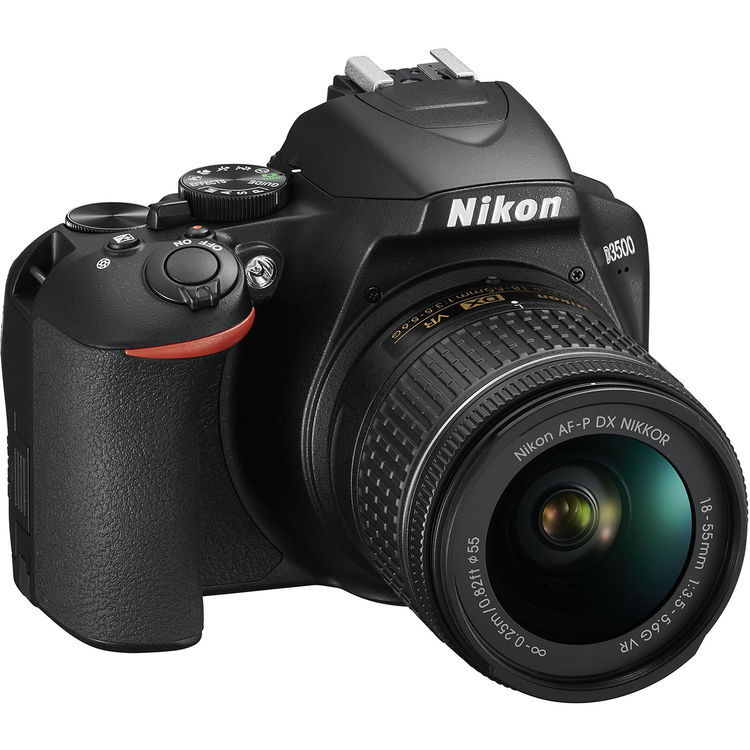
8. Nikon D3500: The Learning Machine
An excellent choice for first-time DSLR buyers. A reliable little camera that we recommend especially to beginners, though it is getting harder to find. The D3500 represents Nikon’s approach to making photography accessible without overwhelming new users.
The D3500’s Guide Mode makes the camera easy to use for beginners, while full manual control is also available so this is clearly a camera that you won’t outgrow as your photography skills develop. This educational approach helps photographers understand exposure fundamentals while providing assistance when needed.
Battery life is incredible for this price range, typically getting 1,550+ shots per charge. That’s better than most cameras costing twice as much.
What makes it special:
- 24.2MP APS-C sensor
- Guide Mode teaches you photography
- Amazing battery life
- 11-point autofocus
- Bluetooth connectivity
- Really compact and lightweight
While discontinued, used examples remain available in the $300-450 range, making it one of the best entry-level cameras available.
Specialized Excellence
These cameras were designed with specific types of photography in mind. They offer unique features that make them particularly well-suited for certain shooting situations.
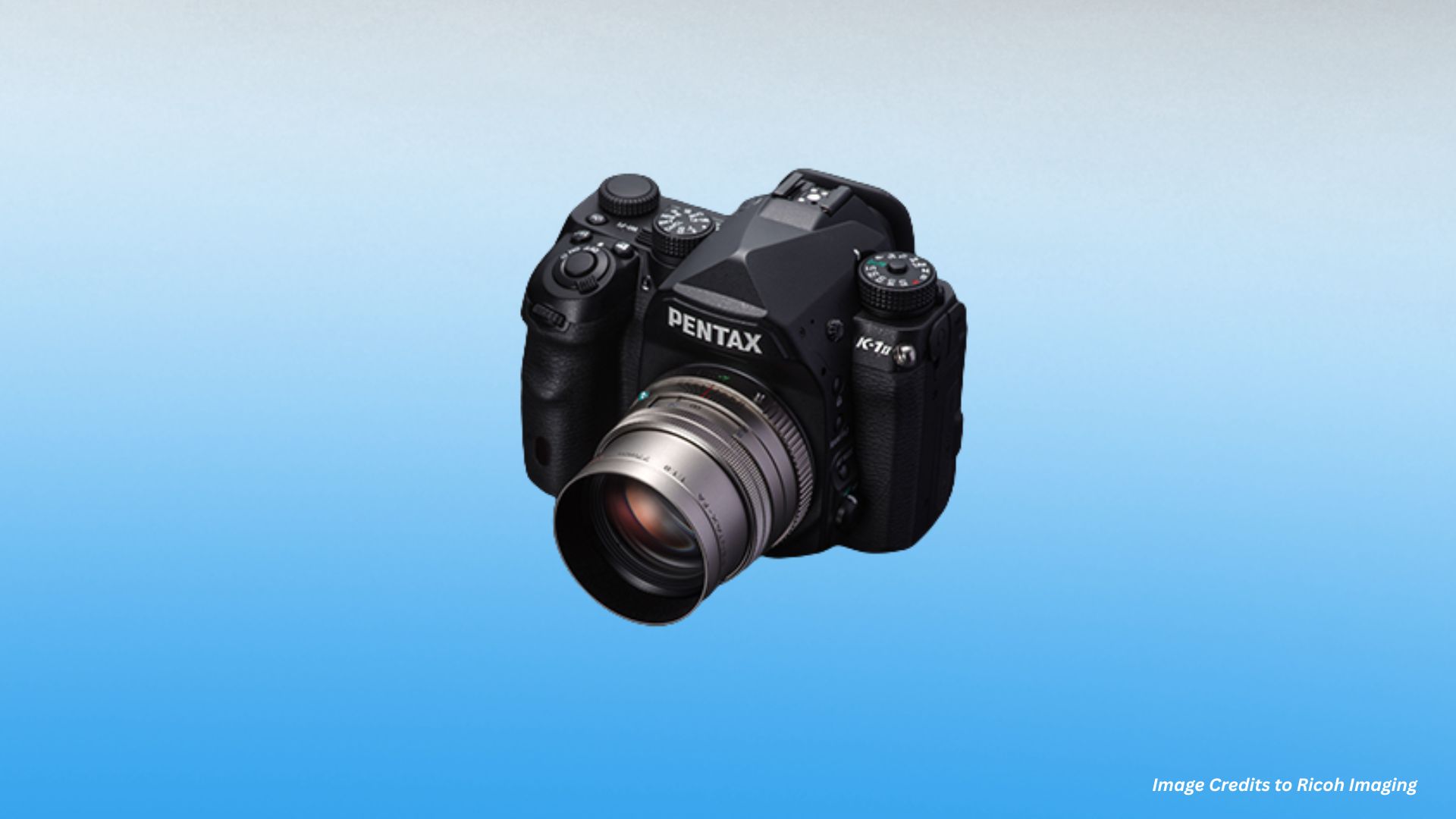
9. Pentax K-1 Mark II: The Landscape Specialist
The Pentax K-1 Mark II sticks to traditional DSLR strengths, offering a solid, weather-sealed build and clever in-body image stabilization that works with any lens. This camera targets landscape and outdoor photographers who need maximum durability and specialized features.
The coolest feature is AstroTracer, which uses GPS to track star movement. That means you can do long astrophotography exposures without needing expensive tracking equipment. Combined with great high-ISO performance and weather sealing, it’s perfect for night photography.
There’s also a pixel-shift mode that creates incredibly detailed images by combining multiple shots. This is awesome for architectural photography or product work where maximum quality matters more than speed.
What makes it special:
- 36.4MP full-frame sensor
- GPS-based star tracking for astrophotography
- 5-axis in-body stabilization
- Pixel-shift for ultra-high resolution
- Weather sealing to -10°C
- Anti-aliasing correction
Used prices run $1,200-1,500, which is excellent value for specialized landscape work.
10. Pentax KF: The Modern Classic
If you’re not ready to go mirrorless but still want a DSLR with modern features, the Pentax KF stands alone in 2025. As one of the few DSLRs still being made, the KF is something of a modern classic.
This camera has features you don’t usually see in DSLRs, like in-body stabilization and an astrophotography mode. The weather sealing is also really good for this price point. It’s like getting modern features wrapped in a traditional DSLR package.
The hybrid autofocus system works better than older DSLRs while keeping the optical viewfinder benefits. The image stabilization works with any lens you mount, including vintage manual focus lenses.

What makes it special:
- 24.2MP APS-C sensor
- 5-axis in-body stabilization
- Excellent weather sealing
- Hybrid autofocus system
- Built-in astrophotography mode
- Still in production
Current pricing around $700-800 makes it accessible for photographers wanting something different.
The Future Of DSLRs
Mirrorless cameras are now mature products with new models coming out every year, but that does not mean the DSLR is dead! The DSLR is still an amazing tool when it comes to capabilities and they even have superior battery life compared to mirrorless cameras. The best DSLR camera options available in 2025 represent decades of optical engineering perfection.
While companies have mostly stopped making new DSLRs, the existing cameras will stay useful for years to come. Professional photographers who built their careers with these tools know what they can do. Many keep using DSLRs because they prefer the feel, the viewfinder, and the proven reliability.
The used market keeps these cameras accessible to new photographers. As more people switch to mirrorless, DSLR prices will probably level out at points that make them attractive alternatives for budget buyers or photographers who want specific advantages.
Learning camera basics matters more than having the newest technology. The best DSLR camera is ultimately whichever one helps you capture your vision effectively, whether that’s a $400 beginner model or a $5,000 professional flagship.
DSLRs in 2025 represent proven technology at reasonable prices. For photographers who value optical viewfinders, incredible battery life, and huge lens selections, these cameras keep delivering results that justify their place in modern photography. The best DSLR camera for you might be waiting in the used market right now, ready to serve you well for years to come.
According to recent industry analysis from DPReview, DSLR cameras continue to hold advantages in battery life and optical viewfinders that many photographers still prefer. Additionally, PetaPixel reports that the used DSLR market offers exceptional value for photographers seeking professional-grade equipment at accessible prices.
Your Next DSLR Camera Decision Made Easy
Picking the best DSLR camera for your needs comes down to matching features with how you actually shoot and what you can afford. Professional photographers working in tough conditions might want the D850’s resolution and reliability or the 5D Mark IV’s video features.
Enthusiast photographers often find the sweet spot with cameras like the Canon 90D or Nikon D780. These give you professional features without the professional price tag, plus room to grow as your skills improve.
Budget-conscious photographers can get professional results with options like the Canon T7 or Nikon D3500. They might not have all the fancy features, but they’re solid foundations for learning photography fundamentals.
The used market is where you’ll find the best DSLR camera deals in 2025. Professional cameras that cost $3,000+ when new often sell for half that or less now. That creates opportunities to access high-end features without high-end prices.
Think about the lens ecosystem when choosing your system. Canon and Nikon have the biggest selections, but Pentax offers unique features that might make up for fewer lens choices depending on what you shoot.
See more from DIYPhotography.net on Google
Add DIYPhotography.net as a trusted source. This makes
our stories more likely to appear in your Google Search results.
 Add as a preferred source on Google

Darlene Lleno
Darlene Lleno brings a unique perspective to DIY Photography as someone who grew up surrounded by camera gear but chose words over lenses. With five years of writing experience, she specializes in photography content that’s both technically informed and genuinely passionate. Growing up with a photographer twin brother meant camera talk was everyday conversation in her household. While he mastered capturing moments, Darlene discovered she preferred being the subject and the storyteller behind the scenes. As a travel enthusiast and mother of two, she understands the importance of preserving life’s precious moments. When not exploring new destinations or writing for DIY Photography, you’ll find her reading or tending to her garden. Her approach to photography writing is refreshingly authentic, she may not be behind the camera, but she knows exactly what it takes to help others capture the shots that matter most.



Join the Discussion
DIYP Comment Policy
Be nice, be on-topic, no personal information or flames.