




















What Makes Corporate Photography Different From Regular Portraits?
Aug 20, 2025
Darlene Lleno
Darlene Lleno brings a unique perspective to DIY Photography as someone who grew up surrounded by camera gear but chose words over lenses. With five years of writing experience, she specializes in photography content that’s both technically informed and genuinely passionate. Growing up with a photographer twin brother meant camera talk was everyday conversation in her household. While he mastered capturing moments, Darlene discovered she preferred being the subject and the storyteller behind the scenes. As a travel enthusiast and mother of two, she understands the importance of preserving life’s precious moments. When not exploring new destinations or writing for DIY Photography, you’ll find her reading or tending to her garden. Her approach to photography writing is refreshingly authentic, she may not be behind the camera, but she knows exactly what it takes to help others capture the shots that matter most.
Share:

Corporate photography serves a completely different purpose than regular portrait photography. While both involve capturing people, the goals, techniques, and final outcomes vary significantly. Understanding these differences helps you choose the right approach for your professional image needs.
Purpose and Intent: Business vs Personal
The biggest difference between corporate photography and regular portraits lies in their intended purpose. Corporate photography focuses on creating professional images that represent businesses, brands, and individual professionals in a commercial context. These images need to convey competence, trustworthiness, and brand alignment while working within established visual frameworks.
Regular portraits capture personal moments and memories. Whether it’s family photos, engagement shoots, or artistic portraits, these images prioritize emotional connection and personal expression over professional presentation. The photographer has freedom to explore creativity without worrying about brand guidelines or industry standards.
Technical Approach and Consistency
Corporate photography demands technical consistency across multiple subjects. When companies need headshots for their entire team, every image must look cohesive when displayed together on websites or marketing materials. This requires standardized approaches that regular portrait photography doesn’t need to follow.
Key technical requirements for corporate photography include:
- Standardized lighting setups that work for multiple subjects
- Consistent camera settings and focus points
- Efficient workflows for photographing many people quickly
- Backup equipment to prevent session delays
- Professional-grade editing that maintains brand consistency
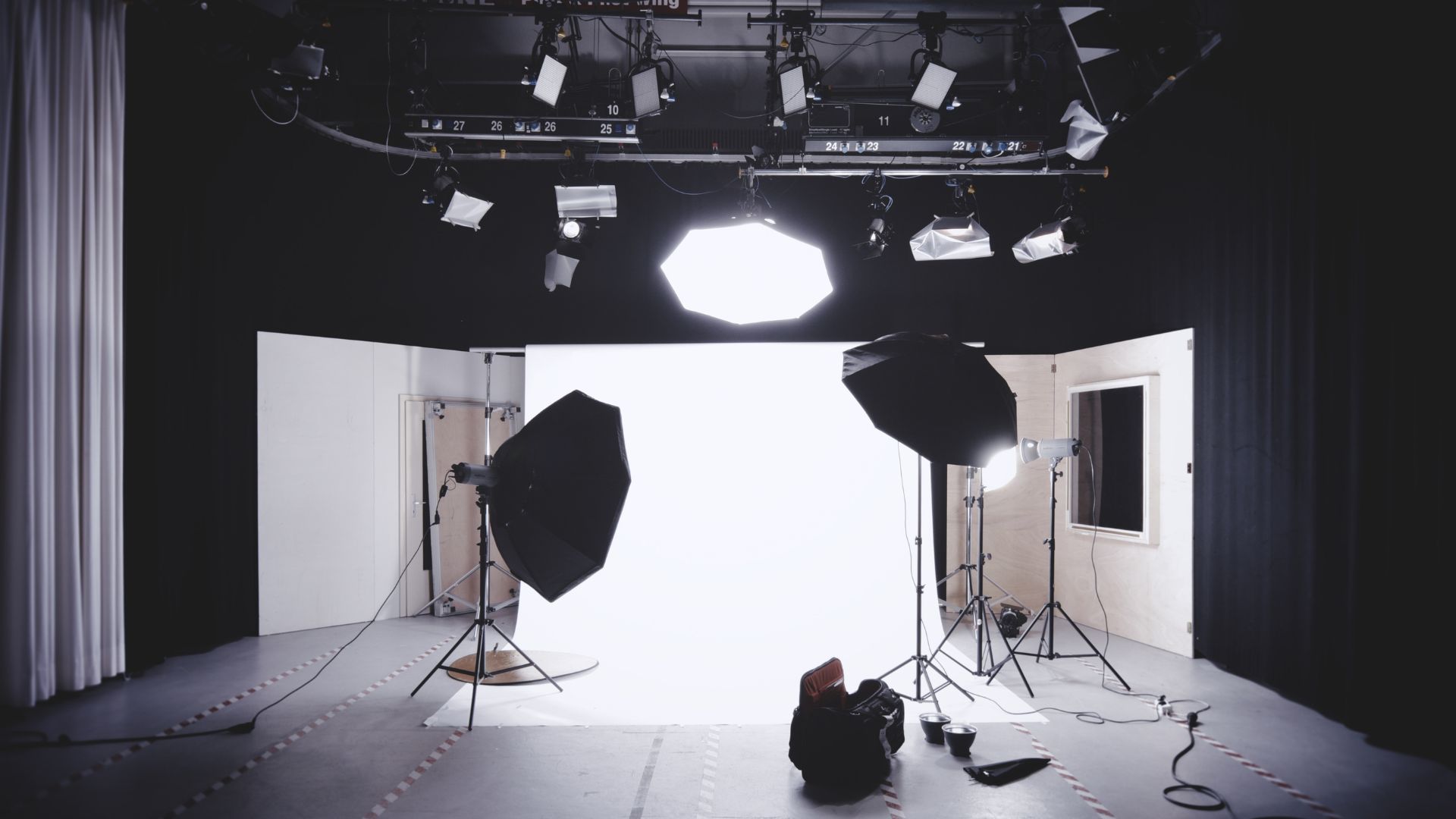
Regular portrait sessions allow photographers to experiment with different lighting moods, unconventional angles, and artistic compositions. Each session can have its own unique style and creative exposure approach without worrying about matching other images.
Styling and Professional Requirements
Corporate photography requires careful attention to professional dress codes and brand representation. Subjects typically wear business attire that aligns with their industry standards.
A tech startup might embrace more casual styling, while a law firm requires traditional business attire. Colors, patterns, and accessories must project the right professional image while avoiding anything that might date the photos quickly.
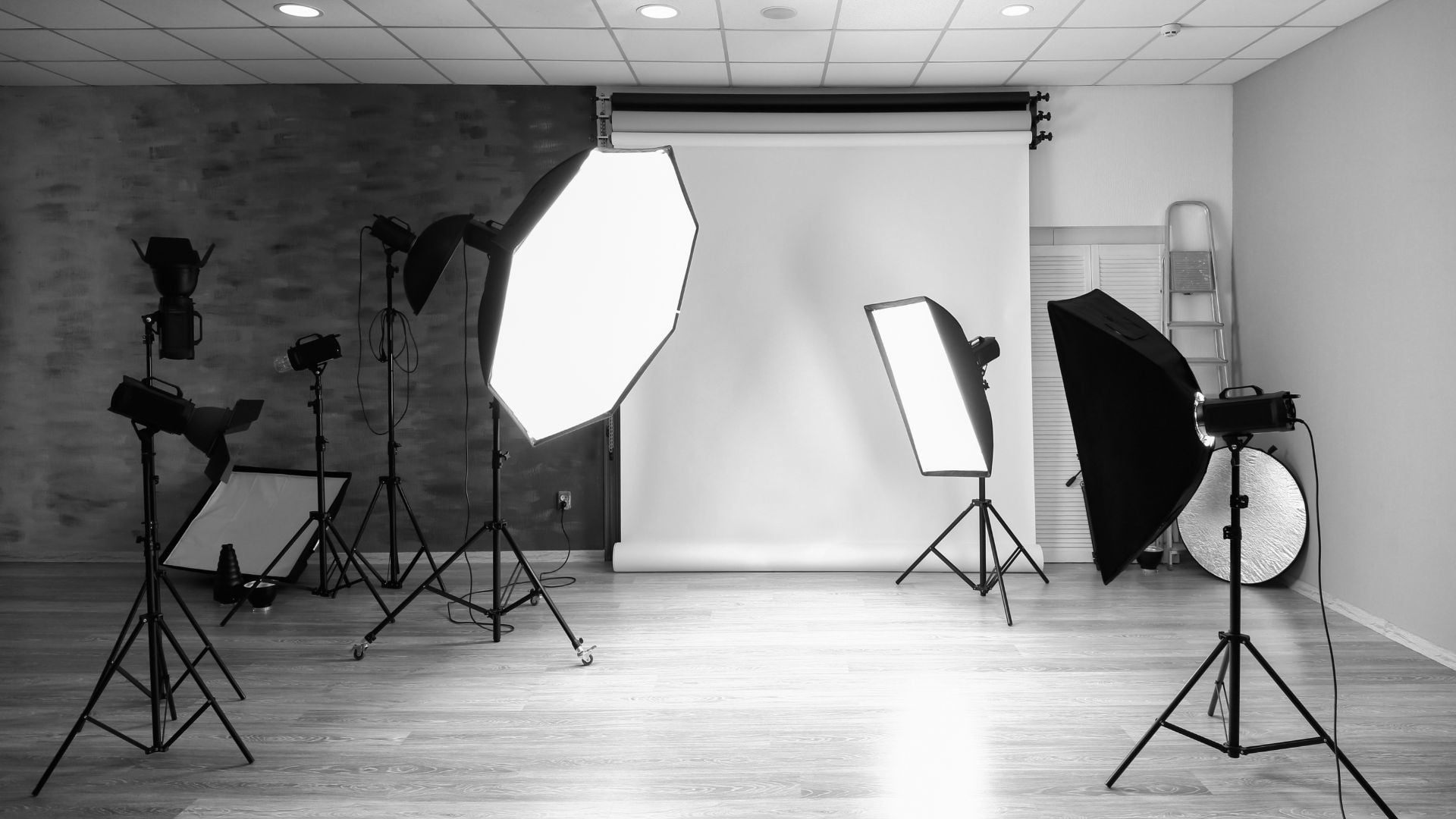
The backgrounds also differ significantly. Corporate photography backgrounds tend to be clean, neutral, and non-distracting to ensure the focus stays on the subject.
Regular portraits can incorporate meaningful locations, creative backgrounds, and personal elements that tell the subject’s story. Photographers working with natural light often find personal sessions more rewarding because mood and atmosphere matter more than corporate polish.
Expression and Communication
Corporate photography requires controlled, professional expressions that convey confidence and approachability. Subjects need to look competent and trustworthy while remaining personable.
The expressions should be genuine but measured, avoiding anything too casual or overly emotional. Building rapport with subjects becomes especially important since many people feel stiff or uncomfortable during business photo sessions.
Regular portraits capture a much wider range of emotions and expressions. Subjects can laugh naturally, show affection, or display more relaxed body language that wouldn’t be appropriate in corporate settings. The photographer can spend more time building connections and capturing authentic moments.
Commercial Usage and Rights
Corporate photography often involves extensive usage rights and licensing considerations. Companies need images for websites, social media, marketing materials, press releases, and internal communications.
According to the Professional Photographers of America, understanding usage rights is essential for pricing photography services correctly because commercial applications require different licensing structures.
Regular portraits usually involve limited personal use rights. Families might share images on social media or create prints for their homes, but commercial usage isn’t typically a concern. This difference significantly affects pricing since corporate work includes licensing fees that reflect the commercial value and broader usage rights.
Brand Consistency and Timeline Pressures
Corporate photography must align with established brand guidelines and visual identity standards. According to the American Marketing Association, consistent brand presentation across all platforms increases revenue by up to 23%. This means photographers need to understand color palettes, styling requirements, and how images will integrate with existing marketing materials.
Essential elements for maintaining brand consistency include:
- Color palette alignment with brand guidelines
- Consistent styling across all team member photos
- Uniform background treatments and lighting approaches
- Adherence to company dress codes and image standards
- Integration with existing marketing and website design elements
Corporate projects often work within tight business timelines. Companies might need images quickly for website launches, press announcements, or marketing campaigns. The editing style tends to be clean and conservative since images need to look professional and timeless.
Regular portrait sessions allow for more flexible timelines and creative editing approaches. Personal sessions can embrace artistic processing that wouldn’t work in corporate contexts.
Equipment and Business Considerations
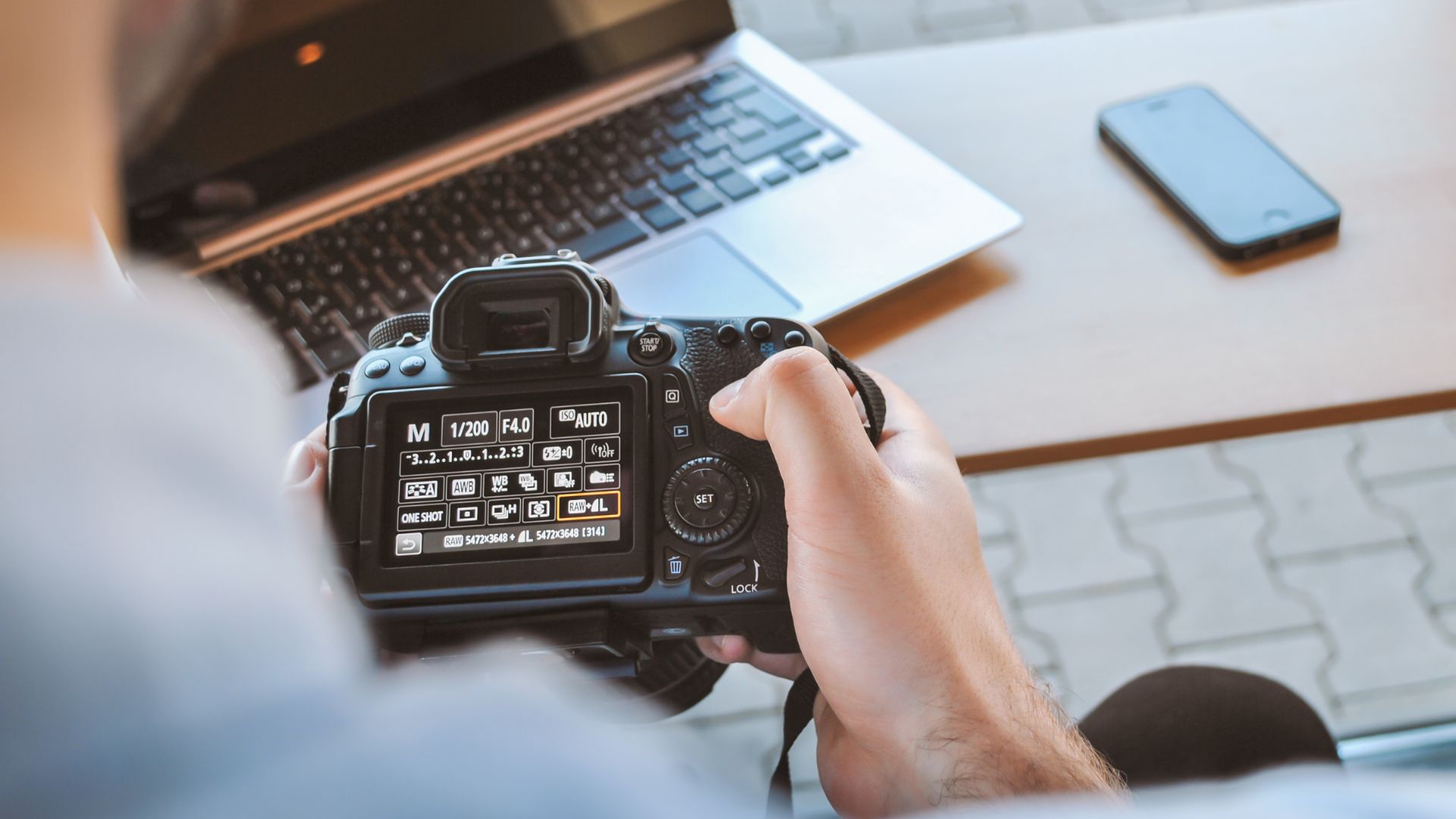
Corporate photography often requires portable studio setups that can be moved between office locations. The technical demands include backup equipment, efficient workflows, and the ability to handle varying group sizes within business environments. Proper camera settings become critical since corporate images often get used across different media platforms.
Building corporate photography businesses requires networking and referrals rather than relying solely on social media marketing. Professional relationships matter more than online followers because corporate clients value reliability and proven track records over creative portfolios.
Choosing the Perfect Photography Style for Your Goals
Corporate photography typically commands higher rates due to commercial usage rights and business value. Pricing structures must reflect licensing considerations and the commercial nature of the work, while regular portrait pricing focuses more on the session experience and personal value.
Both corporate photography and regular portraits require skilled photographers, but the specific demands differ significantly. Corporate work emphasizes professionalism, brand alignment, and commercial viability, while regular portraits focus on personal expression and emotional connection.
The choice between corporate photography and regular portraits ultimately depends on your goals and how the images will be used professionally or personally.
See more from DIYPhotography.net on Google
Add DIYPhotography.net as a trusted source. This makes
our stories more likely to appear in your Google Search results.
 Add as a preferred source on Google

Darlene Lleno
Darlene Lleno brings a unique perspective to DIY Photography as someone who grew up surrounded by camera gear but chose words over lenses. With five years of writing experience, she specializes in photography content that’s both technically informed and genuinely passionate. Growing up with a photographer twin brother meant camera talk was everyday conversation in her household. While he mastered capturing moments, Darlene discovered she preferred being the subject and the storyteller behind the scenes. As a travel enthusiast and mother of two, she understands the importance of preserving life’s precious moments. When not exploring new destinations or writing for DIY Photography, you’ll find her reading or tending to her garden. Her approach to photography writing is refreshingly authentic, she may not be behind the camera, but she knows exactly what it takes to help others capture the shots that matter most.
Related Posts
 A comprehensive guide to corporate headshot photography
 How to use a gym bag full of old mobile backdrops to turn any office into a proper studio for corporate headshots
 Combine regular, fast, and slow motion footage for mind bending video effects
 How to see heat and shockwaves using a regular camera and Photoshop
Join the Discussion
DIYP Comment Policy
Be nice, be on-topic, no personal information or flames.