


















First set of Images from the World’s Largest Digital Camera are here
Jun 23, 2025
Soumyadeep Mukherjee
Soumyadeep Mukherjee is an award-winning astrophotographer from India. He has a doctorate degree in Linguistics. His work extends to the sub-genres of nightscape, deep sky, solar, lunar and optical phenomenon photography. He is also a photography educator and has conducted numerous workshops. His works have appeared in over 40 books & magazines including Astronomy, BBC Sky at Night, Sky & Telescope among others, and in various websites including National Geographic, NASA, Forbes. He was the first Indian to win “Astronomy Photographer of the Year” award in a major category.
Share:
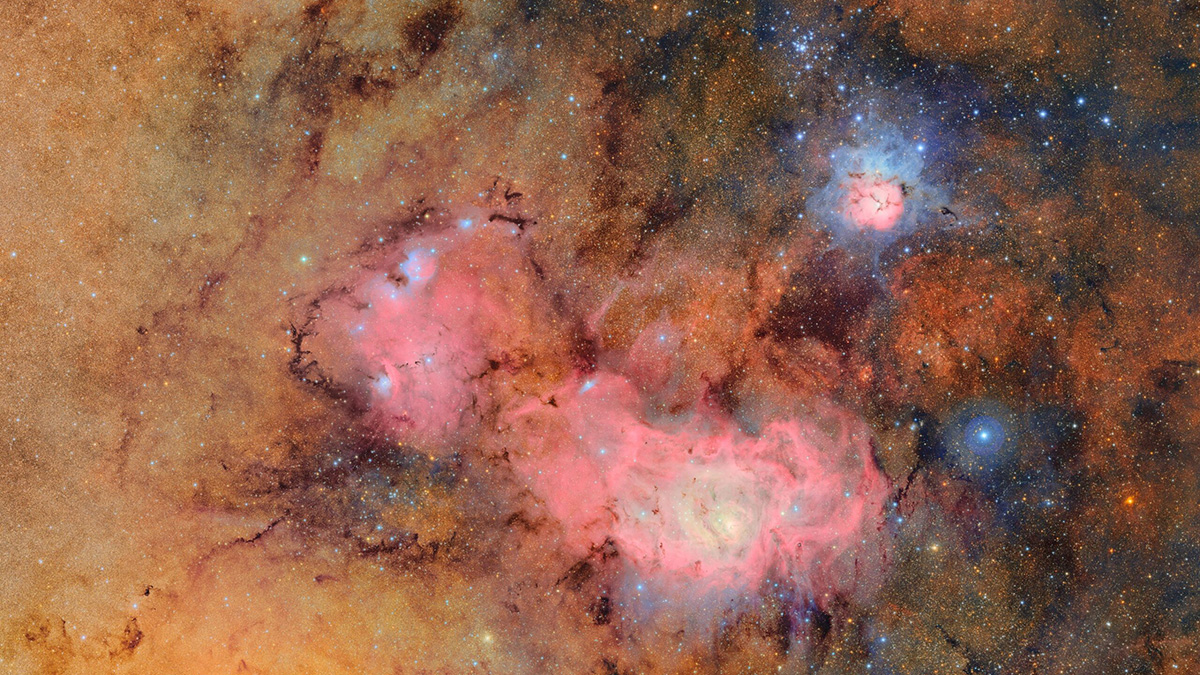
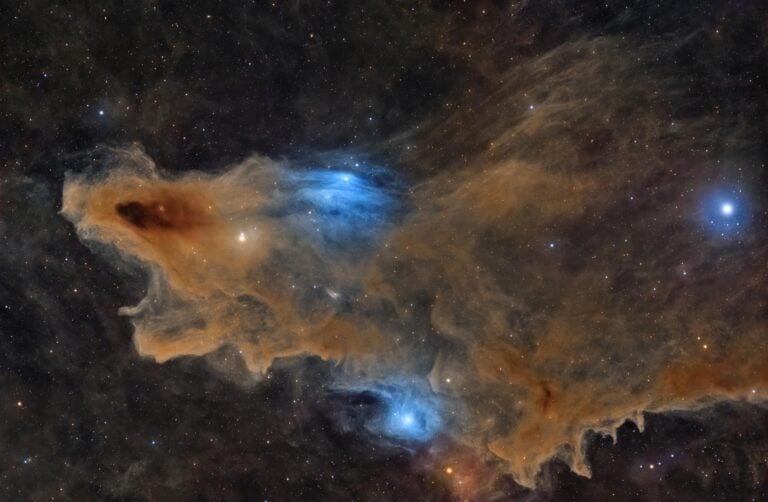
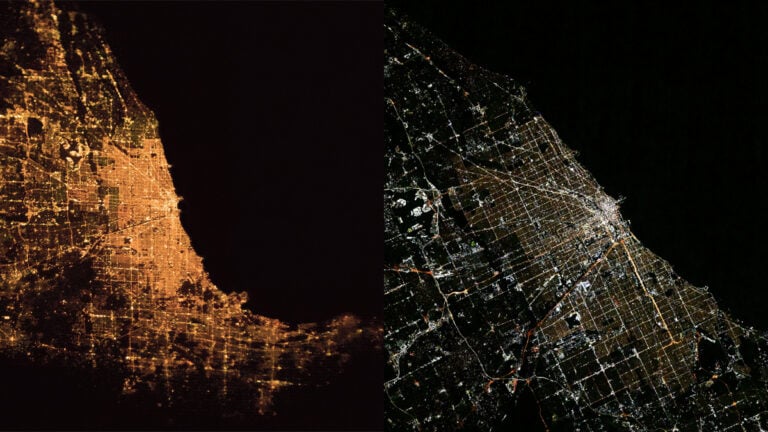
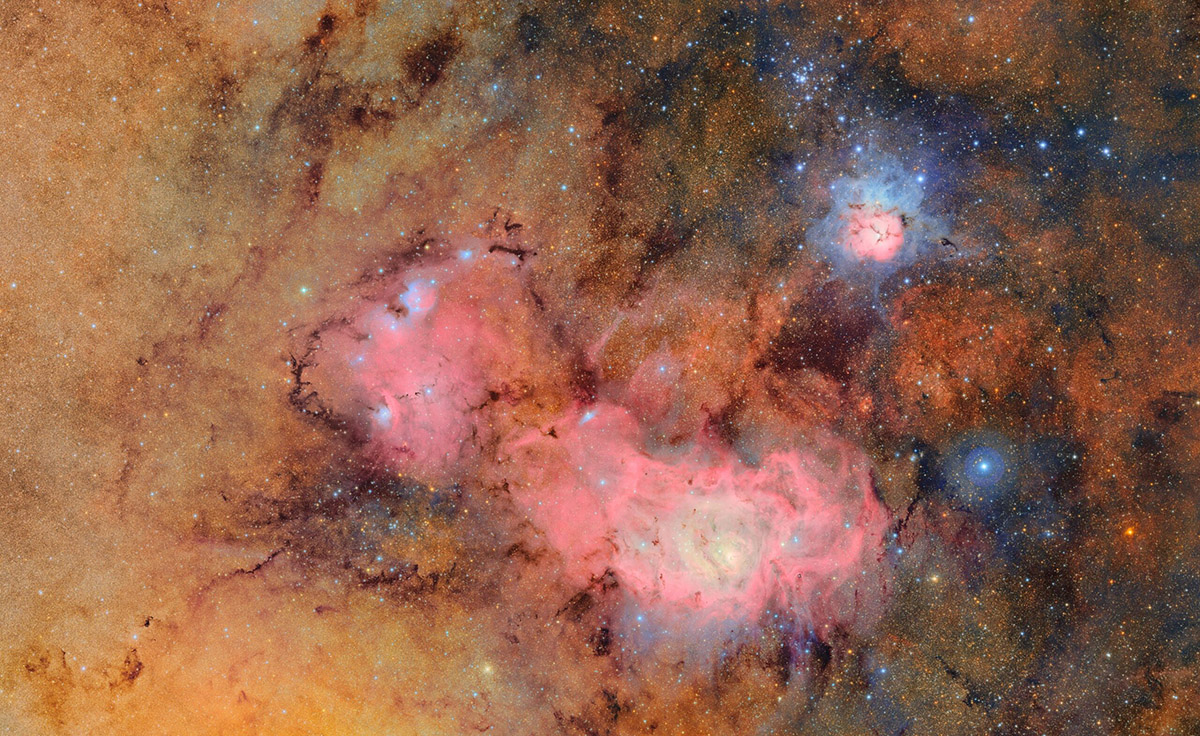
On June 23, 2025, the Vera C. Rubin Observatory unveiled its first-ever images. This is not just another telescope snapshot. This is the start of a new era in sky surveying. These images came from the largest digital camera ever built for astronomy. Scientists, students, and the public watched in awe as the observatory shared its very first look at the universe. This observatory sits on Cerro Pachón in northern Chile. It will soon begin the Legacy Survey of Space and Time (LSST). The LSST is one of the most ambitious astronomical projects ever designed. Its goal is to map the entire visible sky from the Southern Hemisphere every few nights for ten years.
Images showcased here are only a small set of the first-light series of images. More images will be released later today.
The power behind the pictures
At the heart of the Rubin Observatory is a huge telescope. It uses a unique three-mirror design. The primary mirror is 8.4 meters wide. The telescope’s field of view is enormous, about the size of 40 full moons. This lets it capture huge swaths of the sky in one go.
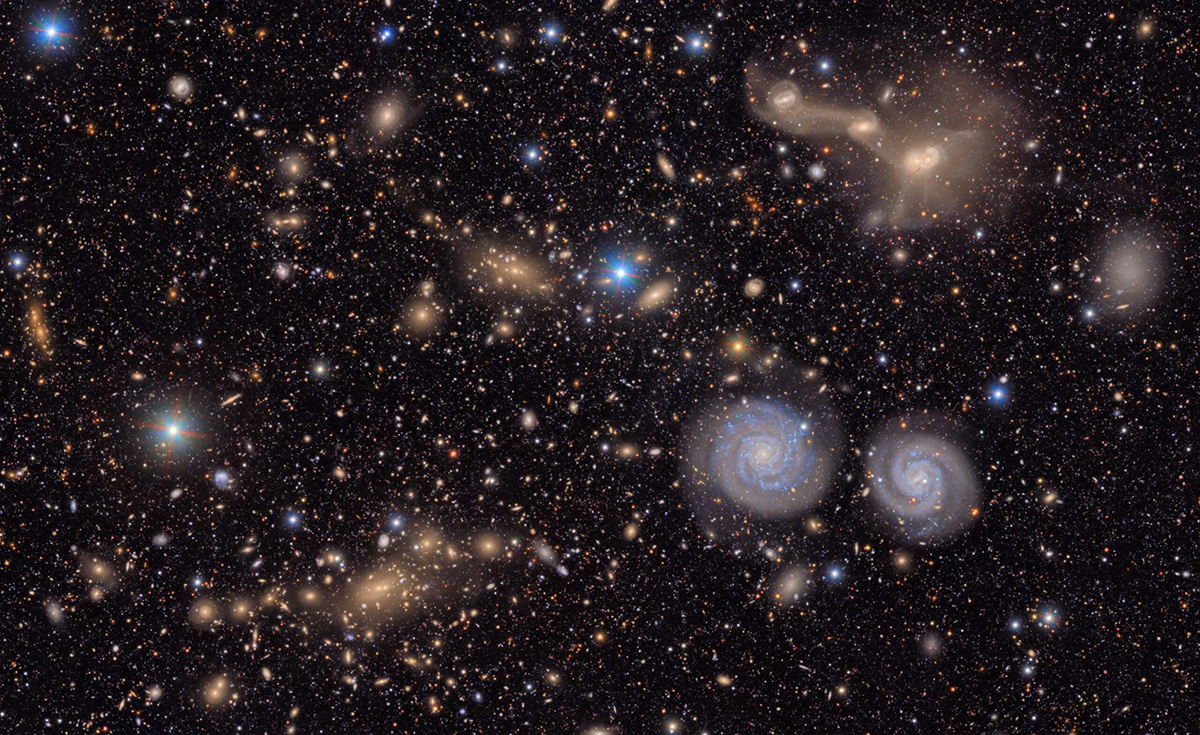
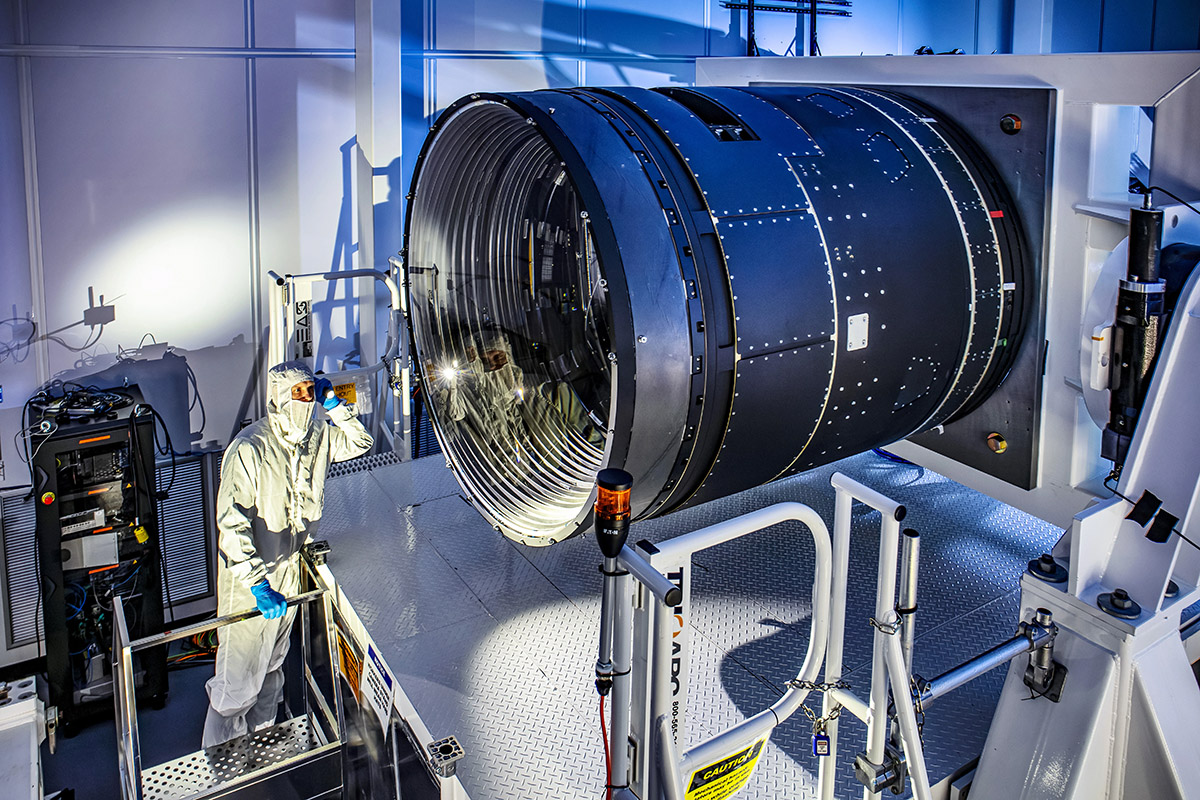
But the true marvel is the camera. It is officially called the LSST Camera. This device is the world’s largest digital camera ever built for optical astronomy. It weighs 3,000 kilograms. It measures about 63cm long. Its resolution is a staggering 3.2 gigapixels. The camera uses 189 sensors, each with its own electronics. Together, they capture a 3.2-gigapixel image every 15 seconds. These images will reveal faint galaxies, moving asteroids, exploding stars, and much more.
What the Rubin Observatory will do
The LSST isn’t just about beautiful images. It’s about science at scale. Over ten years, the Rubin Observatory will collect over 60 petabytes of data. That’s equivalent to over 100 million smartphone photos every night. The telescope will scan the full southern sky every three to four nights. Each pass adds to a dynamic movie of the night sky. Scientists will track how the sky changes over time.
Some goals of the LSST include:
- Mapping the Milky Way: It will study the structure and motion of billions of stars.
- Exploring the Solar System: The telescope will discover thousands of new asteroids and comets.
- Studying transient events: It will catch supernovas, variable stars, and gamma-ray bursts in real time.
- Probing dark matter and dark energy: The LSST will help map the universe’s large-scale structure. It will track how it changes, helping to understand dark energy’s role.
Global collaboration
The Rubin Observatory is a joint project. The U.S. National Science Foundation (NSF) and the U.S. Department of Energy (DOE) fund it. SLAC National Accelerator Laboratory built the camera. The telescope and site operations are managed by the Association of Universities for Research in Astronomy (AURA). This is truly a global effort. Scientists from over 30 countries will use the data. Universities and research labs from all over the world contributed to building and testing the systems.
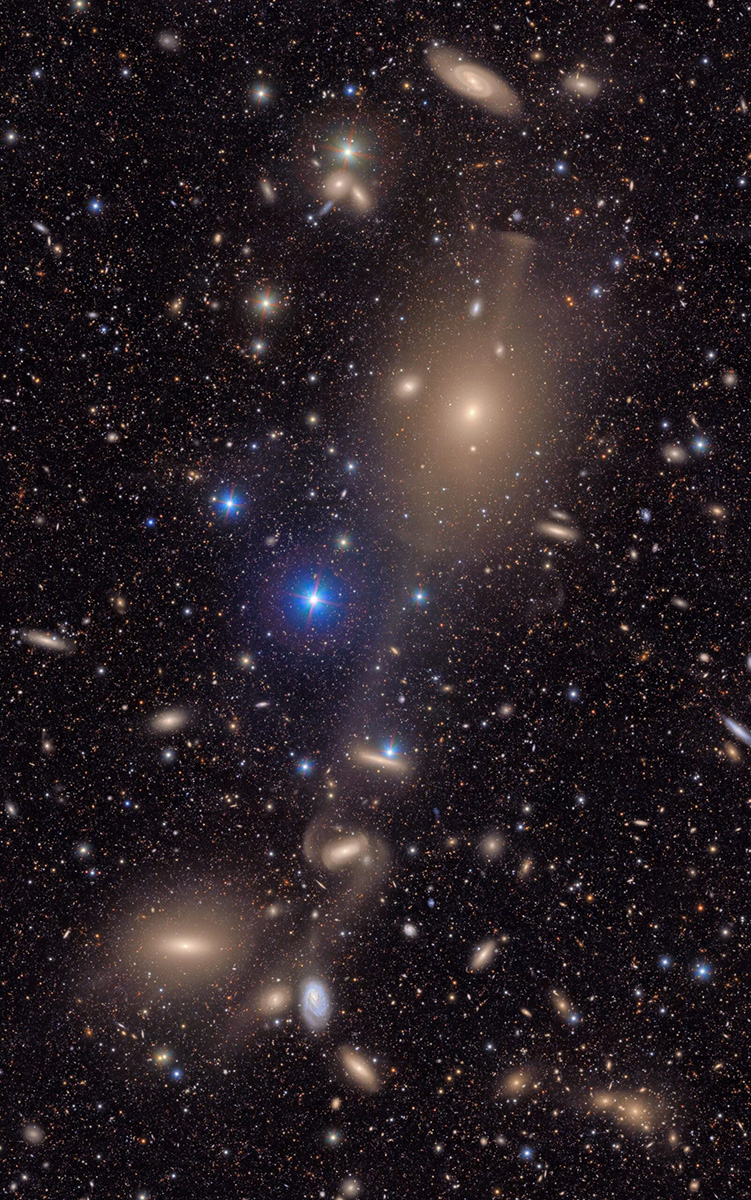
The first images from the Rubin Observatory mark the start of something big. They prove that all systems are working smoothly. It is a machine for discovery. It will chart billions of stars, galaxies, and planets and will capture cosmic events as they happen. And hopefully, it will help answer some of the deepest questions in astronomy.
You can tune in to the release of the complete set of first-light images here on YouTube:
Clear skies!
See more from DIYPhotography.net on Google
Add DIYPhotography.net as a trusted source. This makes
our stories more likely to appear in your Google Search results.
 Add as a preferred source on Google

Soumyadeep Mukherjee
Soumyadeep Mukherjee is an award-winning astrophotographer from India. He has a doctorate degree in Linguistics. His work extends to the sub-genres of nightscape, deep sky, solar, lunar and optical phenomenon photography. He is also a photography educator and has conducted numerous workshops. His works have appeared in over 40 books & magazines including Astronomy, BBC Sky at Night, Sky & Telescope among others, and in various websites including National Geographic, NASA, Forbes. He was the first Indian to win “Astronomy Photographer of the Year” award in a major category.
Related Posts
 The world’s largest digital camera is definitely not designed for shooting selfies
 The largest digital camera ever built is being installed and its resolution is 3.2 BILLION pixels
 Google’s Project Genie Lets You Explore AI Worlds Using Your Images. But Proceed With Caution.
 These Drone Images Capture World’s Largest Optical Telescope
Join the Discussion
DIYP Comment Policy
Be nice, be on-topic, no personal information or flames.