























JWST Photographs Tiny Galaxies That Shaped the Early Universe
Jun 19, 2025
Soumyadeep Mukherjee
Soumyadeep Mukherjee is an award-winning astrophotographer from India. He has a doctorate degree in Linguistics. His work extends to the sub-genres of nightscape, deep sky, solar, lunar and optical phenomenon photography. He is also a photography educator and has conducted numerous workshops. His works have appeared in over 40 books & magazines including Astronomy, BBC Sky at Night, Sky & Telescope among others, and in various websites including National Geographic, NASA, Forbes. He was the first Indian to win “Astronomy Photographer of the Year” award in a major category.
Share:
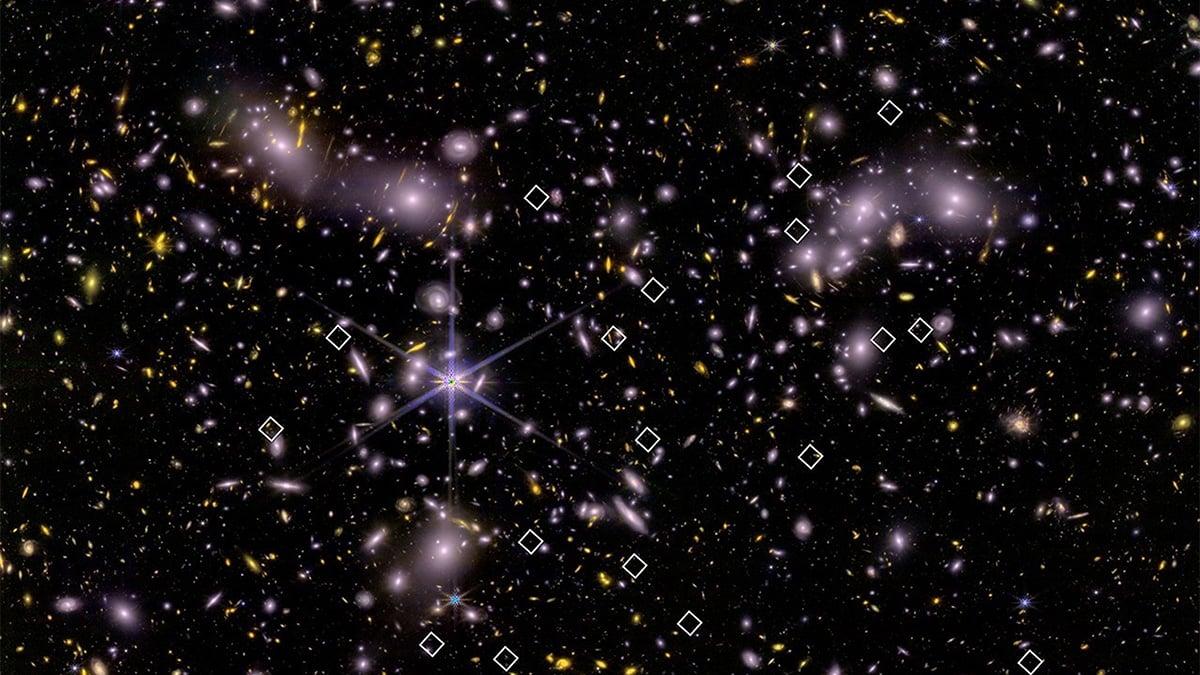
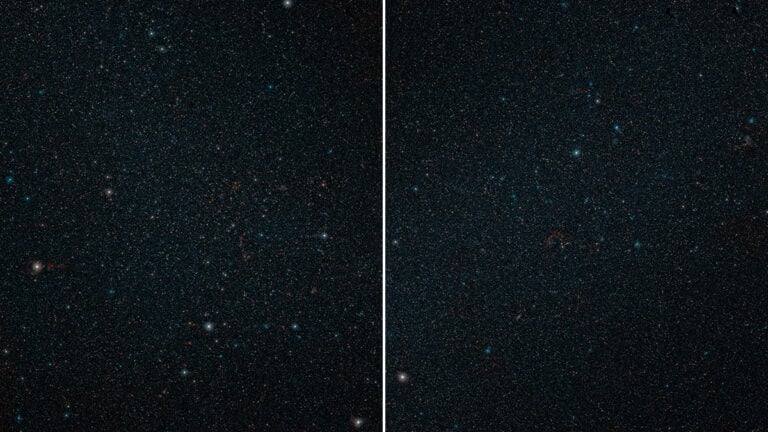
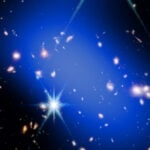
NASA’s James Webb Space Telescope has made a thrilling discovery. It has found a group of small but powerful galaxies that likely helped reionize the early universe. These galaxies existed just 800 million years after the Big Bang. They may have played a major role in making the universe transparent. This breakthrough comes from the UNCOVER program. UNCOVER stands for Ultra Deep NIRSpec and NIRCam Observations before the Epoch of Reionization. It is one of JWST’s first deep-field surveys. It focuses on a galaxy cluster named Abell 2744, also called Pandora’s Cluster.
What is reionization?
To understand this discovery, we need to know what reionization is. Right after the Big Bang, the universe was hot and full of charged particles. As it expanded and cooled, these particles combined into neutral hydrogen atoms. This period is called the “cosmic dark ages.” No stars had formed yet. Light couldn’t travel far.
Then, the first stars and galaxies were born. Their radiation started breaking apart those neutral hydrogen atoms. The universe became ionized again. This process is called “reionization.” It allowed light to travel freely. That’s how the universe became clear. But scientists didn’t know what caused reionization. Were they big galaxies? Quasars? Or tiny galaxies we hadn’t seen yet? Now, JWST has brought us closer to the answer.
The power of gravitational lensing
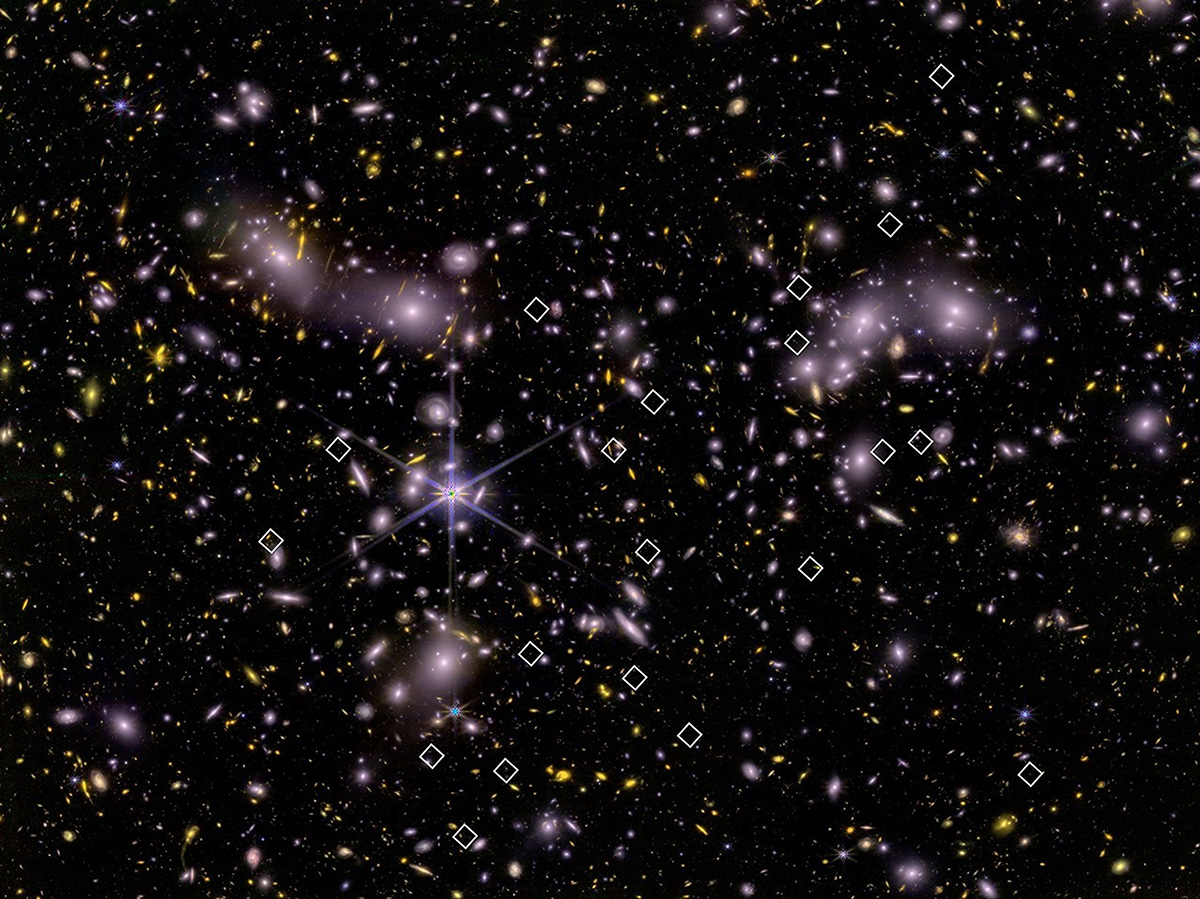
The UNCOVER program used a powerful trick, gravitational lensing. That’s when a massive galaxy cluster, like Abell 2744, bends and magnifies the light of objects behind it. Abell 2744 lies 3.5 billion light-years away. Its mass acts like a cosmic magnifying glass. It allows JWST to see extremely faint galaxies far in the background, galaxies that would otherwise be invisible. This method helped astronomers peer deeper into the universe than ever before.
What did JWST find?
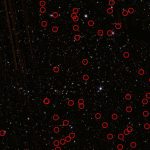
JWST used two instruments: NIRCam and NIRSpec. NIRCam captured deep images of the field. NIRSpec then observed 83 distant galaxies in detail. Among them, 33 existed within the first 1 billion years of the universe. This includes 17 galaxies from a redshift of about 7.9, meaning their light took over 13 billion years to reach us.
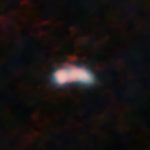
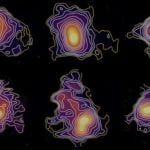
Scientists focused on 20 galaxies. All of them were extremely small. They had stellar masses 100 times smaller than the Milky Way. But they were intense. They produced huge amounts of light and energy, considering their size. Their light was filled with ionizing radiation. That’s the kind of light that can break hydrogen atoms apart, exactly what’s needed for reionization.
Why weren’t these galaxies seen before?
Before JWST, we couldn’t see these galaxies. They were too small and too faint. Even the Hubble Space Telescope couldn’t detect them. But JWST’s large mirror and sensitive instruments made it possible. The key was combining JWST’s power with gravitational lensing. That allowed astronomers to spot extremely faint galaxies magnified by the foreground cluster. Also, JWST’s spectrograph, NIRSpec, helped measure their light with precision. It confirmed their distance, age, and chemical makeup.
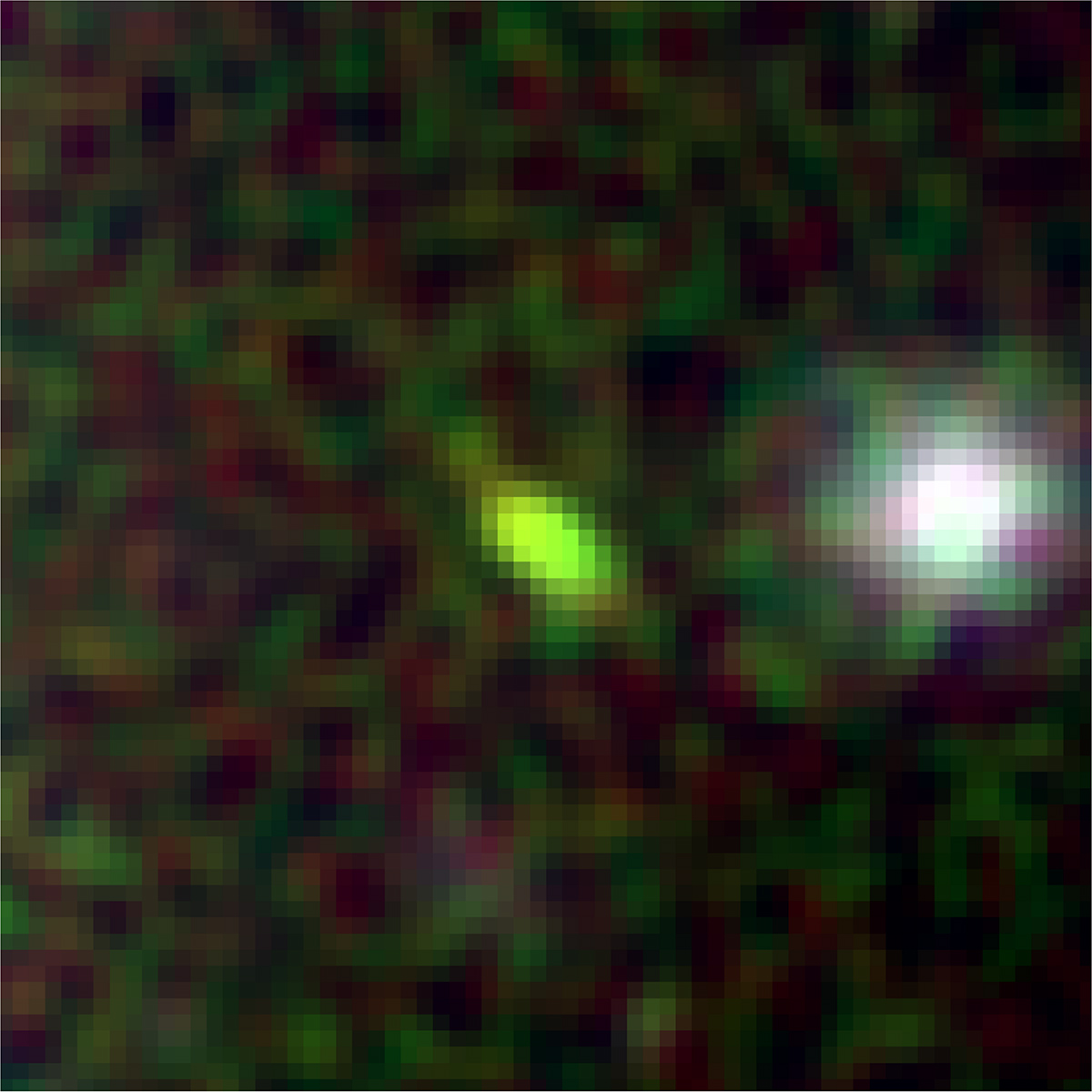
This discovery is a huge step forward. It solves a major puzzle of cosmic history. For decades, scientists asked: Who reionized the universe? Now, we have a strong answer. A group of tiny galaxies, too faint to see until now, may have lit up the early cosmos. They worked together, like countless fireflies in the dark, to push back the cosmic fog. JWST has shown us that size doesn’t always matter. Even the smallest galaxies can shape the universe in big ways. JWST’s mission will continue to peel back the layers of time, one light-year at a time.
Clear skies!
See more from DIYPhotography.net on Google
Add DIYPhotography.net as a trusted source. This makes
our stories more likely to appear in your Google Search results.
 Add as a preferred source on Google

Soumyadeep Mukherjee
Soumyadeep Mukherjee is an award-winning astrophotographer from India. He has a doctorate degree in Linguistics. His work extends to the sub-genres of nightscape, deep sky, solar, lunar and optical phenomenon photography. He is also a photography educator and has conducted numerous workshops. His works have appeared in over 40 books & magazines including Astronomy, BBC Sky at Night, Sky & Telescope among others, and in various websites including National Geographic, NASA, Forbes. He was the first Indian to win “Astronomy Photographer of the Year” award in a major category.
Join the Discussion
DIYP Comment Policy
Be nice, be on-topic, no personal information or flames.