






















Why Cats Are So Cute: The Scientific Reason Humans Love Them
Nov 24, 2025
Anzalna Siddiqui
A psychology major in her third year of Bachelor’s, Anzalna Siddiqui has endless curiosity for the human mind and a deep love for storytelling – both through words and visuals. Though she hasn’t taken up photography as a profession, her Instagram is where her passion finds its home. In addition to this, she’s a travel enthusiast who never travels without her camera because every place has a story waiting to be captured.
Share:

What makes a cat what it is? Cats are so cute. That creature that can be both a distant, graceful hunter and a cuddly, purring bundle of joy that rules the internet. It’s fascinating to consider how these animals have assumed a special role in human life, as many wild species have become extinct. For many of us, our pet cat is our closest connection to the wild, and we love them for it.
The story of cats in human culture has been quite interesting. In a captivating video by New Scientist, animal photographer Tim Flach shares his two-and-a-half-year project, Feline. He aimed to capture the true nature of cats. He points out that throughout history, cats have been celebrated during their domestication, hated during the witch hunts, and now they’ve become the star attractions online. Interestingly, he notes that most of the cat breeds we know today were developed in just the last 50 years.
Collaborating on Cat Cuteness: Art Meets Neuroscience
Tim wanted this project to be more than just a nice photo series. He aimed to connect his artistic vision with fundamental research, resulting in a unique partnership with scientists. I find this a fascinating way to create art, where he brings the feelings, and researchers provide factual support.
This collaboration enabled them to investigate specific scientific questions. For instance, why does catnip have such a strong effect on 75% of cats? Tim notes that studies suggest this could help cats by reducing their exposure to mosquito bites. He believes there’s a unique opportunity to visually express these complex scientific ideas, making them more understandable for everyone.
Do you know how seeing a photo of a kitten makes you feel all warm inside? It turns out that’s a natural reaction. Tim collaborated with a neuroscientist to explore why we find certain things so appealing. You may recall the story in which Tim Berners-Lee, the creator of the World Wide Web, mentioned kittens as one of the most surprising uses of the internet. I really can’t get enough of them!
Tim even got a brain MRI scan to see how our brains react to cute images. The findings are incredible. When you look at pictures of kittens, puppies, or babies, a part of your brain gets excited in just 130 milliseconds! That’s wild, considering it takes about 200 milliseconds for us to think about something consciously. So, you’re feeling that joy from cuteness before you even realize what you’re seeing. It appears that our love for cats is hardwired into our nervous system.
[Related Reading: How Photographing Your Cat Makes You a Better Photographer]
The Juvenile Proportions of Cat Cuteness
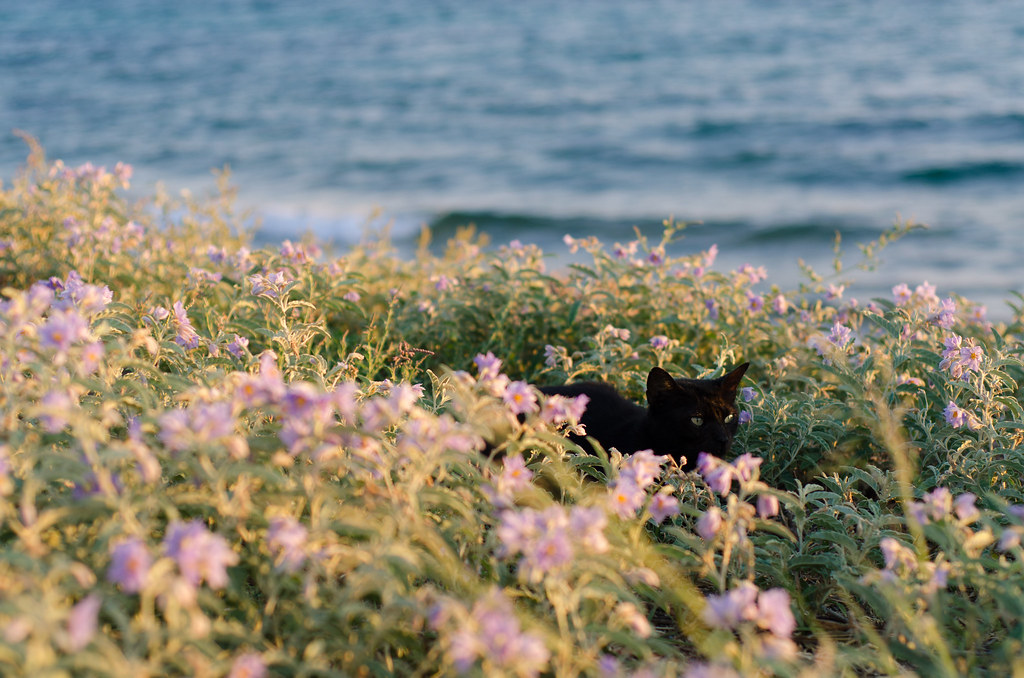
Tim experimented by taking pictures of his cat at various ages, ranging from eight days old to eight weeks. This helped him show how cuteness develops as the kitten grows.
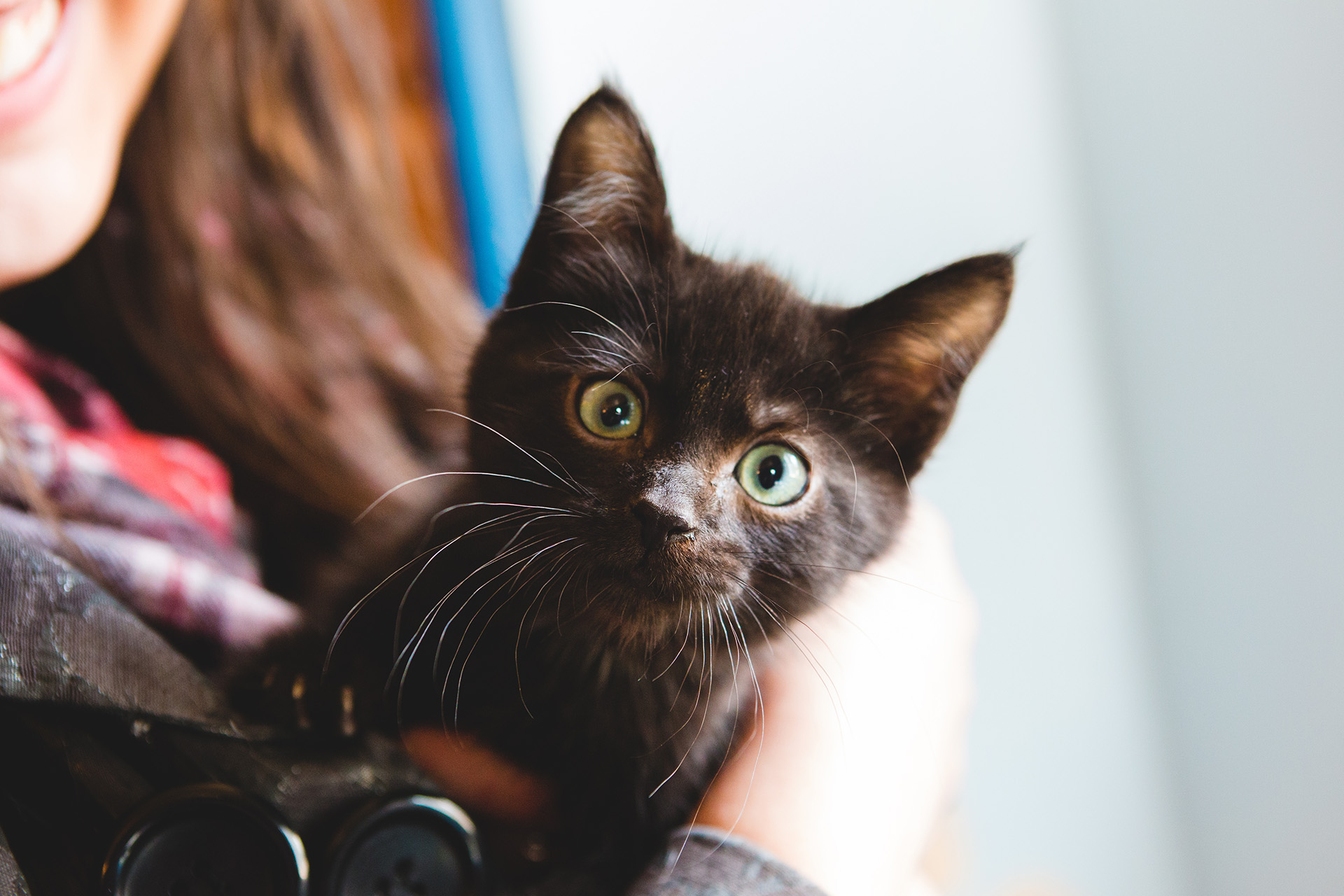
Now, here’s where it gets interesting. Tim notes that breeders may have intentionally altered the appearance of particular cat breeds to make them resemble kittens more closely. You might not even notice it, but these features, like the big head and round eyes, are designed to tug at your heartstrings. You find cats are so cute, loving this adorable, baby-like version of a creature that’s actually a skilled predator.
Eyes, Whiskers, and Paws: The Cat as an Ultimate Predator
Remember, beneath all the cute fluffiness, there’s a fierce predator. Tim notes that cats are actually the fastest land animals over short distances.
You’re familiar with that unique cat stare, especially at night. The “glowing eyes” effect comes from a special layer in their eyes called the tapetum lucidum. This layer contains crystals that reflect 40% more light than human eyes, significantly enhancing their ability to see in the dark. However, the downside is that these crystals can hinder their vision in bright sunlight. Historically, this glow was associated with dark superstitions, leading to many cats being burned during witch hunts.
When observing a cat while it hunts, you witness an exact creature. Yet, there’s a surprising fact: cats have blurry vision for objects less than a foot away. So how do they manage these close-range attacks? Their whiskers help them by creating a 3D map of the air pressure around them. Additionally, the tiny hooks on their tongue are essential not only for grooming but also for removing fleas and debris from their fur.
The Imperfect Art of a Cat Portrait
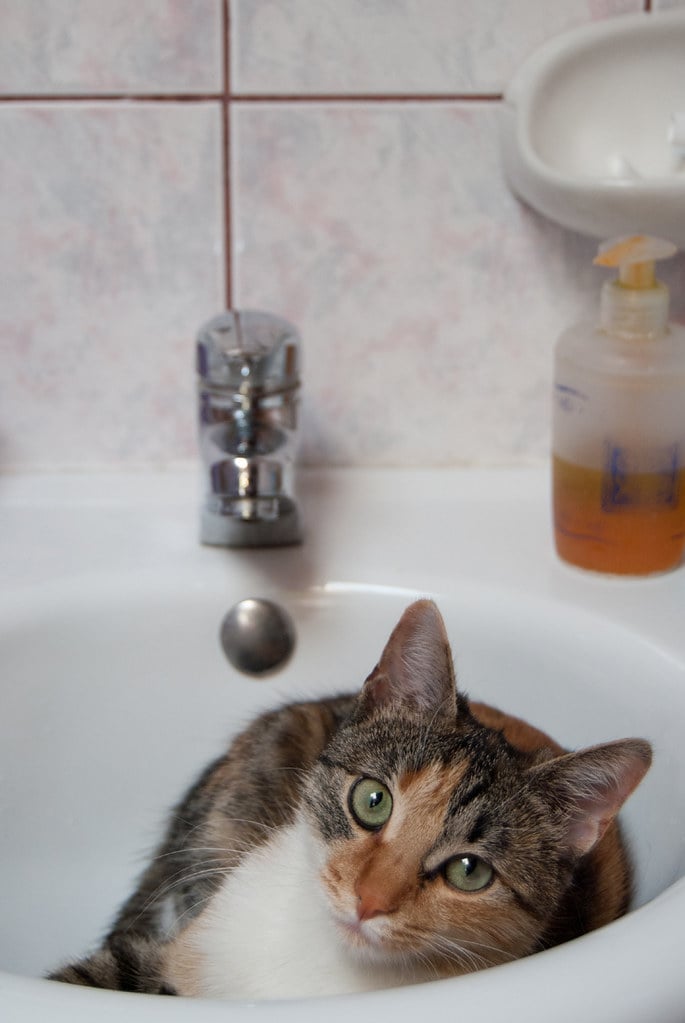
Tim’s Feline project, which captures the cats, is quite interesting. He treated them like people, drawing on techniques from past masters to create images that feel personal and relatable. He used ideas like counter-shading and the left-face bias, which suggests one side of the face can stir more emotion, to help you feel a stronger connection with the cats. The goal is to connect you, the viewer, with the animals on an emotional level.
He emphasizes the importance of working together, explaining that the artist shapes the cultural experience and provides context, while the scientist offers factual support, enhancing the impact of the imagination.
Future-Proofing Reality Against AI
In today’s world of Generative AI, collaboration and attention to detail have become essential. Tim mentions that AI models are imitating his photography style, which has created an interesting challenge: people now often say, “This cat doesn’t look real,” even when they see a genuine photo.
As a result, he has altered his approach to retouching his images. He used to erase all flaws, such as stray hairs, carefully, but now he finds himself adding some back in. This might sound strange, but he believes it helps make the images “look real” now and in the future. He views this as a crucial step in maintaining trust in photography, suggesting that photographers need to enhance their skills in capturing reality to differentiate themselves from AI-generated versions.
Why You Need to Connect with the Wildness of Cats
The conversation brings us back to a deep bond. Tim thinks about how people are becoming more disconnected from nature, possibly moving towards a digital world driven by AI. He emphasizes the importance of bonding with animals, as it helps us understand what it feels like to be in their “paws.”
He suggests that your cat brings a sense of “wildness” into your home, filling the void left by the lack of real wildlife around us. When you take the time to connect with your cat, you practice empathy, which the photographer believes is essential for caring about the environment. To create this vital link, we need both the arts (for emotions) and sciences (for facts).
You might see your cat as so cute and just a cuddly companion or a source of funny online videos, but actually, as a photographer, that small animal connects you to the wild. It’s a quick predator and can trigger a strong biological response in your brain, all due to the fascinating science behind cuteness.
[The Strange Science Behind Cat Cuteness I New Scientist; Image credits: Envato]
See more from DIYPhotography.net on Google
Add DIYPhotography.net as a trusted source. This makes
our stories more likely to appear in your Google Search results.
 Add as a preferred source on Google

Anzalna Siddiqui
A psychology major in her third year of Bachelor’s, Anzalna Siddiqui has endless curiosity for the human mind and a deep love for storytelling – both through words and visuals. Though she hasn’t taken up photography as a profession, her Instagram is where her passion finds its home. In addition to this, she’s a travel enthusiast who never travels without her camera because every place has a story waiting to be captured.
Related Posts
 Under-Cats Reveals the Lesser-Known Side of Cats
 Even if you’re not a cat person, you’ll love these cute kitties photographed from underneath
 Winning photos of Royal Society Publishing contest show us the astonishing beauty of scientific phenomena
 Aspherical elements are the reason why modern lenses are so good
Join the Discussion
DIYP Comment Policy
Be nice, be on-topic, no personal information or flames.
One response to “Why Cats Are So Cute: The Scientific Reason Humans Love Them”
What is “counter shap(k)ing” (not sure how he pronounced it) that he mentions from the old master techniques? At 6:21 into video….