



















How Color Photography Was Invented and Changed the World
Jul 2, 2026
Alysa Gavilan
Alysa Gavilan has spent years exploring photography through photojournalism and street scenes. She enjoys working with both film and mirrorless cameras, and her fascination with the craft has grown over the decades. Inspired by Vivian Maier, she is drawn to capturing everyday moments that often go unnoticed.
Share:
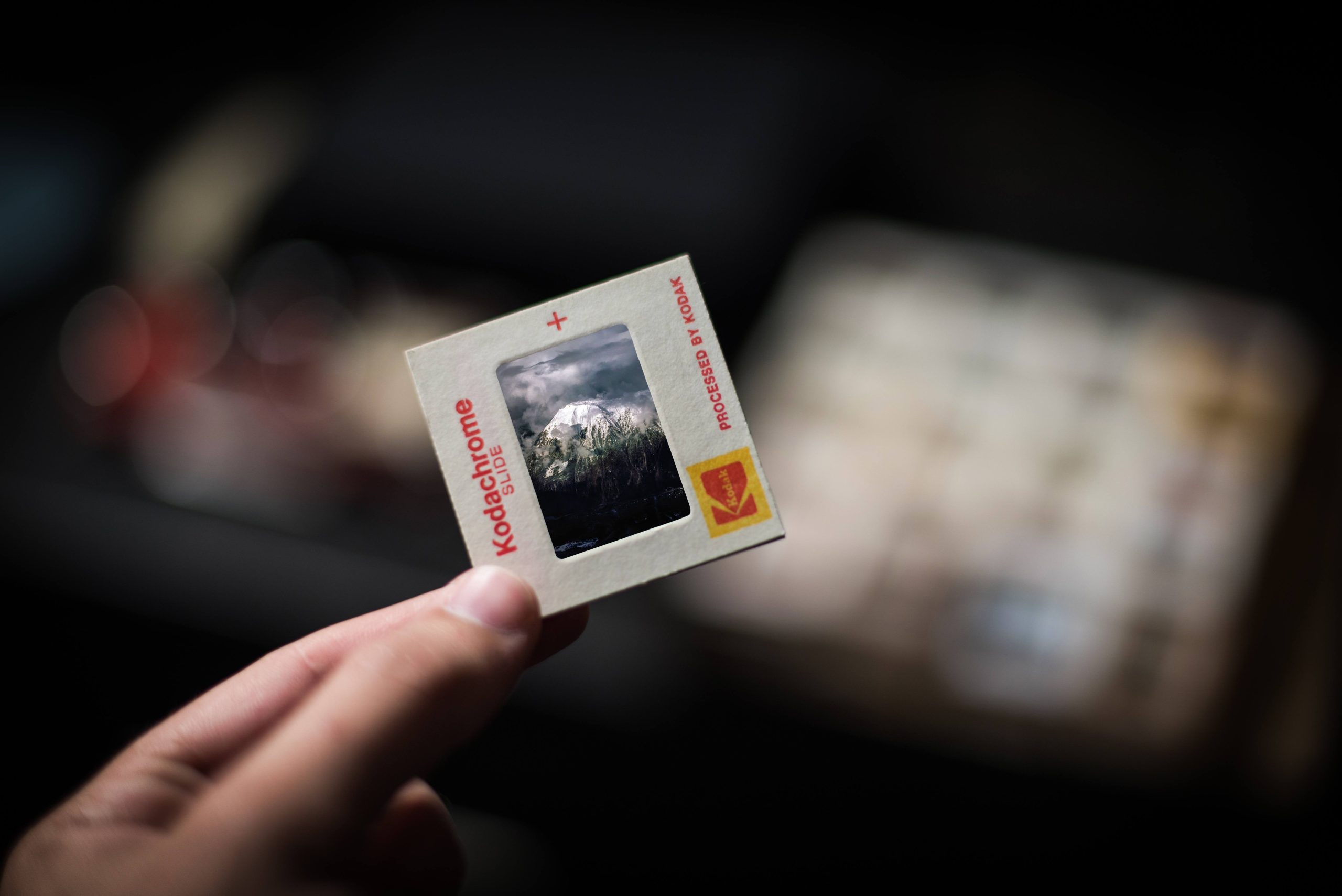
Color photography feels so natural today that it’s easy to forget it was once considered impossible. For much of photography’s early history, the world was captured only in black and white, leaving viewers to imagine the true colors of landscapes, clothing, and everyday life.
Yet scientists and photographers spent decades trying to solve one question: how could a camera reproduce the colors our eyes see? The answer didn’t arrive overnight. Instead, color photography evolved through a series of scientific breakthroughs that stretched across more than a century.
If you’ve ever wondered when color photography was invented, here’s the story behind one of photography’s biggest milestones.
The First Color Photograph Was Taken in 1861
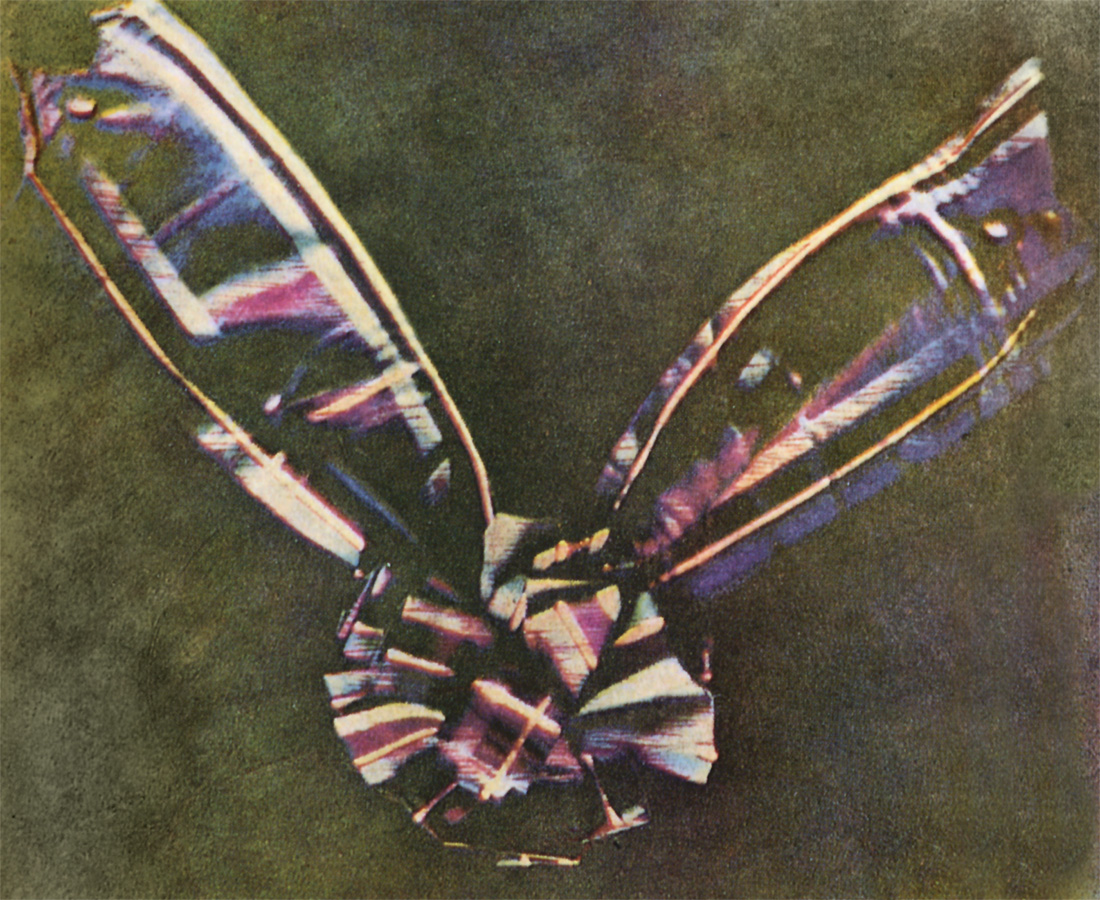
The first successful color photograph was created in 1861 by Scottish physicist James Clerk Maxwell and photographer Thomas Sutton.
Their famous image showed a tartan ribbon, and it was produced using a technique known as the three color method. Instead of taking a single color photograph, Sutton captured three separate black and white photographs through red, green, and blue filters. Maxwell then projected the three images together using colored light, recreating the ribbon’s colors.
Although primitive by today’s standards, the experiment proved that color photography was scientifically possible. It laid the foundation for virtually every color imaging system that followed.
Why Color Photography Didn’t Become Popular Right Away
Despite the success of Maxwell’s demonstration, color photography remained impractical for many decades.
The process required multiple exposures, making it unsuitable for moving subjects. Equipment was complicated, and early photographic materials were not very sensitive to all colors of light. Producing a finished image also required specialized techniques that were difficult for most photographers to use.
As a result, black and white photography remained the standard throughout the late nineteenth century because it was simpler, faster, and far more affordable.
The First Commercial Color Process Arrived in 1907
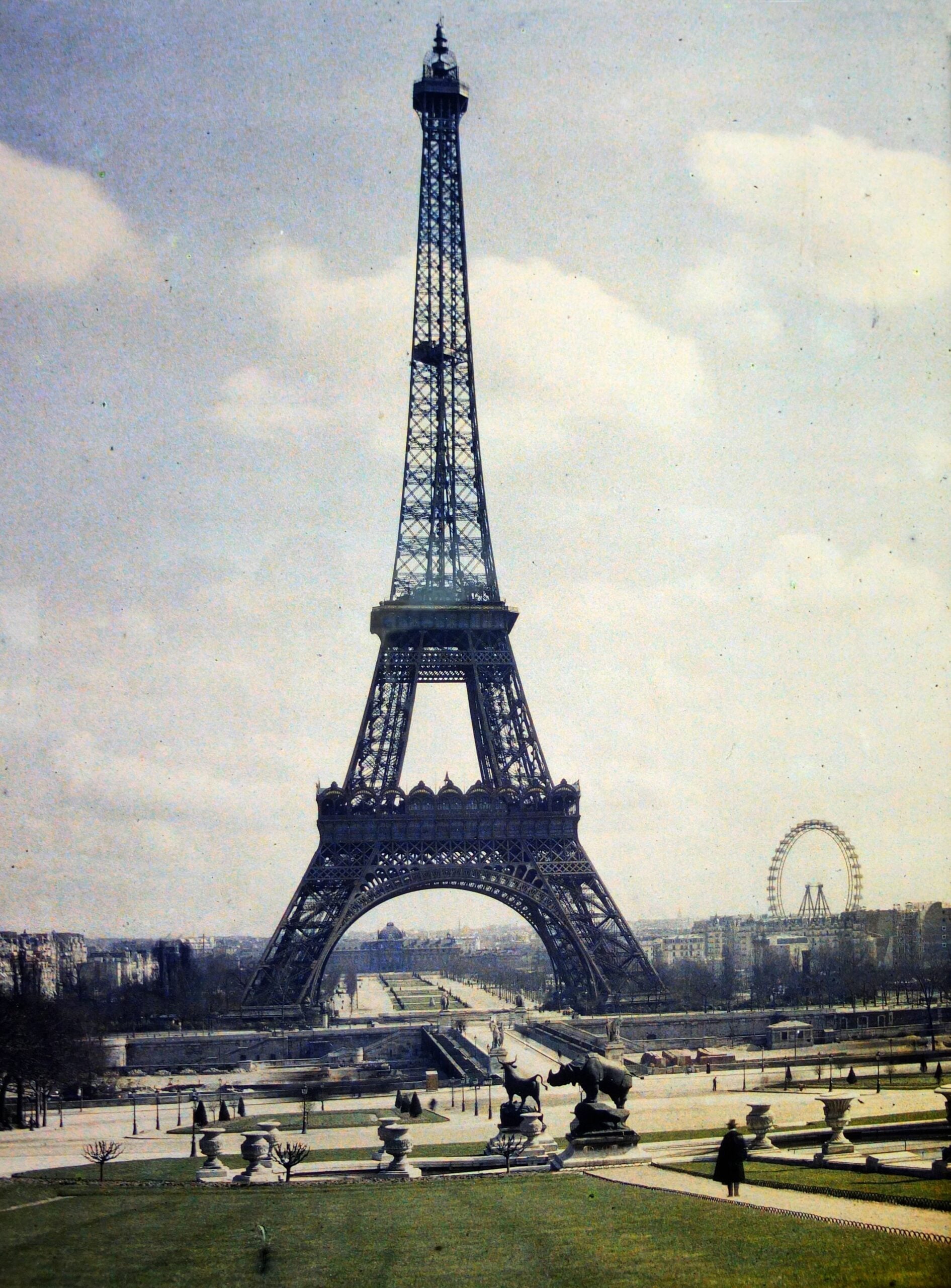
A major breakthrough came in 1907 with the introduction of the Autochrome Lumière by French inventors Auguste Lumière and Louis Lumière.
Autochrome became the world’s first commercially successful color photography process.
Instead of using three separate photographs, Autochrome relied on millions of microscopic grains of dyed potato starch that acted as color filters. While exposure times remained relatively long, photographers could finally produce color photographs using a single plate.
The soft colors and slightly grainy appearance of Autochrome images are still admired today for their distinctive look.

When Did Color Film Become Common?
Color photography became much more practical during the 1930s.
In 1935, Kodachrome was introduced by Eastman Kodak Company. It offered vibrant colors, excellent detail, and much better reliability than earlier methods. Kodachrome quickly became a favorite among professional photographers, travelers, journalists, and magazine publishers.
Just a few years later, color negative films became widely available, making color photography more accessible to everyday consumers.
By the 1960s and 1970s, color film had overtaken black and white photography for family snapshots, advertising, travel, and commercial photography.
When Did Digital Color Photography Arrive?
Digital cameras changed photography once again.
Most modern digital cameras use image sensors covered by a Bayer filter, which records red, green, and blue information for every scene. Software then combines this data to produce a full color image.
Early digital cameras in the 1980s and 1990s had relatively low resolution, but rapid improvements in sensor technology soon made digital photography the dominant format.
Today, smartphones, mirrorless cameras, drones, and professional cinema cameras all capture millions of colors instantly using technology that still relies on the same red, green, and blue principles demonstrated by Maxwell more than 160 years ago.

Why Color Photography Changed the World
Color photography transformed far more than family albums.
It allowed newspapers and magazines to present events with greater realism. Scientists could document plants, wildlife, and medical research more accurately. Advertisers gained a powerful way to showcase products, while artists explored entirely new forms of visual expression.
For historians, early color photographs provide an especially valuable glimpse into the past because they reveal details that black and white images simply cannot show, from military uniforms and architecture to everyday fashion and street life.
So, When Was Color Photography Invented?
The short answer is 1861, when James Clerk Maxwell and Thomas Sutton created the first successful color photograph using three filtered exposures.
However, color photography did not become practical until the introduction of Autochrome in 1907, and it only became truly widespread after Kodachrome arrived in 1935. The digital cameras we use today are the result of more than a century of scientific progress built on those early discoveries.
The next time you capture a colorful sunset or edit vibrant travel photos, it’s worth remembering that every modern image traces its roots back to a simple photograph of a tartan ribbon that changed photography forever.
See more from DIYPhotography.net on Google
Add DIYPhotography.net as a trusted source. This makes
our stories more likely to appear in your Google Search results.
 Add as a preferred source on Google

Alysa Gavilan
Alysa Gavilan has spent years exploring photography through photojournalism and street scenes. She enjoys working with both film and mirrorless cameras, and her fascination with the craft has grown over the decades. Inspired by Vivian Maier, she is drawn to capturing everyday moments that often go unnoticed.
Related Posts
 How street photography changed my lifestreet photography changed my lifeHow street photography changed my life
 Learn the Color of Color: Mastering the Art of Color Photography
 The World’s first digital camera, introduced by the man who invented it
 Use Color Burn and Color Dodge to quickly add color and contrast to your photos
Join the Discussion
DIYP Comment Policy
Be nice, be on-topic, no personal information or flames.