
















ToupTek Astro Introduces GS-AAF: Motorized Autofocus for Guide Scopes
Nov 27, 2026
Soumyadeep Mukherjee
Soumyadeep Mukherjee is an award-winning astrophotographer from India. He has a doctorate degree in Linguistics. His work extends to the sub-genres of nightscape, deep sky, solar, lunar and optical phenomenon photography. He is also a photography educator and has conducted numerous workshops. His works have appeared in over 40 books & magazines including Astronomy, BBC Sky at Night, Sky & Telescope among others, and in various websites including National Geographic, NASA, Forbes. He was the first Indian to win “Astronomy Photographer of the Year” award in a major category.
Share:
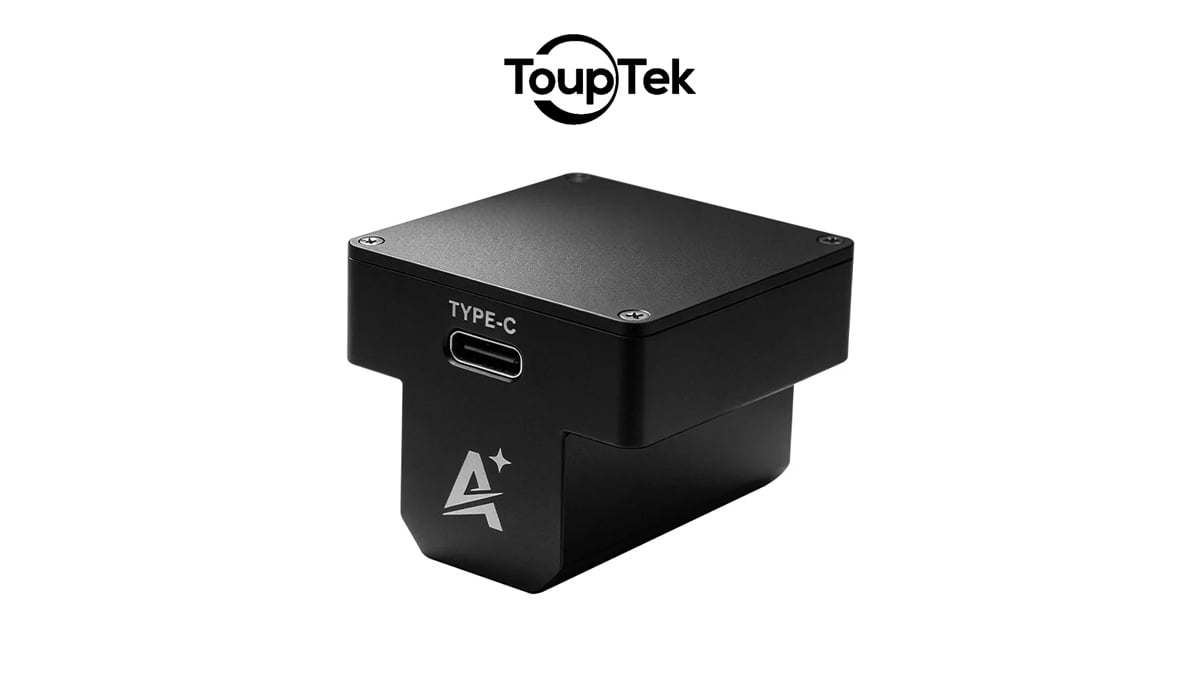
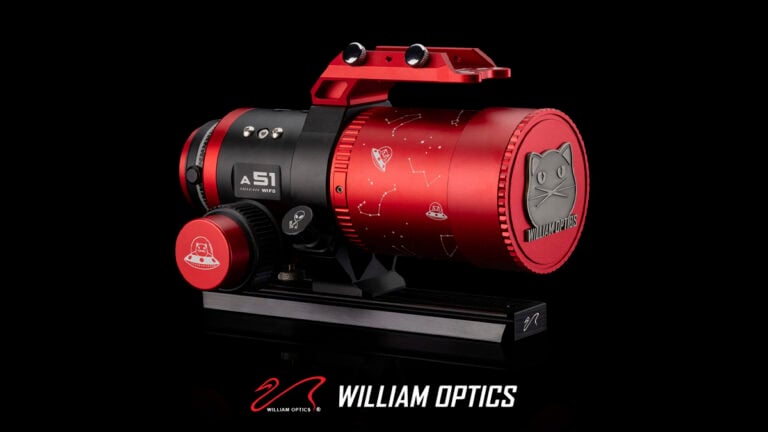
A guide scope usually has a supporting role in astrophotography. It helps an equatorial mount track the sky while the main telescope captures images. ToupTek Astro has found a way to make things a little more automated for the guide scopes. Its new GS-AAF electronic focuser lets you add motorized focusing to selected ToupTek guide scope models.
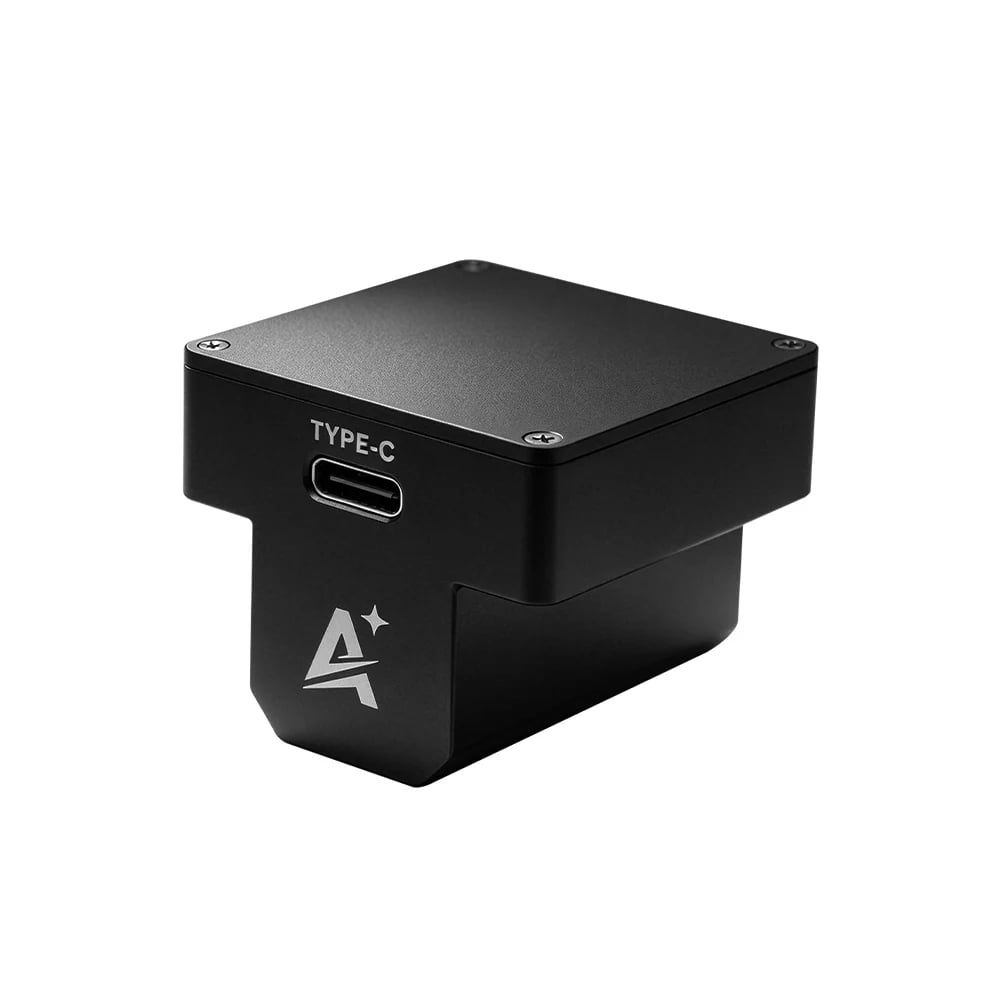
The GS-AAF costs $69 and fits the rack-and-pinion focusers on ToupTek’s GS and FS series guide scopes. It allows both manual and automatic focusing, temperature compensation, and remote operation. A miniature stepper motor drives the focusing mechanism through a reduction gearbox.
A compact motor for small optical systems
Electronic focusers have become common accessories in deep-sky astrophotography. They remove the need to turn a focusing knob by hand, allowing imaging software to make precise adjustments. This is very useful when an imaging session runs for several hours. Even a small change in focus can soften stars across an entire sequence.
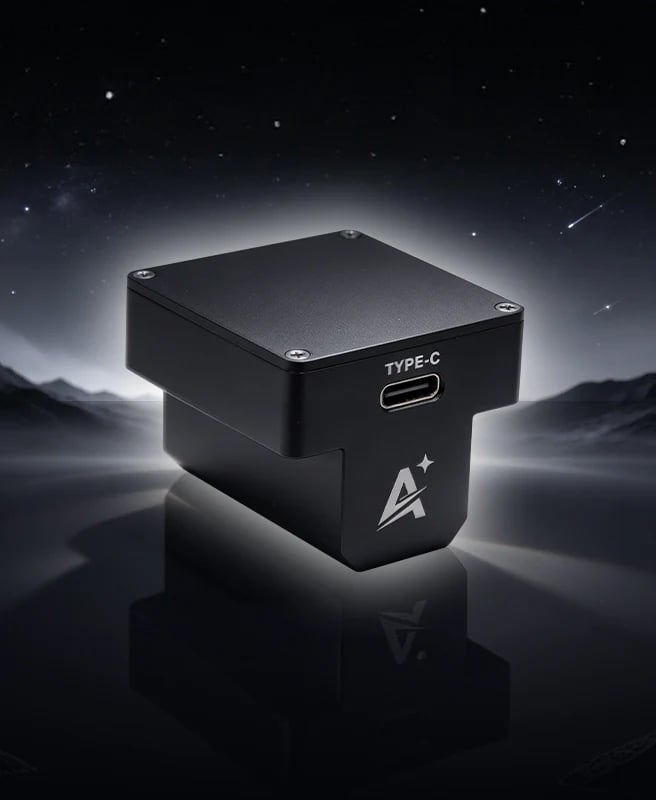
Full-sized autofocus motors, however, can be unnecessarily large for compact guide scopes. Their mounting arrangements may also interfere with nearby equipment. The GS-AAF has an aluminum alloy housing and measures 36 × 30 × 38 mm. Its compact dimensions will fit around the guide scope’s existing focuser.
The motor uses a miniature stepper mechanism with a 100:1 reduction gearbox. ToupTek has specified a step angle of 0.0225 degrees. The reduction system allows the motor to make small, controlled movements of the focusing mechanism.
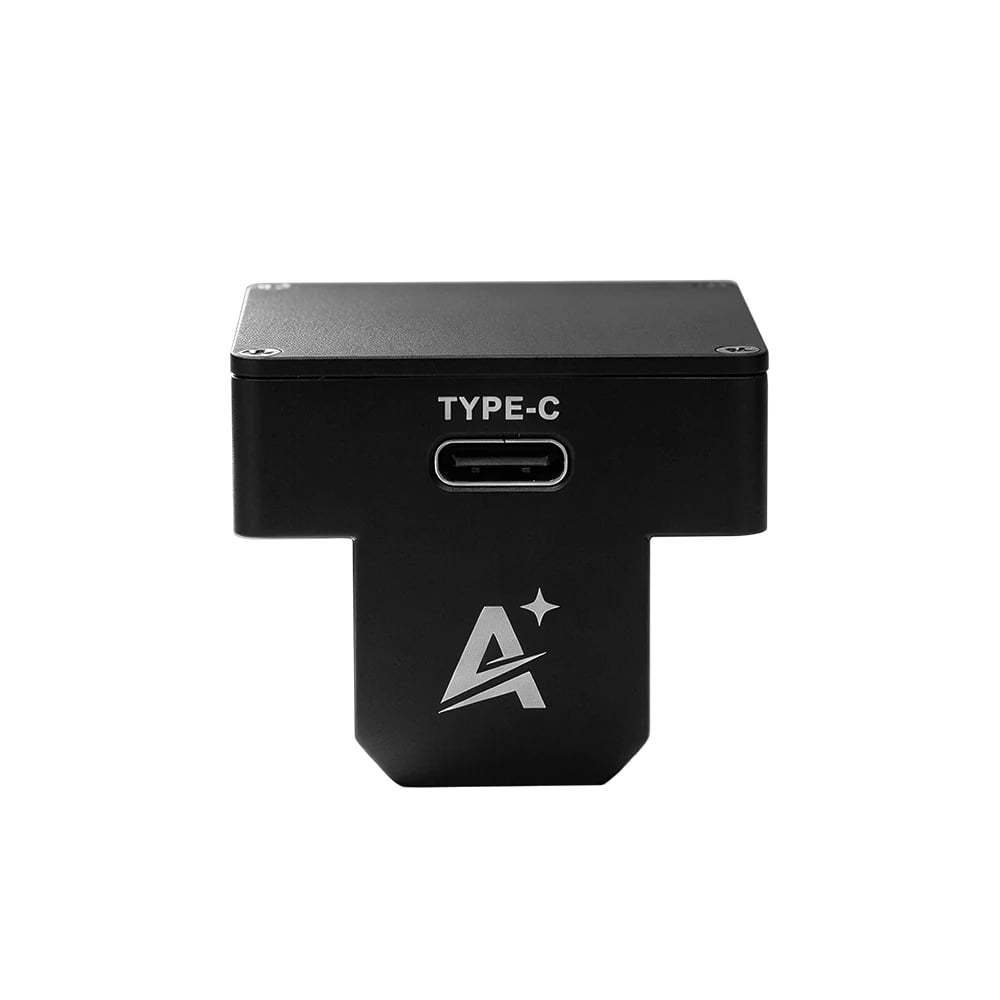
The GS-AAF connects to a computer or compatible imaging system through USB-C. It operates on 5V power, with one cable handling both power and data.
Manual adjustments and software-controlled autofocus
With the GS-AAF, you can operate the focusing mechanism by hand when the motor has no power. They can also make coarse manual adjustments with the motor powered on and sitting idle. There is no need to remove the motor or disengage a separate clutch before turning the focuser.
Once you connect the unit to your imaging computer, the software can control the motor. An autofocus routine can move the focuser through a series of positions and determine which produces the sharpest stars. The system can also return to the selected position for the next session.
Compatibility of GS-AAF
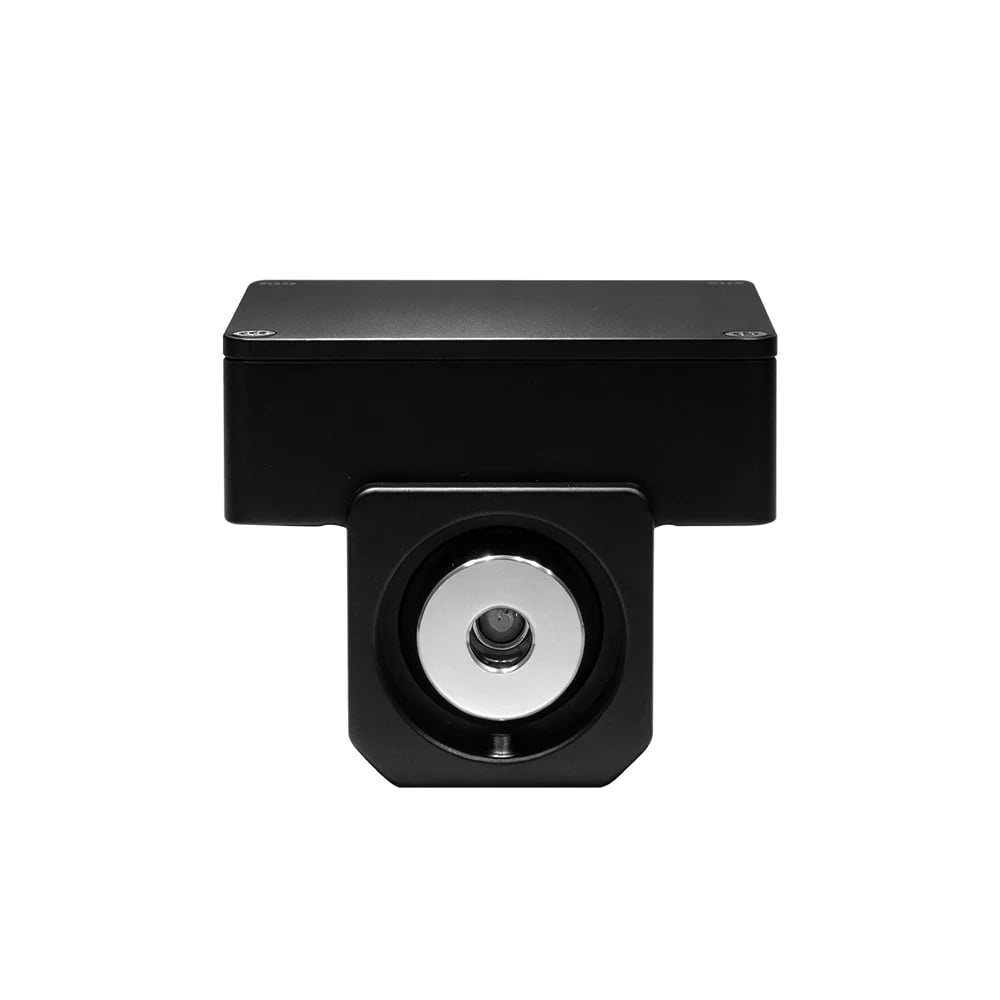
The GS-AAF has a specific mounting requirement. It works with the FSB-125R rack-and-pinion focuser found on the AR versions of ToupTek’s GS and FS guide scopes. Owners of other versions cannot attach the motor to their existing focusing mechanism.
ToupTek offers its GS guide scopes with two focuser options. The AC versions use the FSB-125C rackless focuser, while the AR versions use the FSB-125R rack-and-pinion mechanism. The GS-AAF works exclusively with the latter. It does not fit the AC models, third-party guide scopes, or aftermarket focusers.
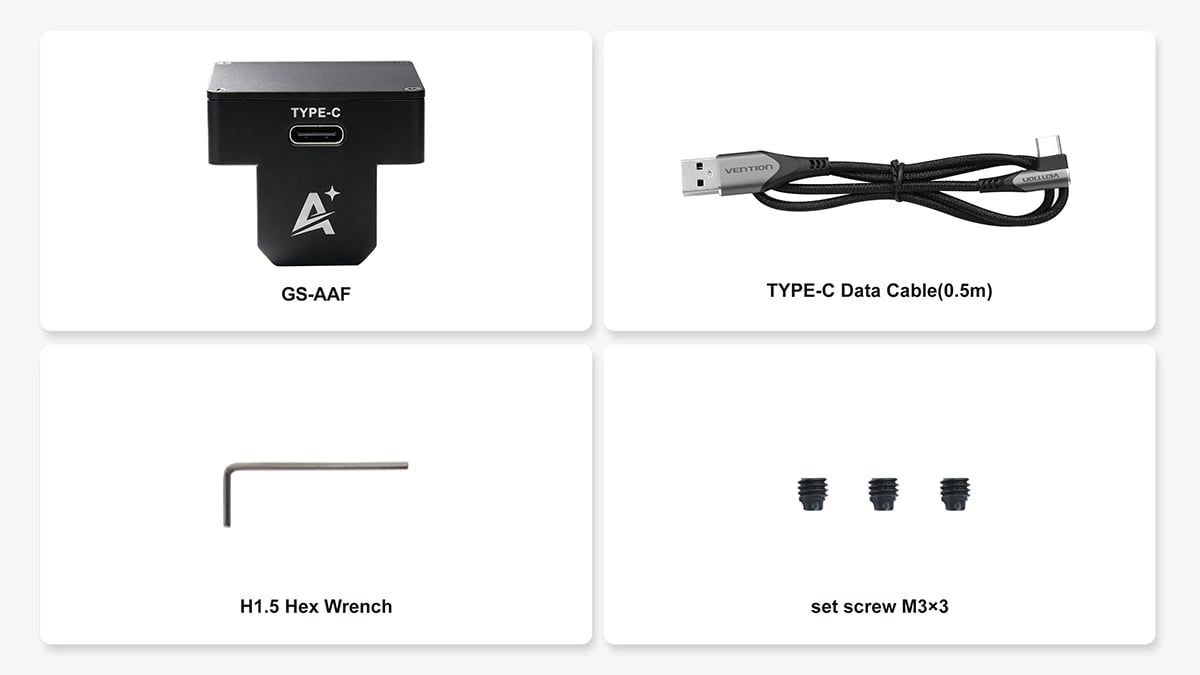
The GS-AAF is a motor upgrade kit, not a complete mechanical focuser. You have to own a compatible FSB-125R assembly. The installation involves removing the original focusing knob and attaching the motor to the exposed focusing shaft. You then secure the coupling with the supplied set screws.
Price and availability
The ToupTek GS-AAF is priced at $69. It is available for ordering via ToupTek’s official website.
Would you spend $69 to upgrade your guide scope system? Let us know in the comments.
Clear skies!
See more from DIYPhotography.net on Google
Add DIYPhotography.net as a trusted source. This makes
our stories more likely to appear in your Google Search results.
 Add as a preferred source on Google

Soumyadeep Mukherjee
Soumyadeep Mukherjee is an award-winning astrophotographer from India. He has a doctorate degree in Linguistics. His work extends to the sub-genres of nightscape, deep sky, solar, lunar and optical phenomenon photography. He is also a photography educator and has conducted numerous workshops. His works have appeared in over 40 books & magazines including Astronomy, BBC Sky at Night, Sky & Telescope among others, and in various websites including National Geographic, NASA, Forbes. He was the first Indian to win “Astronomy Photographer of the Year” award in a major category.

Join the Discussion
DIYP Comment Policy
Be nice, be on-topic, no personal information or flames.