























Pentax’s Current DSLR Era Has Come to an End
Sep 9, 2026
Alysa Gavilan
Alysa Gavilan has spent years exploring photography through photojournalism and street scenes. She enjoys working with both film and mirrorless cameras, and her fascination with the craft has grown over the decades. Inspired by Vivian Maier, she is drawn to capturing everyday moments that often go unnoticed.
Share:
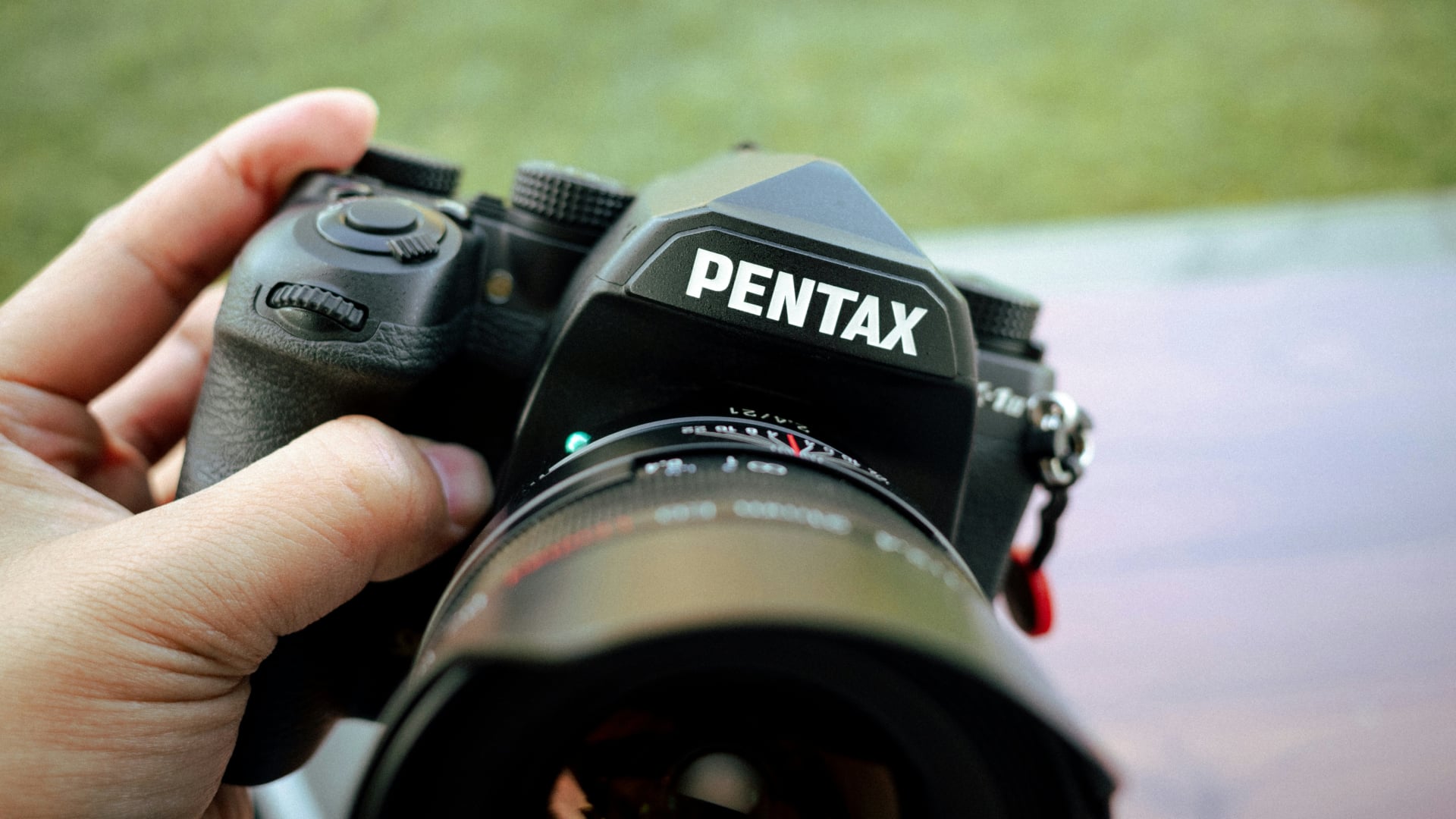
Pentax is ending its current generation of K series DSLRs, but the company is not walking away from the format that has defined it for decades. Instead, Ricoh Imaging says it is developing a new series of digital SLR cameras built around an “entirely new concept,” suggesting that Pentax sees an opportunity in making photography itself part of the product again.
The announcement marks a major change for the K mount system, which dates back more than half a century. It also puts Pentax in an unusual position as most major camera makers have moved decisively toward mirrorless systems.
Pentax is starting over with DSLRs
Pentax’s digital SLR history began with the *ist D in 2003, followed by cameras such as the K100D and K 1. The company says production of the current K series will now end, with no immediate replacement announced.
Ricoh Imaging has not provided specifications, a release date or details about what makes the next generation different. It says the new cameras will continue to use the K mount legacy accumulated over more than 50 years, while allowing more people to enjoy the process of taking photographs.
That leaves plenty of room for speculation, but the company is clearly positioning the project around the experience of photography rather than a race for specifications.
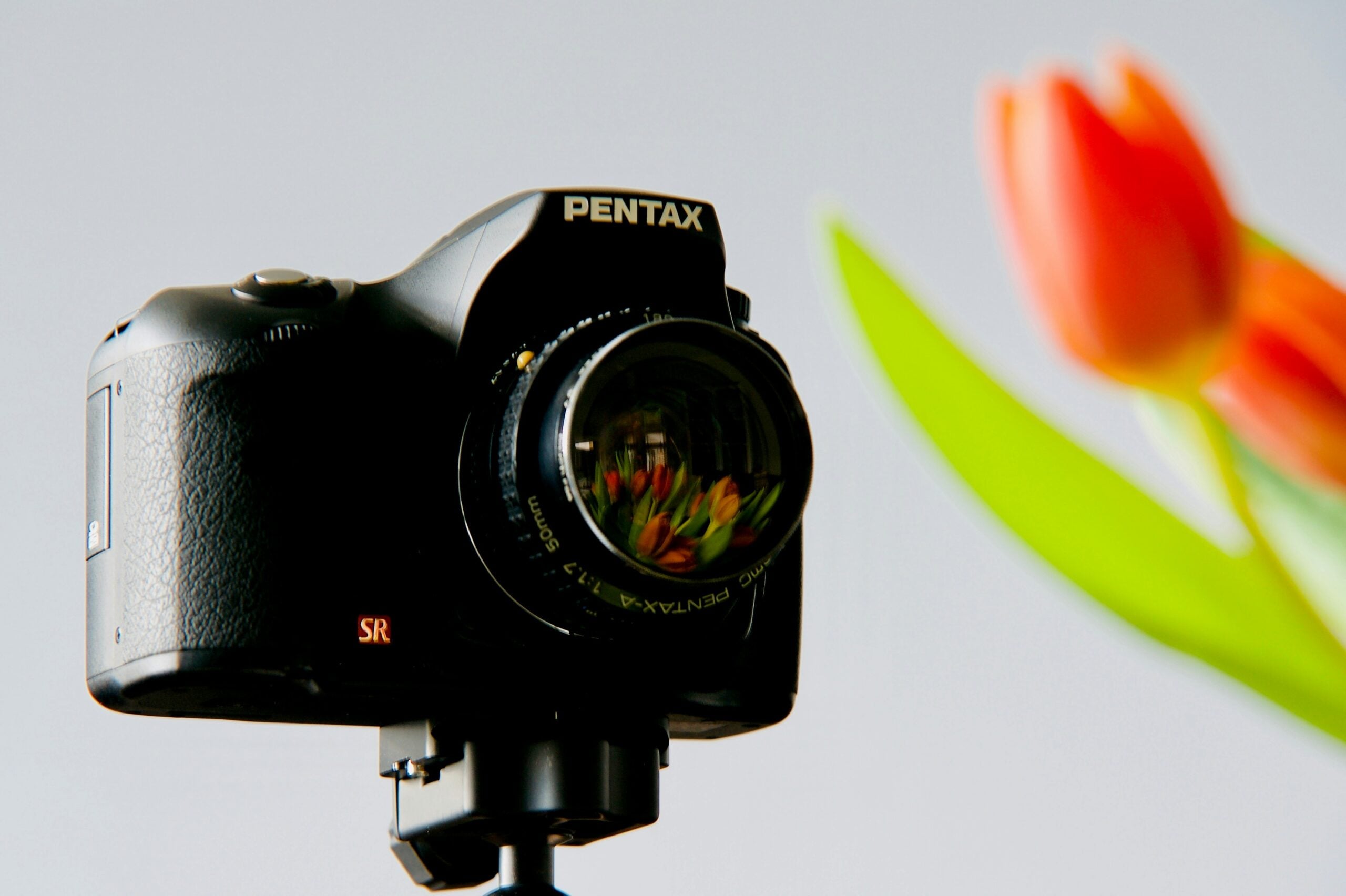
The timing is notable. The Pentax K 1 Mark II, the company’s most recent full frame DSLR, was recently marked as discontinued, while the K 3 III and K 3 III Monochrome had also represented the brand’s continued commitment to the format.
Pentax has already been betting on the experience
This shift does not come completely out of nowhere. Ricoh Imaging has spent the past few years exploring cameras that put more emphasis on how photography feels.
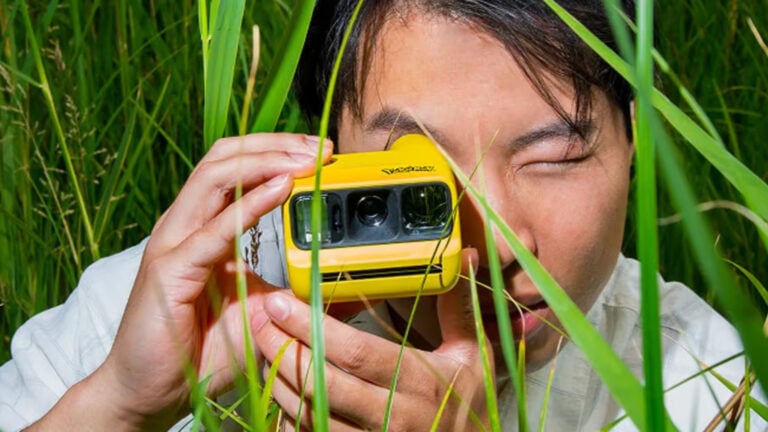
The PENTAX 17, introduced as a half frame film camera, brought back features such as a manual film advance lever and zone focusing. The company explicitly designed it to leave some room for manual operation rather than making the camera fully automatic. It later won the Camera Grand Prix 2025 Editors Choice R&D Award.
Ricoh has also continued developing the GR line around the idea of a compact camera designed for everyday photography. In April, the company marked the GR series’ 30th anniversary and said it would put greater emphasis on communicating the appeal and depth of snapshot photography.
The new DSLR project therefore looks less like an isolated decision and more like another attempt to find value in the act of taking photographs itself.

Pentax is not alone in looking backward
Other camera companies have also been borrowing ideas from photography’s past while building new digital products.
Fujifilm’s X half is a clear example. The compact digital camera uses a vertical optical viewfinder, a frame advance lever, and a Film Camera mode that limits access to the rear screen while shooting. Users select a virtual roll of 36, 54 or 72 frames before shooting, recreating some of the restrictions of film without using actual film.
That does not mean Fujifilm is bringing back film cameras or that Pentax’s next DSLR will follow the same formula. The more interesting similarity is the idea that modern cameras do not have to compete only through sensors, autofocus and resolution.
Canon and Nikon have taken the opposite path with DSLRs, shifting their development toward mirrorless systems. Canon has stopped developing new DSLR models, although some older DSLRs are still being produced, while Nikon’s Z system has become the company’s main interchangeable lens platform.
Pentax is therefore taking a very different gamble. Instead of abandoning the DSLR as the market moves toward mirrorless, it is asking if the format can be made interesting again.
For now, the biggest question is not what sensor or autofocus system Pentax will use. It is what this “entirely new concept” will actually do differently, and that could make the next Pentax one of the most interesting cameras to watch.
See more from DIYPhotography.net on Google
Add DIYPhotography.net as a trusted source. This makes
our stories more likely to appear in your Google Search results.
 Add as a preferred source on Google

Alysa Gavilan
Alysa Gavilan has spent years exploring photography through photojournalism and street scenes. She enjoys working with both film and mirrorless cameras, and her fascination with the craft has grown over the decades. Inspired by Vivian Maier, she is drawn to capturing everyday moments that often go unnoticed.
Related Posts
 Pentax has officially announced the new Pentax KF DSLR but it’s basically a K-70 with a flippy out LCD
 Canon EOS 1D X Mark III Discontinued: The End of Professional DSLR Era
 3D photos taken with a $20,000 DSLR rig, go head to head with a $300 film era setup
 Pentax K-S1: A DSLR Camera Built for a Generation of Beginners
Join the Discussion
DIYP Comment Policy
Be nice, be on-topic, no personal information or flames.