


















Is AI Hurting Photography More Than It’s Helping?
Jul 28, 2025
Anzalna Siddiqui
A psychology major in her third year of Bachelor’s, Anzalna Siddiqui has endless curiosity for the human mind and a deep love for storytelling – both through words and visuals. Though she hasn’t taken up photography as a profession, her Instagram is where her passion finds its home. In addition to this, she’s a travel enthusiast who never travels without her camera because every place has a story waiting to be captured.
Share:

It’s fascinating to think about how you started your photography journey. Perhaps you grabbed a camera, took pictures of everything around you, and felt a rush of creativity. However, as you explore more, you likely discover much more to photography than just clicking a button. This is precisely what travelling photographer Charles Wollertz of Wollertz Photography discusses in a recent video, which encourages you to reflect on the future of photography and who is guiding its direction.
Charles points out a concerning trend. Many new photographers are jumping into professional work before fully developing their skills. It’s similar to trying to run a marathon after only doing a little jogging. He believes this trend is partly due to a dependence on artificial intelligence tools like ChatGPT for essential tasks, such as adjusting camera settings.
The ChatGPT Camera Settings Trap
When you’re new to photography, you feel confused about aperture, shutter speed, and ISO. It’s easy to think about asking ChatGPT for the “ideal” settings for a headshot. Charles has noticed this happens quite often. While ChatGPT might give you some numbers that work with your camera, it misses the creative side of photography. How do you pose your subject to make them look their best? What about figuring out the lighting in the room and using it effectively? These are the subtle details that ChatGPT, despite its advanced technology, doesn’t understand.
Charles brings up a good point when he says that depending only on AI for basic photography skills can lead to disappointment for both new photographers and their clients. If the results are often okay, clients might start to doubt the need for a professional photographer. This could lower the industry’s overall quality, which is not something anyone wants. Charles’ advice is clear. Keep practicing! Get familiar with your equipment and different situations by taking stock photos or working with friends before you start charging clients. It’s like laying a strong foundation before building a tall building.
Beyond the Buttons: The Human Element
It’s easy to focus too much on the technical side of photography, like equipment, settings, and editing programs. While those things are essential, Charles points out that they are just part of a bigger picture. The true essence of photography comes from connecting with people. Can ChatGPT help you market yourself and your ideas to clients? Can it provide the confidence needed for a stressful photoshoot? Probably not.
Charles says it simply: ChatGPT doesn’t have emotions. It can’t perceive light like you do with your eyes and creativity. It doesn’t grasp the unique situations that arise during a shoot. You can ask for general tips, but it won’t have the practical insight to tackle real-life challenges.
Real-World Chaos That AI Can’t Predict
Has your camera stopped working right when you needed it the most? Or what about when your flash decides to quit unexpectedly during a shoot? These are the kinds of problems that real experience helps you handle. Charles makes a good point: AI can’t replicate the stress or the problem-solving skills you gain from being in those situations.
And don’t get me started on taking pictures of people who aren’t professional models. Not everyone is comfortable in front of a camera. While ChatGPT might give you basic posing tips, it won’t understand how to work with different body shapes, find the best angles, or help someone who dislikes being photographed enjoy it. The human touch, the ability to connect and make your subject feel relaxed, enhances your photography.
The “Trophy for Showing Up” Mentality?
Charles opens up about his generation, the millennials, and raises an interesting point. He believes there’s a tendency to expect praise for showing up, which might lead to not worrying enough about failing or wasting a client’s time. This makes you think if it causes photographers to take on projects they’re not fully prepared for.
He shares a strong personal story about a time he completely messed up a restaurant shoot because of some very shiny gold silverware that caused tricky reflections — something many can relate to. He was so disappointed in his work that he completely refunded the client. This experience motivated him to improve. He contrasts this with what he sees today, where mistakes are often dismissed.
Learning from Mistakes (Even the Painful Ones)
The story about the gold spoon really resonates. You can learn about reflections in theory, but when you’re faced with a real-life situation where a small spoon in a top-down shot turns into a mirror reflecting everything around it? That’s a whole different challenge. Charles realizes that having a simple cone diffuser would have made things easier, but he didn’t have one then. He spent a long time trying to fix the photos later, but they didn’t turn out right. He didn’t bill the client and felt awful about it. Experiences like that really stay with you and motivate you to get better.
This is part of the reason Charles started his photography course. He doesn’t think he’s the best; instead, he wants to share the knowledge he’s gained over 15 years and all the mistakes he’s made. Simple tips, like suggesting someone gently push their neck forward to avoid a double chin, can save hours of editing later. It’s all about getting things right while taking the picture. His course addresses different shooting situations, lighting conditions, and compositions based on what he’s learned in real life.
Practical Wisdom > AI Algorithms
Charles points out some common mistakes he often notices, such as busy backgrounds or cutting off parts of people in photos. These are practical lessons that AI can’t teach. You have to pay attention and practice to notice these details.
Charles says his message isn’t just about promoting his course. It’s sincere advice to beginner photographers: don’t depend only on AI. It doesn’t have the vital experience you need, and it might not always guide you correctly. He suggests learning from other photographers on sites like YouTube, but emphasizes that nothing can replace real practice. He even recommends trying stock photography as a way to improve your skills and possibly make some money at the same time.
It’s not the technology itself, but rather our tendency to rely on it too much without actually working to improve our skills. At its heart, photography is more than just knowing how to use cameras and software. It involves empathy, building connections with people, and capturing moments that show them in their best light. That’s something no AI can truly replicate. It’s about the bond between you and your subject, and how you see the world around you. So, continue learning, keep practicing, and always add that personal touch to your work.
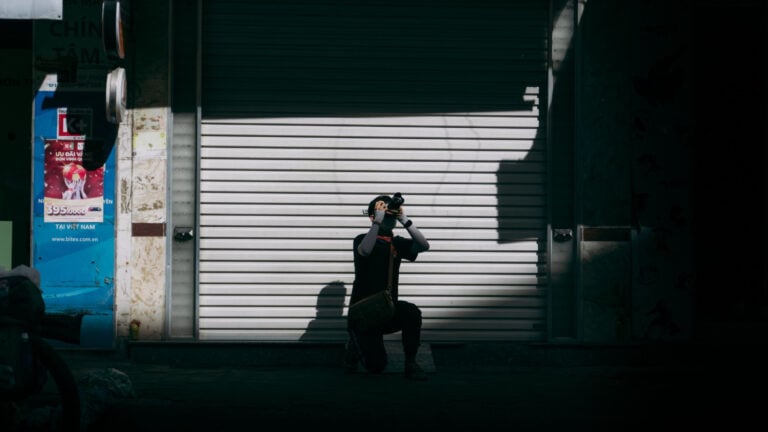
[The Truth About What’s Killing Photography (It’s Us) I Charles Wollertz; Image credits: Pexels]
See more from DIYPhotography.net on Google
Add DIYPhotography.net as a trusted source. This makes
our stories more likely to appear in your Google Search results.
 Add as a preferred source on Google

Anzalna Siddiqui
A psychology major in her third year of Bachelor’s, Anzalna Siddiqui has endless curiosity for the human mind and a deep love for storytelling – both through words and visuals. Though she hasn’t taken up photography as a profession, her Instagram is where her passion finds its home. In addition to this, she’s a travel enthusiast who never travels without her camera because every place has a story waiting to be captured.



Join the Discussion
DIYP Comment Policy
Be nice, be on-topic, no personal information or flames.