




















How to mod your Pocket 4K to shoot Dune-like footage
May 29, 2024
John Aldred
John Aldred is a photographer with over 25 years of experience in the portrait and commercial worlds. He is based in Scotland and has been an early adopter – and occasional beta tester – of almost every digital imaging technology in that time. As well as his creative visual work, John uses 3D printing, electronics and programming to create his own photography and filmmaking tools and consults for a number of brands across the industry.
Share:
Whether you love it or hate it, there is no doubt that Dune and its recently released Part 2 follow-up have been extremely popular movies. Some will still prefer the original, while others won’t like either. But you can’t deny the new one is very beautiful.
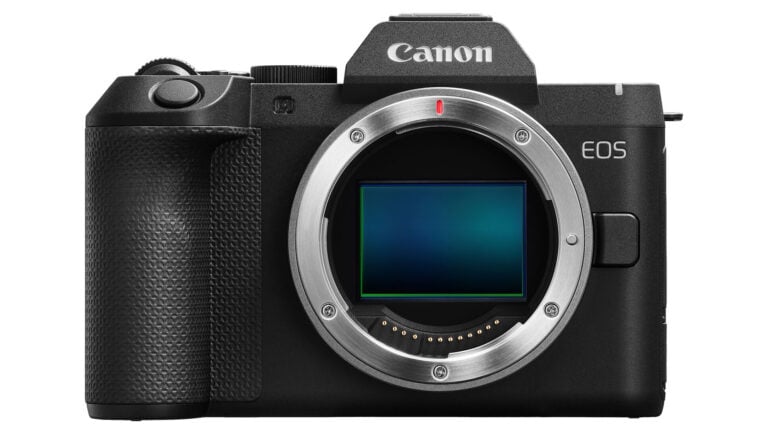
It features other-worldly scenes, shot with what appear to be other-worldly cameras. But no, they’re just filming in infrared. In this video, Dale Campbell walks us through how to remove the infrared filter from the Blackmagic Pocket Cinema Camera 4K ($1,295).
Blackmagic Pocket 4K IR Mod
From watching Dale’s video, the Pocket 4K appears to be one of the simplest cameras out there to convert. Often, there’s a lot more tearing open of things before you’re able to get to the filter and removing it once you’re there can still be tricky.
The Pocket 4K, however, is almost as easy as the old Sigma cameras, where you could just pop it out with your fingers. Ok, it’s not quite that easy, but eight screws? That’s pretty much nothing. You do want to be careful, though.
And if you’re careful, and you manage to remove the IR filter without breaking anything, it’s just as easy to put back in again. So, if you want to go back to using the camera for shooting regular footage – or to sell the camera on – you can switch it back easily.
Infrared filmmaking is not new, but it’s young
Infrared photography and filmmaking have been around for a lot longer than the new Dune movies. It’s been used on the big screen a lot over the years. You’d probably be surprised to find you’ve even seen a few of them without even realising it.
The guys at Kolari Vision also showed off this effect using converted cameras. They show a range of different wavelengths to let you see how each picks up the light. When combined with techniques Dale mentions in the video above, that opens up a lot of options.
And while infrared filmmaking is not new, it is still a relatively young and untapped look. It will be interesting to see if it sparks a wave of IR camera conversions and IR short films over the next few years.
See more from DIYPhotography.net on Google
Add DIYPhotography.net as a trusted source. This makes
our stories more likely to appear in your Google Search results.
 Add as a preferred source on Google

John Aldred
John Aldred is a photographer with over 25 years of experience in the portrait and commercial worlds. He is based in Scotland and has been an early adopter – and occasional beta tester – of almost every digital imaging technology in that time. As well as his creative visual work, John uses 3D printing, electronics and programming to create his own photography and filmmaking tools and consults for a number of brands across the industry.
Related Posts
 Tilta’s flip-up LCD mod for the Blackmagic Pocket 4K & 6K is now available in the USA [Updated]
 This extreme Raspberry Pi camera mod uses a laser to removes the Bayer filter array
 How To Really Void The Warranty On An LP160 Strobe (Extreme Bare Bulb Mod)
 Kolari mod solves EOS R5 over heating – Costs $399 and probably voids your warranty
Join the Discussion
DIYP Comment Policy
Be nice, be on-topic, no personal information or flames.