




















Henri Cartier-Bresson Broke His Own Rules for His Most Famous Photo
Jan 13, 2026
Anzalna Siddiqui
A psychology major in her third year of Bachelor’s, Anzalna Siddiqui has endless curiosity for the human mind and a deep love for storytelling – both through words and visuals. Though she hasn’t taken up photography as a profession, her Instagram is where her passion finds its home. In addition to this, she’s a travel enthusiast who never travels without her camera because every place has a story waiting to be captured.
Share:
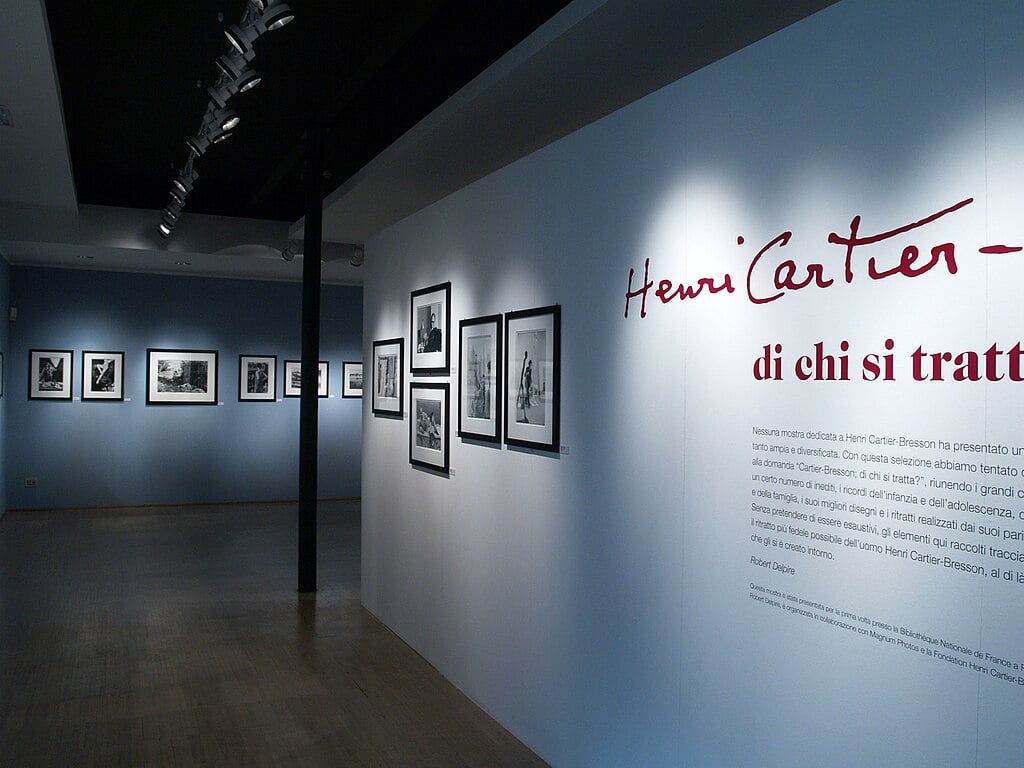
We elevate our photography heroes so much. You probably have The Decisive Moment on your shelf and have spent hours trying to capture that flawless look Henri Cartier-Bresson was known for. I certainly have myself. We often hear that he never cropped his images and that he was a purist who nailed every shot on the first try, although Henri Cartier-Bresson broke his rules on occasion.
But what if I told you that his most iconic photo, the one every street photographer wants to imitate, was actually somewhat of a happy accident that needed a lot of editing? This illustrates that even Henri Cartier-Bresson broke his rules when necessary.
There’s a messy and surprisingly rebellious truth behind “Behind the Gare Saint-Lazare.” It turns out that even the master of street photography broke his own rules to get that shot. I think this makes the photo even more impressive, showing that sometimes the essence of the image matters more than sticking to the rules. Indeed, there were times when Henri Cartier-Bresson broke his rules for the sake of a perfect image.
When a Fence Stands Between You and Greatness
Imagine you’re a young Cartier-Bresson in 1932, exploring Paris with your Leica camera. You come across the back of the Gare Saint-Lazare train station. It wasn’t the prettiest sight. The place was messy and under construction.
Then you notice it: a large puddle with stunning reflections, hinting at movement. But there’s a tall wooden fence blocking your view.
This was the first obstacle. You can’t walk through it or see over it. Many people might just sigh and move on, thinking it’s not worth it. But Bresson found a small gap between the wooden slats. He realized that if he could position his lens through that opening, he might capture something special.
Shooting Blind: The Leica Struggle
Bresson used a Leica camera, and the viewfinder on those early models stuck out just enough to make it challenging in that situation.
The gap in the fence was narrow enough for Bresson to fit his lens through, but he couldn’t actually see through the viewfinder with his eye. He was essentially shooting “blind.” Keep that in mind next time you find yourself frustrated with your camera’s autofocus or a slow electronic viewfinder. You’re watching a scene unfold, with a man about to jump, but you have no clear idea of what the camera is capturing. Henri Cartier-Bresson broke his rules by relying on instinct rather than precision.
This seems like a true test of a photographer’s instincts. Bresson was likely observing the scene outside of the camera, waiting for the “decisive moment” and hoping his shot was lined up correctly. It was a risky move that worked out, but it definitely wasn’t the “perfectly planned” method we often associate with him.
The Great Cropping Controversy
This might surprise some traditionalists. Cartier-Bresson was known for his dislike of cropping photos. He thought a shot should be complete as soon as the shutter clicks. He even asked for his images to be printed with a thin black border to show he used the whole negative.
However, when he developed the film from his day at Gare Saint-Lazare, it wasn’t the stunning photo we know now. The gap in the fence wasn’t wide enough, leaving a big, blurry piece of wood on the left, plus some empty space at the bottom.
Bresson did something unexpected. He cropped it. He trimmed the left side of the fence and some of the bottom to uncover the perfect composition buried in the clutter.
Honestly, I find this really refreshing. It shows that even the best had to edit their work now and then. Does that mean he was a hypocrite? Perhaps. But does it turn the photo into a masterpiece? Definitely. It seems Bresson understood that the energy of the leaping man and the ripples in the water mattered more than his own beliefs about keeping images un-cropped.
Was It Luck or Genius?
In old interviews, Cartier-Bresson says that capturing the shot was just sheer luck. He describes how he managed to fit his lens between the planks and hoped for a good result.
However, I doubt this “luck” idea. While it’s possible to get lucky on occasion, you don’t become one of the greatest photographers in history by relying on chance.
Bresson’s successful career shows that this shot came from excellent timing and sharp observation. Even if he couldn’t see through the viewfinder, he had the awareness to know where the man would appear in the shot. He grasped the “decisive moment”, that split second when the reflection is just right, the man is in mid-air, and the ripples are just beginning to spread.
I believe that luck in photography happens when your preparation aligns with a good opportunity. Bresson put himself in a challenging position, navigated a fence, took the shot without seeing, and then had the artistic skill to transform the image into the iconic piece we recognize today.
What does this mean for you when you grab your camera tomorrow
First, don’t stress about following every rule. If the best street photographer had to crop his famous picture to make it work, you can crop yours too. The aim is to capture a great image, not to see who adhered to the rules best.
Second, don’t let barriers stop you. If there’s a fence in your way, look for a gap. If you can’t see through the viewfinder, take the shot anyway. You don’t need a perfect location, just be ready for the moment.
Personally, I find the tale of the fence makes “Behind the Gare Saint-Lazare” even more motivating. It’s not about someone getting it right on the first try. It’s about a guy sticking his lens through a hole in a fence, hoping for the best and later using his skills to make it work.
Next time you’re out shooting and things don’t go as planned, think of Bresson and that wooden fence. Sometimes, breaking the rules is how you capture something amazing. And remember, even Henri Cartier-Bresson broke his rules to capture some of his most iconic images.
[via PetaPixel; Image credits: Maurizio Zanetti, CC BY 2.0
See more from DIYPhotography.net on Google
Add DIYPhotography.net as a trusted source. This makes
our stories more likely to appear in your Google Search results.
 Add as a preferred source on Google

Anzalna Siddiqui
A psychology major in her third year of Bachelor’s, Anzalna Siddiqui has endless curiosity for the human mind and a deep love for storytelling – both through words and visuals. Though she hasn’t taken up photography as a profession, her Instagram is where her passion finds its home. In addition to this, she’s a travel enthusiast who never travels without her camera because every place has a story waiting to be captured.


Join the Discussion
DIYP Comment Policy
Be nice, be on-topic, no personal information or flames.