




















Essential Accessories for Your Brand New Fujifilm X Half
Aug 22, 2025
David Prochnow
Our resident “how-to” project editor, David Prochnow, lives on the Gulf Coast of the United States in Ocean Springs, Mississippi. He brings his expertise at making our photography projects accessible to everyone, from a lengthy stint acting as the Contributing How-To Editor with Popular Science magazine. While you don’t have to actually build each of his projects, reading about these adventures will contribute to your continued overall appreciation of do-it-yourself photography. A collection of David’s best Popular Science projects can be found in the book, “The Big Book of Hacks,” Edited by Doug Cantor.
Share:

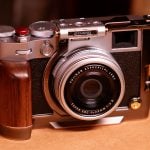
Are you enjoying your brand new Fujifilm X half camera? For those of you who haven’t jumped on this delightful bandwagon, yet, the X half is a unique camera that successfully connects digital perfection with analog charm while delivering exquisite photographs in a pocketable package. After using the camera for a month or so, however, are you now wondering why Fujifilm didn’t include filter threads on the front of the lens? Or, maybe the shallow depth of the lens front element is catching too much glare and you wish there was a lens hood for this camera. Possibly you’re even questioning the absence of a practical travel case for your beloved X half?
Fear not faithful Fujifilm X half owners, SmallRig has heard your cries and they’ve delivered five new products that can easily transform your X half into the best camera you own. Why? Simply put, these accessories enable you to take your X half anywhere at anytime and use it for all of your photographic tasks. Let’s see what SmallRig has to offer.

A Thread-Less UV Filter!
Are you scratching your head wondering how a thread-less filter works? Well, in the case of the SmallRig Attachable UV Filter, it works great. Seriously, the attachment magic is performed by a ring of four magnets that firmly hold the UV filter against the camera lens. Who knew that the Fujifilm X half front lens element was made of metal? One great fringe benefit of using the Attachable UV filter on your X half is that you can comfortably and safely leave that rubber lens cap at home.
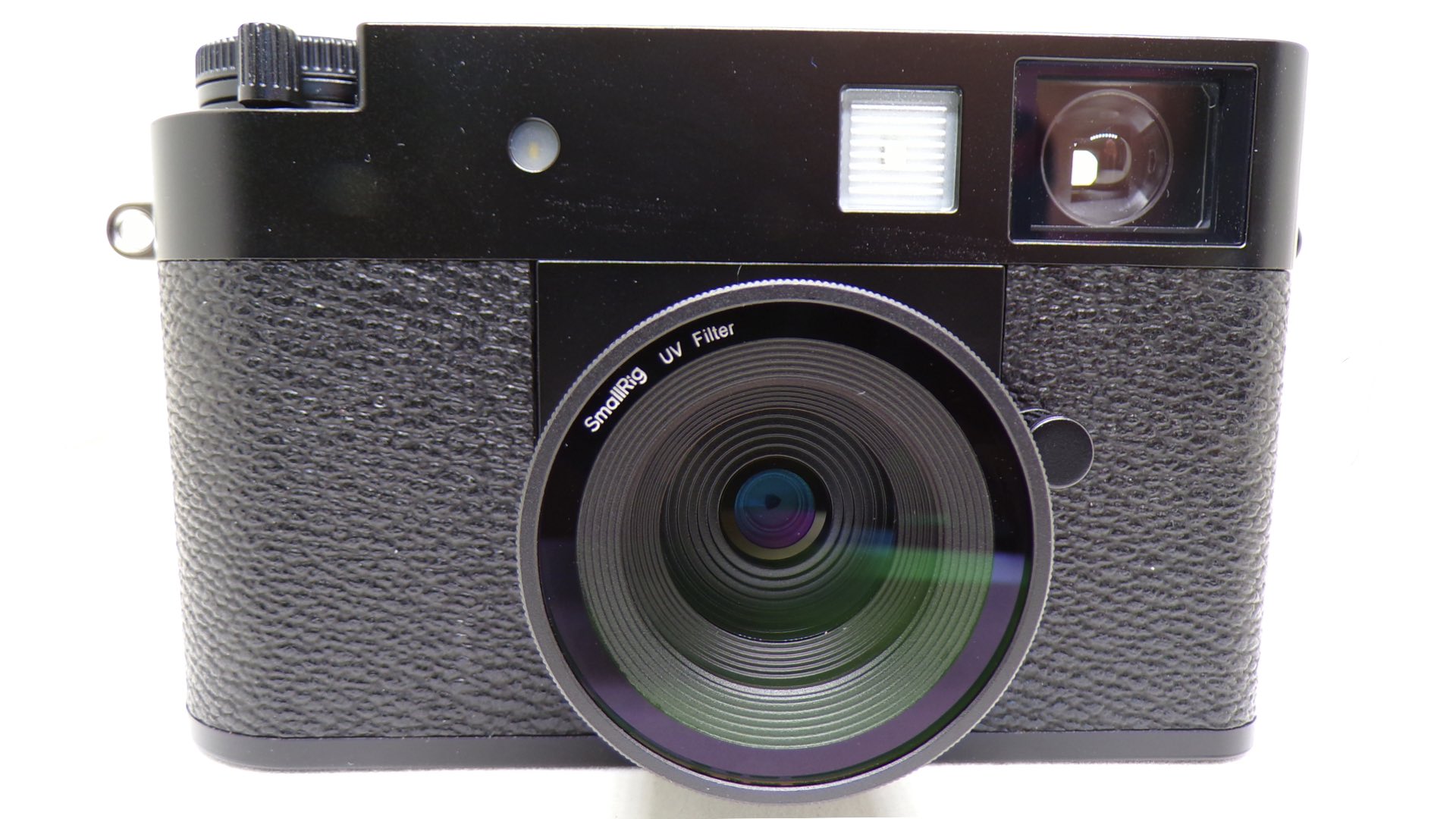
In addition to the UV filter, SmallRig also makes a Variable ND Filter. The connection between filter and camera is via a similar set of magnets.
[Related Reading: How To Build DIY variable ND-Filter (And Motivate Your Models)]
A Lens Hood with a Clamp
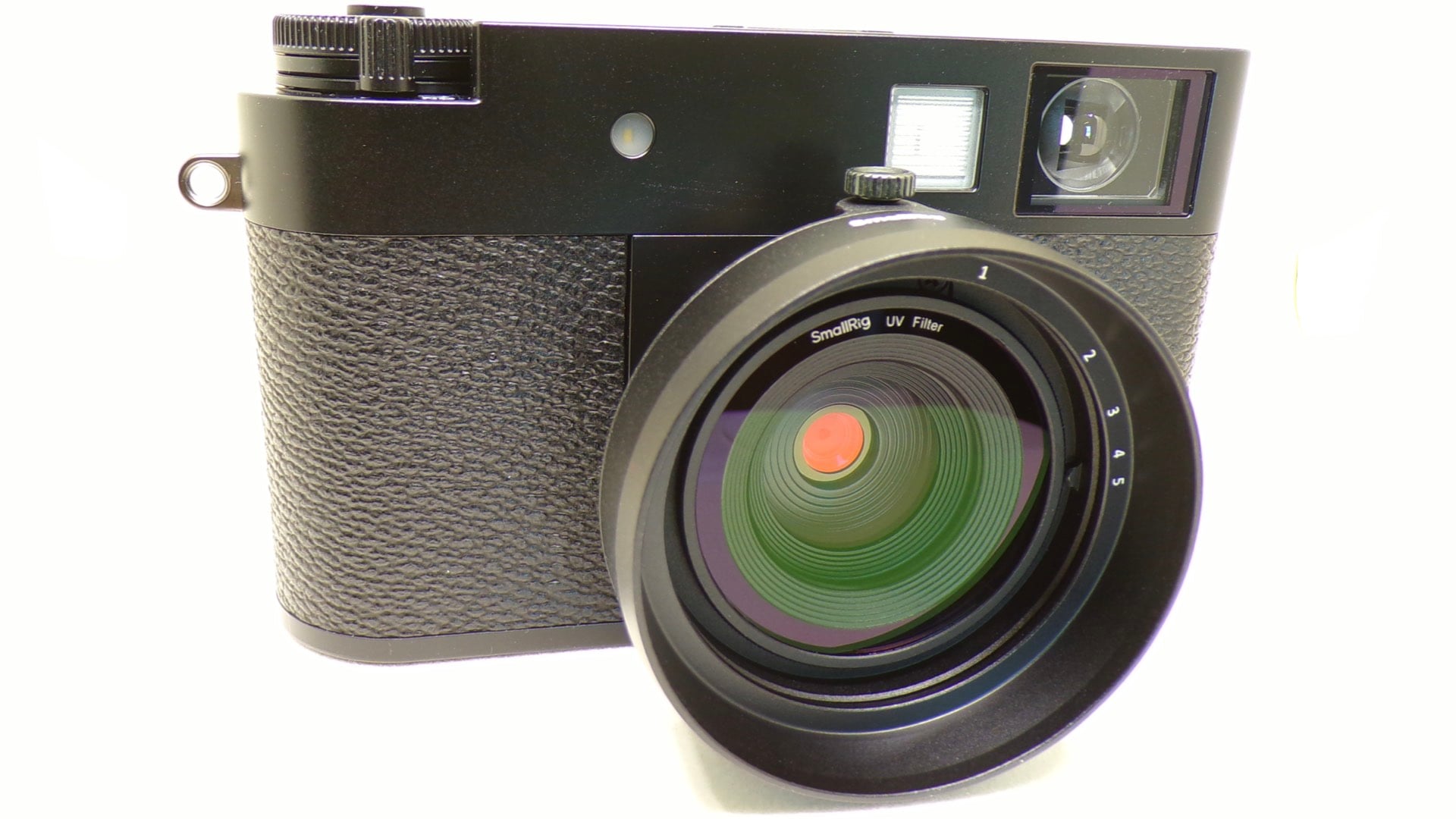
Just like that amazing thread-less UV filter, how does a lens hood attach to the X half? In the case of the SmallRig Shading Hood, the connection between the hood and camera lens is achieved with the threaded clamp that latches onto the lens’ front flange. When using this hood with either the UV filter or the variable ND filter, there is a nifty trick for attaching both a filter and the hood to the lens.
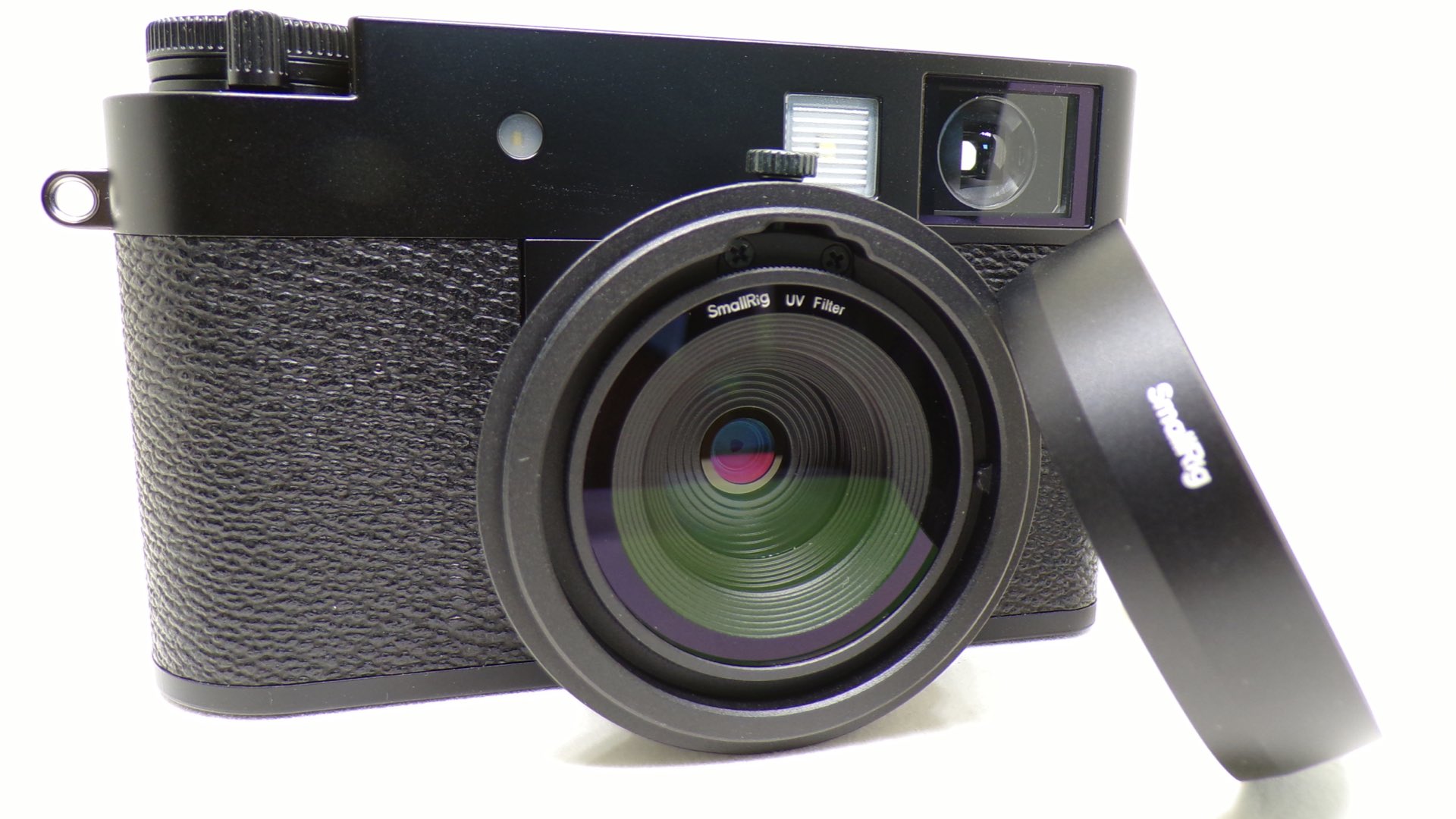
The trick is that the Shading Hood is actually a two-piece accessory. Using a firm twisting grasp, the clamp portion of the hood can be unthreaded from its front element. This enables the filter to be dropped into the clamp portion of the hood followed by the reattachment of the threaded front element. There is a special notch alignment between the clamp portion and the Variable ND Filter along with a visible scale that enables you to easily determine the density strength of the filter while it is used inside the hood.
The Perfect Power Up
Grabbing an extra battery for your X half is a great way to ensure that you have enough power to operate the camera for extended periods of time away from home. There is a real virtue to using the SmallRig NP-W126S USB-C Rechargeable Camera Battery for the X half instead of the Fujifilm-branded version, however. The SmallRig battery can be charged outside of the camera through its built-in USB-C input port. This is a great convenience in lieu of using the standard in-camera battery charging method used by the Fujifilm batteries. In fact, a power user tip is to purchase two of the SmallRig batteries for enabling quick recharging outside of the camera and leaving the standard Fujifilm battery in the box.
Making a Case for Travel
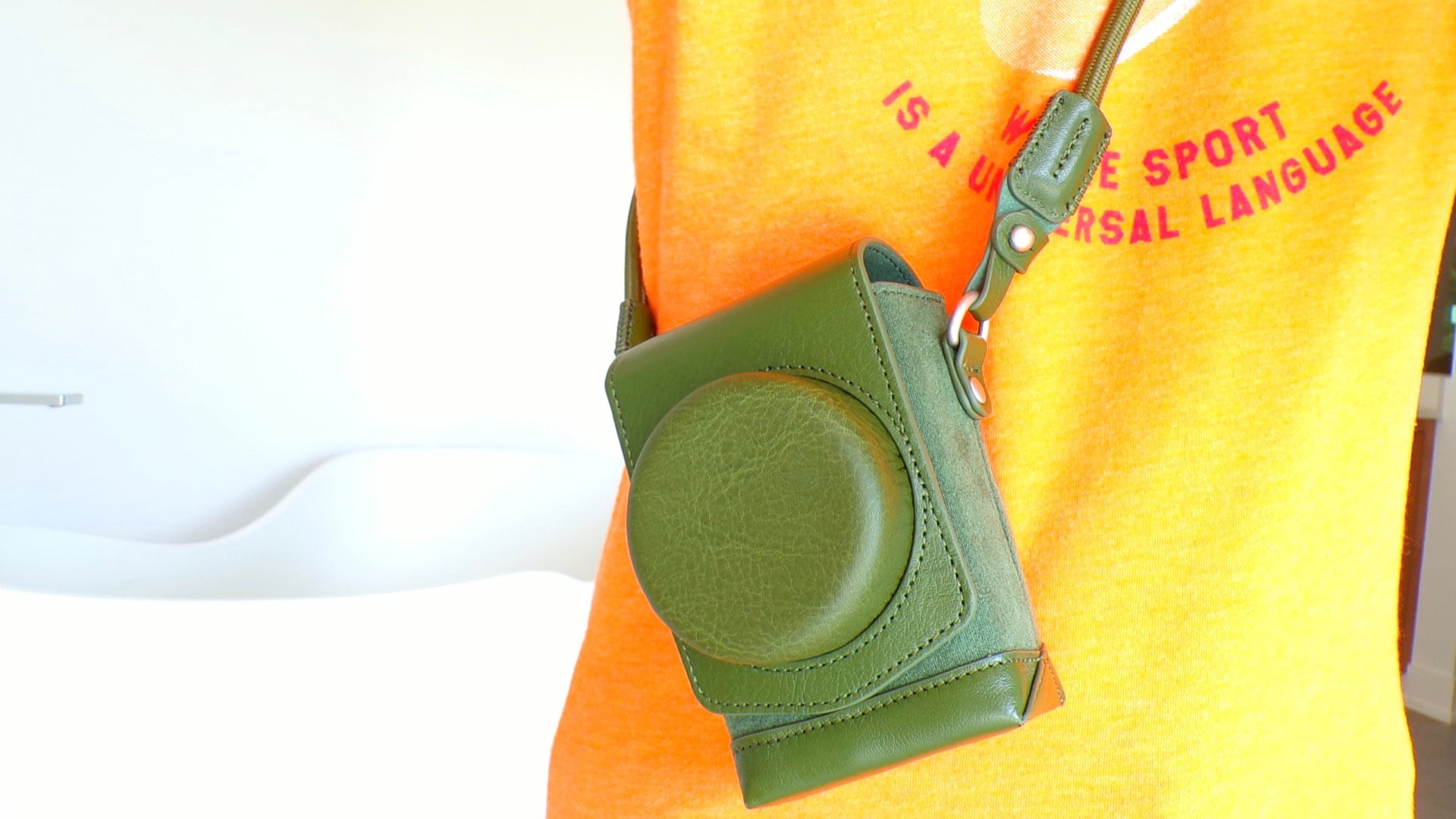
Finally, shielding your X half from the elements is easy with the SmallRig Camera Leather Case Kit. In addition to the expected slip-on cover/bag and shoulder strap, this kit includes a leather half case and grip. Any or all of these parts can be used together with your camera for protecting it during your daily photographic sessions. The bag is particularly stylish for conveniently holding the X half at the ready for rapid removal, while the flip-up front cover is securely held in place with invisible magnetic closers.
Enjoy.
See more from DIYPhotography.net on Google
Add DIYPhotography.net as a trusted source. This makes
our stories more likely to appear in your Google Search results.
 Add as a preferred source on Google

David Prochnow
Our resident “how-to” project editor, David Prochnow, lives on the Gulf Coast of the United States in Ocean Springs, Mississippi. He brings his expertise at making our photography projects accessible to everyone, from a lengthy stint acting as the Contributing How-To Editor with Popular Science magazine. While you don’t have to actually build each of his projects, reading about these adventures will contribute to your continued overall appreciation of do-it-yourself photography. A collection of David’s best Popular Science projects can be found in the book, “The Big Book of Hacks,” Edited by Doug Cantor.



Join the Discussion
DIYP Comment Policy
Be nice, be on-topic, no personal information or flames.