





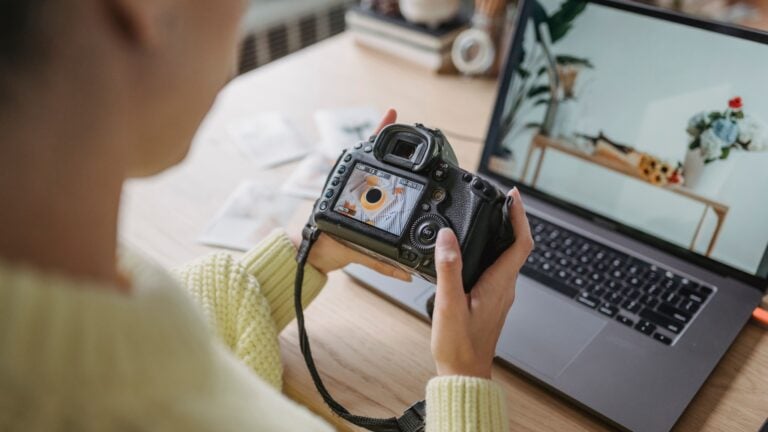














Fujifilm Cameras Are Getting More Expensive Due to Tariffs
Aug 22, 2025
Anzalna Siddiqui
A psychology major in her third year of Bachelor’s, Anzalna Siddiqui has endless curiosity for the human mind and a deep love for storytelling – both through words and visuals. Though she hasn’t taken up photography as a profession, her Instagram is where her passion finds its home. In addition to this, she’s a travel enthusiast who never travels without her camera because every place has a story waiting to be captured.
Share:
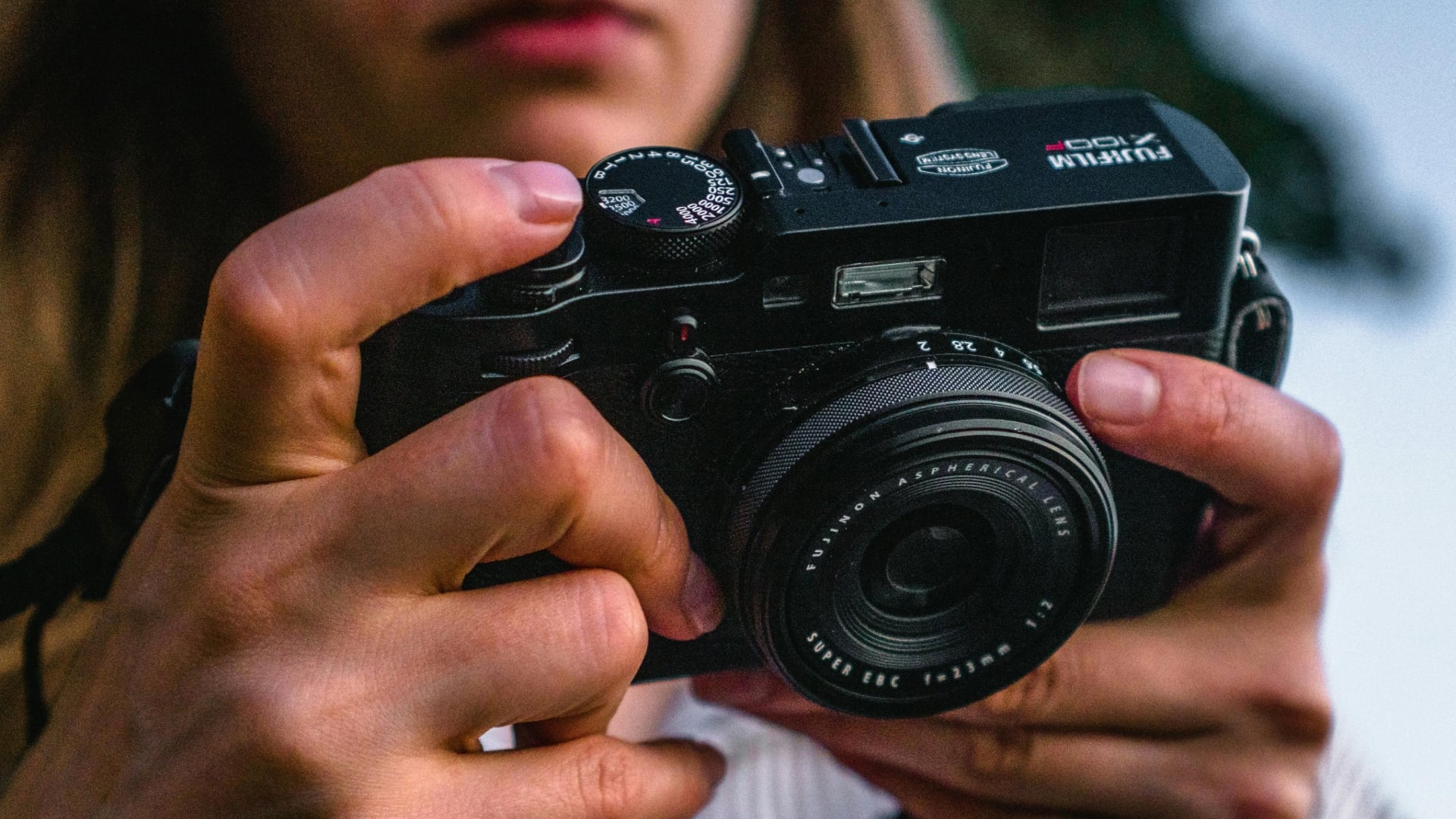
Fujifilm has announced that prices for US customers will increase again, and it’s happening soon. If you’ve been thinking about getting a new Fujifilm camera or lens, it might be a good idea to buy it now.
Two weeks after increasing some cameras’ prices by up to $800, the company informed DPReview that they will be “further adjusting prices” due to “volatile market conditions.” We know that this means the recent tariffs, which add a 15% charge on imports from Japan, will affect our wallets.
Fujifilm is still catching up with price changes, which is disappointing. Other major camera and lens manufacturers have already adjusted their prices, and now it seems it’s Fujifilm’s turn to follow suit.
What Does This Mean For You?
New price changes will take effect starting August 30. Although Fujifilm hasn’t provided a specific list of affected cameras, it seems that most of its camera and lens models in the U.S. will see price increases. It is expected that these hikes could be between 10% and 15%.
On the bright side, Fujifilm has announced that the recently launched X-H2 and X-E5, which are priced at $850 and $1,699, won’t be impacted by these changes. If you’ve been saving for one of these models, that’s good news. It seems like Fujifilm is making a smart move to keep interest in their latest products while raising prices on older items.
[Related Reading: U.S. and China Slash Tariffs in Temporary Trade War Truce]
Fujifilm’s Take on the Situation
Fujifilm told DPReview they are doing their best to collaborate with retailers and customers to get through these challenging times. They also mentioned to PetaPixel that the ongoing changes and market instability are behind the recent price increases. This seems a bit unclear. Tariffs are a big part of the problem.
Most camera and lens makers are located in Japan and China. The US tariffs affect these countries, and we feel the impact here. It can be frustrating to save up for new equipment, only to see the prices increase just before you’re ready to buy.
Personally, I’m struggling to see any benefits from these tariffs for us photographers. It seems we’re just dealing with the adverse effects of some major political decisions, and why? Prices are rising, our equipment is becoming harder to afford, and it feels like big companies pass the extra costs onto us.
To me, these tariffs don’t seem aimed at creating fairness. They’re just causing problems for consumers and small businesses. We all want to make great art and share stories, but now it feels like we’re being penalized for a global trade situation that we can’t control. That’s what’s so frustrating. It’s not about which brand you prefer or how good a camera is; it’s about being able to buy the tools you need. Right now, that ability seems to be getting smaller.
[via nofilmschool; Image credits: Pexels]
See more from DIYPhotography.net on Google
Add DIYPhotography.net as a trusted source. This makes
our stories more likely to appear in your Google Search results.
 Add as a preferred source on Google

Anzalna Siddiqui
A psychology major in her third year of Bachelor’s, Anzalna Siddiqui has endless curiosity for the human mind and a deep love for storytelling – both through words and visuals. Though she hasn’t taken up photography as a profession, her Instagram is where her passion finds its home. In addition to this, she’s a travel enthusiast who never travels without her camera because every place has a story waiting to be captured.


Join the Discussion
DIYP Comment Policy
Be nice, be on-topic, no personal information or flames.