





















Tutorials

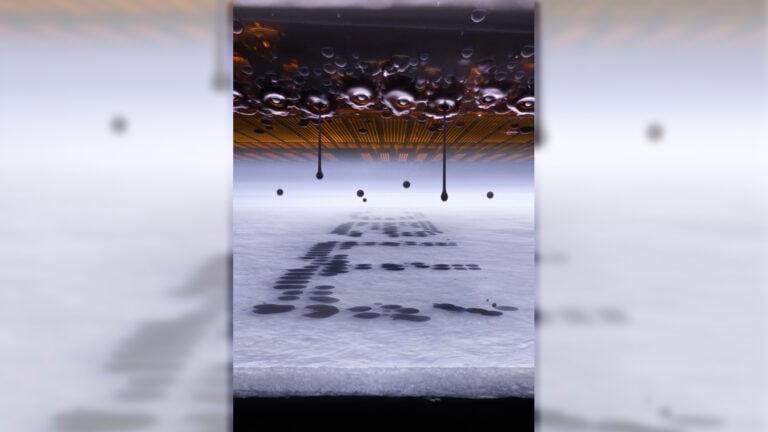
Introduction To Studio Strobes Hypersync And Water Actions Sports
Apr 23, 2013
Udi Tirosh
Hypersync is a mechanism that allows shooting at a high shutter speed while still using a strobe. Photographer Chris Garrison, who shoots for Red Bull…
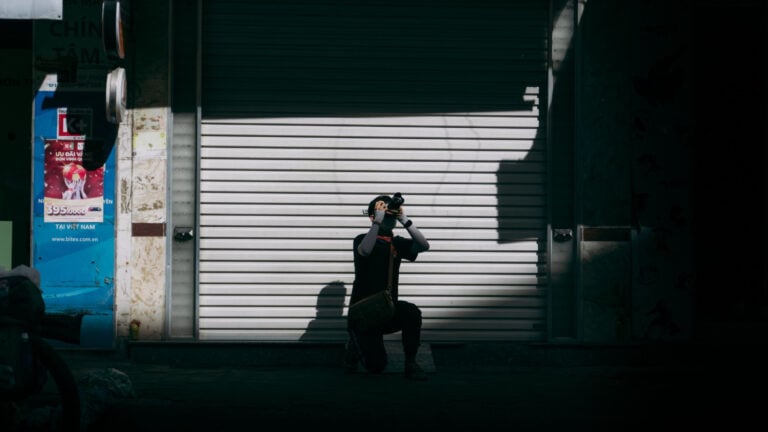
A Great Lecture About Photography and The Copyright Law
Apr 5, 2013
Udi Tirosh
There are a lot of misconceptions about photography and copyright. Some of the more common questions (and wrong answers – at least on the net)…

LED Flashlight Photography: How To Make An “Ice Light”
Apr 3, 2013
Udi Tirosh
LED technology is currently developing at a rapid rate and in this article we look at how you can utilize the latest LED technology to…

Phottix’s Multi Boom Flash Bracket Removes The Pain For Umbrella Softbox Users
Mar 29, 2013
Udi Tirosh
A while back we made a little rant towards Westcott’s Apollo. We were upset that using the Apollo (one of my favorite lighting modifiers) as…
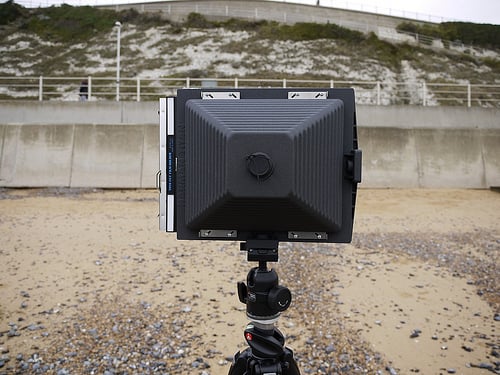
The Ilford Harman Titan Is An f288 Beast
Mar 27, 2013
Udi Tirosh
So, if the exposure is right at f/8 and 1/250th of a second? What would the time value be at f/288? While this is not…

The Open Source Portrait – Equipment & Environment (Part 1)
Mar 21, 2013
Udi Tirosh
As promised, I thought it might be fun/helpful to walk through a portrait shooting session from start to finish using only Free/Open Source Software (F/OSS)….

Having Trouble Finding Bulbs? This Is Why
Mar 21, 2013
Udi Tirosh
Have you tried dong any project that requires 100W incandescent bulbs lately? Light a set maybe? or build a huge ring light perhaps? If you…
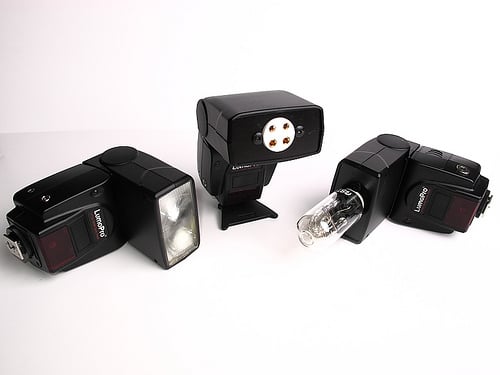
How To Really Void The Warranty On An LP160 Strobe (Extreme Bare Bulb Mod)
Mar 18, 2013
Udi Tirosh
A while back I shared a post about three ways to skin a cat to bare bulb a strobe, one of which was Ryan Mangondaya’s…

Light Painting And EL Wire Secrets Revealed
Mar 17, 2013
Udi Tirosh
Electroluminescent wire (EL wire for short) has been used by light painting artists for several years. It’s most common use is creating a glowing smoky…
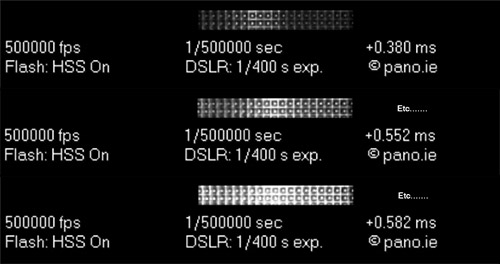
This Is Your Flash, This Is Your Flash On HSS (Strobes At 500,000 FPS)
Mar 17, 2013
Udi Tirosh
DIYP reader Florian Knorn just sent in this really rare footage of a Sony HVL-F58AM Flash gun shot with a super fast 500,000 frames per…