






















Antique Photo Retouching: The Original Way to Edit Photos Without Photoshop
Oct 20, 2025
Anzalna Siddiqui
A psychology major in her third year of Bachelor’s, Anzalna Siddiqui has endless curiosity for the human mind and a deep love for storytelling – both through words and visuals. Though she hasn’t taken up photography as a profession, her Instagram is where her passion finds its home. In addition to this, she’s a travel enthusiast who never travels without her camera because every place has a story waiting to be captured.
Share:
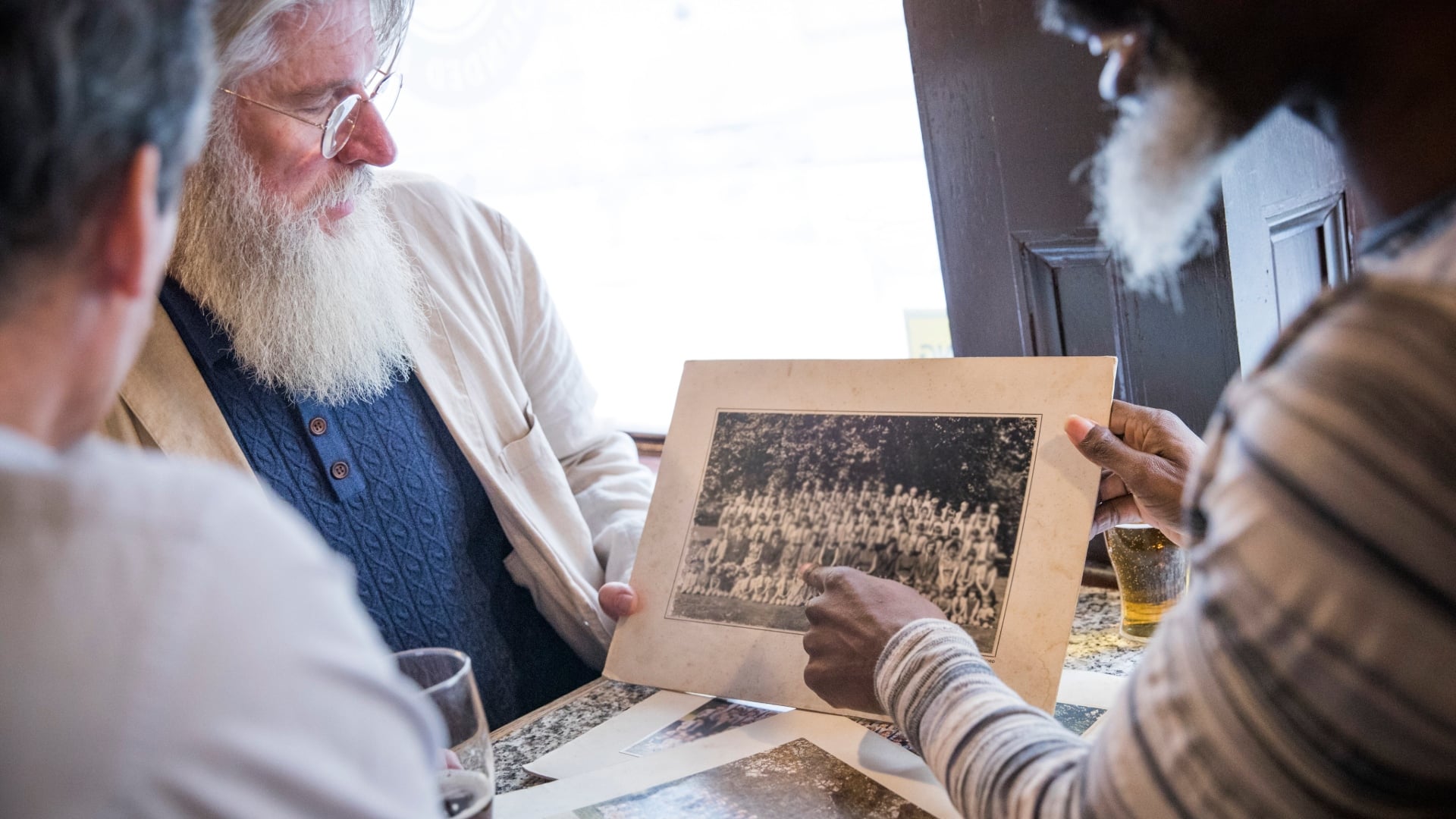
Let’s take a step back in time. If you believe that “retouching” and “Photoshop” are the same thing, there’s an interesting lesson in history. Long before digital technology, photographers relied on traditional methods, including chemistry, tracing paper, and sunlight, to enhance their photographs. In his video, Markus Hofstätter demonstrates a fantastic process: Working Without Photoshop – An Antique Photo Retouching Desk. You might be surprised by the level of effort it took to smooth out a wrinkle or eliminate a blemish back in those days.
The world of photography in the past was all about hands-on skills, and if you’re like me, you’ll want to experiment with these vintage tools yourself.
Meet the Antique Retouching Desk: Your Original ‘Photoshop’
The video begins by showcasing a genuine antique photo retouching desk, a charming tool that photographers utilized in the late 1800s and early 1900s. This desk works like an advanced light box and is designed for detailed adjustments. It features various settings, including a bar for adjusting the position of a glass negative up and down, as well as a mirror at the back that helps with light reflection.
Markus highlights a vital idea: there’s a common belief that the past was more genuine and that photographers didn’t edit their photos. This is false. He argues that retouching has always been part of photography. It employed different methods back then, relying on chemicals and physical tools rather than digital technology.
Think of this desk as the best kind of old-school workspace. You can even see a darkroom recipe for dodging and burning, a technique mentioned in relation to a famous photo of James Dean. This detail highlights that the desire to enhance or perfect an image is a fundamental human trait that has existed since the beginning.
[Related Reading: The iconic photo “Migrant Mother” was “Photoshopped”]
Hands-On with the ‘Analog’ Retouching Process
Now comes the fun part: using the desk. Markus shares that he’s trying out the Vintage Retouching Tools for the first time on a portrait of Emily from his Emily Portraits of Hope series.
He quickly points out that the adjustable mirror is essential for seeing the negative clearly. You have to position the light just right to identify any flaws. In this case, some marks on the negative resemble developer burns.
To avoid damaging the original negative, Markus opts for tracing paper. This is a smart move. He applies a small drop of removable gum to each corner of the paper to hold it in place on the glass plate. After trimming the corners, he creates a surface for editing. It’s similar to layering on a digital file, but with paper and glue.
The video shows the hands-on process of antique photo retouching the negative. Imagine using a fine pencil or brush instead of digital tools. It’s precise and methodical, making you appreciate the ease of quick edits in Lightroom.
Turning Magic into Print: The Salt Print Recipe
The retouching is complete, but there’s still work to do. Now, you need to create a print. Markus gets started on making a salt print to transfer the retouched negative to paper. This is where the fun with old-school chemistry really kicks in.
First, you need to make the salt solution. Start by soaking the gelatin in water, then heat it until it dissolves. After that, mix in ammonium chloride with the melted gelatin. Meanwhile, prepare the paper — Honeymoon Platinum Rag — by sticking it to a glass plate using removable tape. It must feel great to be involved in every step of creating the final image.
Getting Technical with Silver and Safety
Once the paper is ready, the next task is to apply the salt solution. Markus uses a pencil to outline a glass plate of the exact dimensions and then carefully spreads the salt solution over the paper. While the paper dries, he begins making the silver solution. This involves mixing silver nitrate with distilled water.
Markus emphasizes the importance of safety when handling these chemicals, stressing the need to wear safety goggles and gloves. This isn’t something to take lightly. I think this really shows the difference between working with physical materials and digital tools: you can’t accidentally harm yourself in Photoshop.
After the silver nitrate is thoroughly mixed, he prepares a fresh fixer and applies the new silver solution to the salted paper. Now, you have a piece of paper that is ready to be exposed. It’s a combination of salt and silver, just waiting for sunlight to work its magic.
Let the Sun Do the Editing: Exposure and Toning
To make things quicker, Markus uses a blow dryer to dry the silver-coated paper fast. Once the paper is ready, you place the glass plate with the edited tracing paper into a copy frame, then lay the coated paper on top. Next, you take the frame outside to expose it to light.
This step is really fascinating. Markus mentions that you can check the exposure during the process, which isn’t possible in a darkroom. He looks at his print and finds it looks good, but needs more exposure time. He shows how the sun affects the silver nitrate by comparing it to a second, untreated plate of Daria.
According to Markus, checking the exposure is the most thrilling part because it shows how the wet plate collodion negative will turn out. Once the print is complete, it undergoes its first wash before being processed through the gold toning process. While the print washes, he prepares the gold toner, mentioning that he’ll finish Daria’s print and send it for its first wash, as the Emily print is already in the gold toner.
Is Antique Photo Retouching Worth the Effort?
Markus is truthful and admits that the retouching could be improved, but he feels proud of his first effort. He shows the print of Daria, which is softer because no headrest was used. The detail is impressive.
This isn’t just a print. It represents hard work, time, and chemistry. The dynamic range of the collodion negative really enhances the printing process.
Using these vintage tools seems to focus more on intention than speed. When you invest time in preparing the negative, mixing chemicals, and depending on sunlight, you create a stronger bond with your photograph. It’s definitely more challenging than working digitally. Still, the magic of bringing an image to life with just sunlight and chemicals is something you can’t replicate with a simple ‘Save As.’
Make sure to watch Markus’s process in the video below, and you can read more about it on his blog.
[Old School Magic: How to Edit without Photoshop Using Vintage Tools I Markus Hofstätter; Image credits: Envato]
See more from DIYPhotography.net on Google
Add DIYPhotography.net as a trusted source. This makes
our stories more likely to appear in your Google Search results.
 Add as a preferred source on Google

Anzalna Siddiqui
A psychology major in her third year of Bachelor’s, Anzalna Siddiqui has endless curiosity for the human mind and a deep love for storytelling – both through words and visuals. Though she hasn’t taken up photography as a profession, her Instagram is where her passion finds its home. In addition to this, she’s a travel enthusiast who never travels without her camera because every place has a story waiting to be captured.
Related Posts
 Can a browser based Photoshop clone compete with Photoshop? I took PHOTOPEA for a high end retouching test
 Retouching Toolkit 3.1 for Photoshop lets you make your own custom Photoshop panels
 Adobe’s New ChatGPT Plugin Lets You Batch-Edit Photos Without Opening Photoshop
 This in-depth Photoshop retouching tutorial covers everything you need to know for fantastic portraits
Join the Discussion
DIYP Comment Policy
Be nice, be on-topic, no personal information or flames.