



















The Best Reason to Buy a Camera Has Nothing to Do With Image Quality
Aug 27, 2026
Alysa Gavilan
Alysa Gavilan has spent years exploring photography through photojournalism and street scenes. She enjoys working with both film and mirrorless cameras, and her fascination with the craft has grown over the decades. Inspired by Vivian Maier, she is drawn to capturing everyday moments that often go unnoticed.
Share:
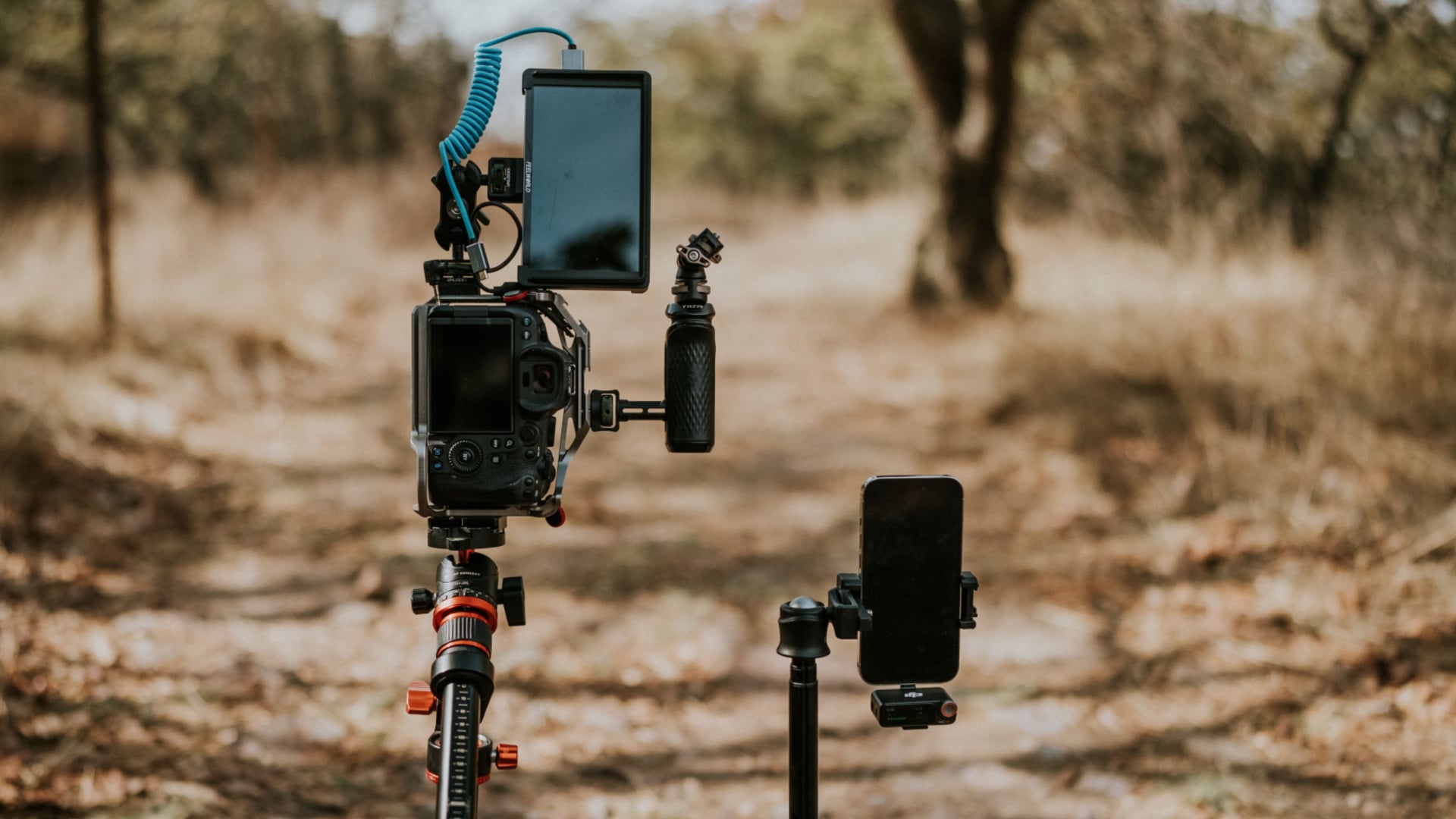
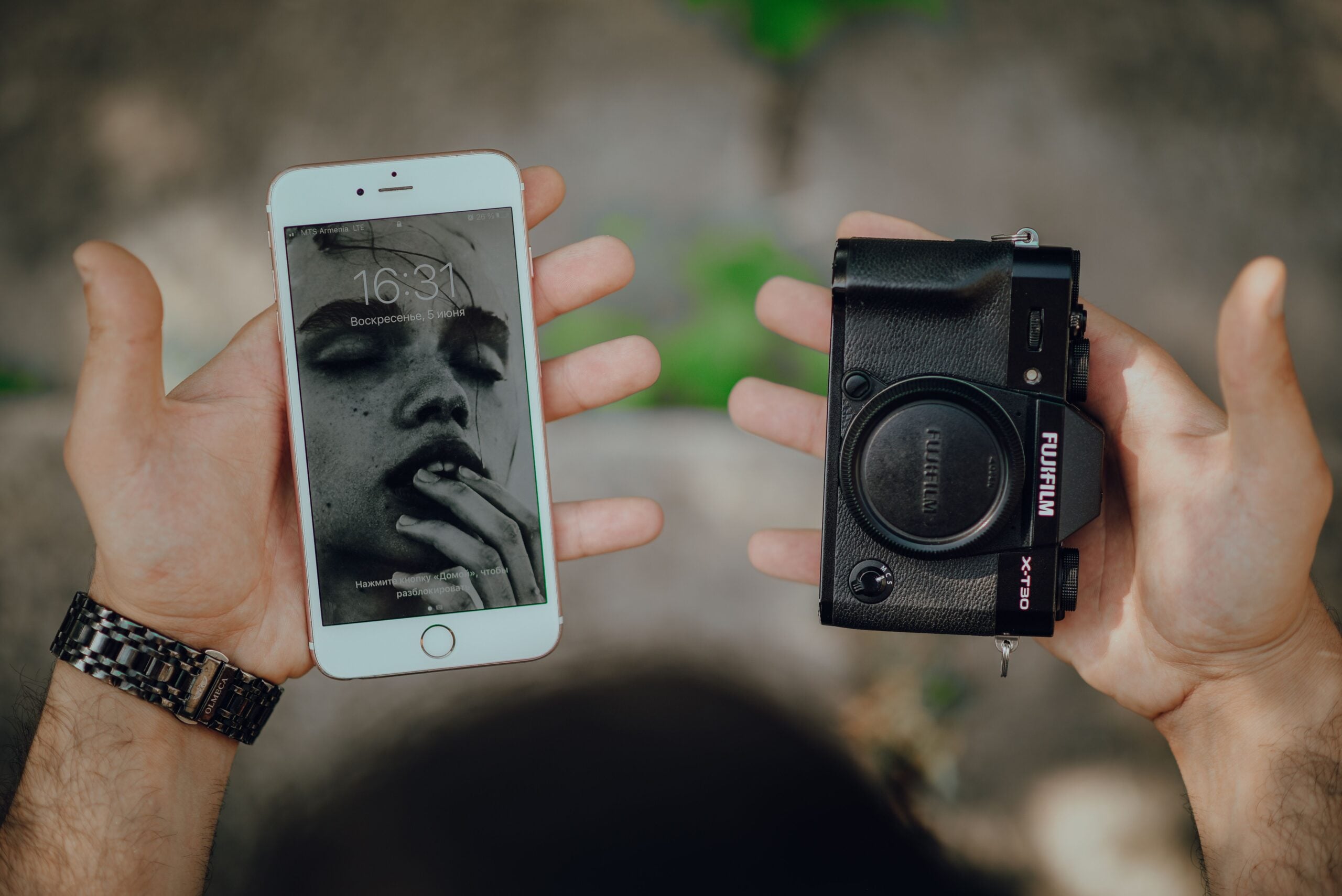
With smartphone cameras now capable of producing remarkably good photos, buying a dedicated camera can seem harder to justify. A phone already fits in your pocket and can handle travel, street photography, portraits, and everyday moments, so what exactly is a camera adding?
Photographer Teo Crawford has a different answer: the biggest advantage of a dedicated camera may not be the photographs it produces, but how much it makes you want to photograph.
In a YouTube video, Crawford argues that enjoying the process of using a camera can encourage photographers to pick it up more often, practice more consistently, and ultimately improve their photography. It is an argument that shifts the usual camera versus smartphone debate away from specifications and toward something less tangible but potentially more important: the experience of taking pictures.
A camera can make you want to shoot more
Crawford’s argument starts with a simple chain. Enjoyment can encourage intrinsic motivation, intrinsic motivation can lead to more activity, and more activity means more opportunities to practice.
In photography, that could mean picking up a camera more often, spending more time looking for interesting subjects, or simply being willing to keep shooting after a series of disappointing photographs.
He is careful not to suggest that everyone needs a dedicated camera. For people who mainly want snapshots of holidays, family gatherings, or everyday moments, a modern smartphone can be more than sufficient.
Crawford also acknowledges that dedicated cameras can introduce their own complications. Having to think about shutter speed, aperture, ISO, focusing modes, lenses, and other settings can sometimes distract from simply making a photograph.
The technical advantages of a camera are real. Larger sensors can provide advantages in low light, while interchangeable lenses offer greater control over focal length and depth of field. RAW files also give photographers more flexibility when editing. But none of these features automatically makes someone a better photographer.
Crawford’s point is that a camera can influence how often someone engages with photography.
The research behind the camera theory
Crawford points to academic research on intrinsic motivation and technology use to support his argument. He cites a 2014 meta analysis by Kerasoli, Nicklin, and Ford that examined more than 200,000 people across approximately four decades of research. The researchers found a positive relationship between intrinsic motivation and performance, with the relationship particularly strong when the quality of the work mattered.
That distinction is important in photography. Taking more photographs does not automatically produce better photographs. Improving requires attention, experimentation, and repeated practice.
He also discusses research examining why people choose and continue using particular technologies. The research distinguishes between how useful a tool is and how enjoyable it is to use, finding that enjoyment can independently influence people’s intention to continue using a technology.
For Crawford, that helps explain why a smartphone’s convenience does not settle the camera versus phone debate. A phone may be the more practical tool, but a dedicated camera can still have value if it makes photography more engaging.
The best camera may be the one you enjoy using
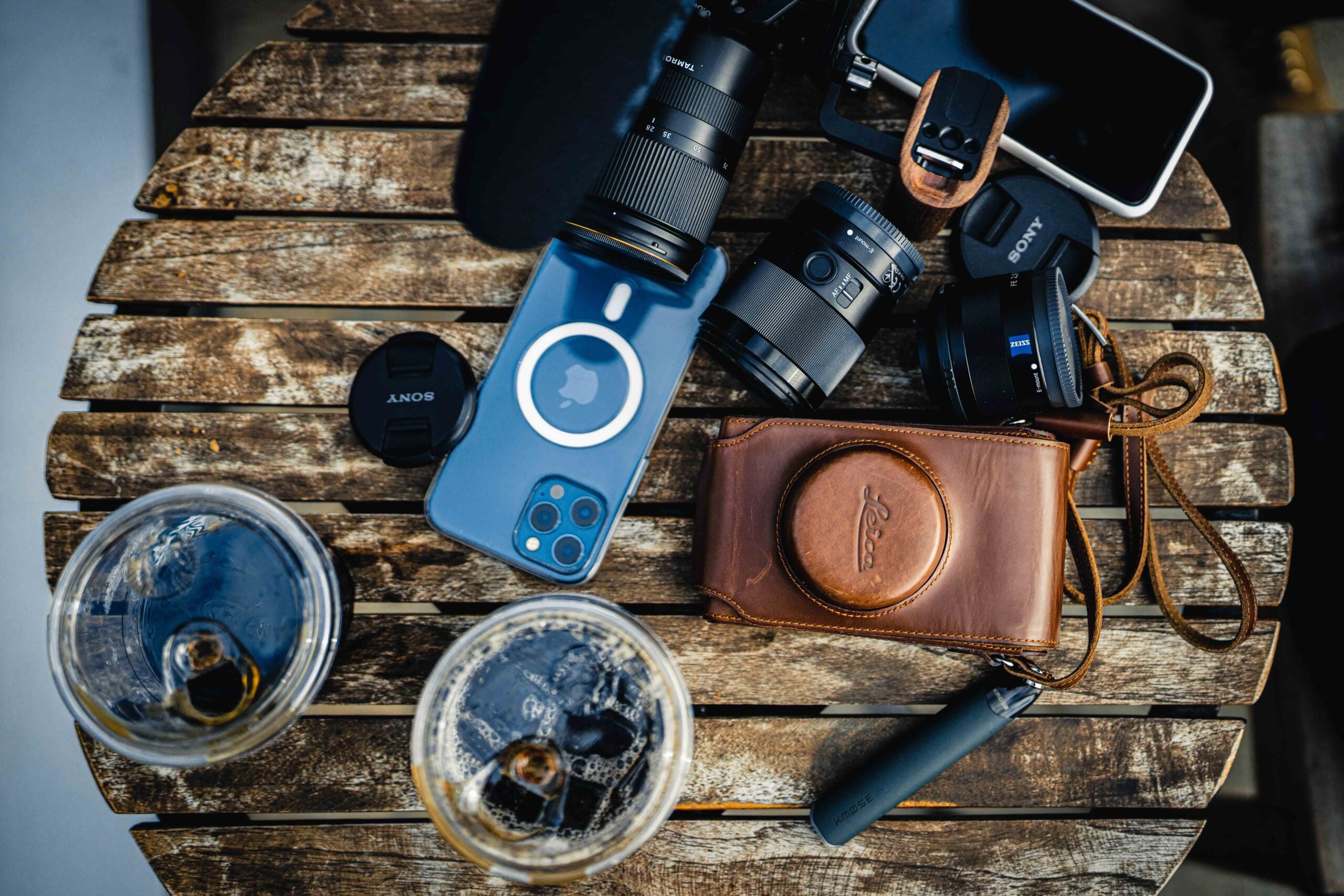
Crawford compares the experience to driving. A basic car can get someone from one place to another, but enjoying the experience can make someone more inclined to drive. He sees dedicated cameras in much the same way. A photographer might enjoy physical controls, the weight of the camera, changing lenses, or composing through a viewfinder rather than a phone screen.
His own preference for film photography follows the same logic. Film is slower and more expensive, but Crawford continues to use it because he enjoys the process. That enjoyment gives him another reason to keep photographing.
The argument is not that buying an expensive camera will suddenly improve someone’s photography. Crawford repeatedly stresses that there are no shortcuts around practice. A camera can only contribute indirectly by making the process enjoyable enough to encourage more of it.
So if you have been wondering why buy a camera when smartphone cameras are already so good, Crawford’s answer is surprisingly simple: the best camera might be the one that makes you want to keep taking pictures.
See more from DIYPhotography.net on Google
Add DIYPhotography.net as a trusted source. This makes
our stories more likely to appear in your Google Search results.
 Add as a preferred source on Google

Alysa Gavilan
Alysa Gavilan has spent years exploring photography through photojournalism and street scenes. She enjoys working with both film and mirrorless cameras, and her fascination with the craft has grown over the decades. Inspired by Vivian Maier, she is drawn to capturing everyday moments that often go unnoticed.
Related Posts
 Panasonic says the reason PDAF took so long was to not compromise image quality
 New Fujifilm X100V could be the reason to buy a fixed lens camera
 Does image quality mean quality images?
 “Specifications have nothing to do with quality” – Insights from a camera tech + the best lens teardown video you ever saw
Join the Discussion
DIYP Comment Policy
Be nice, be on-topic, no personal information or flames.