



















Trump’s New Drone Tariffs Could Send Camera Drone Prices Soaring
Aug 17, 2026
Alysa Gavilan
Alysa Gavilan has spent years exploring photography through photojournalism and street scenes. She enjoys working with both film and mirrorless cameras, and her fascination with the craft has grown over the decades. Inspired by Vivian Maier, she is drawn to capturing everyday moments that often go unnoticed.
Share:
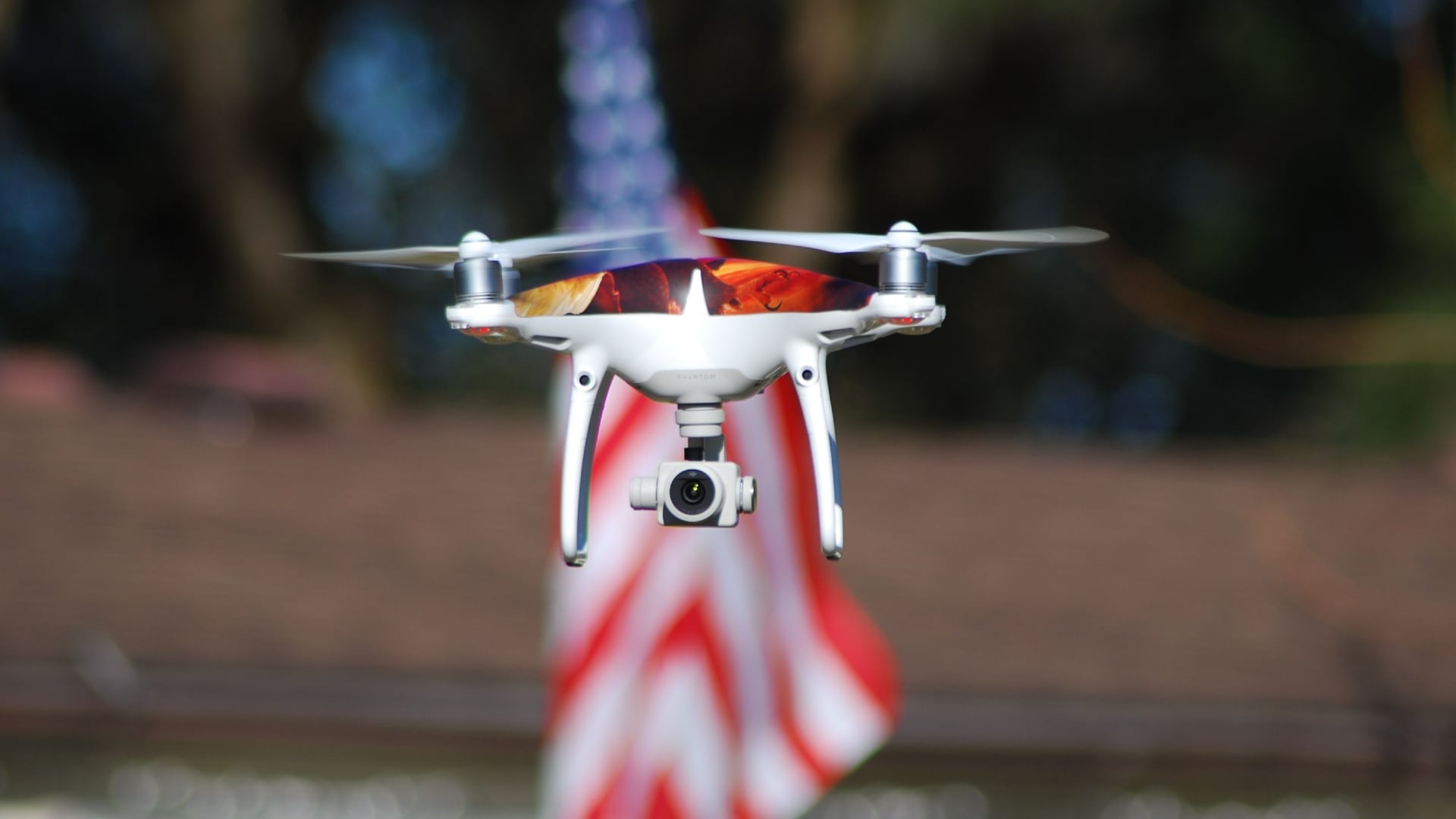
Drone photographers in the US may soon have another obstacle to worry about, and it is not wind, rain, or FAA regulations. According to a report by The Verge, President Donald Trump has announced sweeping new tariffs on imported drones and aircraft components, a move that could raise prices for everything from consumer camera drones to professional aerial filmmaking equipment.
For photographers and filmmakers, the announcement is significant because many of the industry’s most popular drones, including models from DJI, rely heavily on global manufacturing and imported components.
A 25% tariff on most consumer drones
The new presidential action introduces a 25% tariff on most imported drones, including lightweight consumer models such as sub-250g drones that are widely used by travel photographers and content creators.
Larger drones equipped with thermal cameras, along with drones weighing more than 25 kilograms, face an even steeper 100% tariff. The Verge reports that the same 100% rate also applies to many aircraft parts used in larger aerial systems.
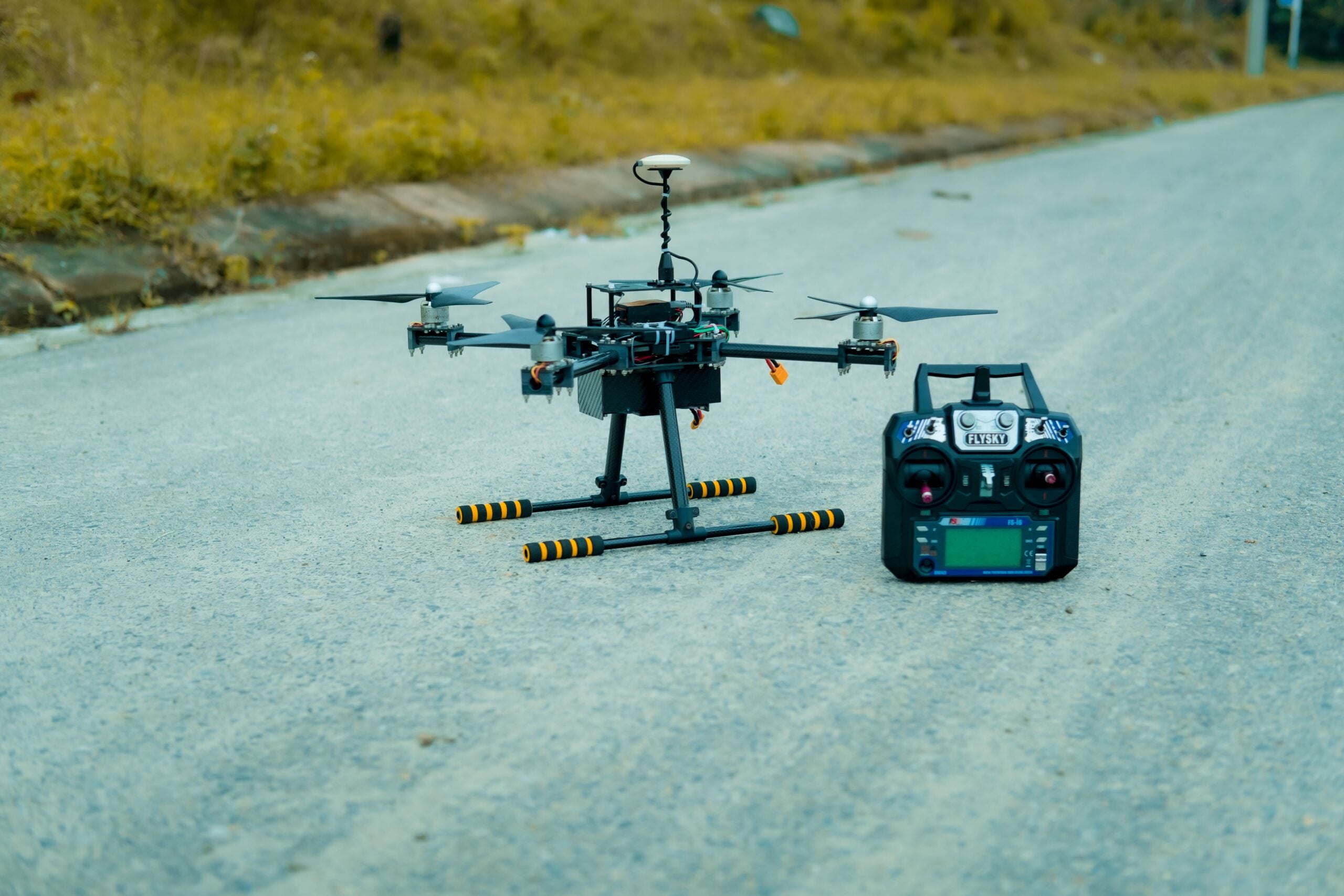
The policy includes one notable exception. Companies that commit to manufacturing certain drones or aircraft components in the United States may qualify for relief from the tariffs, creating an incentive to move production domestically.
The White House says the tariffs are intended to reduce America’s dependence on foreign suppliers for critical drone technology. The proclamation specifically cites imported motors, lithium ion batteries, electronic speed controllers, and docking systems as potential national security vulnerabilities. It also raises concerns about software that could transmit data back to manufacturers located overseas.
At the same time, the administration has directed the Department of Commerce to develop incentives for companies investing in US based drone production, suggesting the tariffs are designed to encourage domestic manufacturing alongside import restrictions.

Why photographers should pay attention
For many creators, drones have become as essential as tripods or wide angle lenses. Compact aerial cameras are now standard tools for landscape photography, weddings, real estate, documentaries, and commercial filmmaking.
A tariff does not automatically mean every drone will become more expensive overnight, but increased import costs often work their way into retail prices. Accessories such as batteries, motors, electronic speed controllers, and replacement parts could also become more expensive because the policy targets components as well as finished products.
That makes repairs and long term ownership more costly for photographers who depend on aerial gear professionally.
Another move in the ongoing pressure against DJI
The tariffs are only the latest chapter in the US government’s increasingly tough stance on foreign drone manufacturers, particularly DJI.
As previously reported, the US has already taken several actions affecting Chinese drone companies. Future foreign drones face tighter restrictions on entering the American market, while lawmakers and regulators have repeatedly raised concerns about data security and foreign manufactured unmanned aircraft systems.

The Verge also notes that the Federal Communications Commission recently proposed rules that could retroactively ban certain so-called military grade drones. Critics argued the definitions were broad enough to affect drones used by farmers, emergency responders, and professional light show operators, not just military equipment.
For aerial photographers, the concern is that consumer imaging drones may continue to be caught in broader national security policies despite being creative tools.
What happens next?
The long term impact remains uncertain. The Verge points out that courts have already challenged several of Trump’s broader tariff policies, including rulings from the US Court of International Trade and the Supreme Court questioning aspects of earlier global tariffs.
For photographers, the practical takeaway is simple: if you’ve been planning to buy a drone or replace aging aerial gear, the pricing landscape in the United States may become much less predictable.
As drone photography continues to grow, creative professionals may find themselves navigating not just changing technology, but changing trade policy as well.
See more from DIYPhotography.net on Google
Add DIYPhotography.net as a trusted source. This makes
our stories more likely to appear in your Google Search results.
 Add as a preferred source on Google

Alysa Gavilan
Alysa Gavilan has spent years exploring photography through photojournalism and street scenes. She enjoys working with both film and mirrorless cameras, and her fascination with the craft has grown over the decades. Inspired by Vivian Maier, she is drawn to capturing everyday moments that often go unnoticed.


Join the Discussion
DIYP Comment Policy
Be nice, be on-topic, no personal information or flames.