













The Biggest Camera Buying Mistake Photographers Keep Making
Aug 18, 2026
Alysa Gavilan
Alysa Gavilan has spent years exploring photography through photojournalism and street scenes. She enjoys working with both film and mirrorless cameras, and her fascination with the craft has grown over the decades. Inspired by Vivian Maier, she is drawn to capturing everyday moments that often go unnoticed.
Share:
Buying a camera should be exciting. Instead, it often turns into three hours of watching YouTube reviews, opening twenty browser tabs, and convincing yourself that your photos will suddenly improve if you spend another thousand dollars.
Photographer Max Kent thinks that mindset is backwards. In a recent YouTube video, he offers one of the simplest pieces of photography advice you’ll hear: choose the camera that fits your life, not someone else’s. It is less about owning the newest gear and more about finding a camera that encourages you to shoot every day.
Here’s why that advice matters more than another spec sheet.
Stop asking “What’s the best camera?”
The internet loves absolute answers. For example, you’ll find articles about what is the best camera for portraits, best camera for travel, best camera under a certain budget. The problem is that photography is deeply personal, and the “best” camera depends on how you actually live.
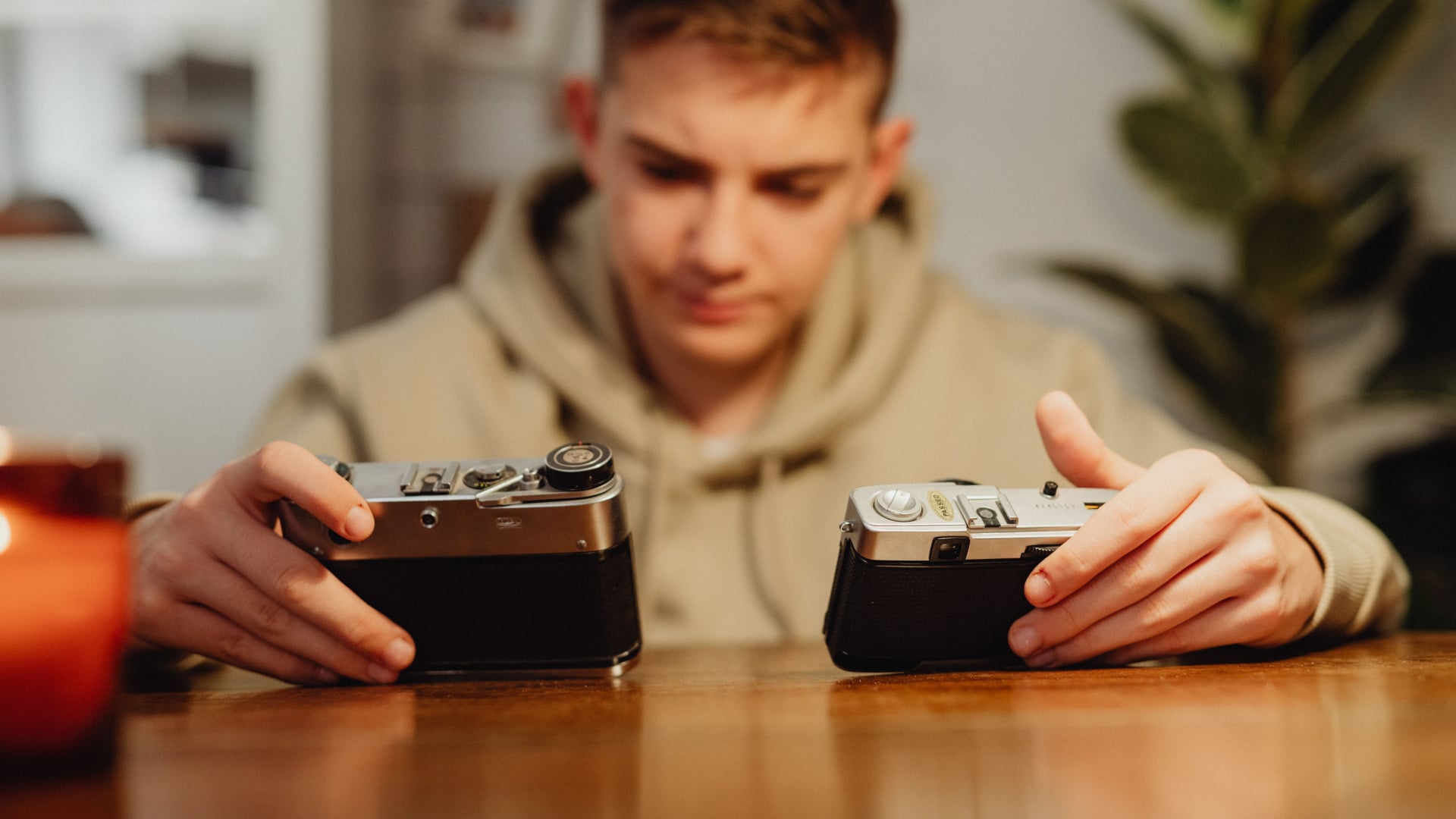
Kent points out that he still uses an older camera that costs a fraction of many modern models. It is not the fastest or the most advanced, but it has the features he needs, accepts good lenses, and is inexpensive enough that he never hesitates to bring it outside.
That last part is surprisingly important. A camera only creates photographs when it leaves the house. If an expensive body makes you nervous about rain, crowded streets, or accidentally bumping it into a doorway, it can become more of a collectible than a creative tool.
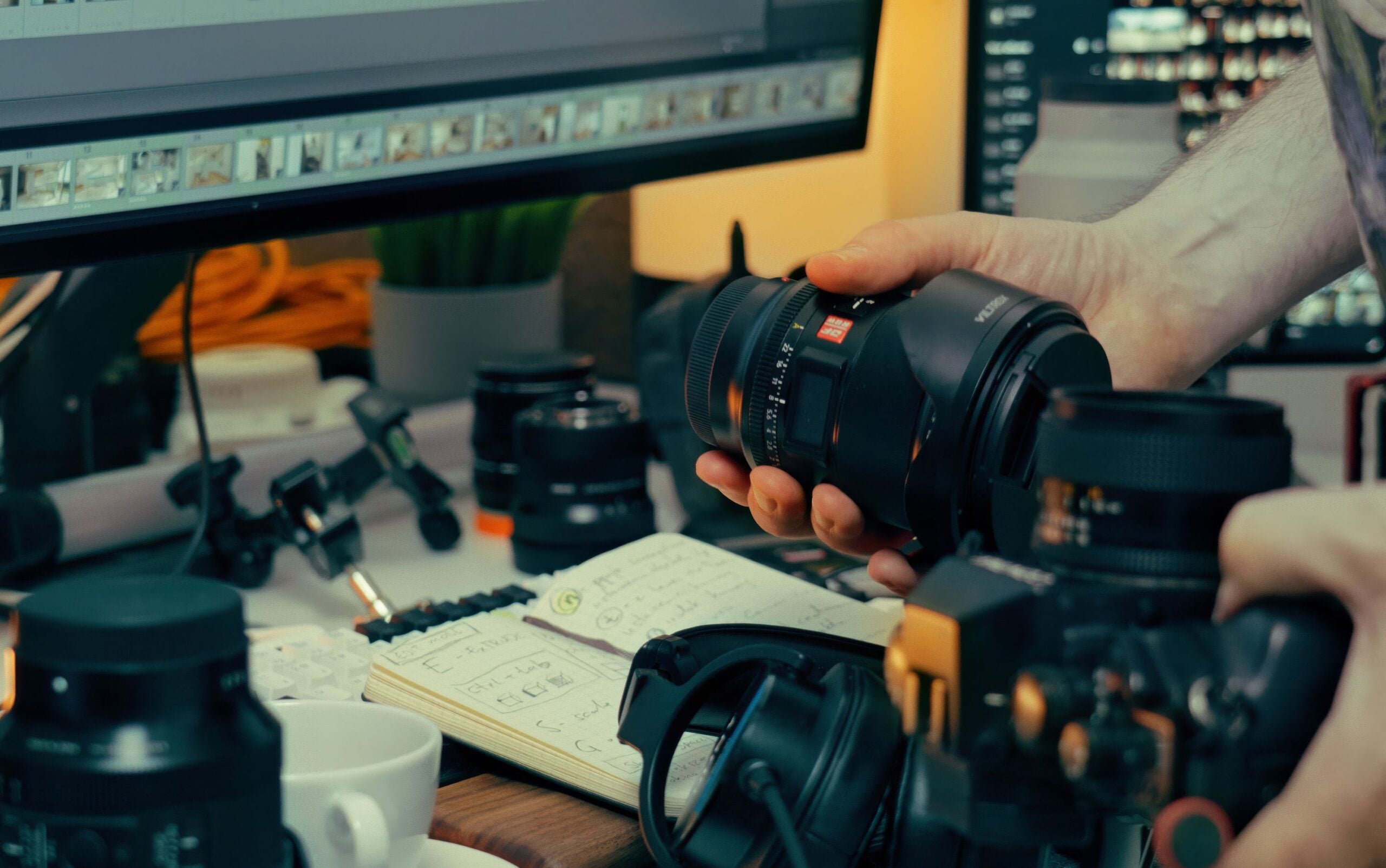
The camera you carry beats the camera you leave behind
Many photographers dream of owning flagship cameras with incredible autofocus and enormous sensors. Those features are impressive, but they do not matter much if the camera spends most of its life in a drawer.
Kent argues that portability and comfort deserve much more attention. A lightweight mirrorless camera, compact APS-C body, or even a fixed lens camera can become a constant companion because it fits naturally into everyday life.
Think about your own routine. Do you commute by train? Walk your dog every morning? Travel frequently? Meet friends after work? The best camera is often the one that slips into your bag without making you think twice. Great photographs usually happen unexpectedly, and being prepared matters more than carrying the largest setup possible.
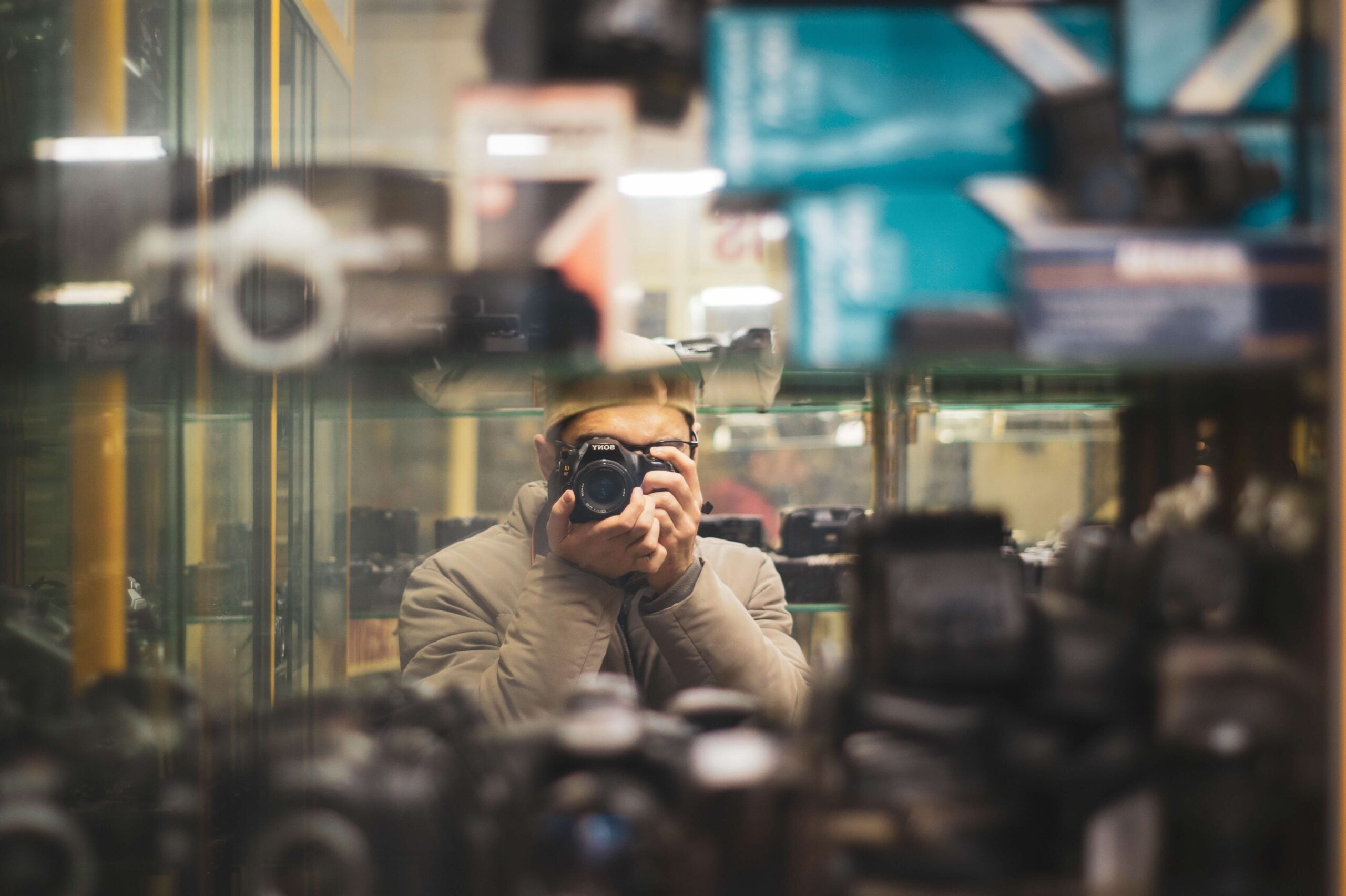
An affordable camera can be a creative advantage
One of the most refreshing parts of Kent’s advice is that he does not treat budget as a limitation. Instead, he suggests it can actually remove creative pressure.
When a camera is reasonably priced, photographers are often more willing to experiment. They will crouch in the mud for a better angle, photograph in light rain, or hand the camera to a friend without worrying about every scratch. That freedom creates opportunities for stronger images.
Many classic photographs were never made with cutting edge equipment. They were made because the photographer showed up, paid attention, and pressed the shutter at the right moment. Gear matters, but confidence matters more.
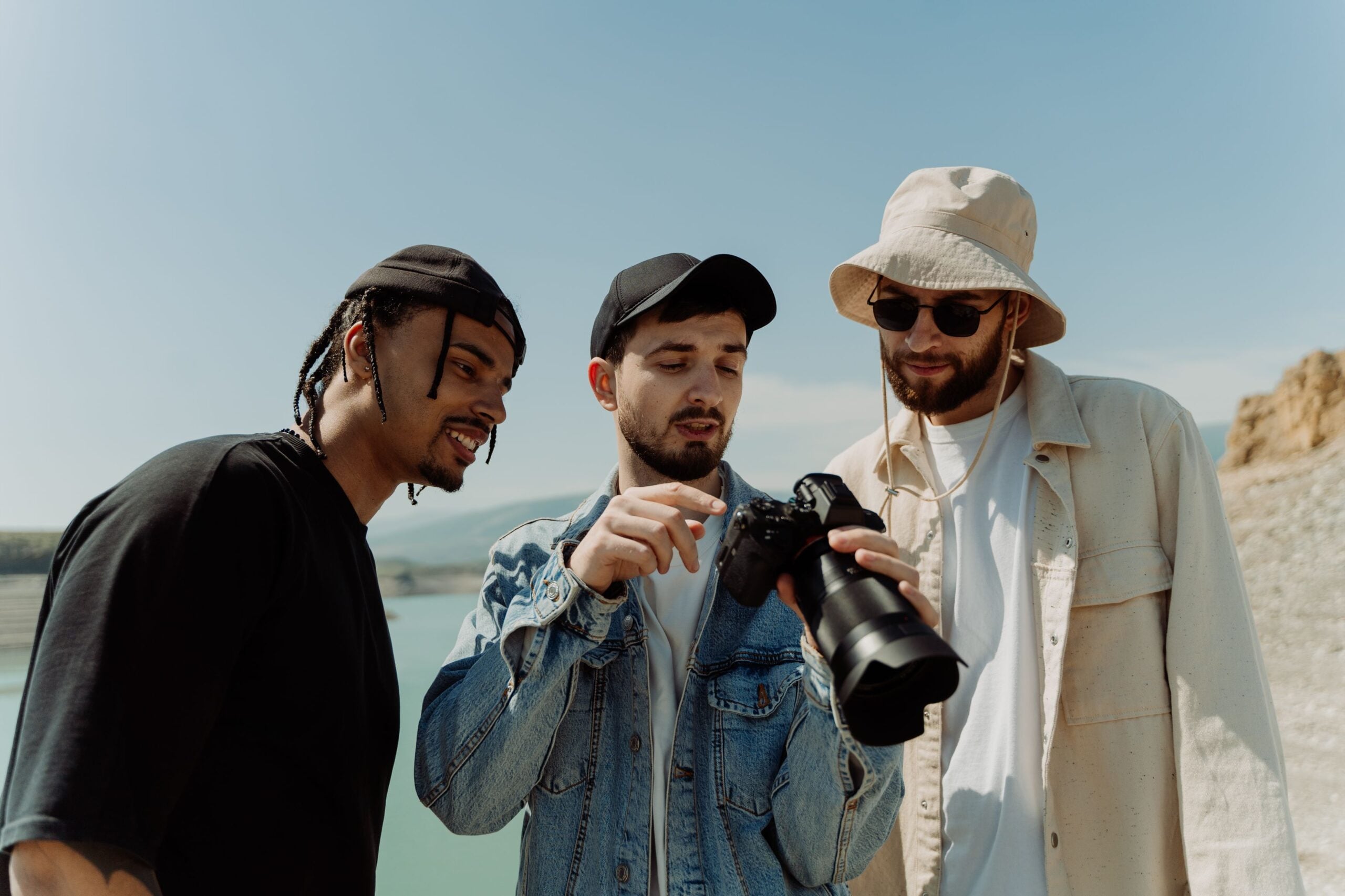
Your camera should disappear while you shoot
The ultimate goal is not to think about the camera at all.
Kent believes that once you find equipment that feels natural, your attention shifts toward light, composition, and storytelling. You stop wondering which menu setting to change and start noticing interesting shadows across a building or a stranger walking into perfect light.
That is where meaningful photography begins. But for sure, there is nothing wrong with admiring beautiful cameras. Photography has always been full of remarkable engineering and exciting new technology. But Max Kent’s advice is a helpful reminder that cameras are tools, not destinations.
If it inspires you to head outside, document your neighborhood, or carry it on every adventure, then it is already doing its job. Because the camera that changes your photography is rarely the most expensive one. It is the one that becomes part of your everyday life.
See more from DIYPhotography.net on Google
Add DIYPhotography.net as a trusted source. This makes
our stories more likely to appear in your Google Search results.
 Add as a preferred source on Google

Alysa Gavilan
Alysa Gavilan has spent years exploring photography through photojournalism and street scenes. She enjoys working with both film and mirrorless cameras, and her fascination with the craft has grown over the decades. Inspired by Vivian Maier, she is drawn to capturing everyday moments that often go unnoticed.


Join the Discussion
DIYP Comment Policy
Be nice, be on-topic, no personal information or flames.