





















The Internet Is No Longer Safe for School Photos
May 12, 2026
Alysa Gavilan
Alysa Gavilan has spent years exploring photography through photojournalism and street scenes. She enjoys working with both film and mirrorless cameras, and her fascination with the craft has grown over the decades. Inspired by Vivian Maier, she is drawn to capturing everyday moments that often go unnoticed.
Share:

School photo galleries used to be the safest corner of the internet. A few smiling class pictures, sports day snapshots, maybe an awards ceremony. Now, according to a report by The Guardian, child safety experts in the UK are warning schools to rethink posting identifiable student photos online because criminals are using those images to create AI generated adult content and extort schools for money.
The warning follows a recent blackmail case involving a UK secondary school. According to the Internet Watch Foundation, criminals reportedly scraped photos of pupils from school websites or social media accounts, manipulated them using AI tools, and then threatened to publish the fake explicit images unless they were paid.
Around 150 manipulated images were reportedly classified as child abuse material under UK law.
The case has pushed UK authorities and online safety groups to issue new guidance for schools. Recommendations include removing face on student images, avoiding names in captions, limiting public access to school social media pages, and reconsidering if student photos need to be posted online at all.
Schools Rethink Sharing Student Images
The guidance was issued through the Early Warning Working Group, which includes organisations such as the UK’s National Crime Agency, the NSPCC, and the Internet Watch Foundation. Schools are being encouraged to use safer alternatives like distant shots, rear facing portraits, or blurred images that reduce the risk of misuse.
The concern is not only reputational damage. Experts say the rise of AI image generation has dramatically lowered the technical barrier for creating convincing fake imagery. A single photo pulled from Facebook, Instagram, or a school website can now be manipulated in seconds using widely available tools.
Jess Phillips, the UK minister for safeguarding and violence against women and girls, described the situation as a “deeply worrying emerging threat,” according to The Guardian.
AI Image Tools Are Growing Fast
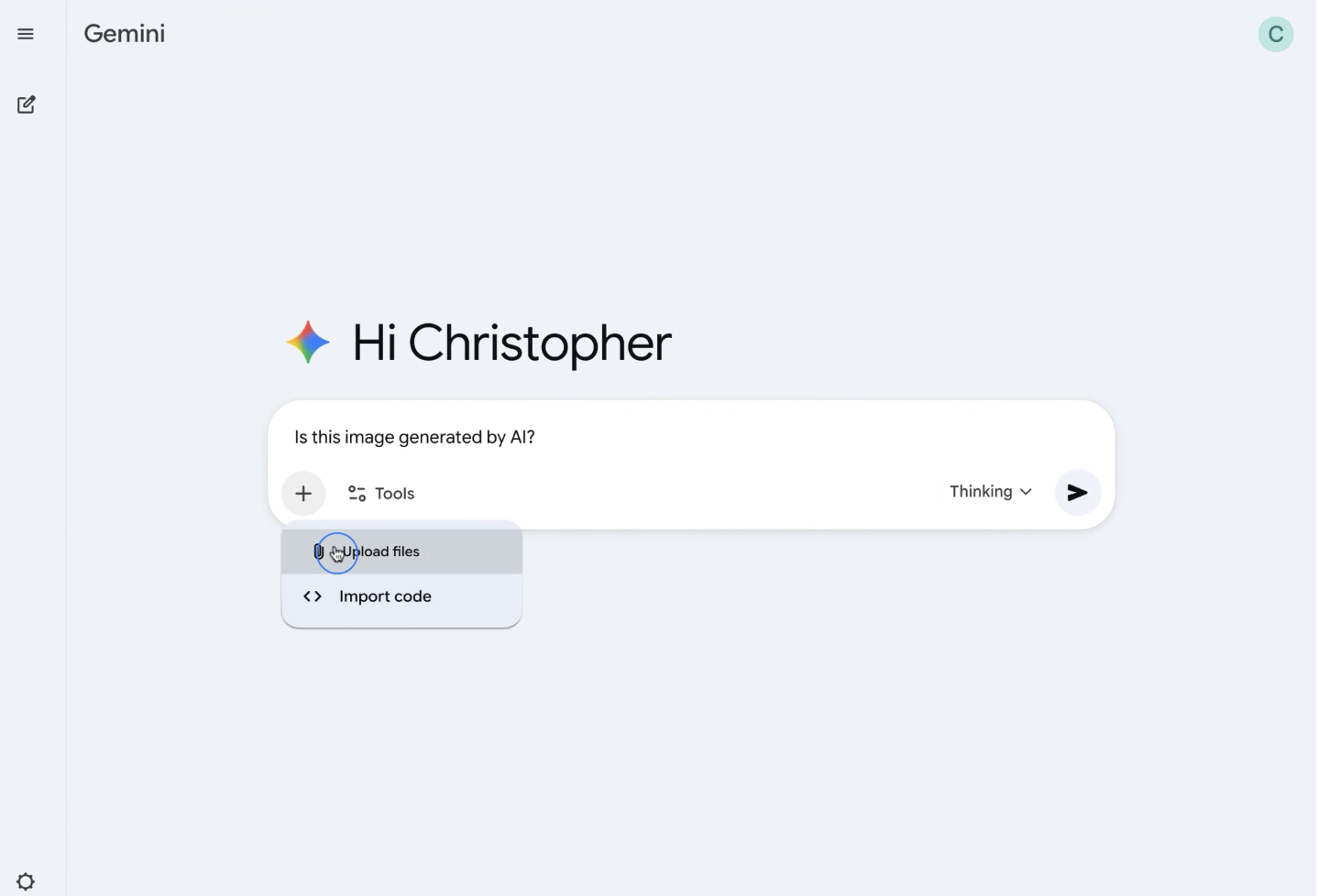
The warning comes at a time when AI image generation is rapidly expanding across consumer apps. A recent report found that image generation tools are now driving millions of app downloads and major revenue spikes for AI companies.
According to Appfigures Intelligence data, ChatGPT gained an estimated 12 million incremental downloads after introducing image generation features, while Google Gemini reportedly added around 22 million.
Visual AI tools are becoming one of the fastest growing areas in mobile apps because they are easy to use, easy to share, and instantly understandable.
Deepfake Abuse Involving Children Is Escalating
UNICEF also already warned about AI generated abuse material involving children. The organization said that generative AI systems are enabling the rapid production of synthetic exploitative imagery using ordinary photos of minors sourced online.
One major concern is that many victims never consented to the original images being used in this way. Family photos, school portraits, and social media posts can all become raw material for manipulated content.
The UK school blackmail case reflects exactly that fear. The original student photos were ordinary images shared publicly by schools. The abuse came later, through AI manipulation and extortion.

A Difficult Balance For Schools
Schools now face a difficult decision. Sharing photos online has long been part of celebrating student life, achievements, and community events. Many schools rely on those images for communication and outreach.
But safety experts increasingly argue that the risks have changed faster than policies have.
The broader issue is that the internet’s old assumptions about harmless public photos no longer fully apply in an era of generative AI.
For parents, educators, and photographers, the uncomfortable question now is how much of everyday life can safely remain public once any image online can potentially become source material for abuse.
See more from DIYPhotography.net on Google
Add DIYPhotography.net as a trusted source. This makes
our stories more likely to appear in your Google Search results.
 Add as a preferred source on Google

Alysa Gavilan
Alysa Gavilan has spent years exploring photography through photojournalism and street scenes. She enjoys working with both film and mirrorless cameras, and her fascination with the craft has grown over the decades. Inspired by Vivian Maier, she is drawn to capturing everyday moments that often go unnoticed.
Related Posts
 Web Photoshop Launches with Adobe Firefly AI: No longer beta and no longer free
 Photographer throws an epic photo shoot for an 8-year-old girl who was denied school photos
 Adobe launches “commercially safe” Firefly Video Model
 Lunt SunLock Red Dot Sun Finder: Safe and Accurate Solar Telescope Alignment
Join the Discussion
DIYP Comment Policy
Be nice, be on-topic, no personal information or flames.