

















How to Create Flow in Photography: Build a Cohesive Photo Series
Nov 23, 2025
Anzalna Siddiqui
A psychology major in her third year of Bachelor’s, Anzalna Siddiqui has endless curiosity for the human mind and a deep love for storytelling – both through words and visuals. Though she hasn’t taken up photography as a profession, her Instagram is where her passion finds its home. In addition to this, she’s a travel enthusiast who never travels without her camera because every place has a story waiting to be captured.
Share:
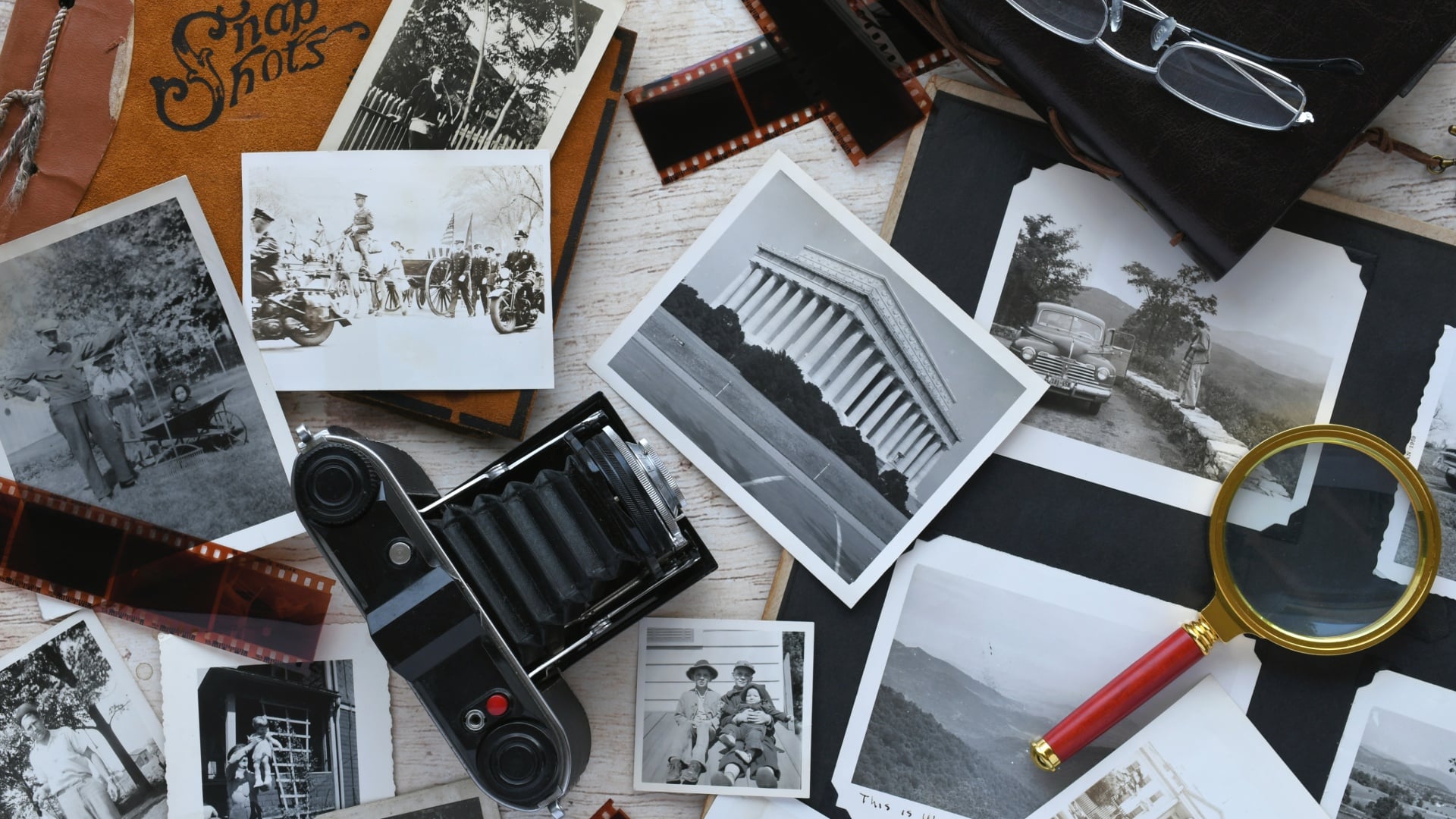
But what if I told you that by only looking for standout shots, you might overlook a special skill that can transform your work from just a bunch of lovely photos into a deeply connected collection? Photographer Anthony Lamb believes the key is something he calls flow in photography.
Anthony explains that flow in photography is about creating a strong connection in your images, much like music. It means aligning the tone, colors, subjects, and composition across several pictures. The aim is to bring individual photos together into one balanced, unified visual story. When you achieve flow, your images communicate as a single voice.
I believe this idea is a revolution. It encourages you to go beyond just perfecting one image and think about the larger, more meaningful story you can tell.
Finding the Rhythm: From Single Shots to Cohesion
You likely already realize that one amazing photograph can have lasting significance. I’m not suggesting you give up on finding that standout shot. Nonetheless, Anthony mentions that it took him around 12 years into his photography journey, around 2016, to really understand the importance of cohesion in his work.
He points out that creating a series with a common visual theme gives viewers a sense of rhythm and coherence. It’s similar to music: each photo is like a note, but together they form a complete piece under the same scale and tempo.
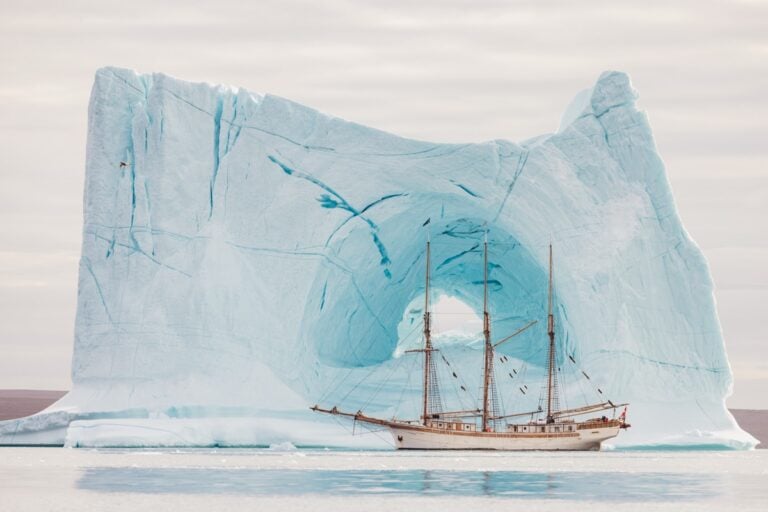
Anthony provides an excellent example from a series he did in the Moldavs, which he feels evokes a peaceful, otherworldly feeling. He achieved this cohesive rhythm by using long exposures, linear subjects, simple compositions, and a soft color palette with turquoise waters. The result is a series where each image enhances the others, creating a visual harmony that surpasses the impact of any single photo on its own. This is the beauty of creating a cohesive collection: the whole truly is greater than its individual parts.
Color is More Than Just Pretty Paint in Your Collection
I’ve likely always used color to describe what I see, from the bright hues of a sunset to the deep blue of the ocean, or the soft greens in the forest. It’s almost like decoration. However, Anthony mentions that there was a time when his work focused mainly on black and white, emphasizing tones and elemental compositions.
He shares a story about his time in the Arabian Desert around 2014, when he took a photo that shifted his viewpoint. He realized that color can tell a story. It isn’t just for aesthetics. It carries meaning. It reflects the mood, the feelings, and the overall vibe of the scene.
As you, perhaps like him, move towards minimalism in your work, you’ll find yourself relying more on color to express those delicate emotions that a more complex composition might have previously conveyed.
Anthony started looking for cloudy or stormy weather in the desert. This type of light softened the colors and decreased the contrast. By using a consistent, gentle color palette, you can create a unified style throughout your entire collection.
However, managing tone in black and white is already tricky. Anthony notes that adding color introduces another layer of saturation, which requires careful balancing in all your images to maintain a harmonious look. While achieving color consistency can be tough, it’s definitely doable with some dedication.
The Essence of Flow: Calm Through Cohesion
Imagine setting up your own art show. On one wall, you display photos from various locations, the UK, the US, deserts, and bustling cities, all jumbled together. You’ve got colorful shots next to black-and-white stills and simple images beside busy street scenes. Even if each photo is excellent on its own, what do you feel when you take a step back? Anthony implies that the collection appears scattered, lacking a unified sense. As a viewer, you experience chaos.
Now, think about the other wall. Here, the photos are carefully chosen. They share similar colors, related themes, and a uniform style. According to Anthony, this collection feels peaceful, inviting, and complete. That sense of connection is what he refers to as flow in photography.
When your images work together visually and emotionally, they begin to function as a cohesive unit. Each photo enhances the others, creating a more substantial overall collection. This harmony brings what Anthony refers to as calm through cohesion, a technique that curators have reportedly used for years to reduce visual clutter and lead viewers to a tranquil or reflective state.
Building Your Narrative from Capture to Print
Anthony advises that you create a sense of unity from the moment you capture your images. This is the point where the thoughtful work begins. You should consider how the quality of light, the colors, and the composition of your current image will fit into the larger story you want to tell. Remember, you’re creating a series, not just taking a single photo.
In Post-Production:
First, refine your key image to enhance the feelings and atmosphere you experienced at the location. Use this polished photo as your reference point, or “North Star,” for the rest of your series. By continually looking back at this main shot, you can keep the lighting, tone, and color consistent throughout your entire collection.
Once you’ve edited a group of photos, review them together as a set. Anthony suggests using the Window > Arrange feature in Photoshop. Seeing all the images side by side allows you to quickly evaluate their cohesion. You can make minor adjustments to any images that don’t quite fit, ensuring your series feels cohesive. In my view, this side-by-side check is a simple trick that can elevate your work from amateur to a professional level.
Structuring Your Experience, Not Just Your Display
The journey doesn’t end when you finish your files. According to Anthony, selecting and showcasing your photos is a crucial step in creating a smooth flow in photography.
When you have a lot of prints, it’s helpful to divide them into smaller, related groups. He mentions a project he did in Brittany that featured subtle human touches. The key is to assemble images that share similar themes and tones.
When hanging your framed photos, consider the colors beyond the frame. You should consider how each picture interacts with the ones beside it. For instance, if you display three photos in a row, He advises that you should ensure the images on the sides draw the viewer’s attention inward. This kind of balance adds depth and keeps the viewer engaged.
Beyond a Collection of Pictures
At its core, flow is about ensuring that each photo you take fits into a larger story.
When you stop viewing your work merely as separate images and start to create these thoughtful collections, you offer your audience something special. You’re not just showing them pictures. You’re guiding them on a journey. You turn your photography from a series of snapshots into a crafted experience.
Personally, I find this idea very liberating. An image that might seem too quiet or straightforward on its own can shine brightly when it’s placed in the proper context. Instead of searching for that one standout photo, focus on creating a complete visual story. Start linking those images together. You might discover that your strongest work isn’t a single photo, but the overall experience you create with them.
[Creating Flow | Cohesion in Photographic Collections I Anthony Lamb; Image credits: Envato]
See more from DIYPhotography.net on Google
Add DIYPhotography.net as a trusted source. This makes
our stories more likely to appear in your Google Search results.
 Add as a preferred source on Google

Anzalna Siddiqui
A psychology major in her third year of Bachelor’s, Anzalna Siddiqui has endless curiosity for the human mind and a deep love for storytelling – both through words and visuals. Though she hasn’t taken up photography as a profession, her Instagram is where her passion finds its home. In addition to this, she’s a travel enthusiast who never travels without her camera because every place has a story waiting to be captured.


Join the Discussion
DIYP Comment Policy
Be nice, be on-topic, no personal information or flames.