


















Candid, Dark, and Bold: The Visual Styles Defining Photography in 2025
Nov 3, 2025
Alysa Gavilan
Alysa Gavilan has spent years exploring photography through photojournalism and street scenes. She enjoys working with both film and mirrorless cameras, and her fascination with the craft has grown over the decades. Inspired by Vivian Maier, she is drawn to capturing everyday moments that often go unnoticed.
Share:

Photography is, by nature, a beautiful mix of ideas. Doing this art is a personal act, a quick decision to save a memory or show a unique view of the world. Looking at a photo can immediately tell you about the look and style of the photographer. But while this field celebrates being unique, it can’t avoid what everyone likes. This means certain photography trends in 2025 will always pop up. It’s vital to keep track of these changes, especially since the internet is full of AI-made content and people’s attention spans are getting shorter.
Photo licensing platform Stills aimed to capture the latest in its Photography in Design Trend Report for 2025, offering an essential guide for creatives. The report clearly shows a big change away from the overly perfect, fake pictures we’ve seen everywhere. By showing you new ways to use raw, less perfect styles, the report helps you find your best advantage, which is taking photos that feel truly human.
Candid Photos Are Trendy
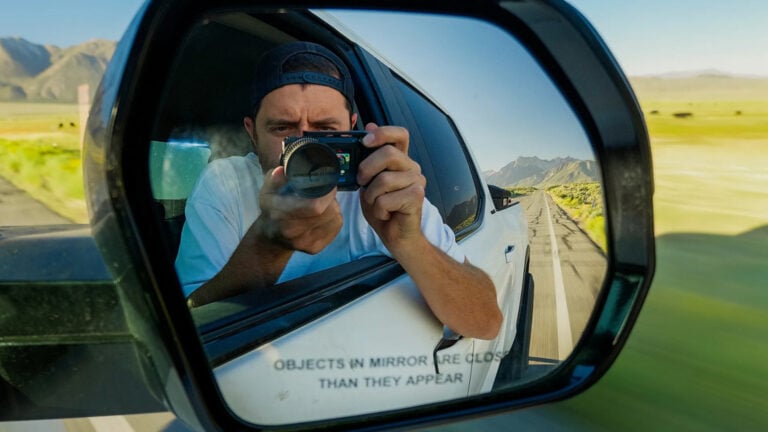
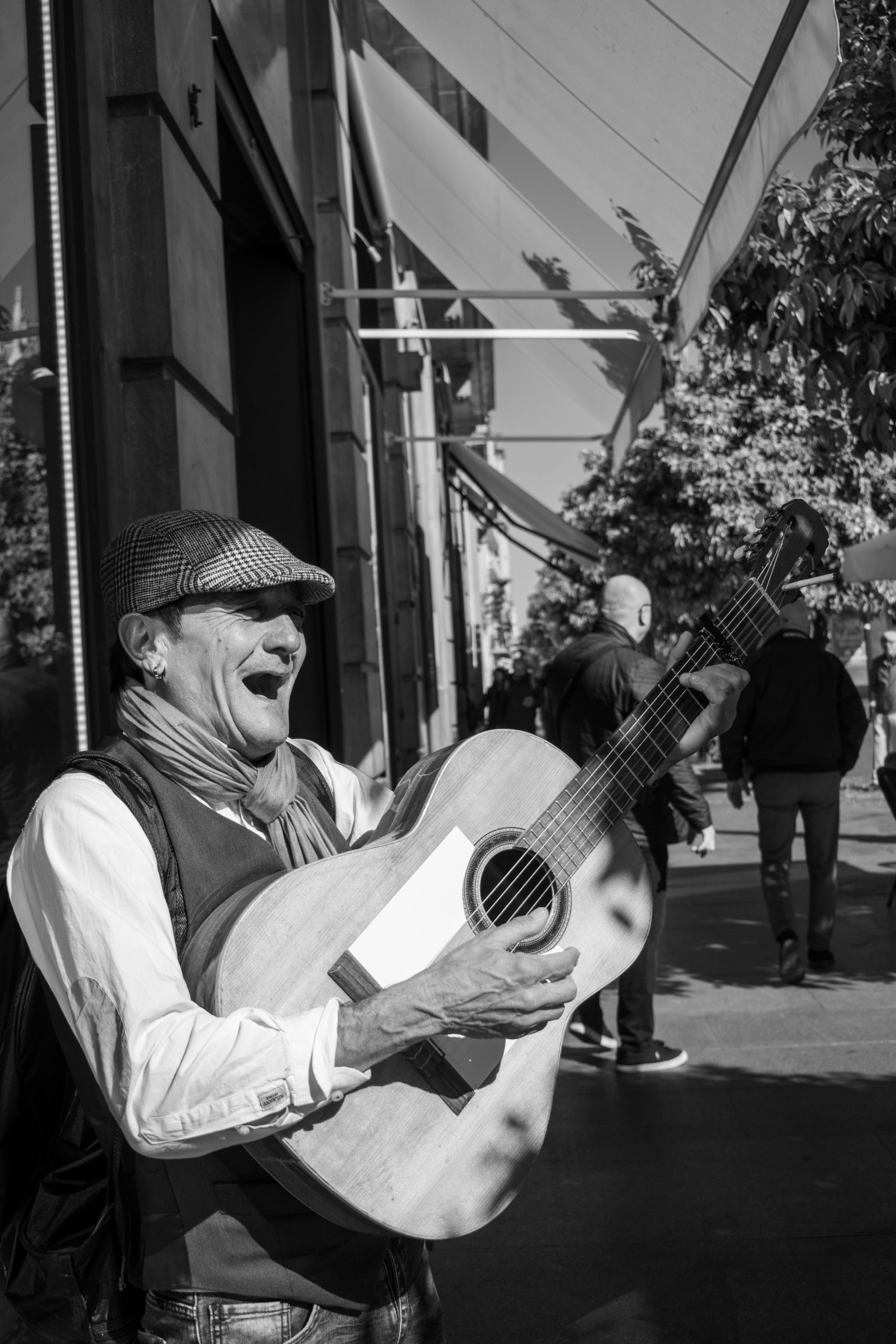
The report strongly shows that candid photography is trendy now. This means that more photographs favor real and unposed moments over staged and fake commercial pictures. This focus on being genuine works against the feeling of disconnect caused by the perfect, edited pictures we see everywhere online. By capturing life as it naturally happens, photographers can make their work feel real, like a saved memory rather than an advertisement.
You should try using photos where the subject hasn’t noticed the camera or is caught in a natural moment, which quickly creates a personal, private feeling. Using candid storytelling makes your photo look honest, which can then build trust with the viewer much better than any polished editing could.

Aim for Abstract or Textural
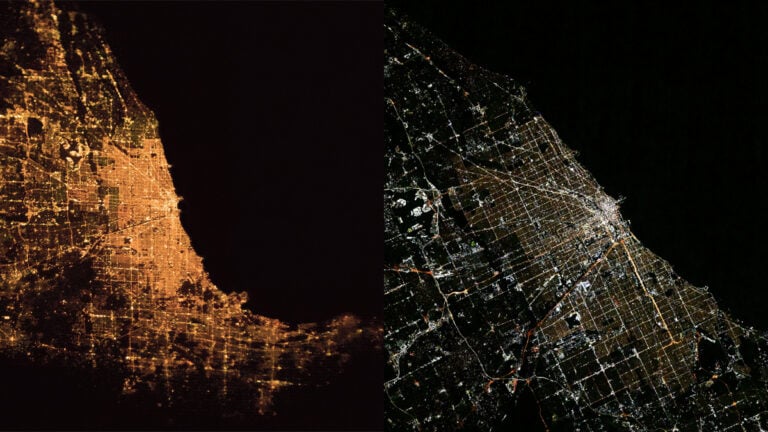
At the same time as promoting real-life shots, the Stills report points out a big trend for abstract and textural photography. This style brings design into the world of touch and feel, focusing on visual interest. These pictures often zoom in on materials, soft light, and unclear shapes that highlight patterns and emotions rather than telling a clear story. This approach gives the viewer a welcome break from the obvious, giving them something unexpected to look at.
Abstract pictures are powerful because they connect with the viewer’s feelings and senses. They ask them to think about what it means instead of just giving them a simple message. You are creating a mood and making the design look more sophisticated when you are adding textural photos in your campaign. This style adds character without making the whole design too busy.
Dark Imagery Is In
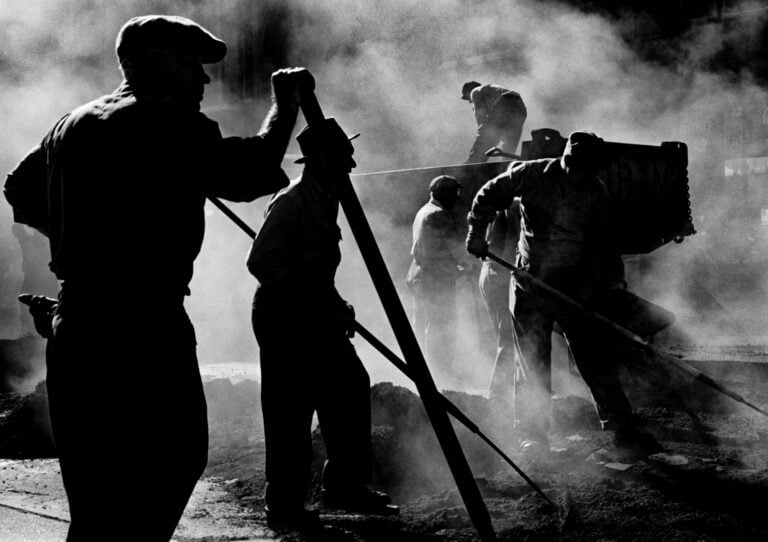
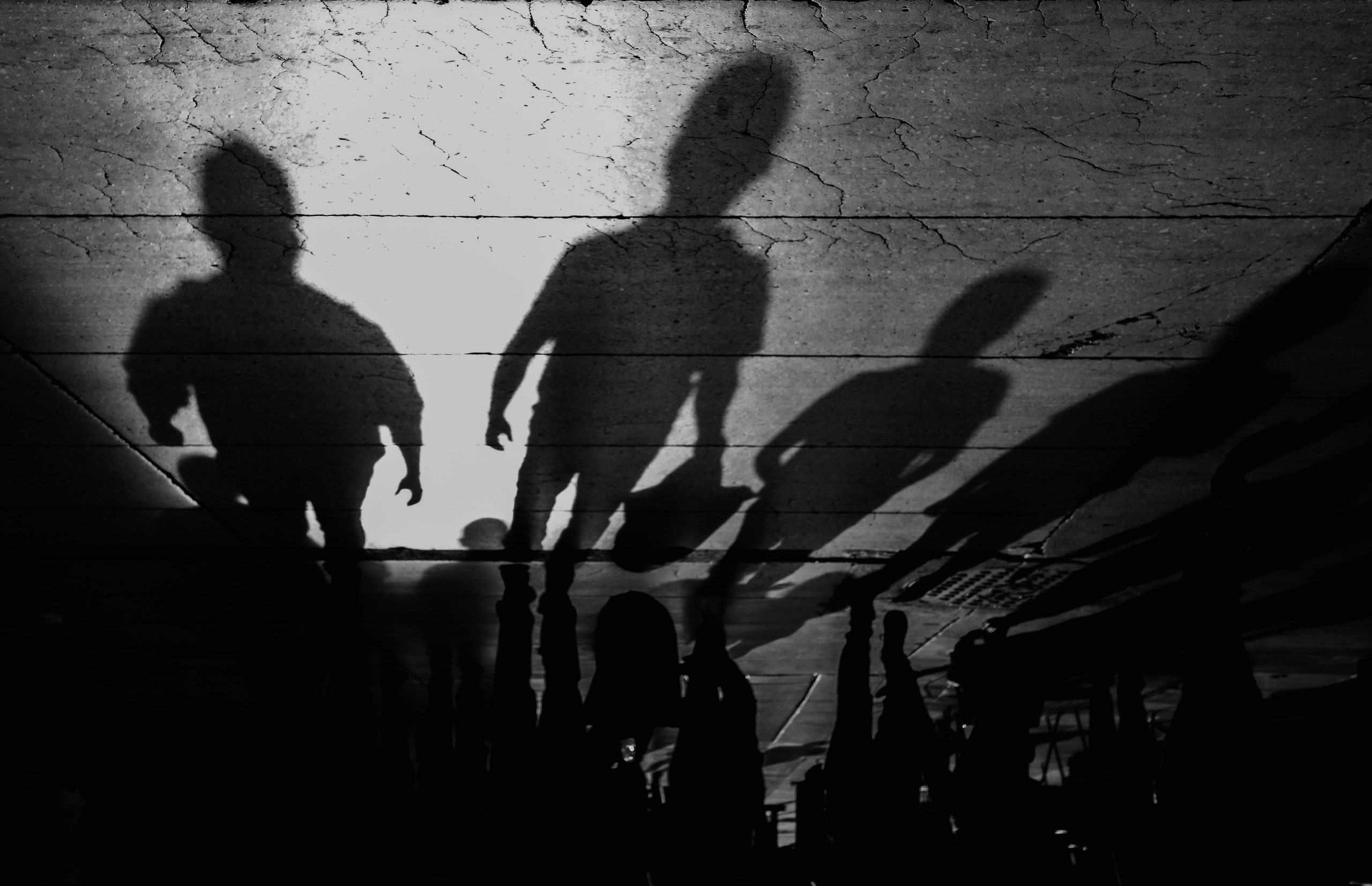
The trend for dark, moody pictures shows that we are starting to value drama, shadows, and a more movie-like style of visual storytelling, according to the report. This style often uses very little light and deep, rich colors to create images that feel powerful, mysterious, and very high-end. It’s a clear change from the bright, light, and often washed-out look that was popular on social media for a long time, giving us a refreshing and visually strong choice.
When you use deep shadows and only light up specific parts, you force the eye to concentrate hard on the subject that is lit, creating a clear spot to look at right away.
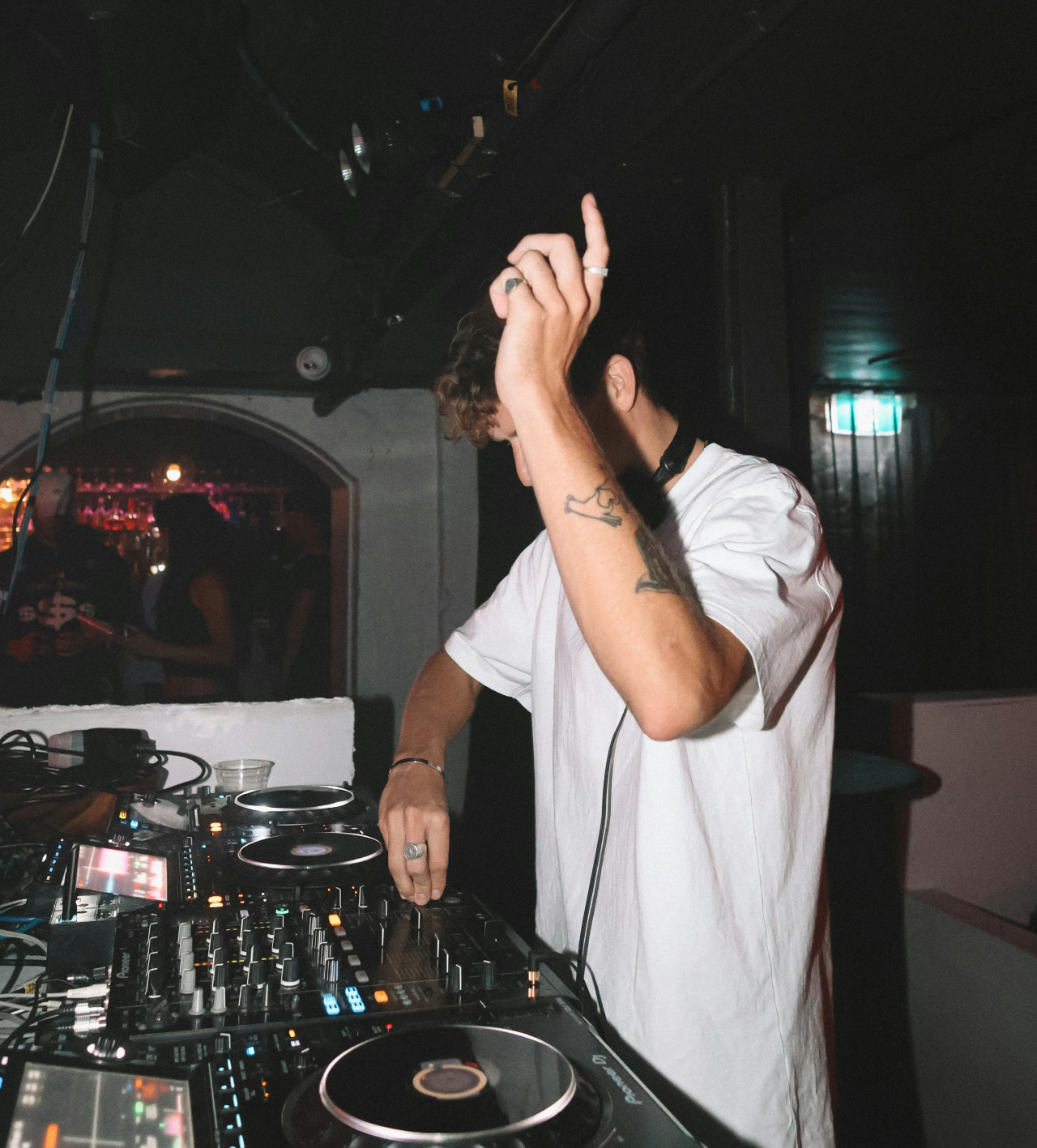
It’s Ok to Turn Your Flash On
The planned use of bright, “flash on” photography is noted as a growing trend. It welcomes the raw, high-contrast, and sometimes harsh style of older digital or disposable cameras. This method often results in very bright spots, deep, heavy shadows, and a look that is clearly not filtered, which adds a sudden boost of energy to still pictures. It avoids the soft, professional lighting standard and favors a spontaneous, almost amateur feel that looks very current.
The appeal of the “flash on” style is in its flaws and how it reminds us of personal photos taken quickly in dark, fun places. You can use this trend to make commercial work feel closer and easier to connect with, giving it the feeling of a quickly taken, real-life picture. It’s a bold style that works well for brands targeting younger people, showing a clear shift away from old marketing rules and connecting the product with a real, messy lifestyle.
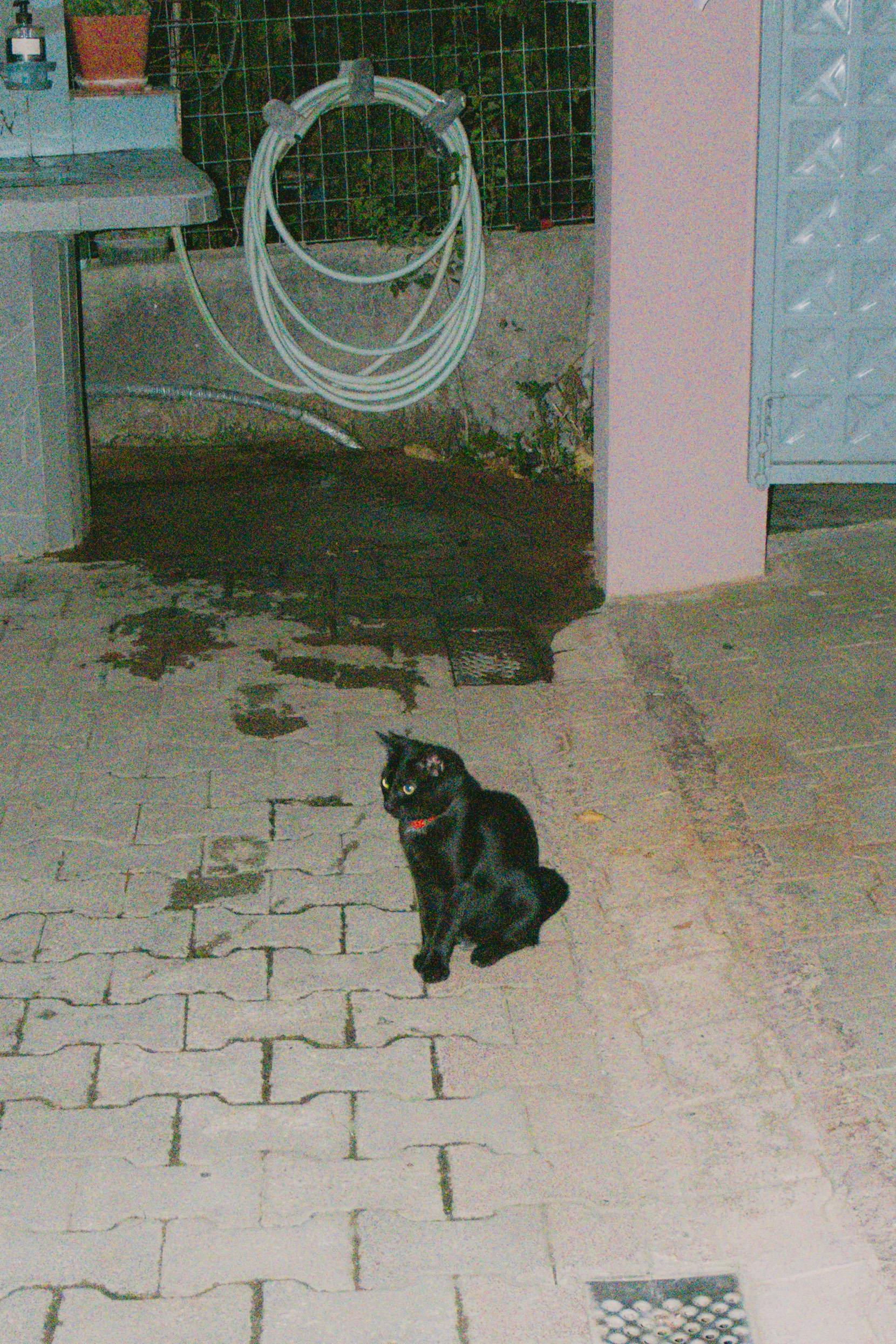
The Art of JPEG Artifacting
Perhaps the most surprising and interesting trend is the intentional use of JPEG artifacting. This means adding the visible digital problems, blockiness, or compression flaws that usually come with low-quality or constantly saved images. This is a deliberate acceptance of digital mistakes and decay, treating the imperfections of digital files as a valuable texture in the design. It’s a style that shows the process and accepts that the digital world is not perfect.
This strategy uses a feeling of nostalgia for the early days of the internet and creates a sense of digital roughness that feels new and rebellious against the perfect results of today’s editing programs. When you use artifacting, you are essentially adding a layer of digital “static” that roots the image in a specific, old-school digital reality. It can be very useful for giving your work a cutting-edge look for your photos.
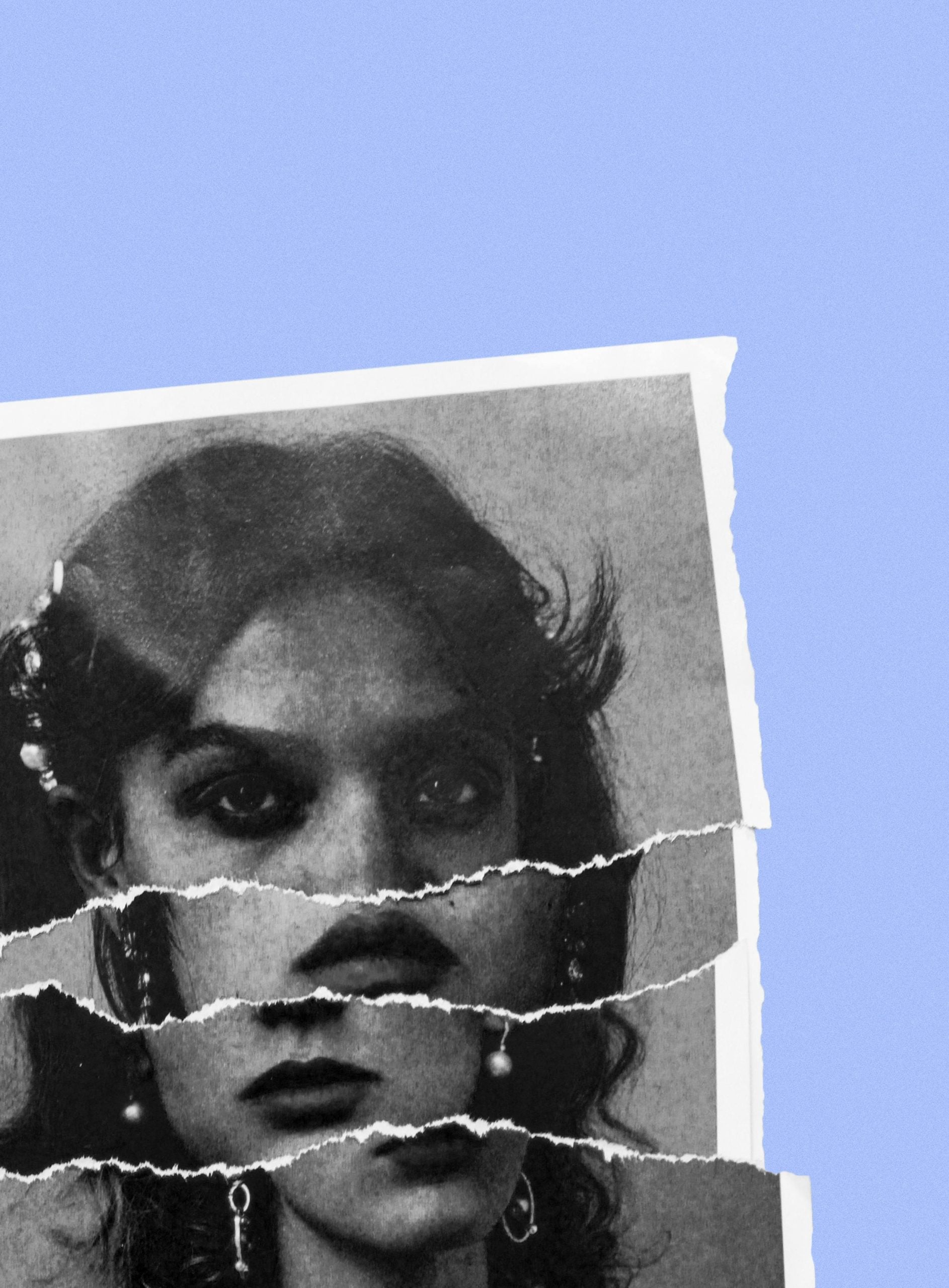
Doing Collage Is OK
Collage is coming back strong as a main trend, moving past simple still compositions to become a lively way to mix different visual pieces and textures. This method lets designers easily mix the new trend of candid photos with abstract shapes or JPEG artifacts, building a visual story that is full, layered, and happily broken up. It’s a very busy style in an age that often likes things simple, offering a high-impact solution that tells a good story.
The great thing about collage is its power to handle complicated stories or many visual ideas in one frame, allowing for creative messiness that still looks like a strong design. You can use collage to escape the limits of one single photo, creating surprising mixes and adding things like handwritten words or drawings to make the design even more personal. It encourages the person looking at it to check closely and see the different layers, which rewards attention better than simpler pictures often do.
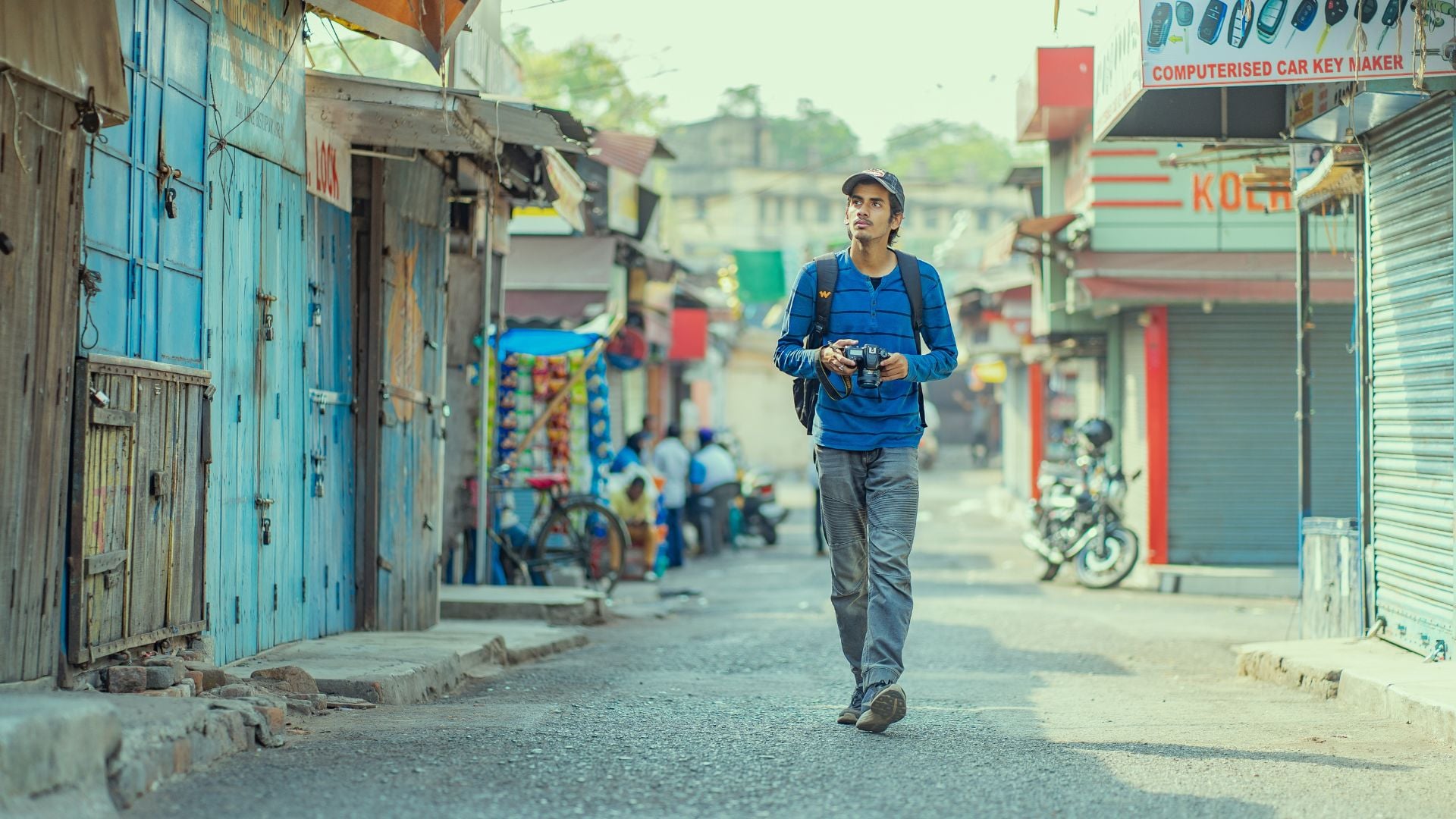
Do We Need to Follow Photography Trends?
The Stills report, like all trend reports, should be seen not as a strict rulebook but as a helpful source of ideas and a look into how culture is changing. It’s important for you to know the direction the visual world is heading. The best photographers and designers use these photography trends as a starting point for their own fresh, personal ideas.
In the end, the most successful design work lasts longer than quick styles because it stays true to the subject it is about. The main lesson here is to understand the core message of these trends, like the public wanting honesty and being tired of fake perfection. Use the ideas of candidness, darkness, or texture as tools to better tell your or your client’s story, rather than just using them to look trendy for a short time. Your main goal should always be to make a real connection, and that never goes out of style.
See more from DIYPhotography.net on Google
Add DIYPhotography.net as a trusted source. This makes
our stories more likely to appear in your Google Search results.
 Add as a preferred source on Google

Alysa Gavilan
Alysa Gavilan has spent years exploring photography through photojournalism and street scenes. She enjoys working with both film and mirrorless cameras, and her fascination with the craft has grown over the decades. Inspired by Vivian Maier, she is drawn to capturing everyday moments that often go unnoticed.




Join the Discussion
DIYP Comment Policy
Be nice, be on-topic, no personal information or flames.