





















Canon’s R7 Mark II Could Be the Ultimate Wildlife Camera
Aug 22, 2025
Darlene Lleno
Darlene Lleno brings a unique perspective to DIY Photography as someone who grew up surrounded by camera gear but chose words over lenses. With five years of writing experience, she specializes in photography content that’s both technically informed and genuinely passionate. Growing up with a photographer twin brother meant camera talk was everyday conversation in her household. While he mastered capturing moments, Darlene discovered she preferred being the subject and the storyteller behind the scenes. As a travel enthusiast and mother of two, she understands the importance of preserving life’s precious moments. When not exploring new destinations or writing for DIY Photography, you’ll find her reading or tending to her garden. Her approach to photography writing is refreshingly authentic, she may not be behind the camera, but she knows exactly what it takes to help others capture the shots that matter most.
Share:
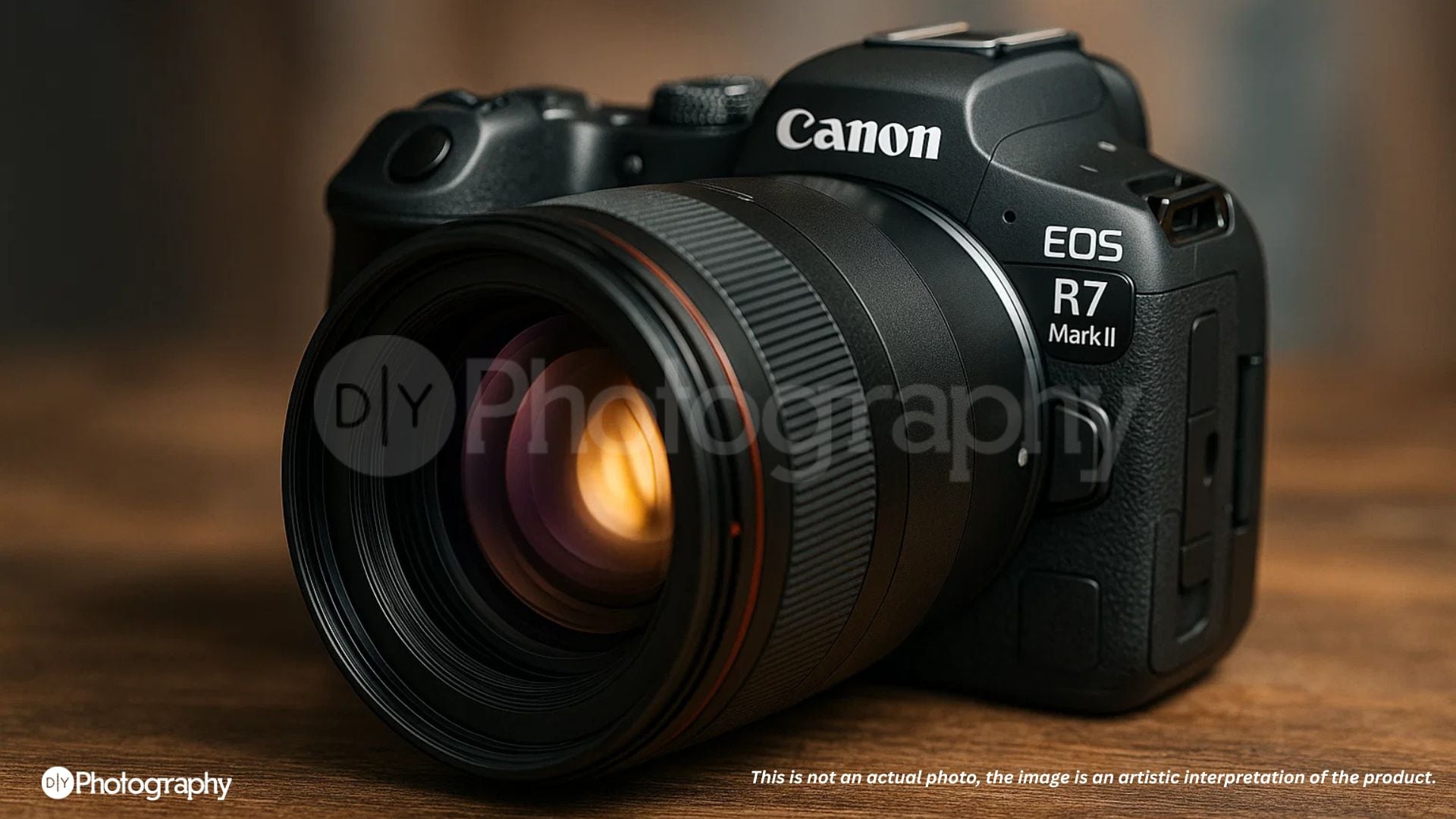
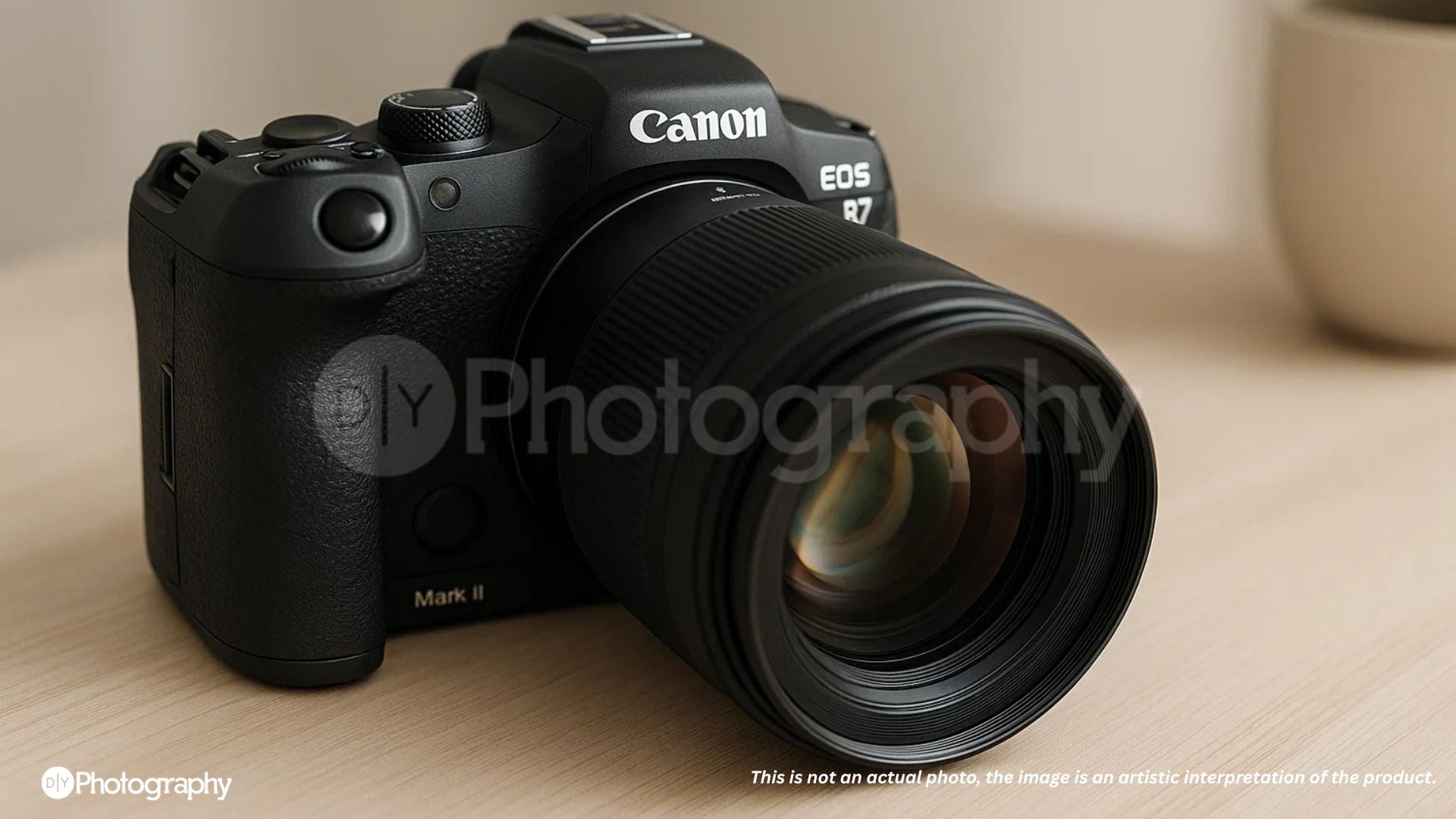
Canon’s R7 Mark II is looking like it could be a real game-changer for wildlife photographers. You know that feeling when you’re trying to get professional shots but don’t want to spend your entire savings account? This camera might just solve that problem.
The buzz around this upcoming APS-C camera is getting pretty loud. Early leaks suggest Canon is packing some serious firepower into what could be their best wildlife camera yet. And honestly, if even half these rumors turn out to be true, full-frame cameras better watch their backs.
The original Canon R7 already proved it could hang with the big boys when it came to action shots and wildlife work. Now Canon seems ready to take things up a notch with the Mark II version.
What Makes the Canon R7 Mark II Perfect for Wildlife Work
Wildlife photography is tough. You need speed, you need reach, and you need a camera that won’t let you down when that perfect moment happens. The Canon R7 Mark II looks like it’s checking all these boxes.
Here’s what we’re hearing about the specs:
- Around 40 megapixels (up from 32MP on the original)
- 8K video recording capability
- Possibly no mechanical shutter at all
- Better ergonomics similar to the R5 Mark II
- Improved autofocus with animal detection
That resolution bump is huge for wildlife photographers. More pixels mean you can crop your shots without losing quality. We’ve all been there – you get an amazing shot of a bird, but it’s just a tiny speck in the frame. With 40MP, you’ve got way more room to work with in wildlife photography.
The speed isn’t taking a back seat either. This camera should keep the fast burst rates that made photographers fall in love with the original R7. But here’s where it gets interesting – Canon might ditch the mechanical shutter completely and go all-electronic.
The Sensor Tech That Changes Everything
The Canon R7 Mark II is rumored to pack a stacked backside-illuminated sensor. Sounds fancy, but what does this actually mean for your photos?
First, it’s way faster at reading information. That means less of that weird rolling shutter effect you get when shooting fast-moving subjects. You know, when a bird’s wing looks all wonky because the sensor couldn’t keep up? This should fix that problem.
The low-light performance should be better too. The BSI design lets more light hit each pixel, which means cleaner shots when you’re shooting during those magic golden hours. And let’s be honest, that’s when wildlife is most active anyway. Professional photographers often discuss award-winning wildlife photography techniques that work best during these conditions.
Plus, you get all this extra resolution without sacrificing speed. The camera should still fire off frames like a machine gun when you need it to. That’s pretty impressive when you think about how much data it’s processing with each shot.
Autofocus That Actually Works
Anyone who’s tried to photograph a moving animal knows how frustrating autofocus can be. The Canon R7 Mark II promises to make this way less painful.
The camera will likely get the same smart subject detection that Canon puts in their expensive cameras. This means it can spot an animal’s eye and lock onto it, even when the critter is moving around or partially hidden behind branches.
The autofocus should work down to -5 EV too. That’s pretty dark conditions, which opens up opportunities for shooting during dawn and dusk when animals are most active. No more missing shots because your camera can’t see well enough to focus.
Response time is getting better as well. The lag between when you press the button and when the camera actually takes the shot should be minimal. In wildlife photography, that split second can make or break your shot. Many photographers struggle with wildlife photography editing mistakes that could be avoided with better in-camera timing. For metering modes, you’ll want to understand how the camera reads light in different situations, especially with tricky wildlife lighting.
Video Features That Don’t Suck
The 8K video capability is a big deal, even if you don’t plan on shooting much video. Here’s why – you can crop into your footage and still have plenty of resolution left over. It’s like having a longer lens for video work.
You can also apply digital stabilization in post without the usual quality hit. This means smoother footage even when you’re handheld with a long telephoto lens.
Canon has been getting better at heat management in their cameras, which is important for 8K recording. Thermal management is crucial for sustained video recording. Nobody wants their camera shutting down in the middle of filming because it got too hot.
The video features also help with hybrid shooting. More wildlife photographers are adding video to their workflow, and having one camera that does both well makes life easier.
Better Ergonomics That Actually Matter
One of the biggest complaints about the original R7 was the size. It felt cramped, especially during long shooting sessions. The Canon R7 Mark II should fix this by borrowing the grip design from the R5 Mark II.
This isn’t just about comfort. Better ergonomics mean:
- Less fatigue during long shoots
- Better balance with big telephoto lenses
- Steadier shots overall
- Faster access to controls when you need them
The weather sealing should be improved too. Wildlife photographers work in all kinds of nasty conditions, and your camera needs to keep up. Better protection against dust and moisture means you can shoot in more places without worrying about killing your gear.
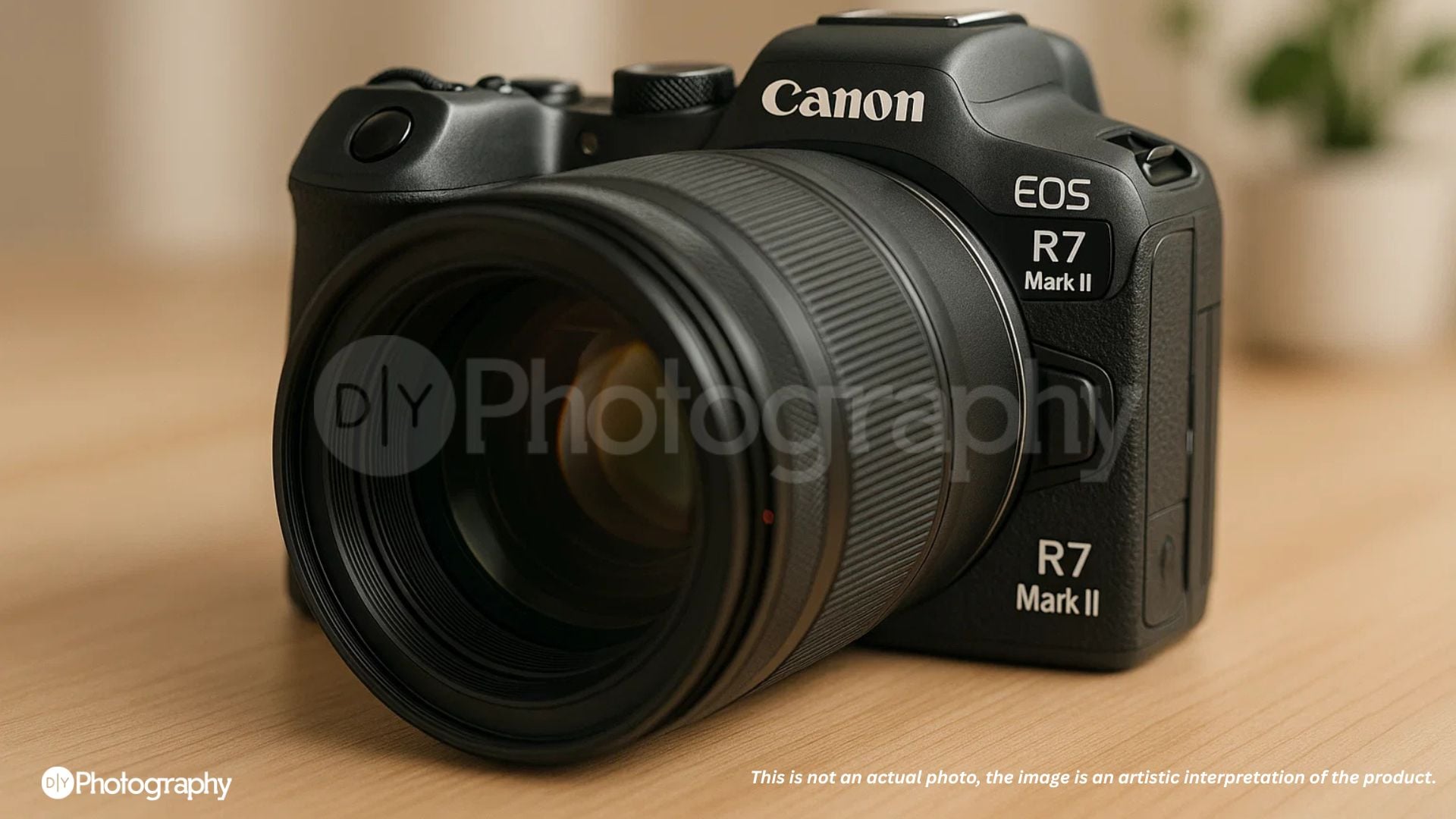
The articulating LCD screen is staying, which is great for those low-angle shots. Sometimes you need to get down at ground level to capture the right perspective, and having a screen that flips out makes this way easier.
Storage That Keeps Up
The Canon R7 Mark II will reportedly have both CFexpress Type B and UHS-II SD card slots. This is actually a big deal for wildlife photographers who shoot a lot.
CFexpress cards are much faster, which means you can shoot longer bursts without the camera slowing down. When a bird takes off or an animal starts running, you want to capture the whole sequence, not just the first few frames.
Having two card slots also means you can set up backup recording. This protects your shots if one card fails, which is especially important when you’re somewhere remote and can’t easily replace your images.
The buffer should be bigger too, so you can shoot longer sequences before the camera needs to pause and catch up. This is huge for capturing complete behavioral moments.
Lens Options and Compatibility
The Canon R7 Mark II works with all the existing RF and RF-S lenses. The APS-C sensor gives you that 1.6x crop factor, which effectively makes your telephoto lenses longer.
A 100-400mm lens becomes like a 160-640mm on this camera. For wildlife work, that extra reach often means you don’t need to buy those very expensive super-telephoto lenses.
The RF mount system is pretty smart about communication between the lens and camera body. This enables features like coordinated image stabilization, where the lens and camera work together to reduce shake.
Third-party lens makers are jumping on the RF mount bandwagon too, so you’ll have more choices at different price points. Competition usually means better prices for everyone.
How It Stacks Up Against the Competition
The Canon R7 Mark II looks like it’s aimed squarely at Fujifilm’s high-resolution APS-C cameras. But Canon has some advantages, mainly their huge lens ecosystem and reputation in wildlife photography.
Pricing should be somewhere under $2000, which puts professional-level features within reach of serious hobbyists. That’s a sweet spot where you get most of the performance of much more expensive cameras without the shocking price tag.
The feature set seems designed to compete with entry-level full-frame cameras while keeping the size and weight benefits of APS-C. For wildlife photographers who value portability and reach over absolute low-light performance, this could be perfect.
Sony and others will definitely respond, but Canon’s head start in mirrorless wildlife photography and their established lens lineup give them some real advantages. Canon’s professional support has also built strong relationships with wildlife photographers, which helps inform their camera development process.
When Can You Actually Buy One
Current rumors point to a release sometime in the second half of 2025, probably Q3 or Q4. That’s still a ways off, but it gives Canon time to get everything right.
The longer development time suggests Canon isn’t rushing this to market. They seem focused on making meaningful improvements over the original rather than just updating specs for the sake of it.
Canon usually works with professional photographers during development, so the final camera should address real-world shooting needs. This collaborative approach often results in better cameras for everyone.
Global availability might vary depending on supply chain issues, but wildlife photography is important enough to Canon that this camera should get worldwide priority.
Why This Matters for Wildlife Photographers
The Canon R7 Mark II isn’t just another camera update. The rumored specs suggest Canon is building something specifically for action and wildlife work, addressing the real problems photographers face in the field.
For professionals currently using multiple camera systems, this might be capable enough to serve as a primary body for most situations. The cost savings compared to flagship cameras could fund more lenses or travel opportunities.
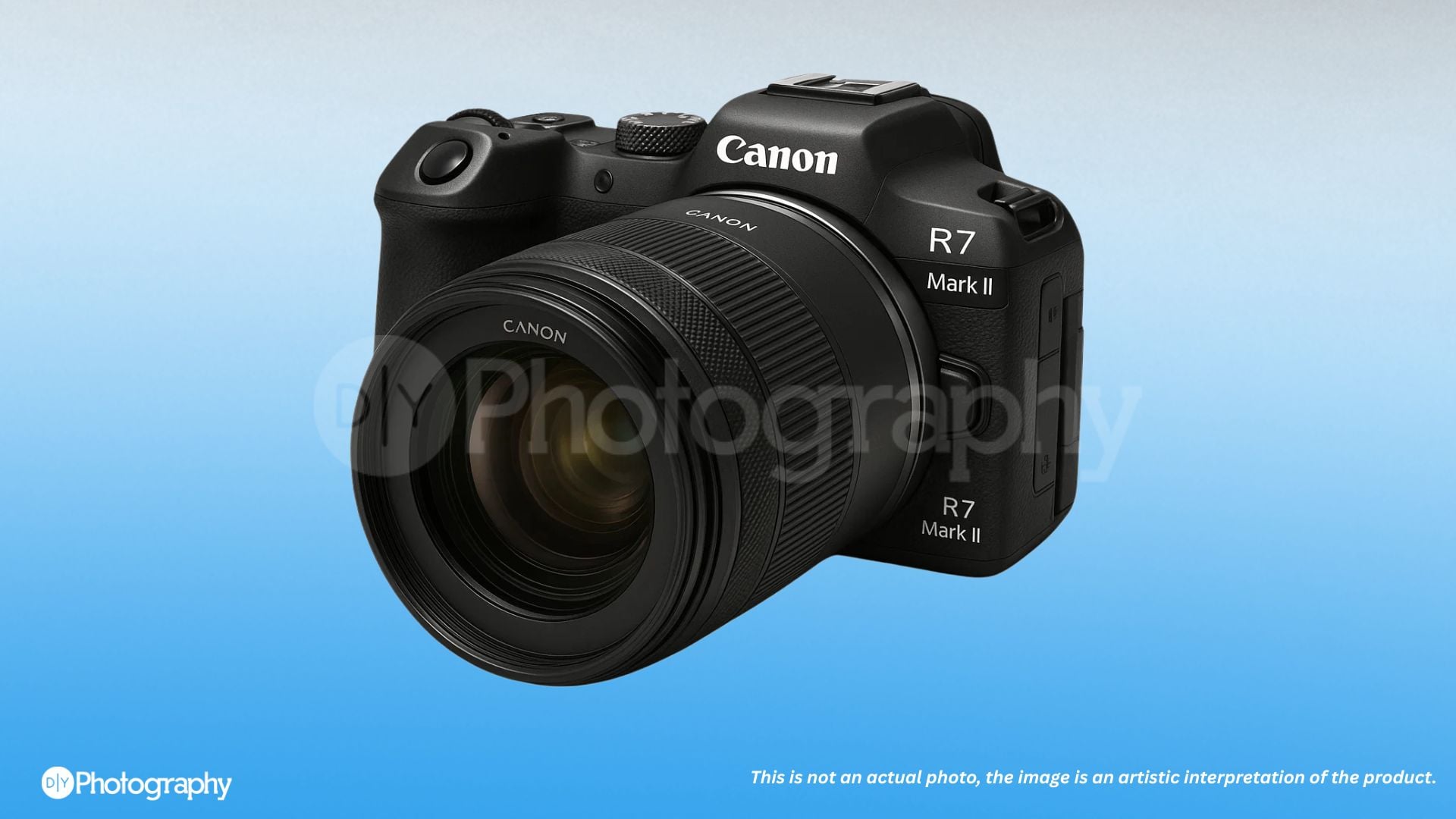
Enthusiast photographers will appreciate getting professional features without professional prices. The Canon R7 Mark II could make serious wildlife photography accessible to way more people.
The video capabilities also appeal to photographers who want to capture both stills and footage. Having one camera that excels at both simplifies your gear choices and reduces what you need to carry.
Is the Canon R7 Mark II Worth the Wait?
Remember, all these specifications are still rumors. Canon hasn’t officially announced anything yet, so take everything with a grain of salt. But if even half of what we’re hearing turns out to be true, the Canon R7 Mark II could be exactly what wildlife photographers have been waiting for.
The key is being ready when opportunities arise, whether that’s with new gear or just better skills. Great wildlife photos come from being in the right place at the right time with the knowledge to make the most of the moment. The camera is just a tool to help you capture what you see.
See more from DIYPhotography.net on Google
Add DIYPhotography.net as a trusted source. This makes
our stories more likely to appear in your Google Search results.
 Add as a preferred source on Google

Darlene Lleno
Darlene Lleno brings a unique perspective to DIY Photography as someone who grew up surrounded by camera gear but chose words over lenses. With five years of writing experience, she specializes in photography content that’s both technically informed and genuinely passionate. Growing up with a photographer twin brother meant camera talk was everyday conversation in her household. While he mastered capturing moments, Darlene discovered she preferred being the subject and the storyteller behind the scenes. As a travel enthusiast and mother of two, she understands the importance of preserving life’s precious moments. When not exploring new destinations or writing for DIY Photography, you’ll find her reading or tending to her garden. Her approach to photography writing is refreshingly authentic, she may not be behind the camera, but she knows exactly what it takes to help others capture the shots that matter most.


Join the Discussion
DIYP Comment Policy
Be nice, be on-topic, no personal information or flames.