





















Peak Design Tripod Pro Review: This Tripod is Smarter Than Me, It’s So Innovative I had to Read Instructions
Oct 15, 2025
Alex Baker
Alex Baker is a portrait and lifestyle driven photographer based in Valencia, Spain. She works on a range of projects from commercial to fine art and has had work featured in publications such as The Daily Mail, Conde Nast Traveller and El Mundo, and has exhibited work across Europe
Share:
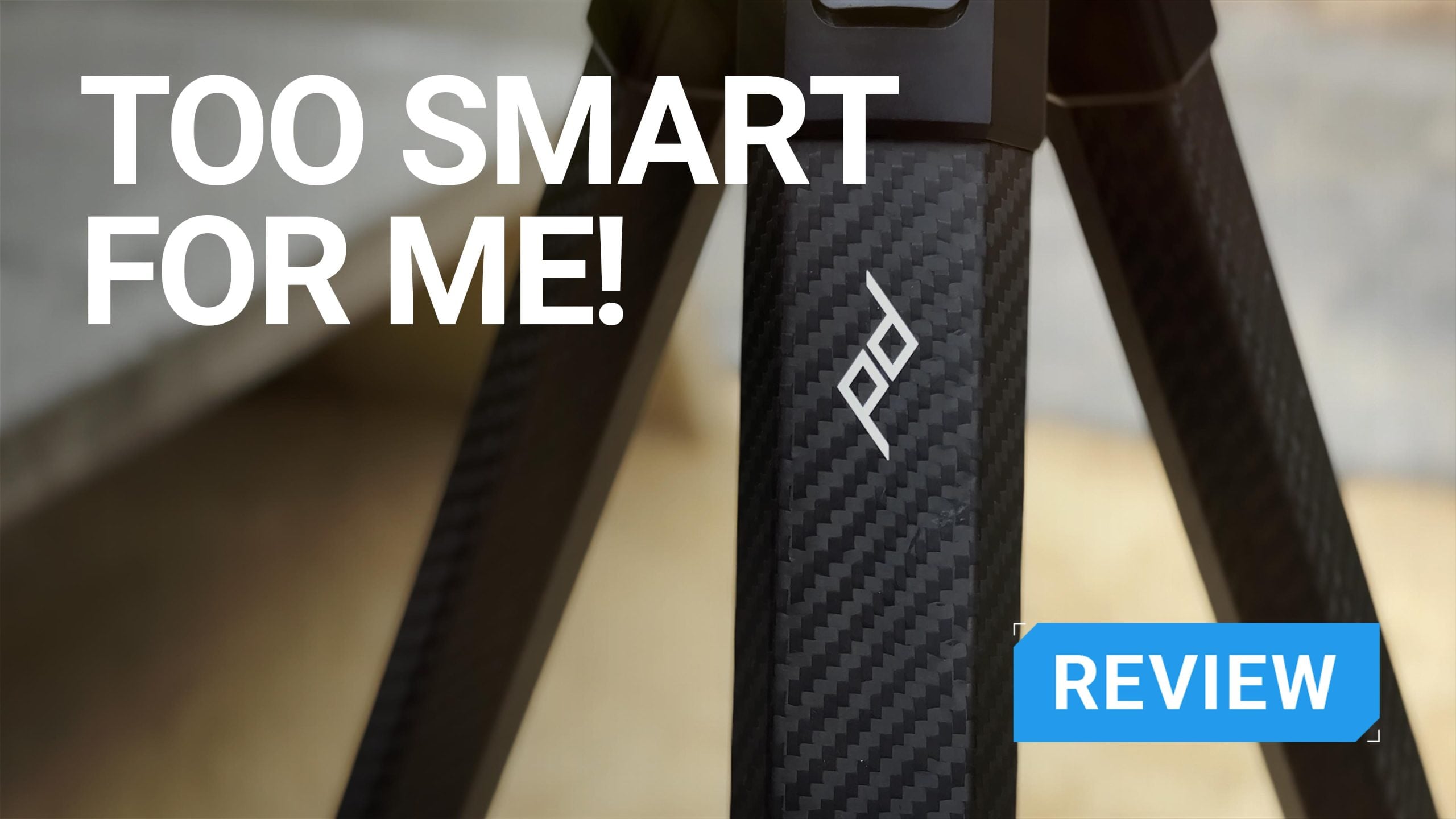
We have become accustomed to smart gadgets and intelligent machines in our lives, from our cars to our refrigerators. However, I have never been outsmarted by a tripod…until now. The Peak Design Pro tripod is an absolutely brilliant piece of gear, redesigned from the bottom up, and it made me feel incredibly stupid. It is the first time I’ve had to read the instructions to figure out how to use a tripod, that’s how innovative the design is.
Before you all run to the comments to tell me how dumb I must be, bear with me! Peak Design has truly outdone itself with these new tripods. It has taken on board the slightly underwhelming qualities of its previous travel tripod and reinvented it into something that not only does the job but also makes everything easier and more enjoyable. If Apple did tripods, this would be it (although perhaps it would come in white!).
So what makes the Peak Design Pro tripod so special and innovative? Let’s take a look!
Key Features
It needs to be said again: this is not any old tripod. Peak Design has really taken it upon themselves to redesign every part of how this thing works and improve on everything they can.
The tripod is built to be both strong and portable. Each hub is fully CNC-machined, which ensures tight tolerances and a high level of durability. The legs are thicker and longer than the original model, allowing the tripod to support up to 40 pounds (double the capacity of its predecessor) without becoming cumbersome to carry. The flanged centre column adds further stability, addressing one of the common weaknesses of travel tripods.
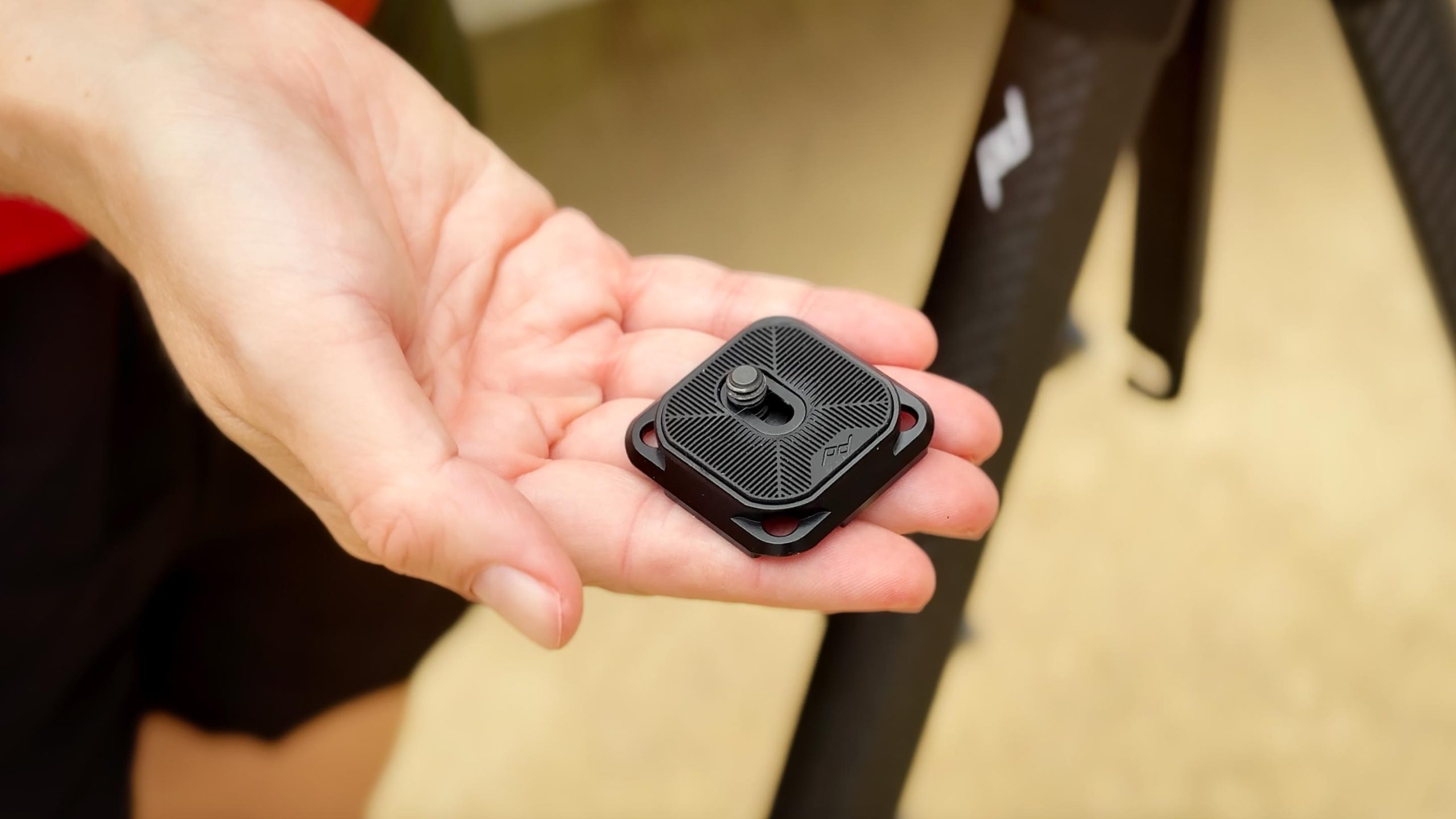
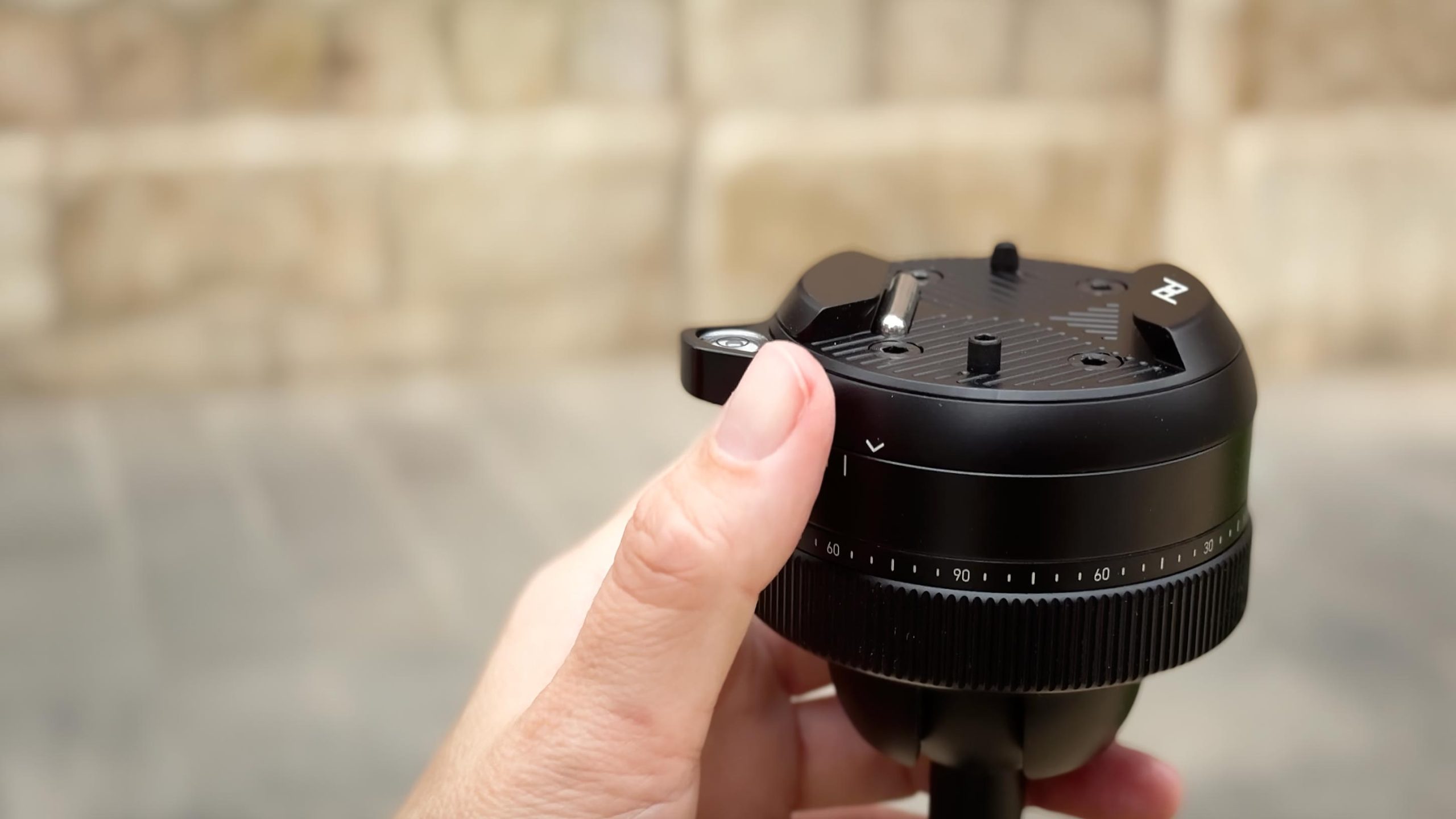
The ball head has been redesigned to include fluid panning, a feature not found in previous Peak Design heads. For those who need more control, the optional Tilt Mod converts the ball head into a compact pan-and-tilt head, opening up possibilities for video or precise composition work. The new ARCA-compatible quick-lock plate makes attaching and removing a camera faster and more secure than a standard screw plate.
Peak Design worked closely with filmmaker Jimmy Chin during the development and testing phase. Chin, known for shooting in some of the world’s most extreme environments, provided practical feedback to ensure the tripod would hold up under harsh conditions. This was not a signature edition for marketing purposes; it is a tripod designed with expedition-grade reliability in mind.
The result is a tripod that balances strength, stability, and portability, capable of supporting heavy gear while remaining compact enough to travel with ease.
Three Sizes
Peak Design offers the Pro Tripod in three sizes: Small, Medium, and Large, which is great because not all photographers are built the same, and neither are their setups.
The Medium, which I’ve been testing, feels like the Goldilocks option. It’s tall enough to shoot comfortably at eye level for most people, but still compact enough to travel with easily. It’s the “everyday workhorse” in the lineup, so it’s ideal for hybrid shooters running mirrorless or DSLR rigs.
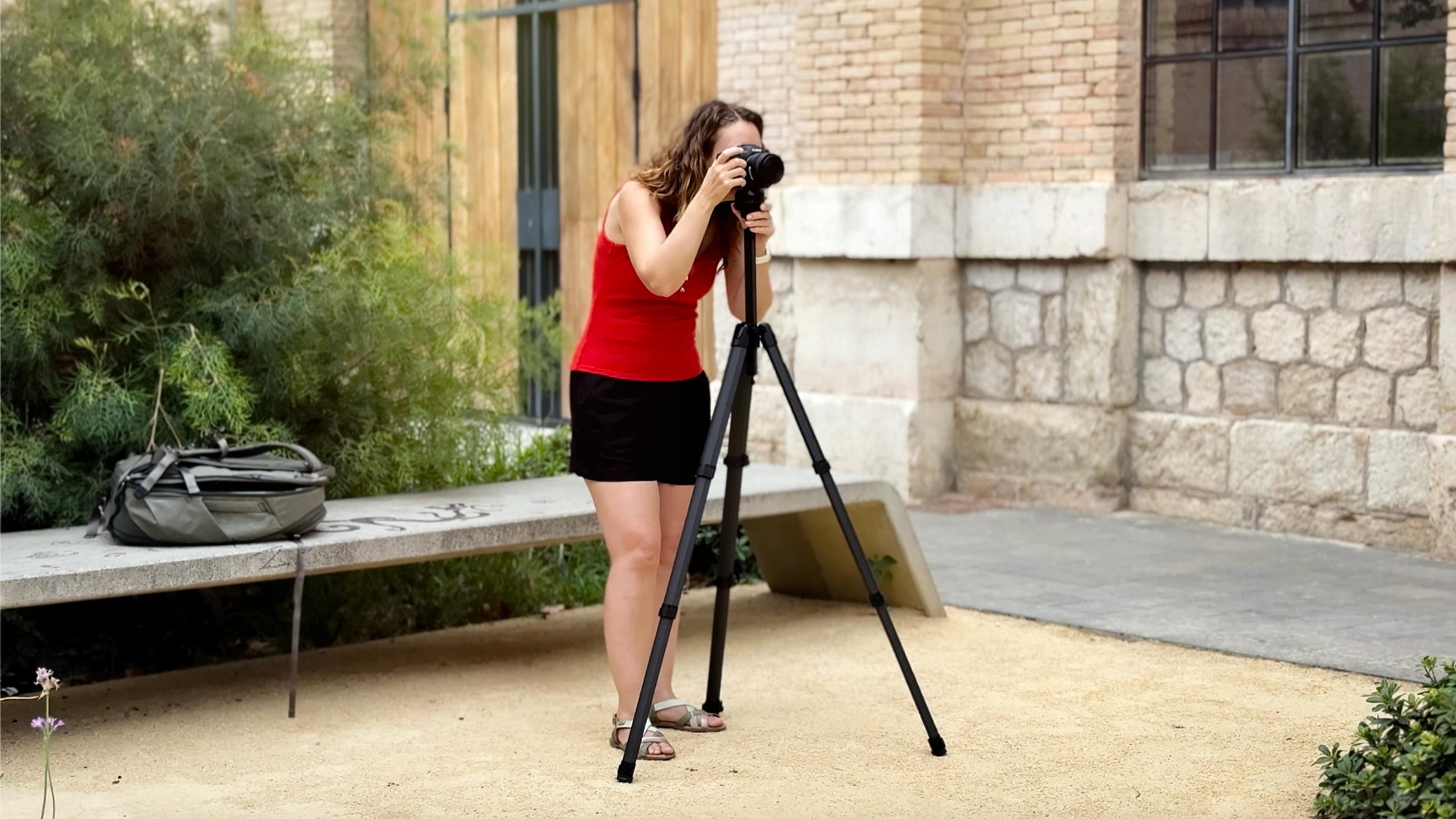
The Small version is perfect for the travel crowd or vloggers who live out of a carry-on, while the Large caters more to studio or landscape photographers who need that extra bit of height and stability.
Honestly, if you’re a one-camera, one-lens kind of shooter, the Medium is probably your sweet spot, and at full height was still taller than I’d usually need (demanding I’d stand on a ladder to see what I was doing!).
Price and Availability
The Peak Design Pro Tripod is a certainly not cheap, reflecting its advanced engineering and versatility. However, for the right photographer who wants to invest in something with a lifetime’s guarantee, it could be worth it.
Pricing varies depending on the model and now available to preorder:
Optional accessories, such as the Tilt Mod and foot spikes, are sold separately. The Tilt Mod is priced at $149.95, and the foot spikes are available for $49.95. These accessories can enhance the tripod’s functionality, especially for hybrid photo/video users and outdoor shooting scenarios where you might need extra anchorage.
First Impressions
A few things that have irritated me with previous tripods are bulky and clunky designs that don’t quite fold up properly, ball heads that never seem to quite level up, screws that are either too tight or too loose, and ones that are time-consuming or difficult use in the field when you’re fighting against cold hands and rain.
I can firmly say that Peak Design has addressed all of these common problems, and from the outset, it was clear that this tripod is portable, sleek, and quick to deploy and pack away.
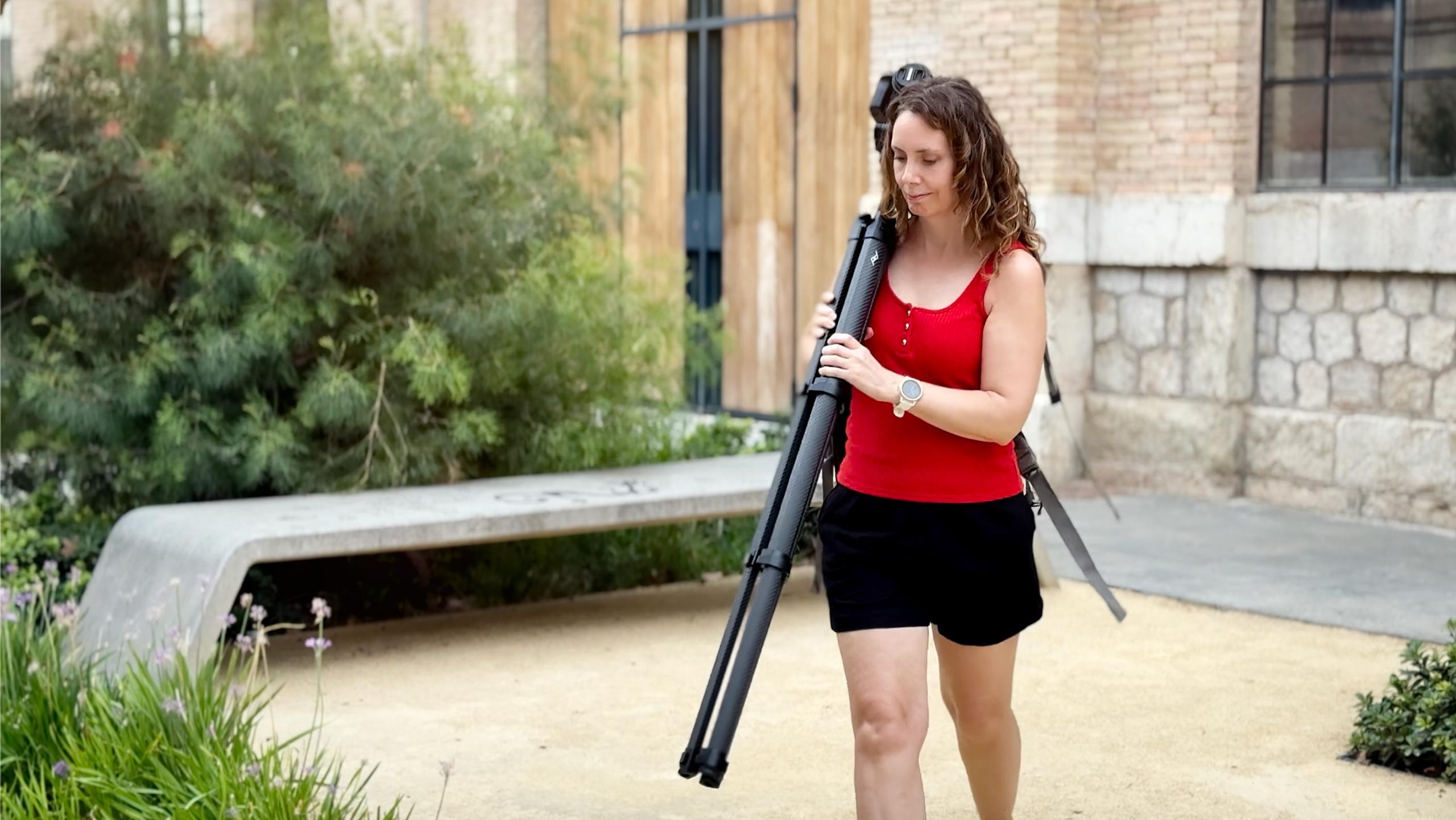
The first thing I noticed is how sleek and compact it is. When folded, it’s almost too neat, collapsing into a perfectly cylindrical shape that slips into a backpack side pocket like it was made for it. No spiky knobs sticking out to snag on things, no weird angles, just clean, clever geometry.
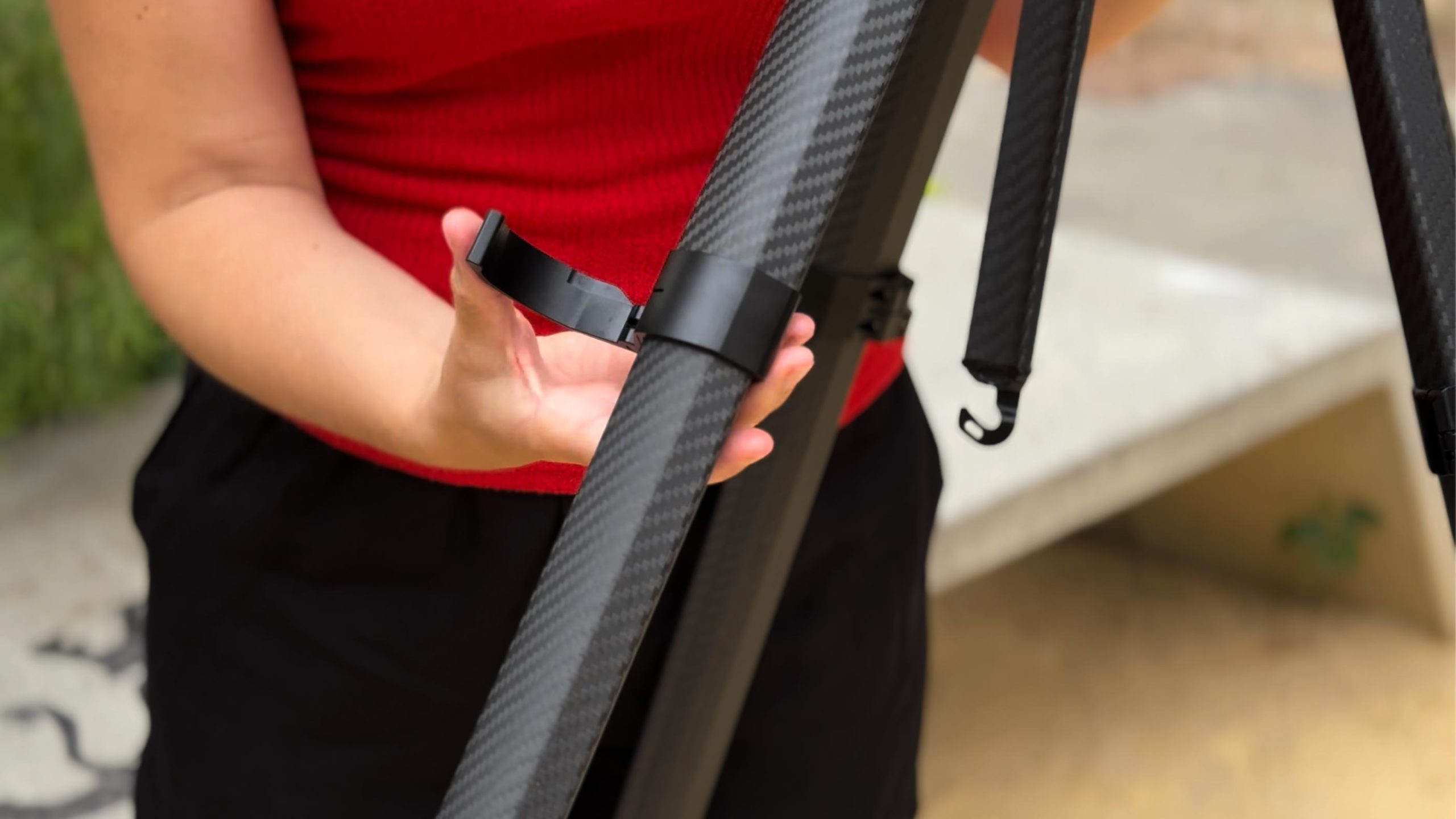
The leg deployment is equally as slick. Flip the latches, extend, click, and you’re good to go in seconds. The centre column houses a built-in mobile mount, a hidden multi-tool, and a beautifully smooth ball head that integrates seamlessly with the company’s quick-release system.
In the Field
Out in the field, the Peak Design Pro Tripod is an absolute joy to use. It’s possibly the nicest tripod I’ve ever worked with, everything about it feels smooth, intuitive, and efficient. Once you’ve gone through the initial learning curve, the whole system starts to make perfect sense.
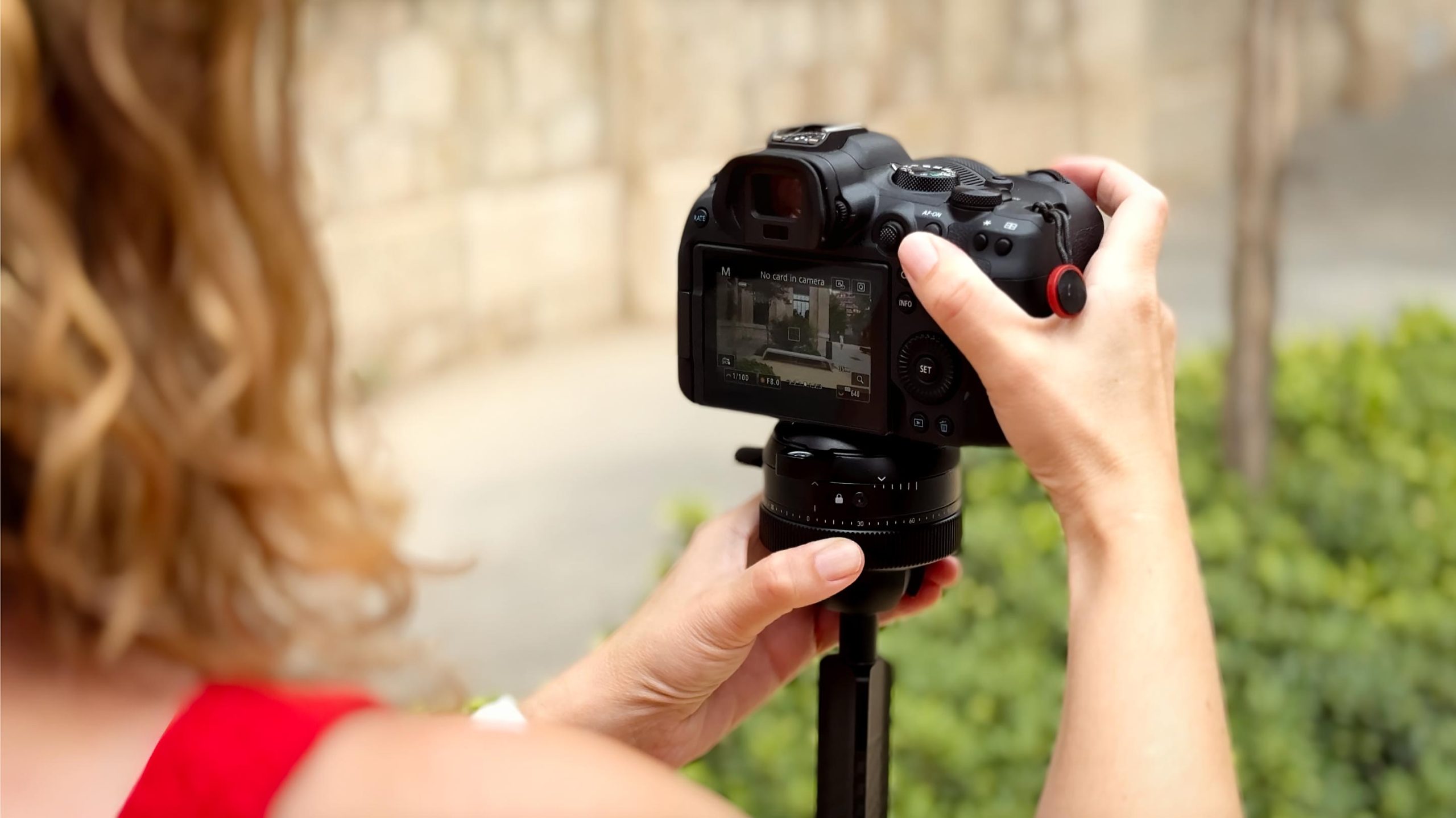
The setup is impressively fast. The legs deploy cleanly with a single motion, locking firmly into place without the usual fuss of twisting collars or fighting with latches. It’s one of those rare designs that actually saves you time in real-world use. The quick-release system, which initially had me scratching my head, is now second nature: a simple lever push to loosen, drop in, push back, and you’re locked. It’s secure, quick, and far less fiddly than traditional plates once you get the hang of it.
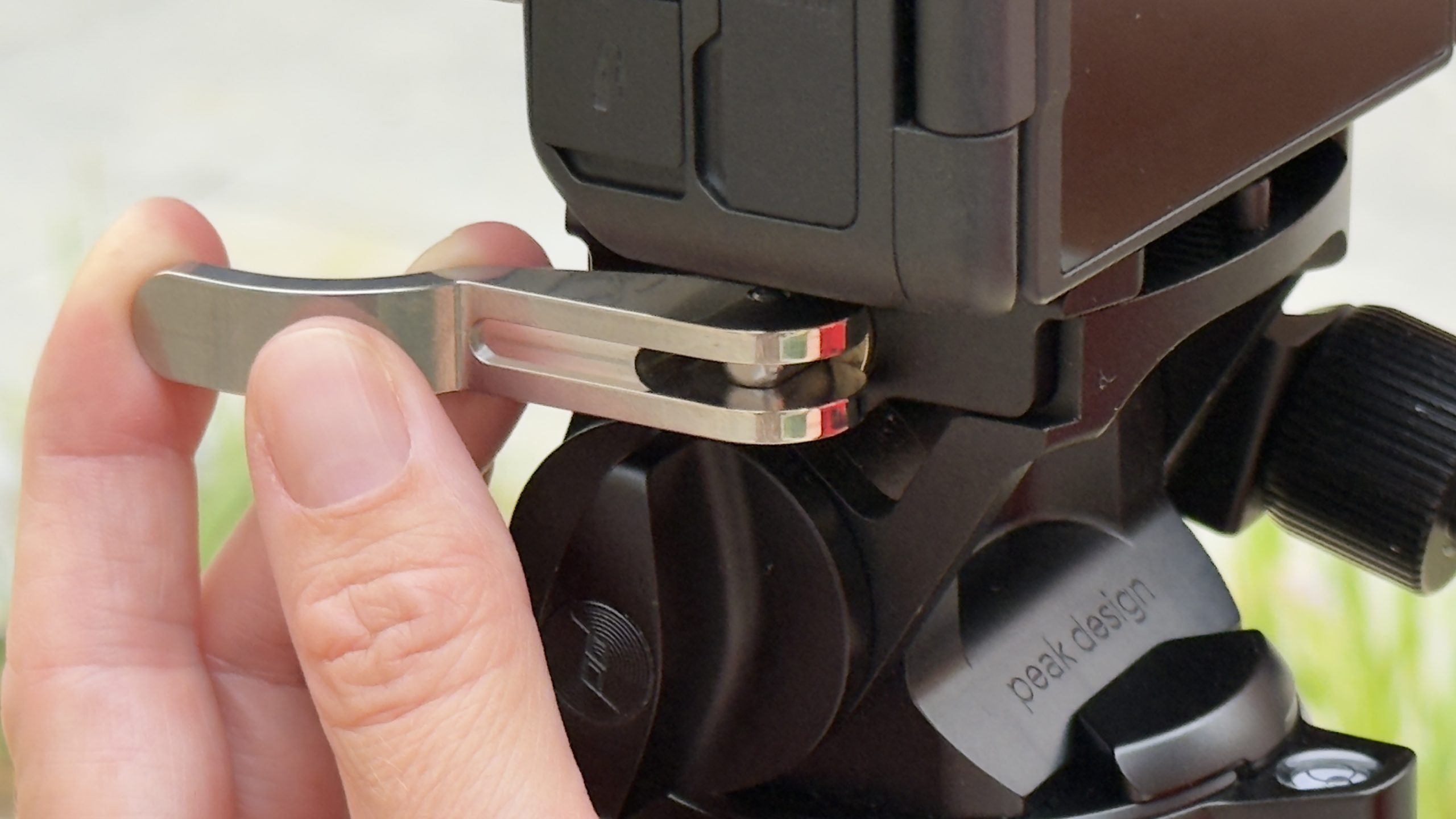
The ball head feels precise and offers just the right amount of resistance for fine adjustments. Adding the Tilt Mod adapter opens up even more control, making this a surprisingly capable setup for hybrid shooters. Switching between photo and video feels seamless, and there’s no need to change plates or adapters, just unlock, reframe, and keep shooting. I also like the way the handle telescopes inside itself making for a much more compact design for packing away.
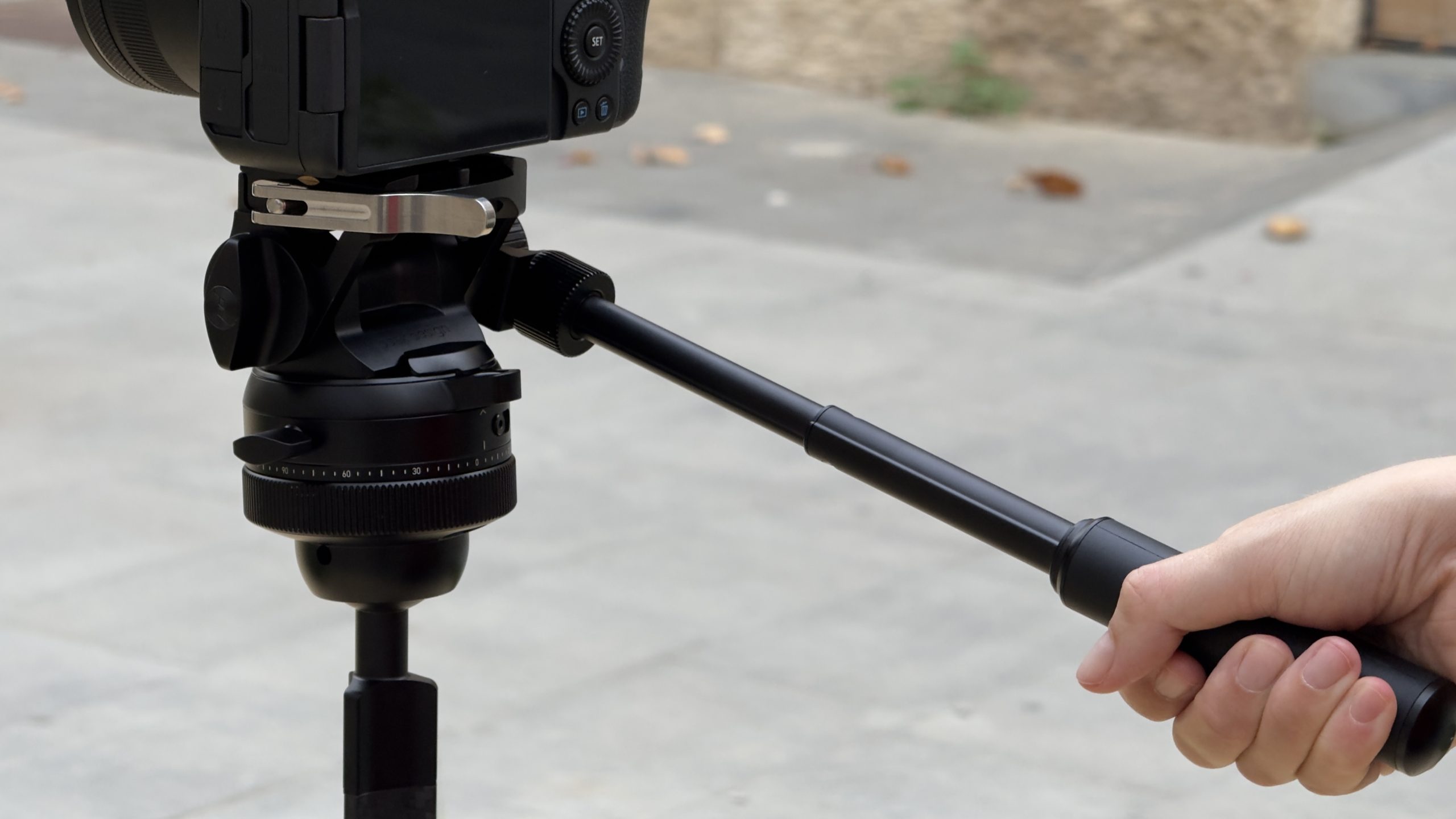
What’s particularly impressive is how light yet solid the tripod feels. Despite its compact size, it inspires complete confidence, even with heavier setups. There’s very little flex, even when the legs are fully extended. It’s stable in wind, comfortable to reposition, and never feels like it’s about to topple over, which, let’s be honest, is not something you can say about most travel tripods.
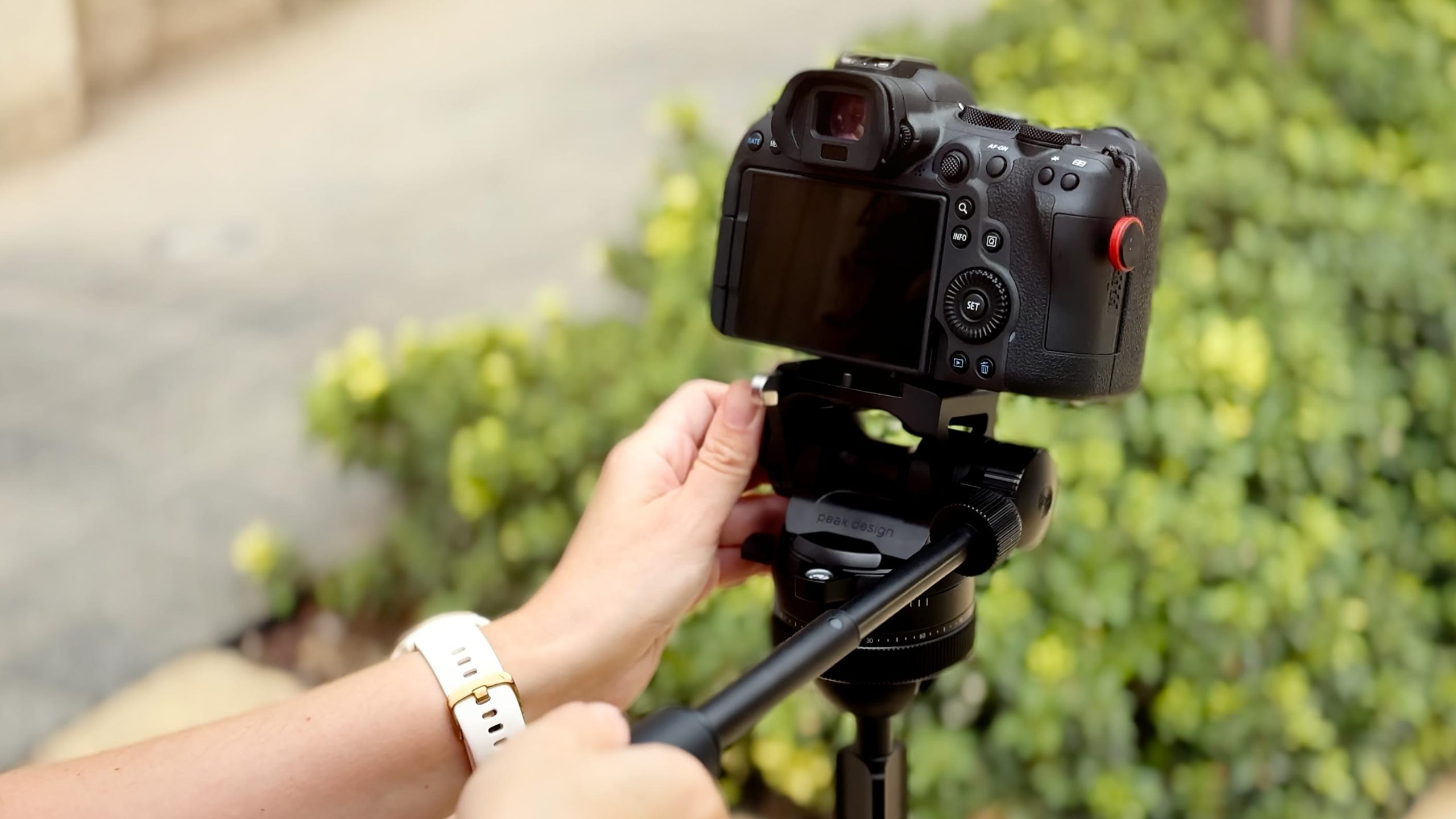
And here’s the real surprise: it’s making me want to use a tripod. Normally, I avoid them unless absolutely necessary, preferring the freedom of handheld shooting. But this one changes that. It’s so quick to deploy and easy to adjust that it doesn’t interrupt your rhythm; it just becomes part of your workflow.
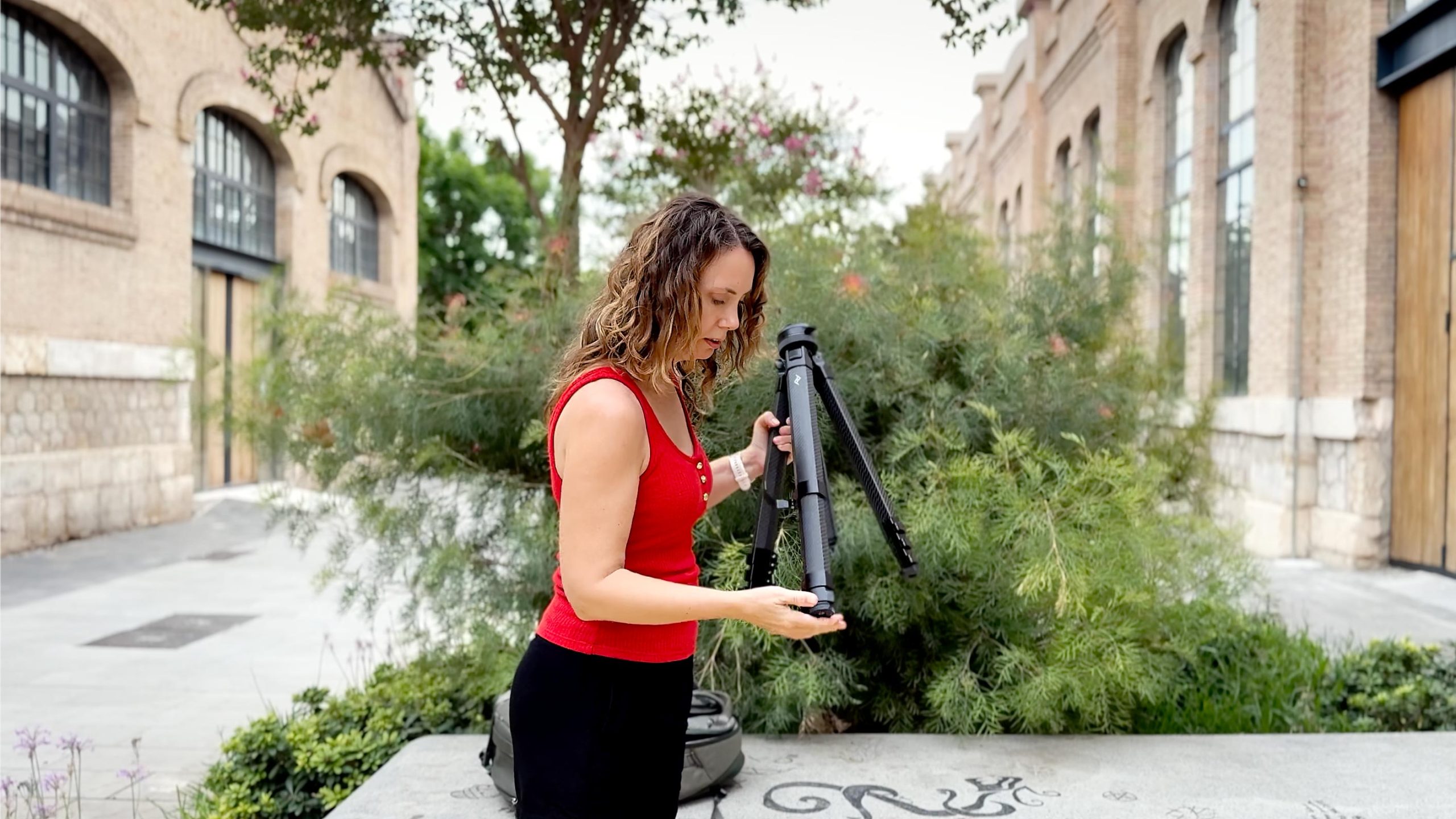
When you’re finished, it folds down neatly without needing to remove the ball head. It slides easily into a backpack or one of Peak Design’s bags (it even fits perfectly in the Roller Pro Case), which means there’s really no excuse not to bring it along. Compact, capable, and genuinely enjoyable to use is a rare combination.
Pros and Cons
No tripod is perfect, but the Peak Design Pro Tripod comes impressively close. After using it in a range of situations, it’s clear that a lot of thought and real-world testing went into every detail.
Pros
- Beautifully engineered and built to last. The CNC-machined construction feels solid and precise, with none of the flex or wobble you often get from compact tripods.
- Exceptionally smooth and fast to set up. The leg locks and quick-release system make deployment genuinely effortless once you’ve learned the motion.
- Light yet incredibly stable. It inspires confidence even with heavier camera setups.
- Thoughtful design throughout. From the integrated tool and phone mount to the way it folds neatly without removing the head, everything feels considered. The fact that the plate is compatible with other Peak Design things is also a bonus.
- Fluid, adaptable head. The redesigned ball head is excellent, and the optional Tilt Mod makes it a practical choice for hybrid photo/video shooters.
- Compact and travel-friendly. It fits perfectly into Peak Design’s bags and packs down smaller than most tripods with this kind of capability.
- Genuinely enjoyable to use. It’s quick, intuitive, and removes much of the friction that usually comes with shooting on a tripod.
Cons
- The price. There’s no getting around it, this is a premium piece of gear, and it’s priced accordingly. You’re paying for design and precision engineering, and while it’s worth it, it’s not a casual purchase.
- Finding the right size can be tricky. The three available models (Pro Lite, Pro, and Pro Tall) are a welcome addition, but each one feels like a slight compromise depending on your shooting style. The smaller version is beautifully portable but limited in height; the tall one is fantastic for reach but a bit bulky; and the medium, while well-balanced, sometimes feels like it’s trying to do both without fully committing to either.
- Foot spikes sold separately. It’s a small thing, but at this price point, it would have been nice to see them included. For anyone shooting outdoors regularly, they’re practically essential.
Conclusion
The Peak Design Pro Tripod is one of those rare pieces of equipment that genuinely changes how you think about a familiar tool. They have taken something as basic as a tripod and reimagined it with the same care and innovation you’d expect from a high-end camera or lens. Everything about this tripod feels refined and deliberate, from the smooth leg deployment to the compact folding design.
Yes, it’s expensive, and yes, you’ll have to buy extras like the foot spikes separately. That is absolutely one mark against buying this, but once you’ve used it, it’s hard to go back to your older models. The precision, the portability, and the sheer ease of use make it a piece of gear that actually makes the shooting experience better.
I’ve always preferred shooting handheld whenever possible, but this tripod has made me rethink that. It’s so quick and intuitive to use that it never feels like a chore to set up, and it’s light enough that there’s no reason not to bring it along.
For photographers and filmmakers who value both form and function, the Peak Design Pro Tripod series is an outstanding choice. It’s beautifully built, thoughtfully designed, and capable of handling serious work in serious conditions. Simply put, it’s a tripod that earns its place in your kit, even if it did outsmart me for a moment!
See more from DIYPhotography.net on Google
Add DIYPhotography.net as a trusted source. This makes
our stories more likely to appear in your Google Search results.
 Add as a preferred source on Google

Alex Baker
Alex Baker is a portrait and lifestyle driven photographer based in Valencia, Spain. She works on a range of projects from commercial to fine art and has had work featured in publications such as The Daily Mail, Conde Nast Traveller and El Mundo, and has exhibited work across Europe
Related Posts
 Peak Design ventures in to the tripod business with a “Next Generation” travel tripod
 Peak Design Rolls Out its Smooth New Carry-On Luggage Design, the Roller Pro
 The fastest tripod in the world – YC Onion Pineta Peak tripod review
 Last Chance to Catch Early Bird Discounts on Peak Design’s New Tripod Pro
Join the Discussion
DIYP Comment Policy
Be nice, be on-topic, no personal information or flames.