



















How Photographing Your Cat Makes You a Better Photographer
Jul 3, 2025
Dunja Đuđić Kalinin
Dunja Djudjic is a multi-talented artist based in Novi Sad, Serbia. With 15 years of experience as a photographer, she specializes in capturing the beauty of nature, travel, concerts, and fine art. In addition to her photography, Dunja also expresses her creativity through writing, embroidery, and jewelry making.
Share:

If you’re a cat owner, chances are you’ve already got hundreds (if not thousands) of pictures of your furry little roommate. But your cat photography isn’t just something you can use to break the awkward silence when hanging with a group of strangers at your friend’s party. Nope, my friend – they can actually make you a better photographer. In his recent video, Jason Row breaks turns his cat into the ultimate photography training partner.
And you know what the best part is? You won’t only become better at cat photography. Your little monster can help you no matter the genre you want to improve at.
Action Photography
Getting a cat to sit still while awake is like trying to freeze a gust of wind. Instead of fighting it, Jason suggests embracing the chaos. Use those energetic sprints and zoomies to work on continuous focus, pre-focusing techniques, fast shutter speeds. If things don’t go perfectly, even your motion blur will be educational.
And because cats are typically low to the ground, you’ll find yourself crouching, crawling, and twisting into impossible poses. If you do yoga, this is your time to show off your skills. All joke aside, this is perfect to help you experiment and find fresh, creative angles.
[Related Reading: These vintage cat photos are 100 years old version of LOLcats]
Portraiture Practice
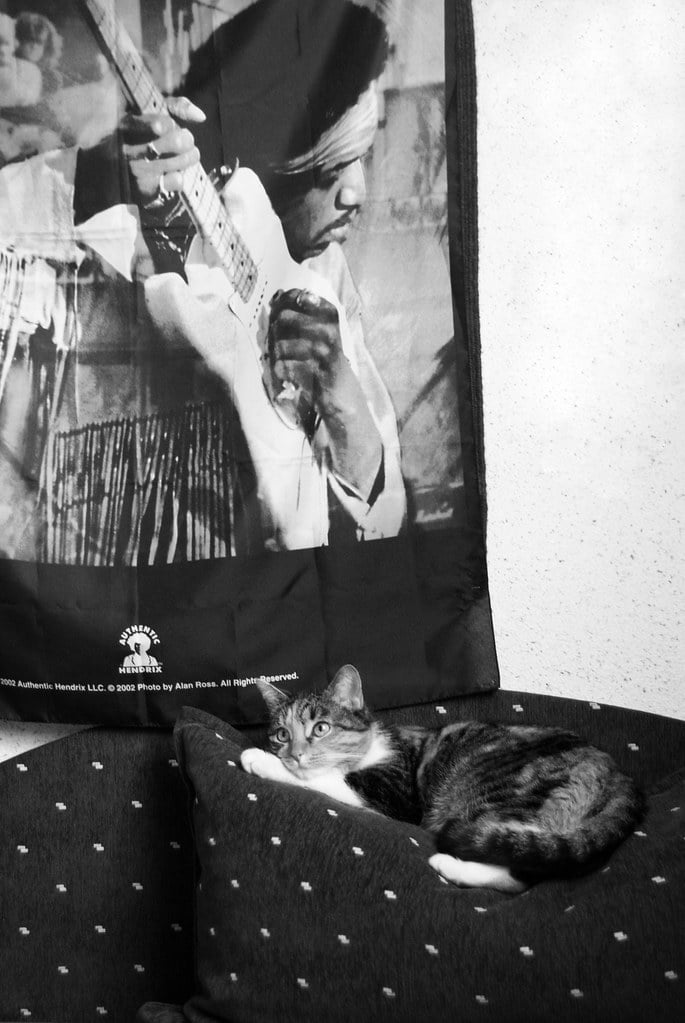
Cats sleep a lot, spending up to 20 hours a day asleep and completely unbothered. Taking those serene, sleepy kitty portraits is great, helping you to master your setup skills. You can experiment with angles again, as well as with lighting, composition, and settings.
However, when your cat’s awake, it’s a different story. As I mentioned before, they’re pretty fast and unpredictable, especially while they’re young. So, if you wanna capture a portrait of your cat while awake, you’ll learn to light fast, dial in your settings quickly, and shoot with minimal margin for error. That quick-draw approach is exactly what you need when photographing kids, pets, or unpredictable subjects. Nail a cat portrait, and you’re more than ready for human ones.
Pro tip: aim for the moments when your cat is just about to fall asleep, or when they just got out from a nap. Those are usually the moments when they’re the calmest and slowest, so you’ll get the chance of capturing those mesmerizing eyes while they’re open.
Mastering Depth of Field
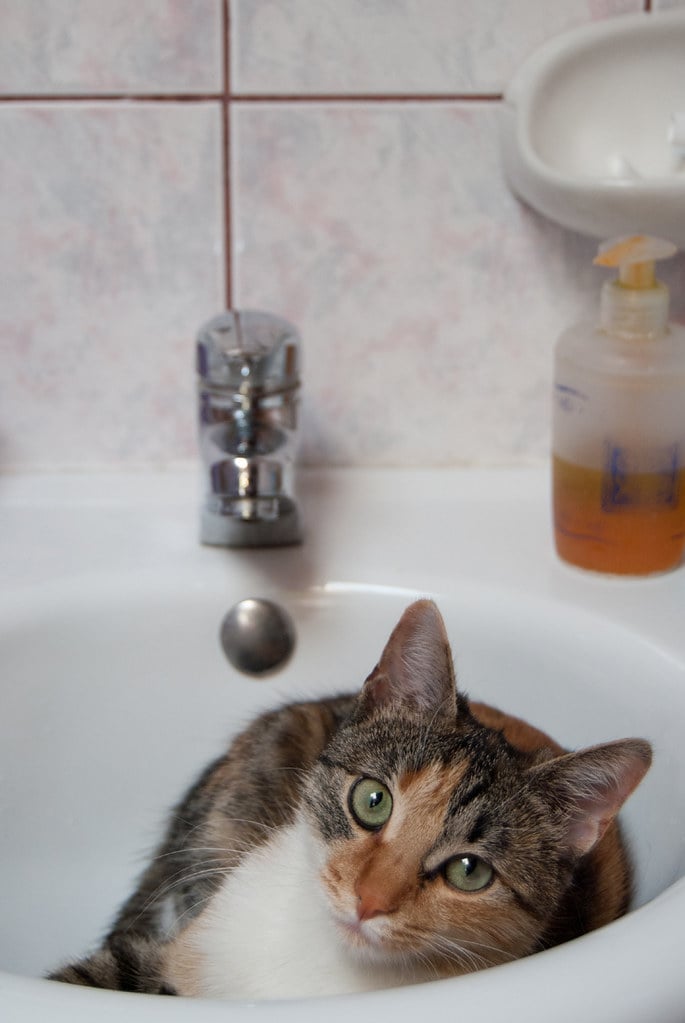
Nothing shows off depth of field quite like a cat. Want razor-thin focus? Try locking on the eyes at f/1.8. Want more of the cat in focus? Stop down to f/8 or even f/16. And here’s a fun thing: cats’ fur is perfect for seeing just how sharp (or not) your shot really is.
Jason even advises checking your lens’ sharpness by zooming in on a photo of your cat’s fur. If your gear passes the cat test, it’s doing fine.
Low Light Skills
Cats don’t care about your lighting setup. They’ll move. They’ll leave. They’ll sit just out of range of that beautiful key light you worked so hard on. So instead, learn to embrace ambient light. You’ll get better at managing ISO, balancing noise, adjusting white balance, and pushing your camera’s low light limits.
And as a bonus, low light often means sleepy cats, which ups your odds of them staying still for more than 1.5 seconds.
Understanding Attitude
Let’s face it: cats have strong attitudes and they have their own rules. In fact, that’s why I love them. They’ll sometimes lure you in with purrs and then claw you mid-shot. Jason jokes that cats are excellent preparation for shooting people with attitude (cough… teenagers… cough) – and he’s not wrong. Learning to stay calm and professional when your model (feline or human) isn’t cooperating is definitely a skill worth mastering.
Street Photography… with Whiskers
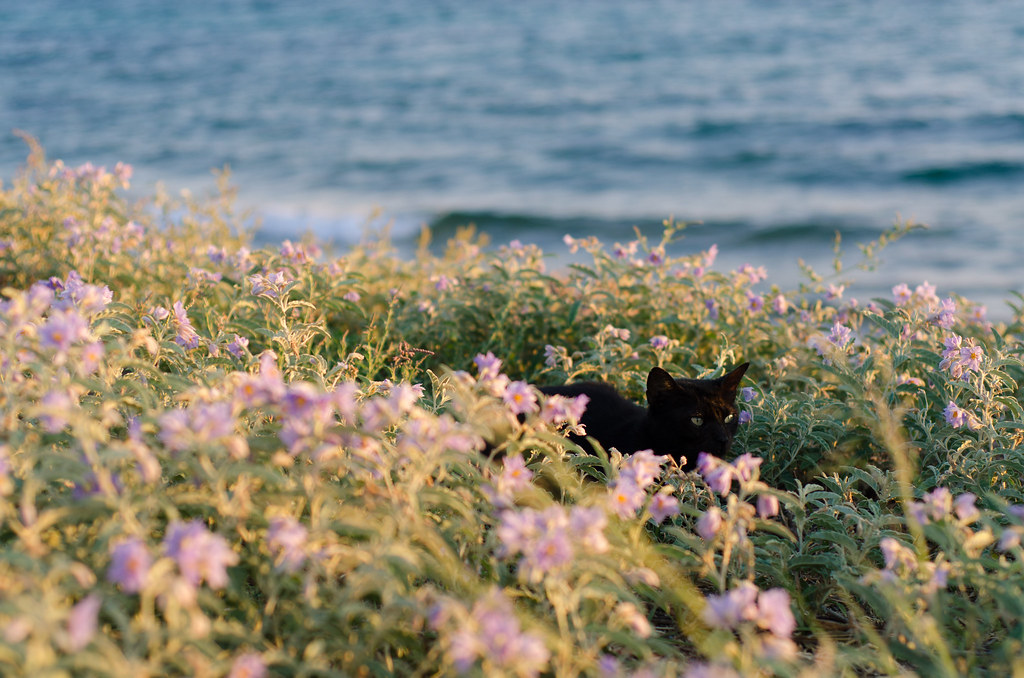
Step outside, and your cat becomes the perfect stand-in for candid street photography. Whether it’s your own, your neighbor’s, or a street-roaming tabby, photographing cats outdoors teaches you to shoot from a distance, observe patiently, and catch candid moments. It’s like street photography, only your subjects are a little different.
[Related reading: Photographer captures hilarious stray cats of Tokyo streets]
The Biggest Lesson: Patience
Above all, cat photography teaches you patience. You’ll learn to wait, to observe, and to work with what your subject gives you. If you can manage a photo session with your cat without losing your cool, you’re building the kind of calm and resilience every photographer needs.
So, keep on photographing your furry friends, bot those at home and those you meet in the street. You aren’t only taking photos worth showing to anyone who wants to see them (and those who don’t), you’re also honing your skills!
[Why Photographing Cats Will Make You a Better Photographer via FStoppers]

Dunja Đuđić Kalinin
Dunja Djudjic is a multi-talented artist based in Novi Sad, Serbia. With 15 years of experience as a photographer, she specializes in capturing the beauty of nature, travel, concerts, and fine art. In addition to her photography, Dunja also expresses her creativity through writing, embroidery, and jewelry making.


Join the Discussion
DIYP Comment Policy
Be nice, be on-topic, no personal information or flames.