



















Seven astrophotography events you can’t miss in 2025
Jan 2, 2025
Alex Baker
Alex Baker is a portrait and lifestyle driven photographer based in Valencia, Spain. She works on a range of projects from commercial to fine art and has had work featured in publications such as The Daily Mail, Conde Nast Traveller and El Mundo, and has exhibited work across Europe
Share:
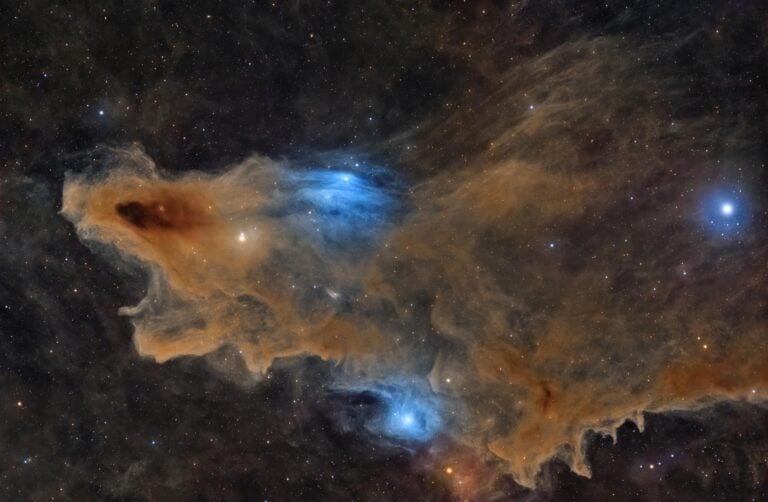
Astrophotography enthusiasts, rejoice! 2025 is shaping up to be an incredible year for capturing breathtaking celestial events. From elusive comets to radiant meteor showers and awe-inspiring eclipses, there’s something for everyone to point their lens at.
This guide from PhotoPills will help you plan your year’s astrophotography shoots. For certain, you’ll want to add these dates to your diary!
January 13, 2025 – Comet C/2024 D3 Atlas
Comets are unpredictable, but when they deliver, they create unforgettable imagery. On January 13th, Comet C/2024 D3 Atlas will reach its perihelion (point when it’s closest to the Sun), potentially becoming visible to the naked eye. To photograph it:
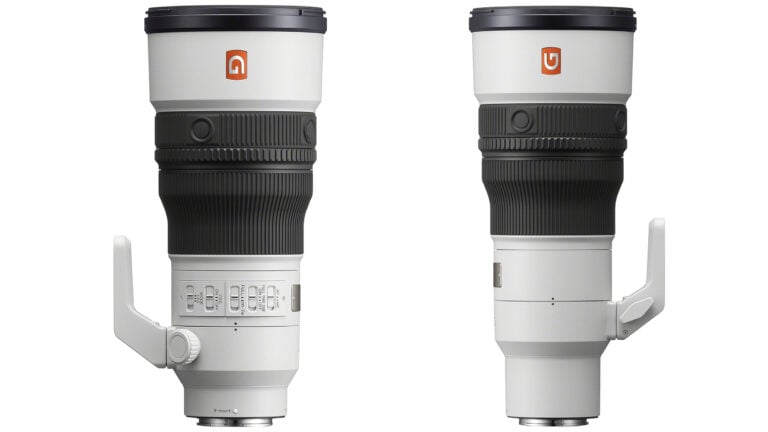
- Use a telephoto lens (200-400mm) and a sturdy tripod. Plan your shots for just after sunset in the comet’s direction, using apps like PhotoPills to track its position.
- Experiment with long exposures (10-30 seconds) to capture the comet’s tail while keeping the stars sharp.
March 14 and September 7, 2025 – Two total lunar eclipses
Lunar eclipses transform the moon into a stunning “blood moon.” The first will be visible in the Americas, western Europe, and parts of Africa, while the second graces Europe, Asia, and Africa.
- Use a telephoto lens (300mm+), set your camera to manual, and try settings like ISO 800, f/5.6, and a shutter speed of 1/250s.
- Capture a timelapse to show the progression of the eclipse for something different.
February–October 2025 – Milky Way magic
The galactic core of the Milky Way is most prominent between February and October. Northern and southern hemispheres offer different compositions, so plan accordingly.
- Shoot during new moons to avoid light interference. Use a wide-angle lens (14-24mm) and settings like ISO 3200, f/2.8, and a 20-second exposure.
- Incorporate a dramatic foreground—like mountains or trees—to add depth to your composition.
March 29 and September 21, 2025 – Partial solar eclipses
March’s event will be visible in eastern North America and Europe, while September’s will light up Antarctica and New Zealand. See our guide to capturing solar eclipses.
- Safety Note: Always use solar filters for your camera and your eyes.
- Use a mid-range telephoto lens (200mm) to frame the eclipse with surrounding landscapes.
January–April and September–December 2025 – Aurora Borealis
2024 was a spectacular year for the aurora, and 2025 will be, too, by the looks of things. Of course, if you’re in the southern hemisphere, you’ll see the Aurora Australis during the Winter months between May and September. In the Northern Hemisphere, visit Iceland, Norway, or northern Canada for the best views. Be warned though, you’ll still need a clear cloudless sky which can be elusive as I discovered on my recent trip to Iceland!
- A wide-angle lens (14-24mm), high ISO (1600-3200), and a shutter speed of 5-15 seconds are key.
- Try your luck and capture the Milky Way and aurora together for a stunning composite.
December 13–14, 2025 – The Geminid Meteor Shower
The Geminids peak with over 100 meteors per hour, making it the year’s most spectacular meteor shower. This year, a low moon phase ensures dark skies for viewing.
- Use a wide-angle lens and set your camera to continuous shooting mode. Try settings like ISO 3200, f/2.8, and a 20-second exposure.
- Frame away from the radiant for longer meteor trails.
November 5 and December 5, 2025 – Supermoons
These are always fun to shoot with Supermoons appearing larger and brighter than usual. These offer the perfect opportunities for dramatic shots.
- Combine the supermoon with golden hour lighting for surreal results.
- Plan your composition to include landmarks using apps like PhotoPills. Use a telephoto lens (400mm+), and keep your ISO low (100-400) with an aperture around f/8 for sharp details.
Astrophotography is as much about preparation as it is about creativity. Use tools like PhotoPills or PlanIt Pro to scout locations, track celestial movements, and time your shots. Don’t shy away from experimenting with different compositions, settings, and techniques. Remember, the night sky is vast, and every event is a chance to tell a unique story.
So grab your gear, mark your calendar, and let 2025 be the year you capture some amazing night skies!
See more from DIYPhotography.net on Google
Add DIYPhotography.net as a trusted source. This makes
our stories more likely to appear in your Google Search results.
 Add as a preferred source on Google

Alex Baker
Alex Baker is a portrait and lifestyle driven photographer based in Valencia, Spain. She works on a range of projects from commercial to fine art and has had work featured in publications such as The Daily Mail, Conde Nast Traveller and El Mundo, and has exhibited work across Europe


Join the Discussion
DIYP Comment Policy
Be nice, be on-topic, no personal information or flames.
One response to “Seven astrophotography events you can’t miss in 2025”
On the comet one, a 10–30 second exposure using a 200–400 mm lens will result in extremely visible trailing due to Earth’s rotation. Even 5 seconds with that focal length will result in trails. You need a much shorter exposure with that focal length unless you have a tripod mount that will track the sky.