









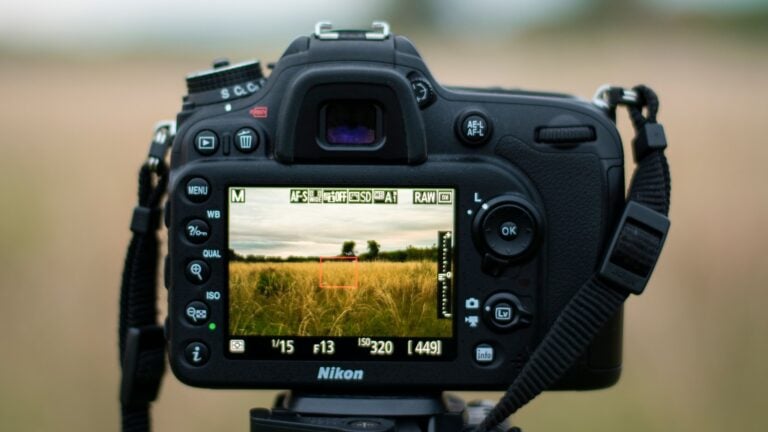











Cyclops Optics creates clip-on light pollution filters for your Nikon sensor
Dec 22, 2016
Dunja Đuđić Kalinin
Dunja Djudjic is a multi-talented artist based in Novi Sad, Serbia. With 15 years of experience as a photographer, she specializes in capturing the beauty of nature, travel, concerts, and fine art. In addition to her photography, Dunja also expresses her creativity through writing, embroidery, and jewelry making.
Share:

Light pollution is one of the main problems of every astrophotographer, no doubt about that. If you want to get rid of its orange-yellowish tint, you need either post-processing or a filter. We have recently presented you with PureNight Premium, a filter you can attach to your camera and reduce the effects of light pollution. It’s mounted onto your lens by using a standard square filter holder.
But Cyclops Optics, a Hong Kong-based company has another solution. They produce filters that can be clipped on – but onto your camera’s sensor.
STC Astro-Multispectra Clip Filters have been available for Canon full frame cameras. But the company has recently launched the clip-on filters for full frame Nikon as well.
The goal of these filters is to reduce the light emissions from mercury and sodium street light. This way they remove the tint from street lights, but at the same time they allow the light from the stars to pass. This gives you accurate colors and enhanced contrast of stars and improves overall picture quality.

The setup of the filter is easy and quick. You need to enable the mirror lock-up function, remove the lens and lock the mirror up. Then, you only need to clip the filter onto the sensor, put the lens back on and that’s it. You can see how it looks like in this video:
Personally, I find this solution interesting, but the thought of approaching the sensor with my fingers terrifies me. I’d rather choose a regular filter or spend some extra time editing the photos. But that’s just me. What do you say? Would you use this kind of filter? Share your thoughts in the comments.
[Via Nikon Rumors]

Dunja Đuđić Kalinin
Dunja Djudjic is a multi-talented artist based in Novi Sad, Serbia. With 15 years of experience as a photographer, she specializes in capturing the beauty of nature, travel, concerts, and fine art. In addition to her photography, Dunja also expresses her creativity through writing, embroidery, and jewelry making.
Related Posts
 Kolari Vision’s new clip-in filters for the EOS R5 & R6 live between your lens and sensor
 Photographer creates epic “laundry monsters” to address water pollution problem
 PureNight Premium filter helps astrophotographers beat light pollution
 This is how light pollution affects your view of the night sky
Join the Discussion
DIYP Comment Policy
Be nice, be on-topic, no personal information or flames.
19 responses to “Cyclops Optics creates clip-on light pollution filters for your Nikon sensor”
How about nooooo…….
Nope
On a cheap camera I picked up on eBay, sure. But that’s not going anywhere near my main body.
Adel M. Takash
Hell no !!
Erm.
No.
NO WAY!
why risk the chance of scratching the sensor… GTHOH!
HELL NO.
why not? yes I understand for some people they can drive to a location with no light pollution but if you live in a big city its kinda hard to do
The problem is the light pollution filters are just not all that effective. Better to get in your car and drive 20 minutes away from the lp source.
This thing is fine for narrowba on a modified DSLR, but here is useless. Better is a full apateur UV/or filter to fight star bloating.
If I had a dedicated full-frame astrophotography camera, this would be great. Especially if the filter is very spectrum specific and doesn’t cut down overalll light levels.
Maybe would be ok if you used that camera exclusively for astophotography.
Astronomik has been making filters like these for about 10 years now
only for canon (EOSCLIP) !
Also the one I have for my apsc canon body fits above the mirror so theres no risk to the sensor
Funny how people balk at the idea of touching the sensor, yet happily clean it themselves.
I know the price of replacement (thankfully under warranty)… That’s a nope for my work camera…but could be interesting for an old one
I wonder how it affects focus
It’s one thing to blow air or run a soft static brush across the sensor, it’s a totally different thing to stick hard plastic things in with your fingers. While I clean my sensor, I never stick my fingers in the shutter box and never would put anything like this in it. Just as easy and safer to use the other filter that goes on the end of the lens. So you have to spend 30 secs more in PS..better then having to replace a sensor.
Light pollution is about too much added light from a city or town, not just colour, travel away from it.