





















Why you should start shooting with the Sunny 16 Rule
Sep 12, 2024
Adam Insights
Alex Baker is a portrait and lifestyle driven photographer based in Valencia, Spain. She works on a range of projects from commercial to fine art and has had work featured in publications such as The Daily Mail, Conde Nast Traveller and El Mundo, and has exhibited work across Europe
Share:

I tend to think that in photography, a lot of us get way too hung up on things being technically perfect, that we forget the most important thing that really matters: The emotional impact of the image. How the photograph we take, makes someone feel. Do they enjoy looking at the picture of experience some emotion or connection with it?
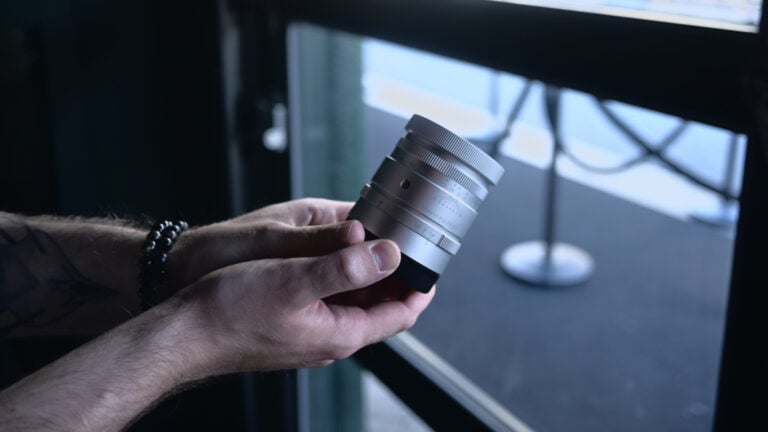
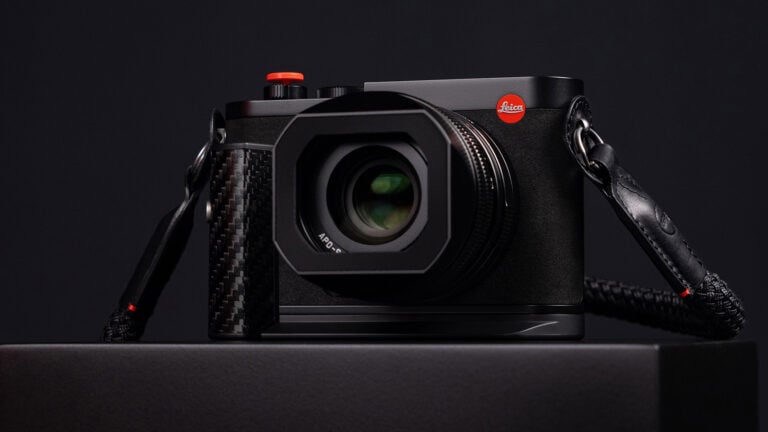
When I pick up my camera, it is liberating. I forgot about everything else going on in life. I just take pictures that I look at later and enjoy. Sure, with my Leica Ms I enjoy the simple, but well made mechanical nature of using a fully manual camera and lens. But am I missing shots because I am messing around too much taking light readings and adjusting settings?
Do I want to shoot auto? No. I just don’t. So, how about the Sunny 16 rule?
Using the sunny 16 rule
The Sunny F16 rule states that, on sunny days, at an aperture of F16, your shutter speed is the inverse of your ISO value. This means that if you are at aperture F16 and 100 ISO, your shutter speed should be 1/100 seconds. Ok, that sounds easy on a bright, sunny day in Australia. You just adjust your F stop down as it gets dimmer, from overcast to shaded to indoors. In fact, you can sort of remember it like this:
- Sunny 16 Rule: when photographing in an open field on a sunny day;
- Slight Overcast 11 Rule: when the sky is variable,
- Overcast 8 Rule: cloudy weather, but not dark;
- Heavy Overcast 5.6 Rule: bad weather, maybe rainy;
- Sunset 4 Rule: for typical sunset conditions;
- Snowy 22 Rule: If the sun is shining over a snowy landscape, f/22 is the suggested aperture.
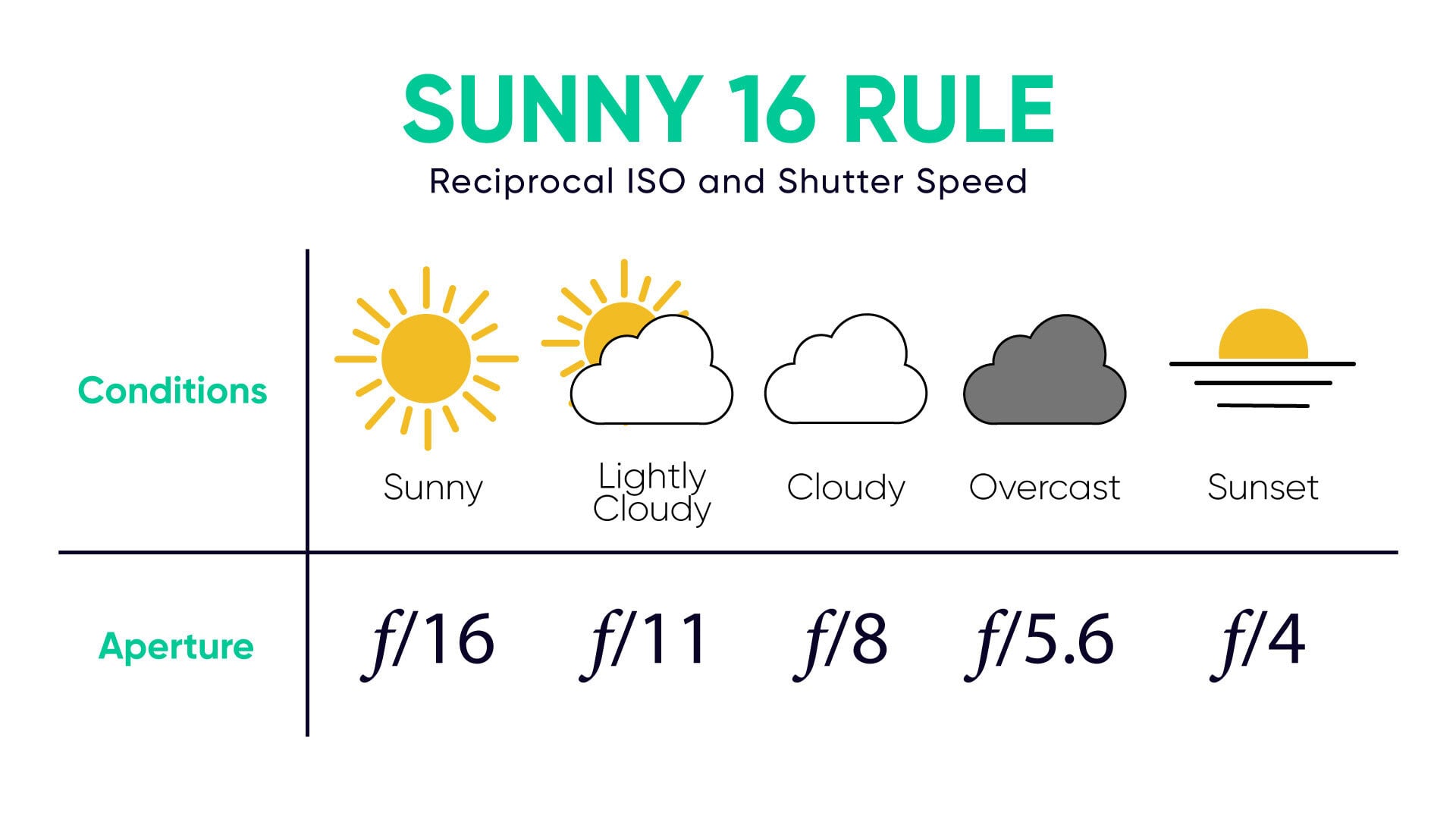
You get a balanced exposure using a shutter speed that is the inverse of your ISO.
After a while, trust me on this, you’ll instinctively know where to set your aperture. At F16, with general street photography you can leave the camera on manual focus as well, and not worry about where you focus point is, because at F16, everything will be in focus.
The light meter in my camera is getting in the way
I want to Set and Forget, which is the main benefit of shooting the Sunny 16 Rule. I want to just snap away and forget about the light meter.
Out in the sun, at F16, I am getting some very sharp shots with plenty of depth of field, which is perfect for random street photography. I simply don’t have to worry about whether something is in focus or not because it very likely will be!
Beauty in the imperfections
Photos taken with the Sunny 16 Rule have a unique quality. They won’t always be exposed perfectly. But in this world of perfect automatic on-camera phones and DSLRs, maybe that is a unique trait to explore. Something different, a unique look that we don’t need post-processing to achieve?
I think with modern photography, we worry too much about getting a perfectly exposed image. We want perfect everything. And so using our cameras becomes a computer game through the viewfinder or on the screen to get the perfect score and histogram. We are too concerned with the technical perfection of photo taking rather than the emotional aspect of enjoying the final result. I don’t want to get distracted by camera settings and menus when I’m out taking photos.
What becomes even more laughable for me is that we then go on to edit these technically perfectly exposed images shot in RAW and give them an imperfect look with grain, crushed shadows, sickening high-dynamic-range filters, or weird retro filters. This proves that we enjoy the beauty in imperfections.
Shooting with Sunny 16, not all your images will be perfect. Some will be under or over-exposed. They will generally have a or of extra contrast. There will be some distortion. But it’ll be a unique look. The soul of the camera will surprise you, and give you an image you may not have thought you would have achieved otherwise. You can just worry about your composition, and just capture the moment.
Try it, you’ll like it
Next time you are heading out to take photos with anything from a 24 to 90mm lens, shoot manual exposure. Set it to 100 or 200 ISO, and then match your ISO speed with your shutter speed. Then, set the aperture to F16. You’ll discover a new unique quality, and you will shoot faster, and feel more liberated by not having to think about looking at the light meter.
I guarantee that you’ll find it liberating. You won’t have to worry about camera settings, you won’t find yourself distracted by them. And your pictures will have a new, unique look….isn’t that what we all want in our photography?
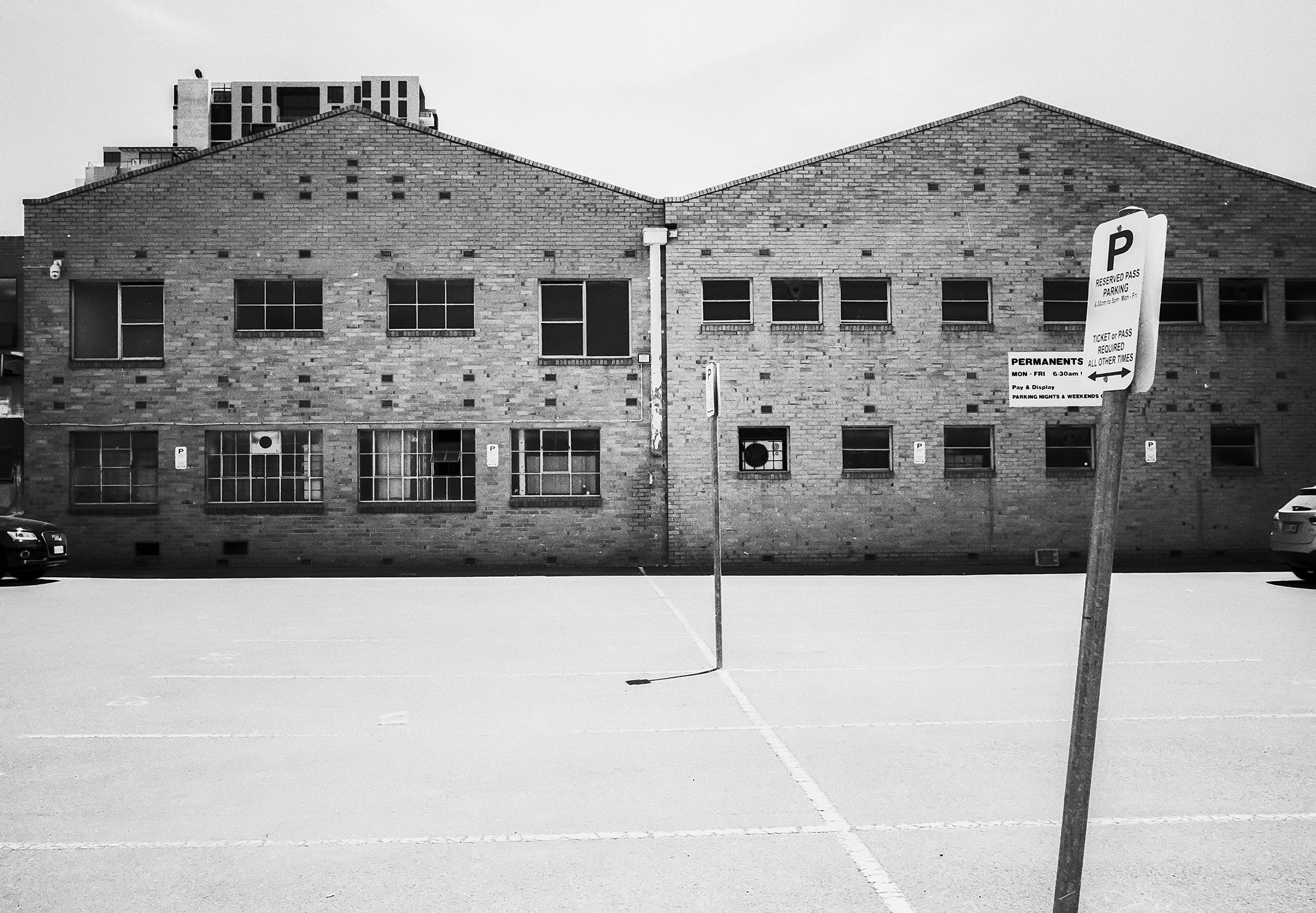
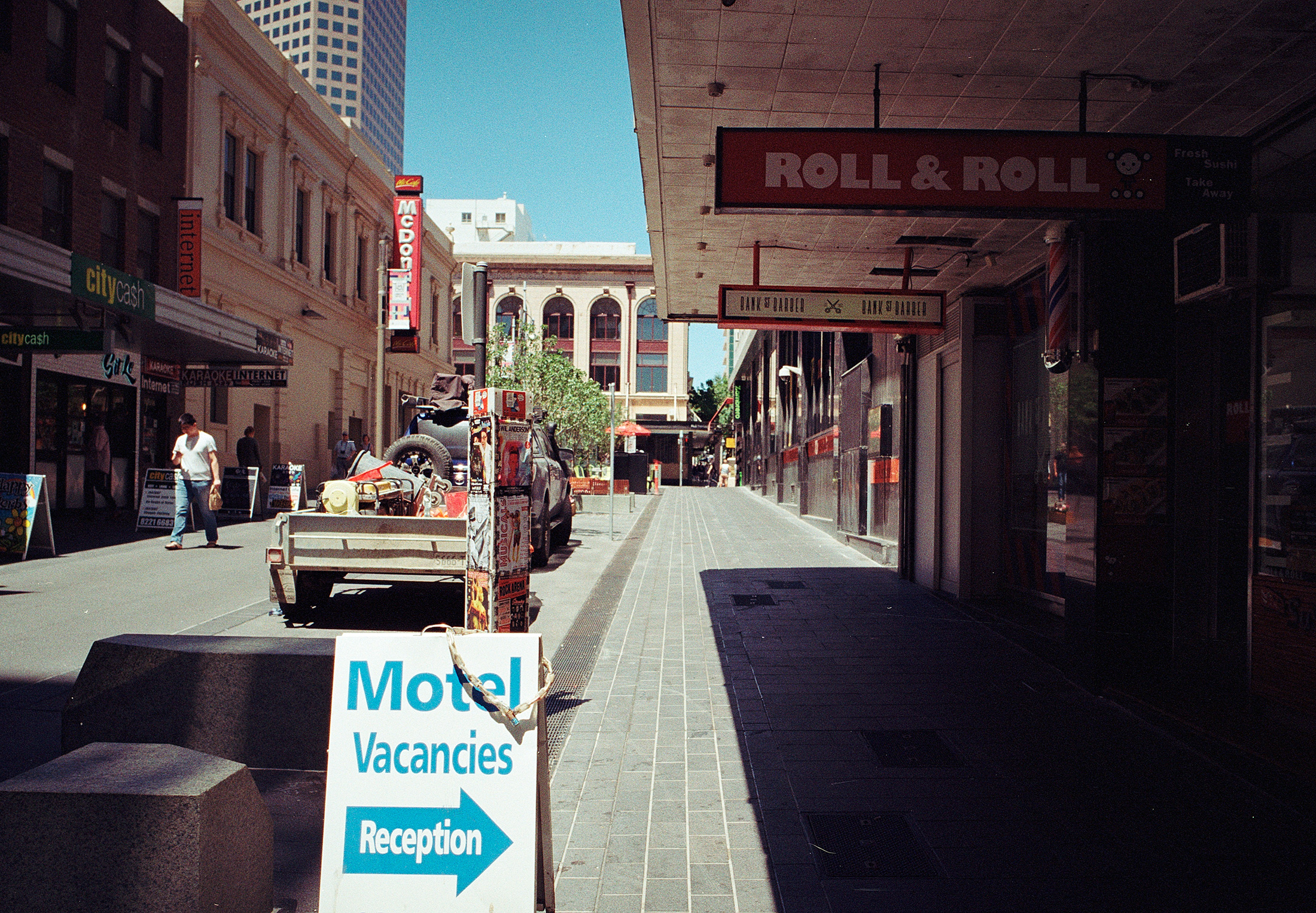
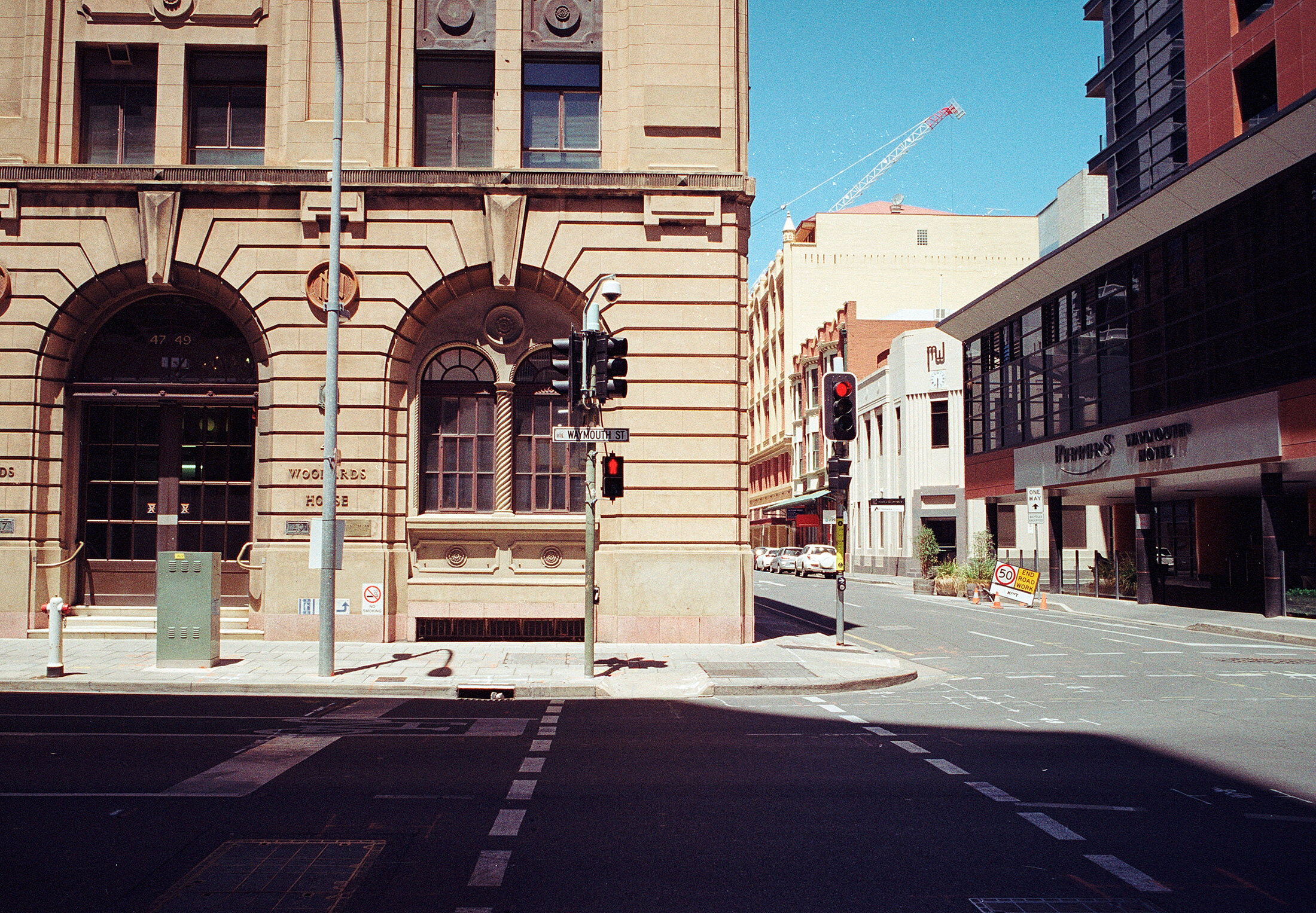
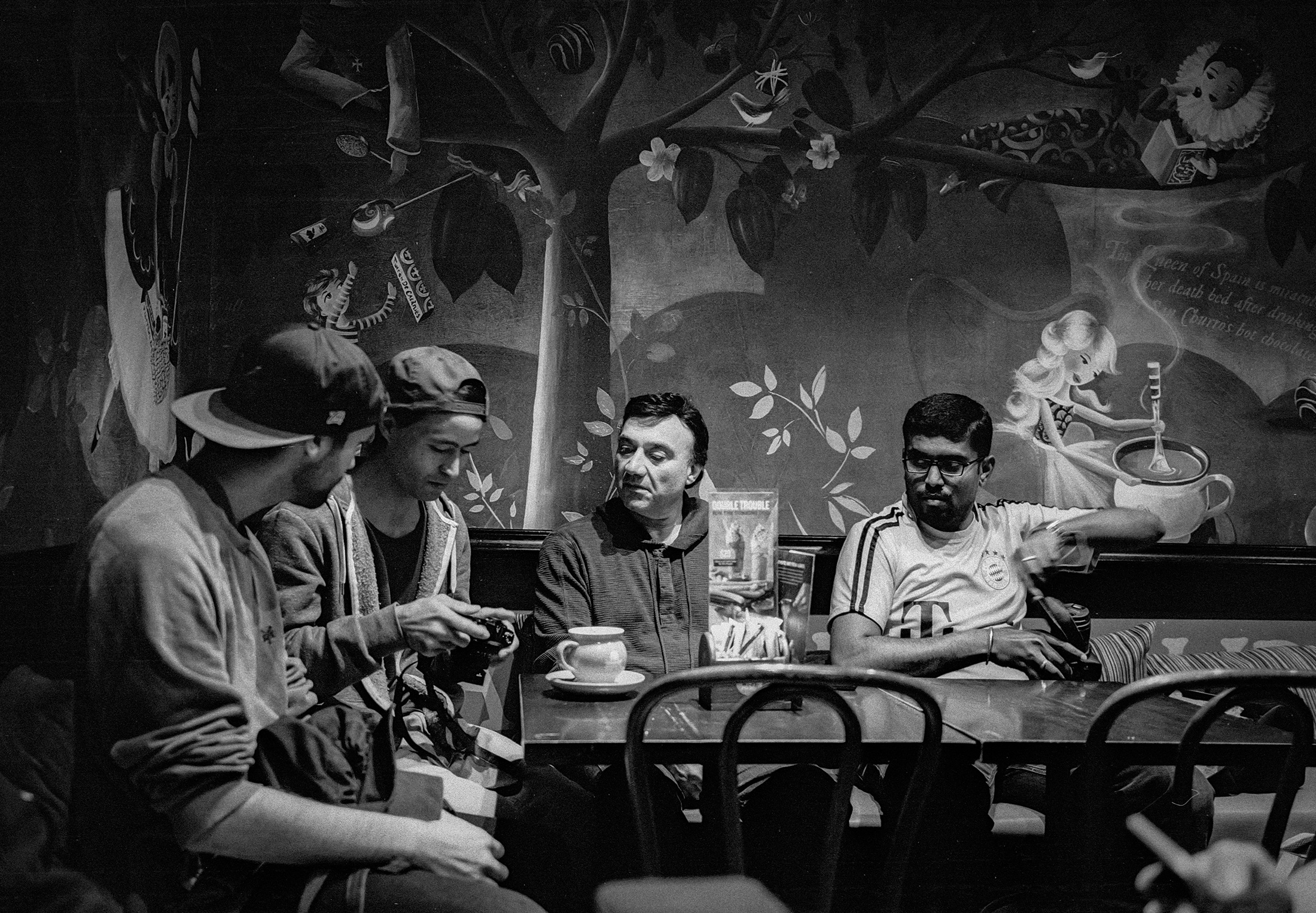
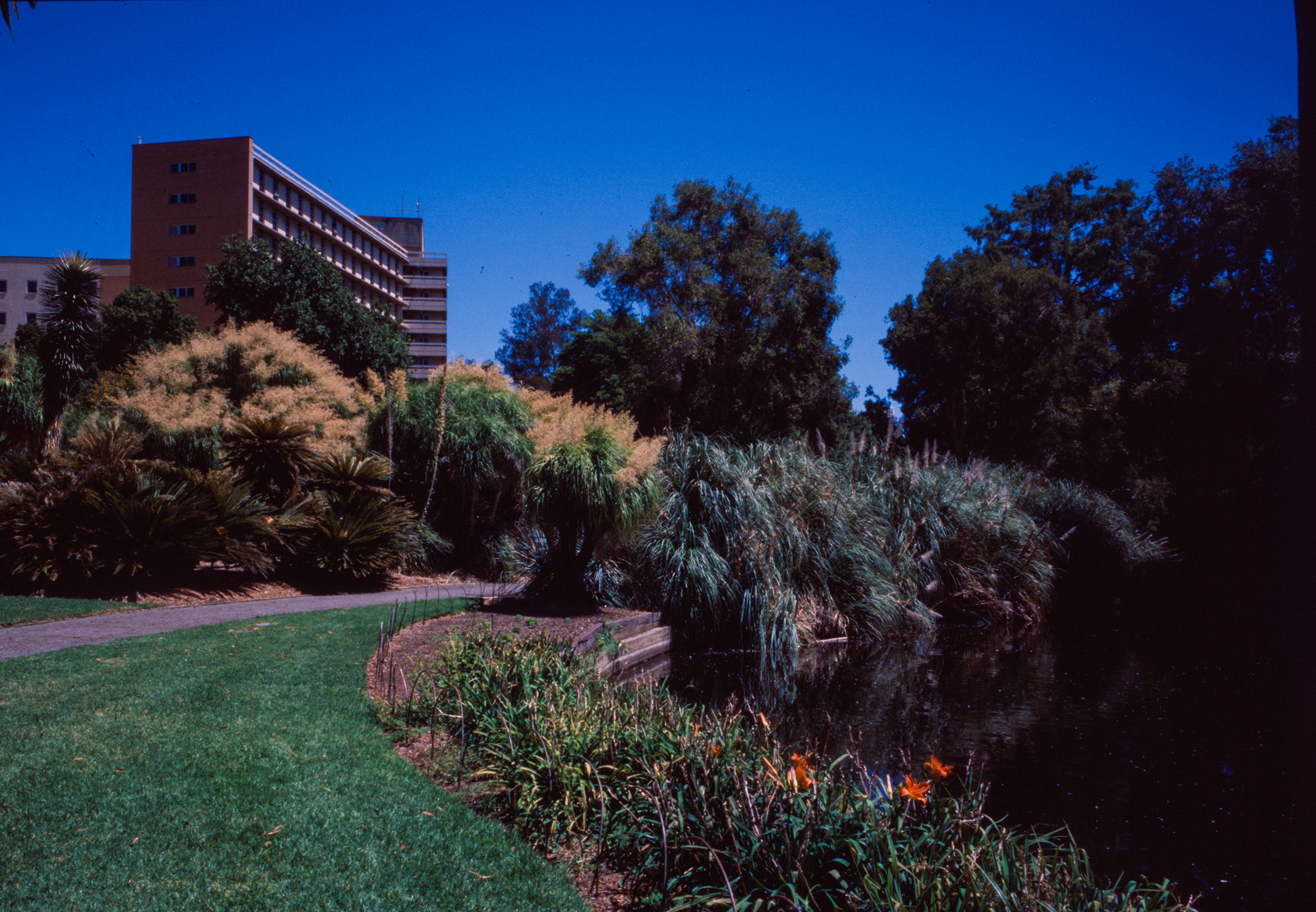
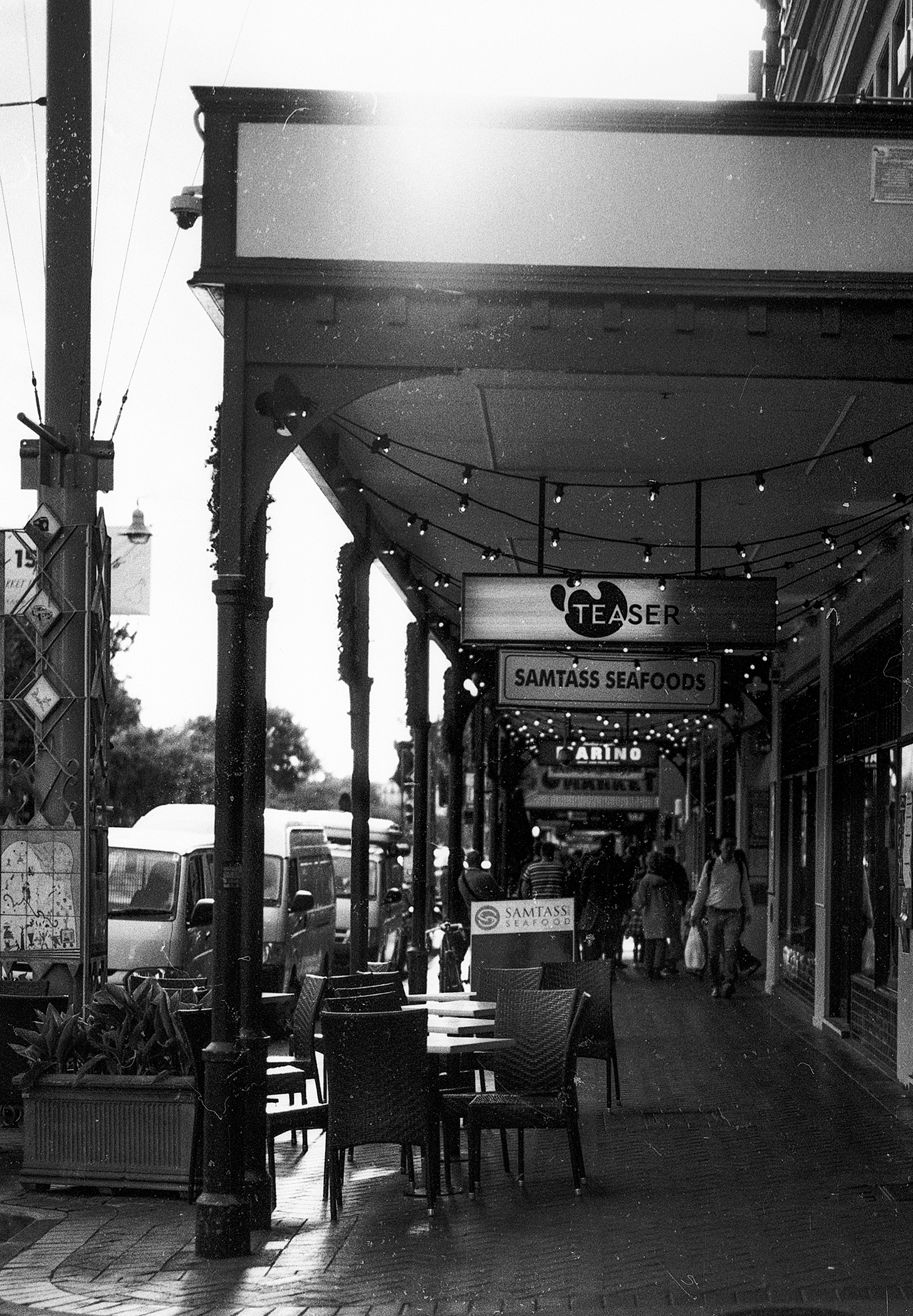
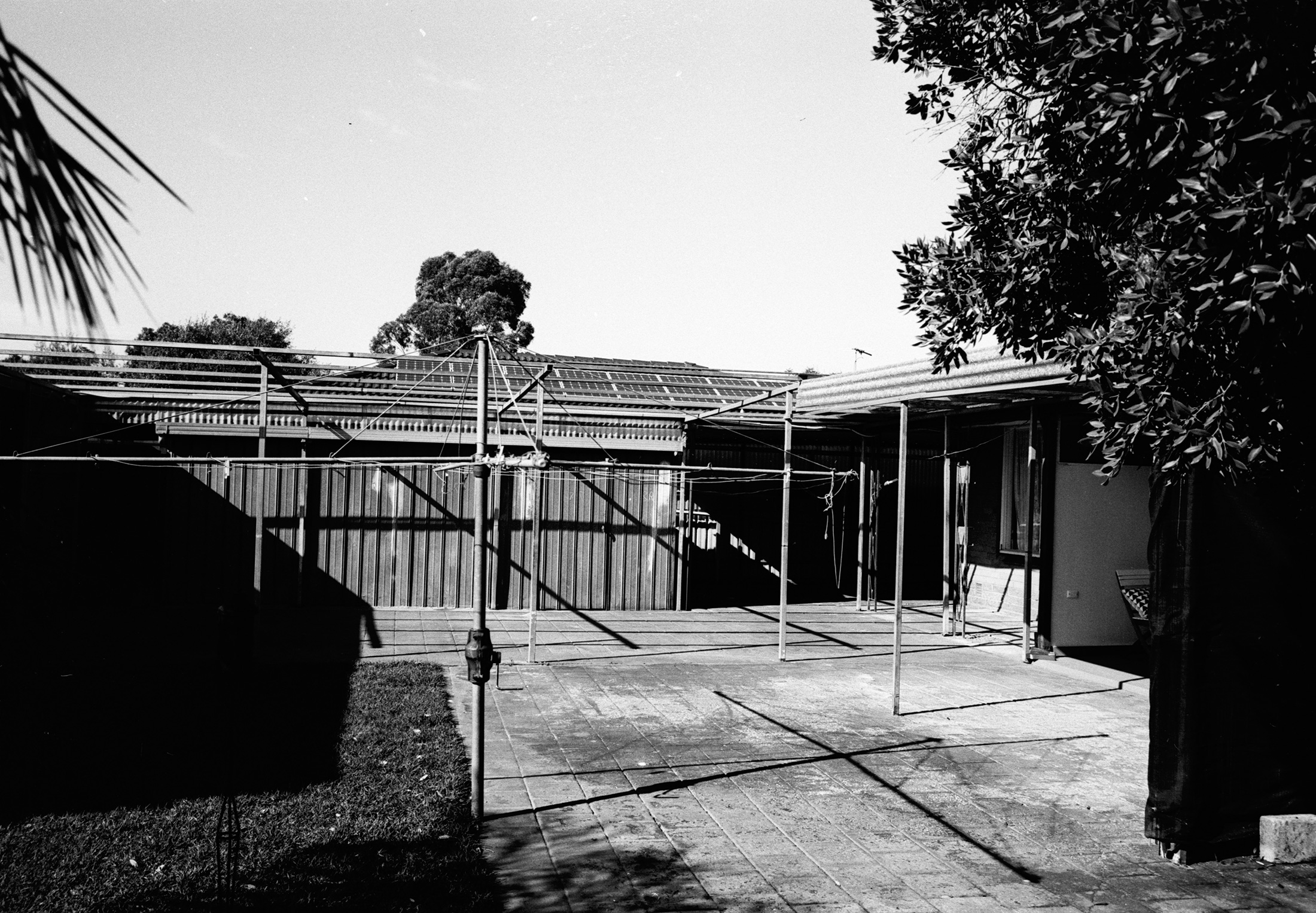
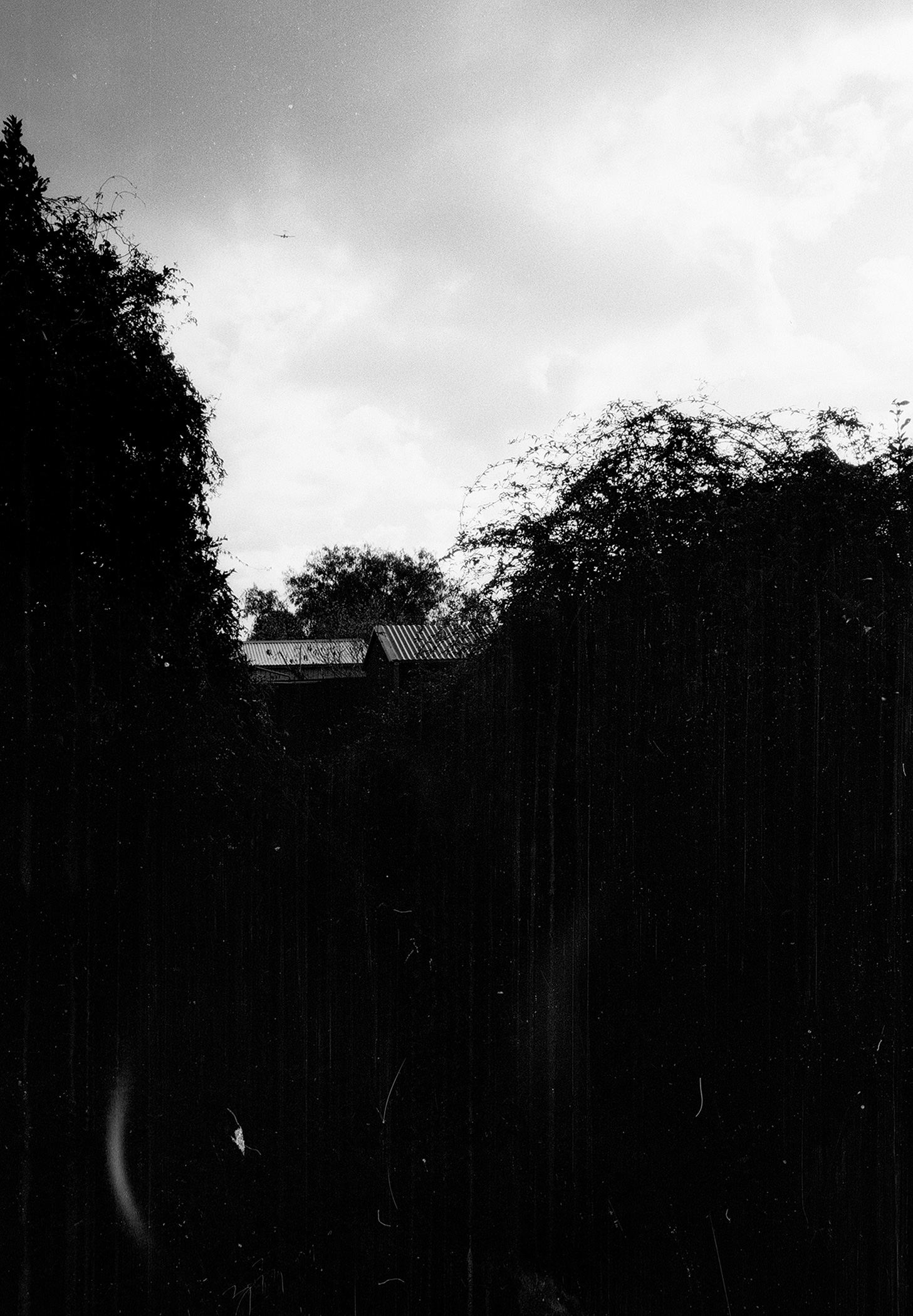
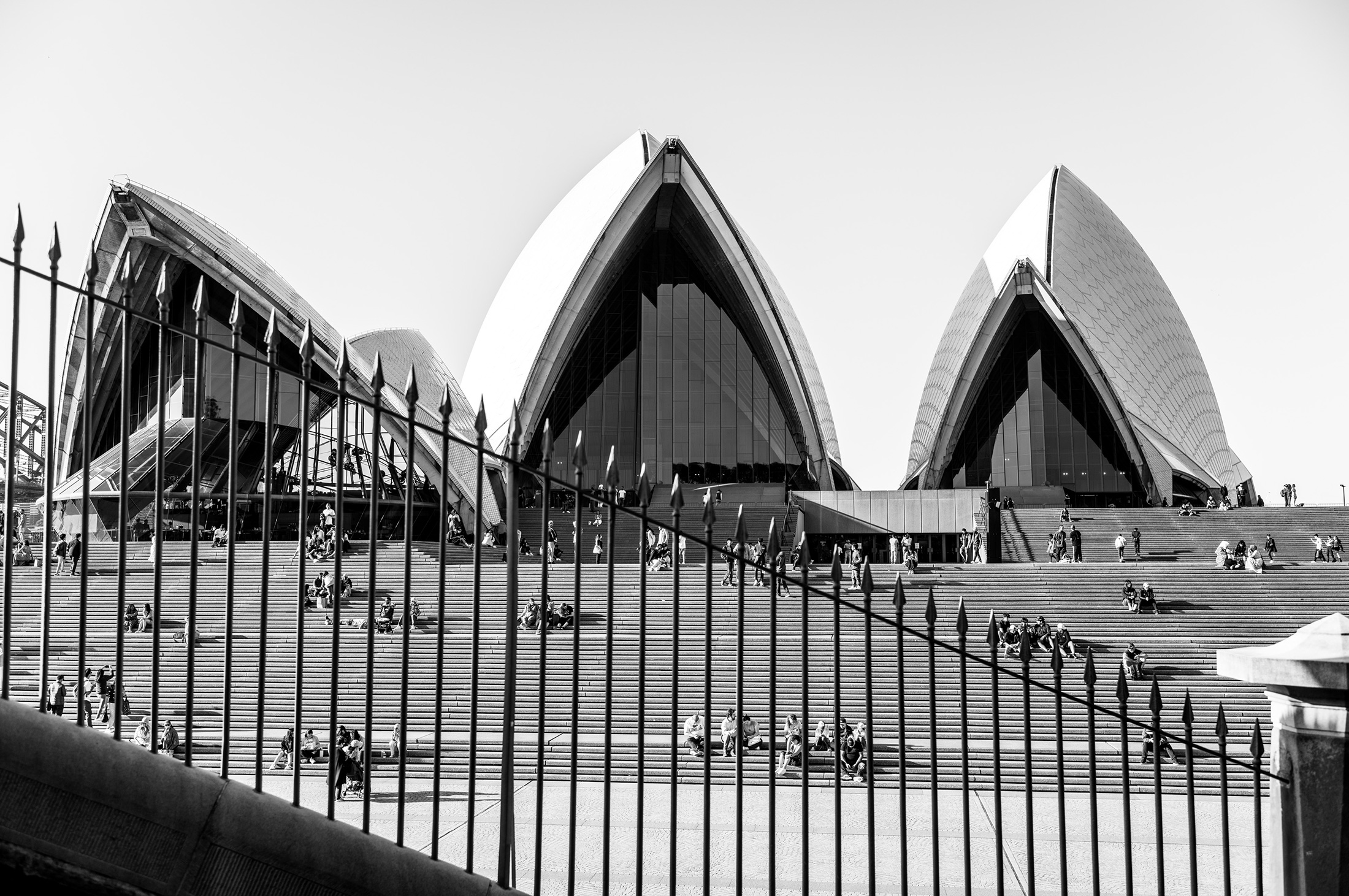
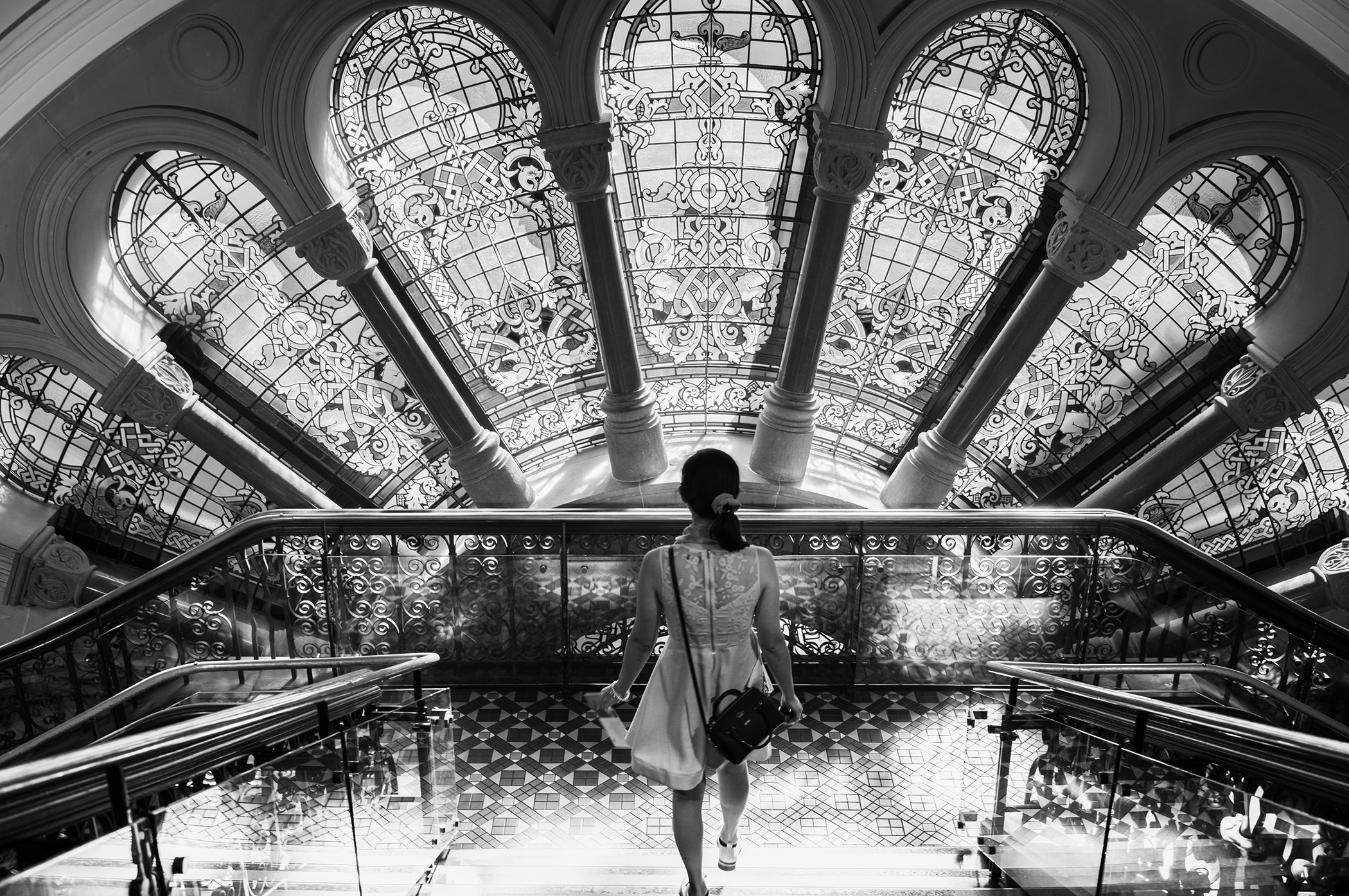
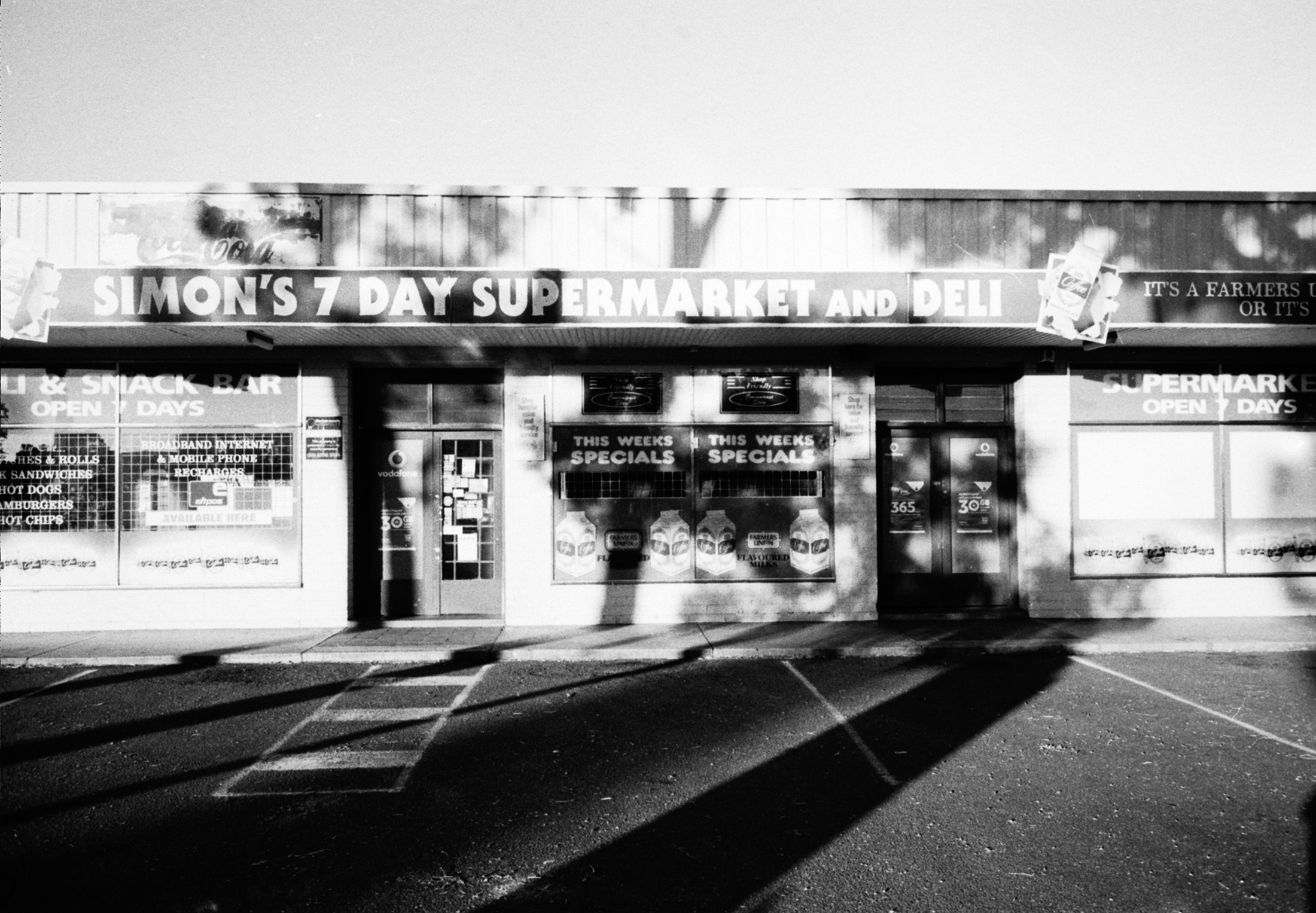
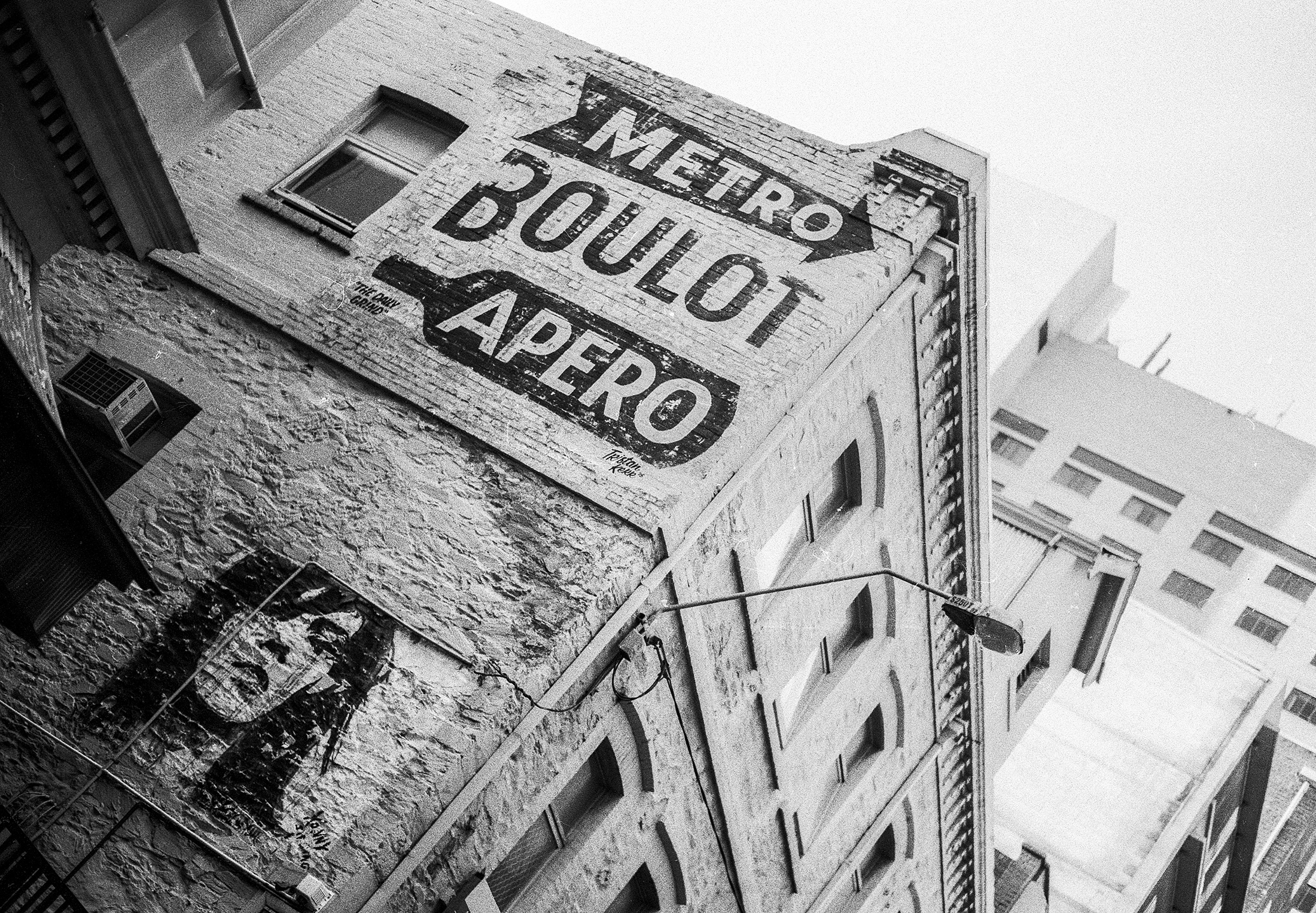
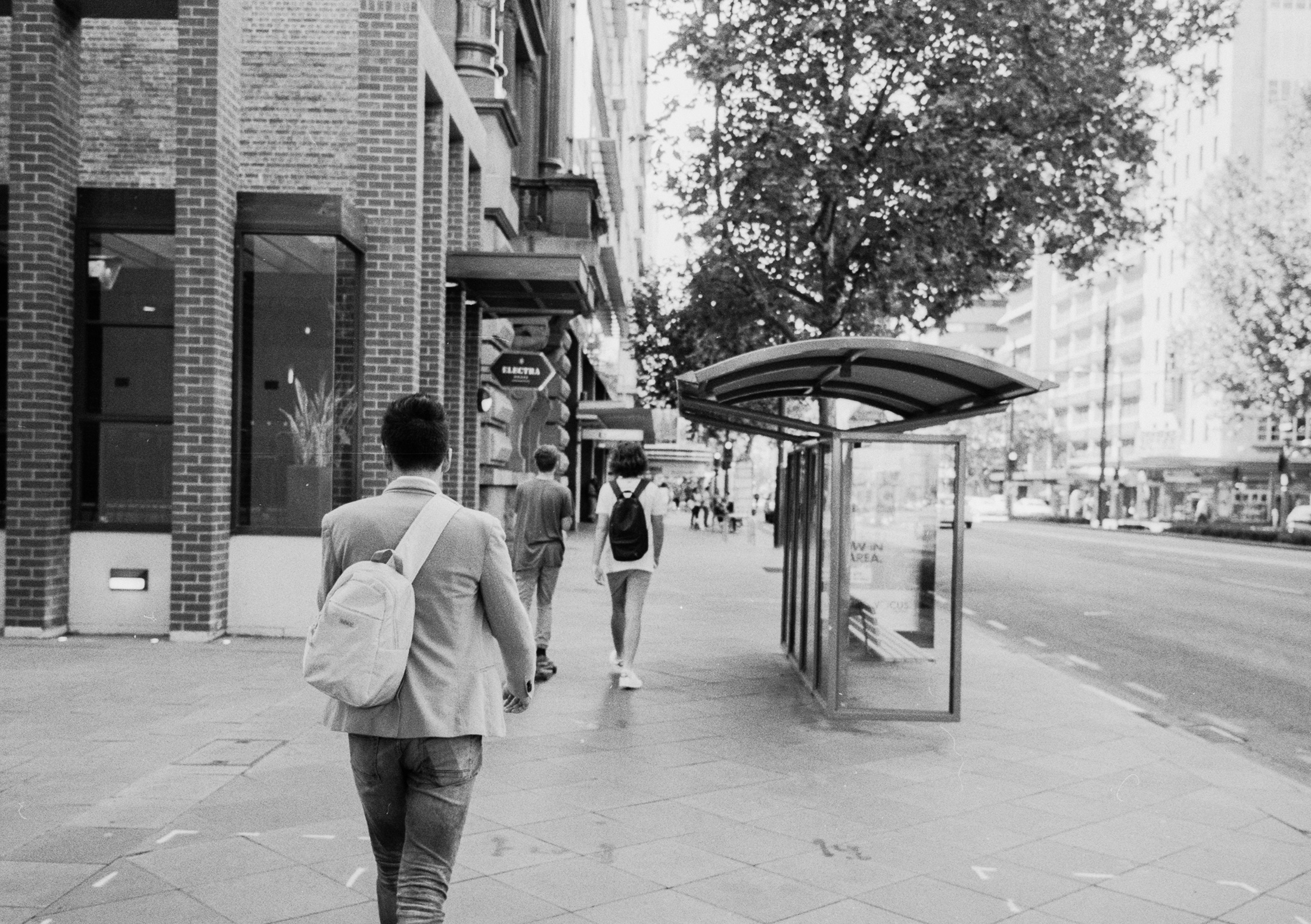
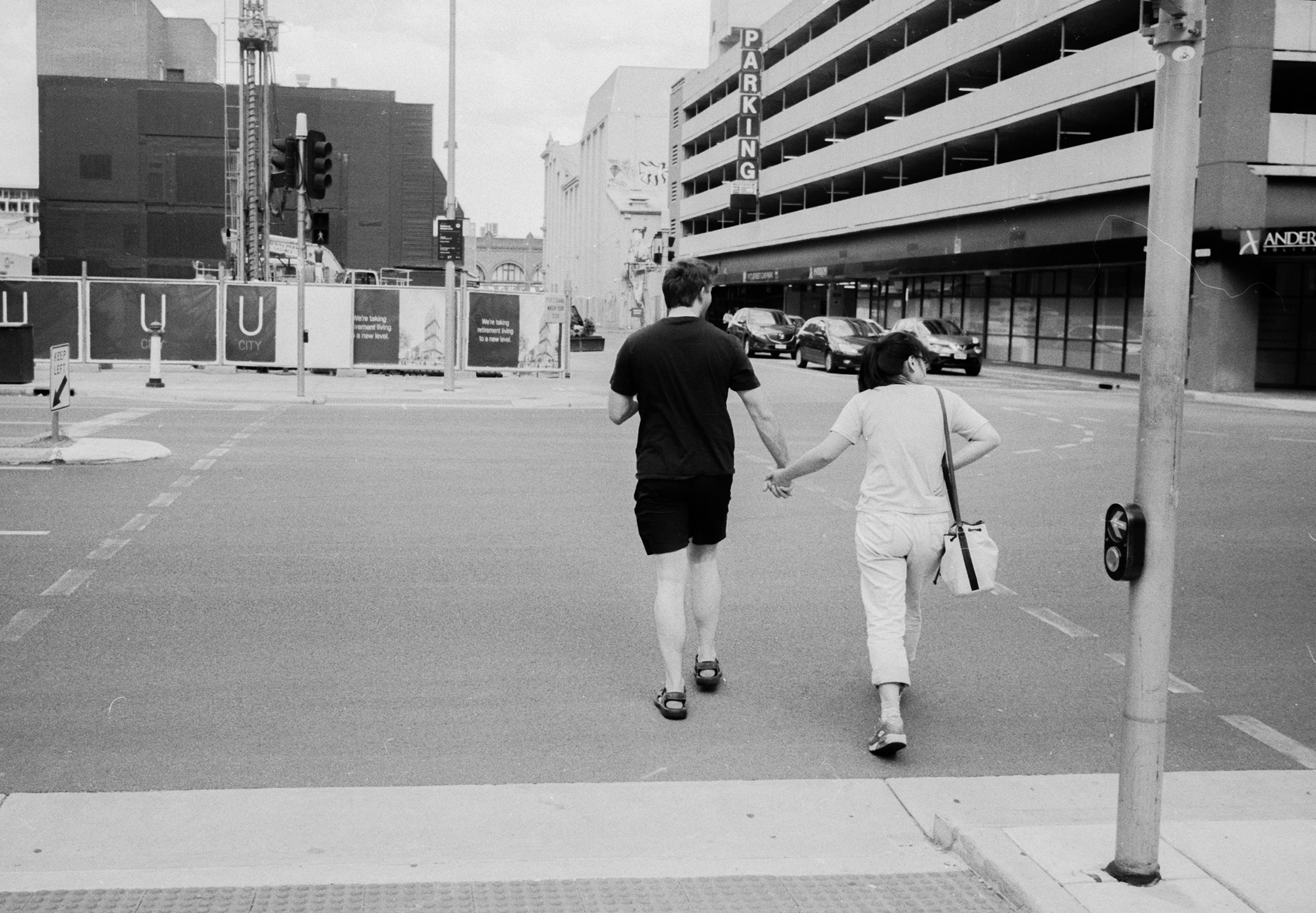
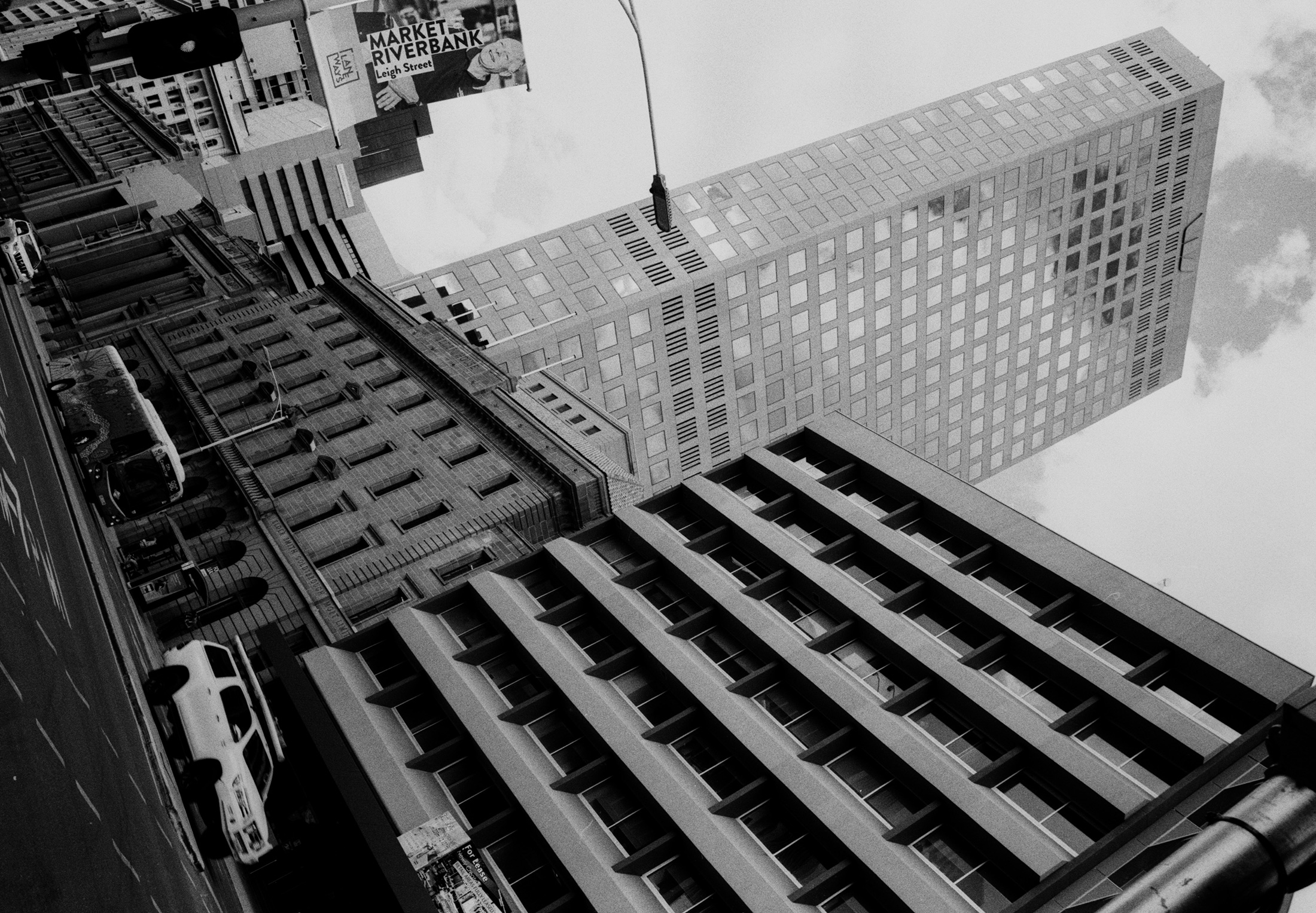
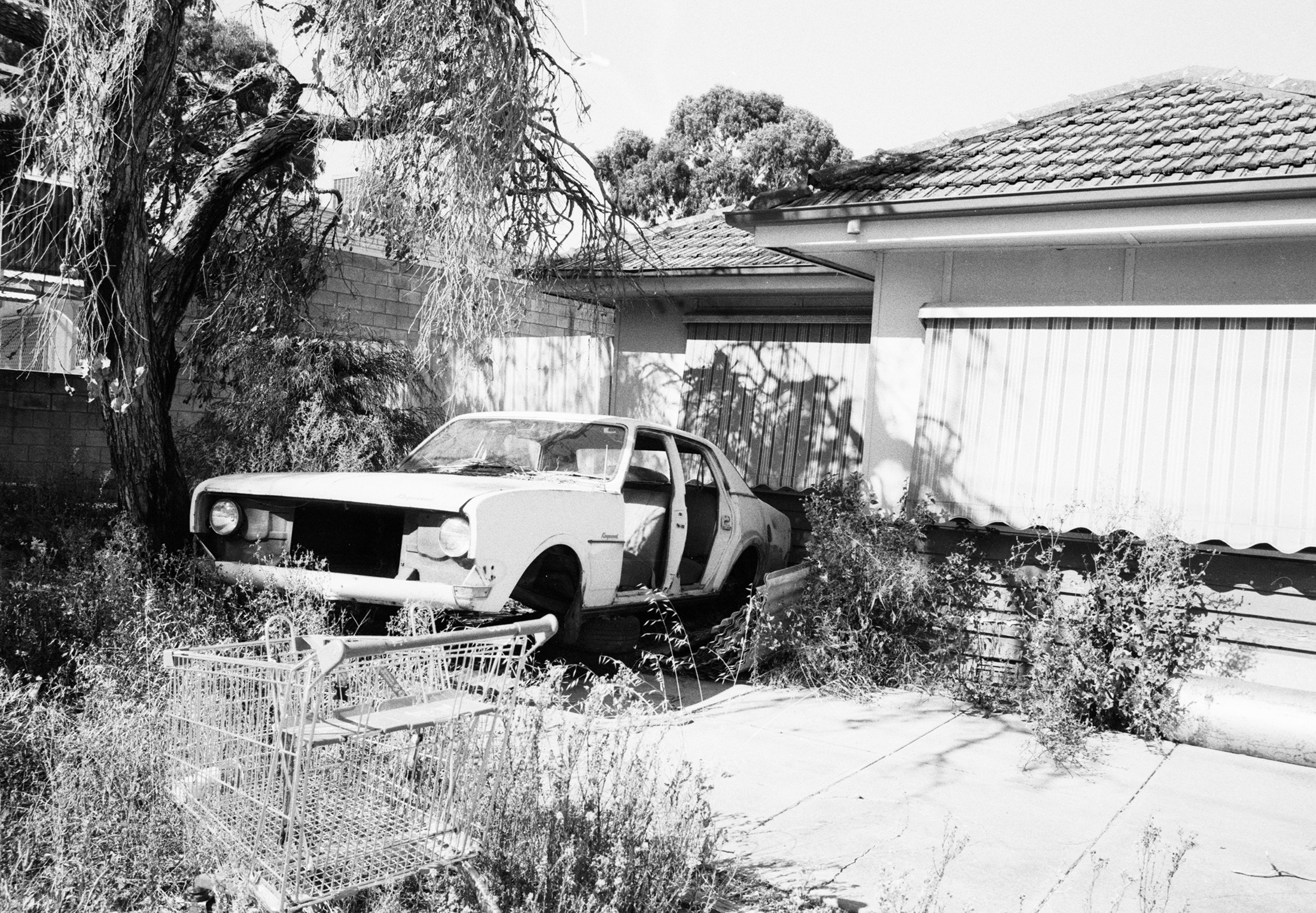
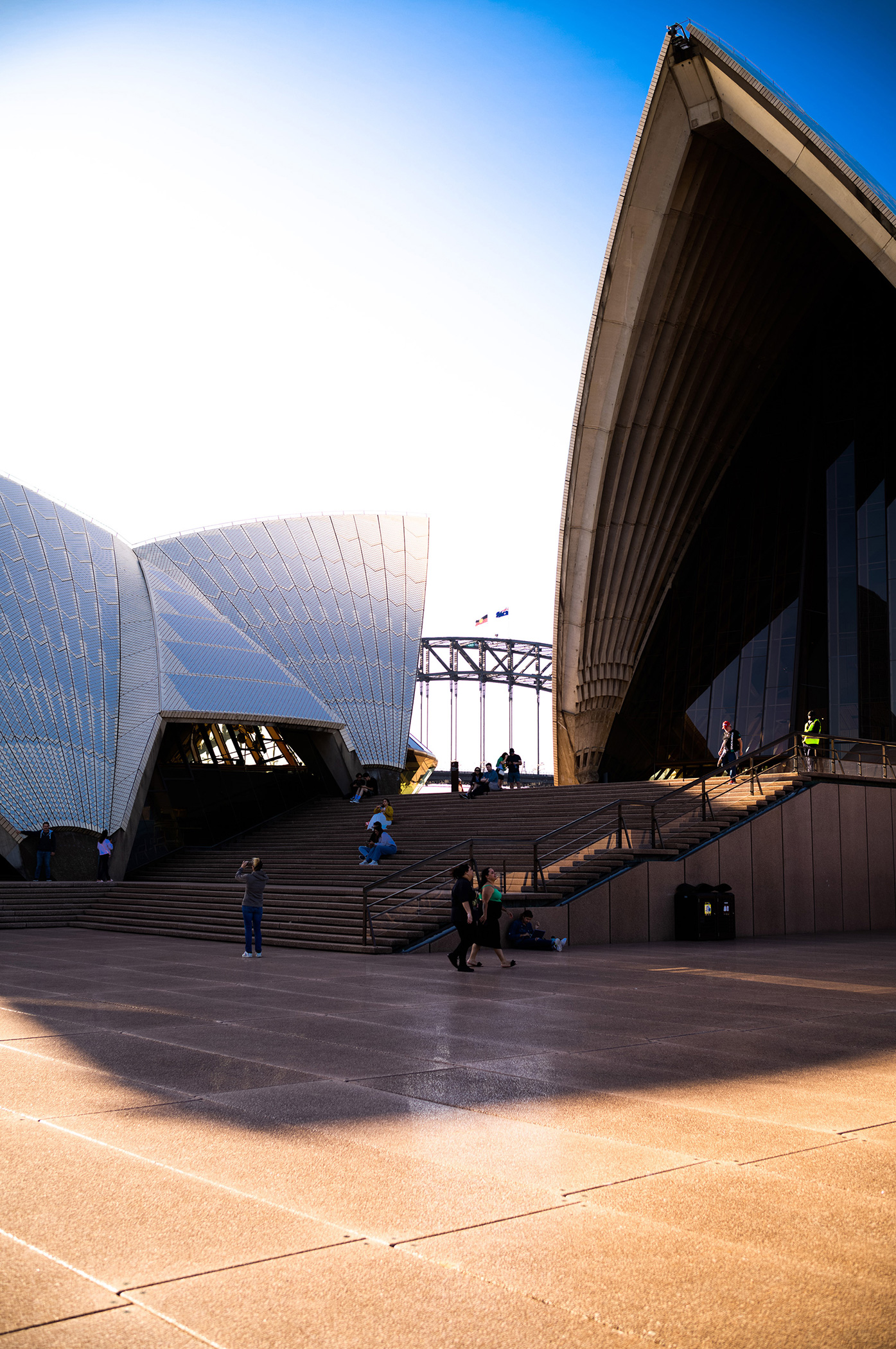
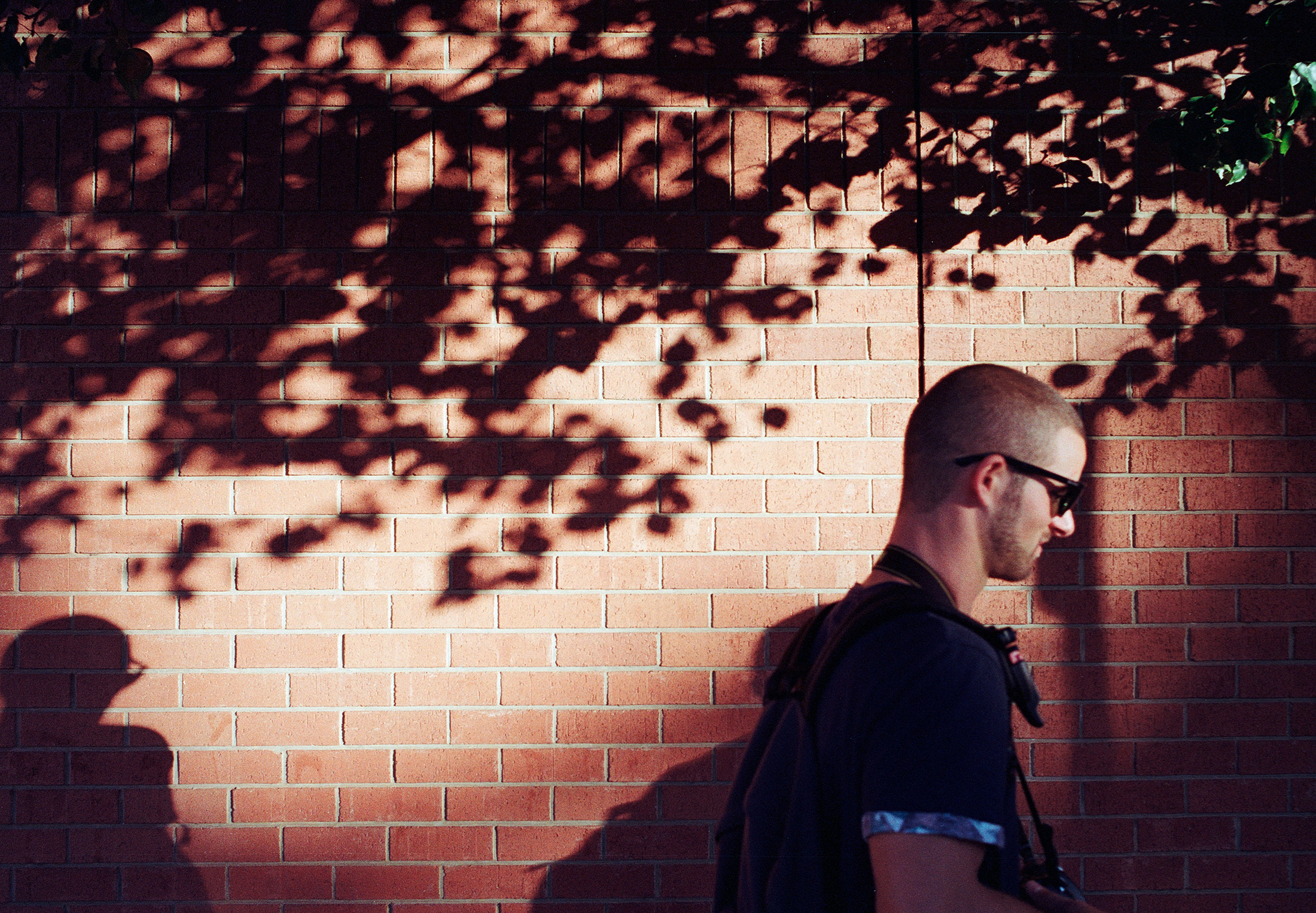
Photos I’ve taken with the Sunny 16 Rule

See more from DIYPhotography.net on Google
Add DIYPhotography.net as a trusted source. This makes
our stories more likely to appear in your Google Search results.
 Add as a preferred source on Google

About Adam Insights
Adam Insights is a Leica Street photographer, traveller, avid reviewer, marketer, and blogger. He is, by his own admission, a gear nut but doesnÔÇÖt buy gear just to test it or pixel peep. HeÔÇÖs only interested in the art that can be produced with the gear. And seeing what emotions can be brought out in those who see his photos. YouÔÇÖll find more of AdamÔÇÖs work on his website, Instagram, and Facebook, and be sure to subscribe to his YouTube channel. This article was also published here and shared with permission.
We love it when our readers get in touch with us to share their stories. This article was contributed to DIYP by a member of our community. If you would like to contribute an article, please contact us here.


Join the Discussion
DIYP Comment Policy
Be nice, be on-topic, no personal information or flames.
10 responses to “Why you should start shooting with the Sunny 16 Rule”
Hi there, may I ask if the Sunny 16 Rule works with rapidly moving objects?
I’m going to an air show and wondered if it would work.
Thank you so much – enjoyed the video!
Best to you.
no. it doesnt. it’s a bad, lazy theory, repeated by people who take photos of things that don’t move.
I’m assuming you’re using digital. so use the greatest addition to your camera vs. film, the LCD screen. if you’re not panning, 1/1000 shutter speed is a good starting spot. if you don’t have a full frame sensor, keep aperture between f/4-f/8. even if you do have a 35mm sensor, that’s still a good suggestion (to help isolate your subject and make it *pop*), even when panning, 1/100 is about as slow as you’ll want to go, unless the subject is a significant distance away. f/16 is a virtually worthless aperture for modern cameras, due to the airy disk diffusion.
You make some valid points about the importance of technical settings in photography, especially with moving subjects. The LCD screen is indeed a game-changer for instant feedback. Your suggestions for shutter speed and aperture are practical, and I agree that maintaining a good balance is crucial for isolating the subject. It’s all about finding that sweet spot to enhance clarity and make the subject stand out. Thanks for sharing your insights!
sunny 16 is of such limited use for modern photography. And suggesting, authoratively, that it’s a good idea makes the person sound like they’re clueless about *how* modern photography works.
1. f/16 is an aperture you can only use with a large pixel pitch. any sub-35mm format sensor is going to show significant airy disk diffusion. micro four thirds shows massive loss of resolution past f/8, and APS-C, after f/11.
2. modern lenses (especially zoom lenses) have lost their relationship between their f/# and their t/#. for “sunny 16” to work, you have to be able to trust that your settings are performing similarly across camera bodies/lenses. this absolutely isn’t the case with modern lenses. If camera/lens brands provided t/# data on their lenses, accurate calculations could still be done to use an arbitrary setup like sunny 16. but admitting some of their flagship lenses underperform significantly in transmission is a non-starter. virtually all consumer grade, modern lenses suffer from several EV less t/# than the equivilent f/#, the most well known aren’t consumer grade. but the oft lauded 70/80-200 f/2.8 lenses (across all brands). canon has an average t/stop of 3.5, nikon is 3.4. this is independent of accumulated dust and grime, filters, etc. that obviously diminish light transmission. in my experience, pre-AF, pro grade primes (across most brands) were generally close, between f/# and t/#. as lenses added more elements, and consumer photography outlets adopted easy/cheap to accomplish tests, focused on photographing pieces of paper, instead of lab testing, brands were incentivized to add more and more lens elements, and lighten designs (more plastic elements, smaller diameter elements), decreasing transmission. Basically, for most photographers using lenses from the late 80s until today, sunny 11 would be more correct, but still wildly variable.
all that said, among people who are out taking photos every day, two of the biggest red flags are old dinosaurs talking about how they “only shoot manual”, or “shoot using sunny 16”. As anyone who has spent time learning the science (and physics) of photography and light will attest. understanding the difference between linear, and logarithmic, is incredibly important. f/stop and iso? log. shutter speed? linear. digital sensors DR? log. digital sensors full well capacity? linear. but the reason why sunny 16 is so stupid. just mindnumbingly stupid… our own eyes measure light intensity logarithmically. it is one of the reasons why light meters were such a massive deal in photography. we are uniquely unable to register differences in light intensity on a sunny day. this is partially because of how our eyes work (can you control your pupil diameter?), but also because our own dynamic range is so far beyond what any digital sensor or film can record (our DR is well over 20), so what seems like a meaningless decrease in light, is actually several EV for a sensor.
20 years ago, I had to hear talented, smart photographers tell old dinosaurs to stop talking about sunny 16 with new photographers constantly. thankfully, it’s been several years since I’ve heard it discussed in a camera club/meetup, everyone seems to realize it’s stupid now… how did you miss 20+ years of it being meaningless (and 60+ years of in-body light meters making it redundant before that).
Back in the day, plenty of people did NOT have light meters, shot sunny 16 with slide film, and they got good results. To say it’s stupid is a little obtuse. It’s just a rule of thumb, and you can use it with any aperture you want.
Oh, for negative film, it should be Sunny 11.
It seems you missed the point. Sunny 16 doesn’t limit you to f/16. It’s just a way to remember what exposure value to use in what conditions. If you worry about diffusion, just open the aperture one stop and double the shutter speed. Obviously you are going to get more “correct” exposure when using a light meter. No one would argue against that. But practicing reading the light level with your eyes will make you a better photographer no matter how much that triggers you. I mean, in that sense it’s also stupid practicing running a marathon, when you can just get there so much faster with a car. And what’s the point of photography anyway, when you can just ask DALL-E to generate the image for you? Sometimes you want to learn a skill instead of giving all responsibility to some software.
Just want to add one more thing. Something that’s misunderstood/forgotten by so much technical discussion online… Fully manual photography (in the form and style we all know), has *always* utilized light meters. if we consider “fast” film’s introduction with silver halide (1870s), it’s little surprise the first standardized light meters appeared in the 1880s. When in-body light meters were developed in the 50s and 60s, all the good cameras immediately created modes that gave full creative control, Aperture and Shutter priority (aperture is the correct option, fyi). do not use either with auto-ISO (another sign of a hack). want to “keep it simple and just take photos”? select aperture mode, set iso to base, adjust aperture for the DOF you want, focus on subject, and the viewfinder(or lcd) readout will give you a shutter speed you can reliably use as a lightmeter readout. need more SS? drop exp (or film iso) a click or two, or open aperture, or increase iso a few clicks on digital. heck, you can do most of these adjustments mid-burst. suggesting sunny16 as a way to “simplify and shoot more” is absurd on its face, and detrimental for anyone still learning photography.
I also wanted to add, i do appreciate you sharing the results of your “sunny 16 experiment”. but hilariously, as im sure you only picked the best ones… many are so terribly over, or under exposed, If i had just seen them outside of this article, would have assumed you were an amateur who didn’t know how to read the in body light meter of a vintage camera. or was having serious problems with their gear or post production workflow.
Finally, using excessive aperture on film (with digital its often also destroying resolution due to diffraction overcoming pixel width) just makes them all look like cell phone photos. without defocus, nothing stands out, they’re just boring and generic… it’s useful to remember the quotes from the “old masters” about f/16-f/64. they were using large format (6×7) cameras, they werent talking about small handheld cameras (35mm or smaller formats). f/64 on a large
format camera is somewhere between f/6.3-f/8 on a small format… also they were quoted well before new technology (cell phones specifically) appeared that took several forms of photography (deep depth of field landscape/arch/street, in good light) for themselves. personally I love that “f8 and be there”, and ansel adams “f64” quotes are recognized as terrible advice for modern photographers, who now have to be creative and skillful to avoid having their photography mistaken for a cell phone photo. but maybe that’s just my distaste for lazy, unimaginative photography shining through.
Sheesh. Let’s be a little less critical here. I’ve had very good results using the sunny 16 method. One thing to remember is you don’t HAVE TO use f16; that’s just a starting point. With enough practice, you learn how to “read” the light of a scene. I took an Argus C3 to the southwest about 10 or 15 years ago with no light meter, and it was one of my most enjoyable photography experiences to date. And almost all of my photos were exposed quite well.
Sunny 16 is very good for interpreting mixed scenes that meters fail to read well. At times the meter averages, but if you step back and think, okay what part of this scene am I really exposing for, then it’s less confusing.
In the end, I only like using spot meters, and I place everything in “zones”.
Cheers.
Agreed. Why the Sunny 16 bashing ? I get just as good results with or without a meter.
Well that takes me back 50 years! :D