


















When can you call yourself “a photographer”?
Oct 17, 2024
Dunja Đuđić Kalinin
Dunja Djudjic is a multi-talented artist based in Novi Sad, Serbia. With 15 years of experience as a photographer, she specializes in capturing the beauty of nature, travel, concerts, and fine art. In addition to her photography, Dunja also expresses her creativity through writing, embroidery, and jewelry making.
Share:
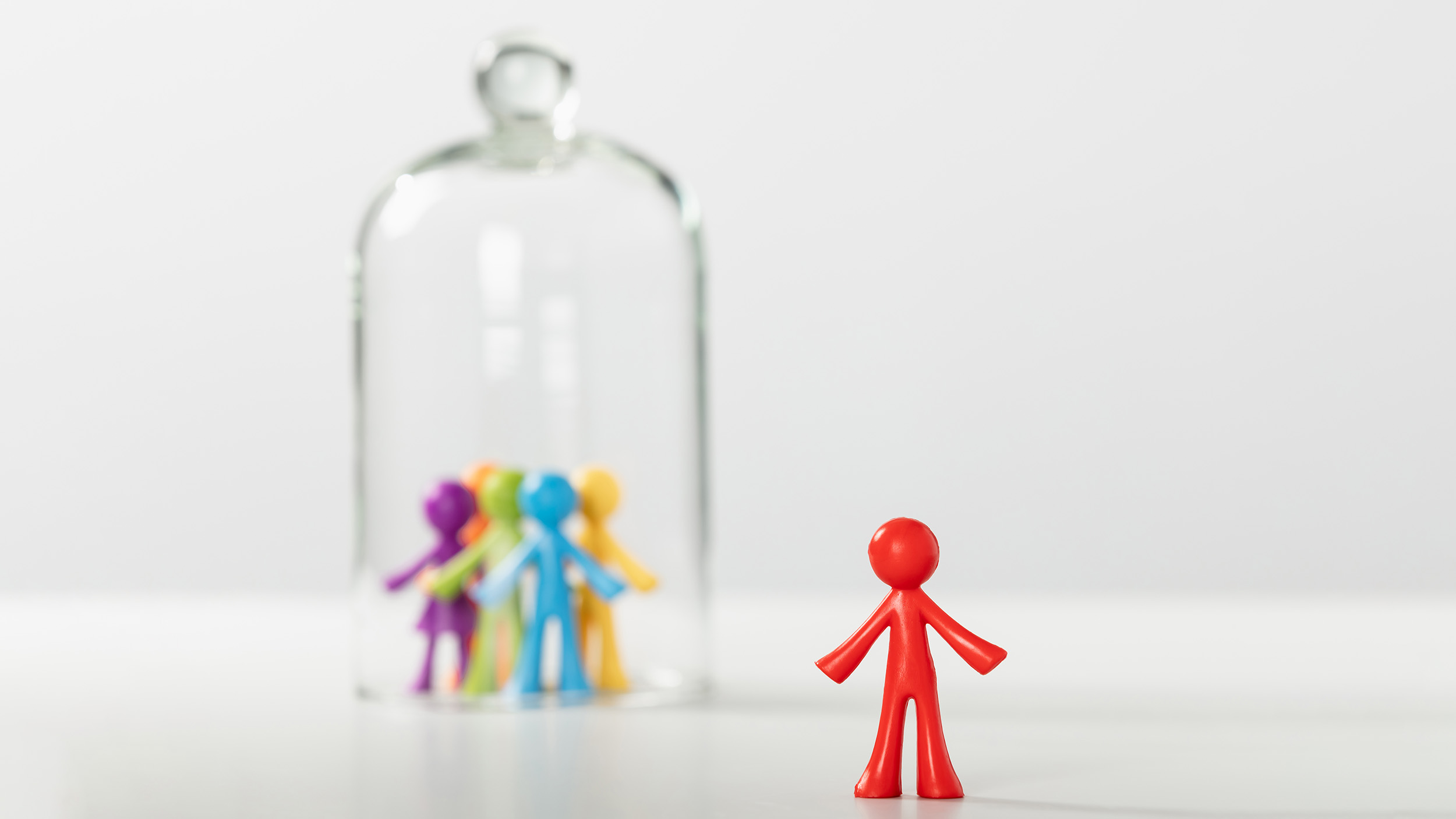
You’ve been into photography for a while, you enjoy taking photos, you’re quite good at it… But somehow, you still don’t feel like you can refer to yourself as “a photographer.” Why is this happening? And when can you truly call yourself “a photographer” and don’t feel guilty about it?
In his recent video, Sean Tucker discusses these issues in the profound, eloquent and supporting manner as he always does. He talks about the reasons that make you feel like an impostor, as well as the ways to get over them.
Impostor syndrome
I resonate with this video deeply because even after over 15 years in photography, I still don’t call myself “a photographer.” When someone else refers to me that way, I feel like a fraud. It could be because I don’t do it for a living (never did), but it can also be because of the impostor syndrome I’ve felt in each and every field I’ve worked in.
“People who struggle with imposter syndrome believe that they are undeserving of their achievements and the high esteem in which they are, in fact, generally held,” Psychology Today explains. “They feel that they aren’t as competent or intelligent as others might think—and that soon enough, people will discover the truth about them.”
Why does it happen?
There are several reasons for developing the impostor syndrome. Some personality traits play a crucial role, but it can also come as a result of the working environment. In the video, Sean discussed four reasons we might experience it as photographers.
Perfectionism: People with perfectionist tendencies often believe that their work must be flawless to be valuable. This can lead to constant self-criticism and a fear of making mistakes. As Sean points out, “Anything less than perfect is a failure.” This mindset can be paralyzing, preventing you from sharing your work and taking risks.
Insecurity: Those who feel insecure often doubt their abilities and knowledge. They may believe they must be experts in all aspects of photography to be considered legitimate. This can lead to a constant feeling of being unprepared or inadequate. As Sean explains, “We have this deep insecurity that if we don’t have all the answers, then surely we’re not competent.” This one resonates with me the most.
Struggle: The fear of struggle can arise from the belief that talented people should find success effortlessly. When faced with challenges or setbacks, you may question your abilities and assume that others are naturally gifted. “We have this false assumption that everybody else out there is finding this stuff so easy,” Sean notes. And that’s not the case. In my opinion, social media can contribute to this belief a lot. But trust me – we’re all in the same boat. We’re all struggling, and no one knows what they’re doing. It sounds gloomy, but I think there’s beauty in it, and certainly a relief knowing you’re not the only one.
Isolation: If you fear being exposed and judged, this can lead you to isolation. You may end up avoiding sharing their work or asking for feedback, believing that it will only expose your flaws. Sean finds himself in this point the most, and he emphasizes the importance of overcoming this fear by connecting with others.
How to overcome the impostor syndrome?
I know it’s a struggle, but there are ways to overcome this gnawing feeling of inadequacy, or at least make it weaker. Sean suggests these four strategies to make things easier for yourself.
Own the feeling: If you want to face any of your feelings – you have to recognize them and name them first. For starters, recognizing the imposter syndrome within yourself will help you face the issue (know thy enemy, right?). Also, realizing that impostor syndrome is a common experience can help you feel less alone and ashamed. By acknowledging your feelings, you can take the first step towards overcoming them.
Get perspective: Comparing yourself to others is no way to go – especially if you compare yourself to those who have been at it for much longer. Instead, focusing on personal growth and progress can help you gain a healthier perspective. Sean emphasizes the importance of “having an honest and sober view of where you’re actually at.”
Celebrate growth: In a way, this leans to the previous point. It’s important to acknowledge and celebrate the progress you made rather than dwelling on what you still have to achieve. Recognizing and appreciating the journey can help you overcome self-doubt and maintain motivation. “Shift your focus to the journey you’ve taken so far.” Look at those cringeworthy photos from your early days and realize how far you’ve come and how much you’ve improved. The only person to compare yourself to is your past self. If you feel that you’re better than them – you rock!
Get connected: Building a supportive community can provide you with encouragement, feedback, and a sense of belonging. Connecting with others who share similar experiences can help alleviate feelings of isolation and self-doubt. Sean emphasizes the importance of “investing in creative friendships.” Reach out to other photographers, join your local photography club, Facebook groups, or workshops. Connecting with others is generally a good idea whenever you’re struggling, and this is no exception. If the impostor syndrome is just too much to overcome – please book a few therapy sessions, too. This isn’t something that should hold you back from enjoying creativity and life.
So, when can you call yourself “a photographer?”
As someone beautifully said in a comment on Sean’s video, “you’re a photographer as soon as you intentionally compose a photo.” I don’t know who the person behind the original quote is, but it’s so beautiful and liberating! Put briefly: you can call yourself “a photographer” whenever the hell you want! I may not be the one to tell you this, considering that I’m still struggling myself. But hey, I started calling myself “a photographer” in recent conversations with my partner and family. Baby steps. :)
[When can I call myself a ‘Photographer’? | Sean Tucker]
See more from DIYPhotography.net on Google
Add DIYPhotography.net as a trusted source. This makes
our stories more likely to appear in your Google Search results.
 Add as a preferred source on Google

Dunja Đuđić Kalinin
Dunja Djudjic is a multi-talented artist based in Novi Sad, Serbia. With 15 years of experience as a photographer, she specializes in capturing the beauty of nature, travel, concerts, and fine art. In addition to her photography, Dunja also expresses her creativity through writing, embroidery, and jewelry making.
Join the Discussion
DIYP Comment Policy
Be nice, be on-topic, no personal information or flames.